
Nutrition comparison
Wild Rice vs Quinoa: Nutrition, Protein, and Health Comparison
Compare Wild Rice and Quinoa on protein quality, blood sugar impact, calories, and convenience. Find out which grain fits your health goals and when to choose each.
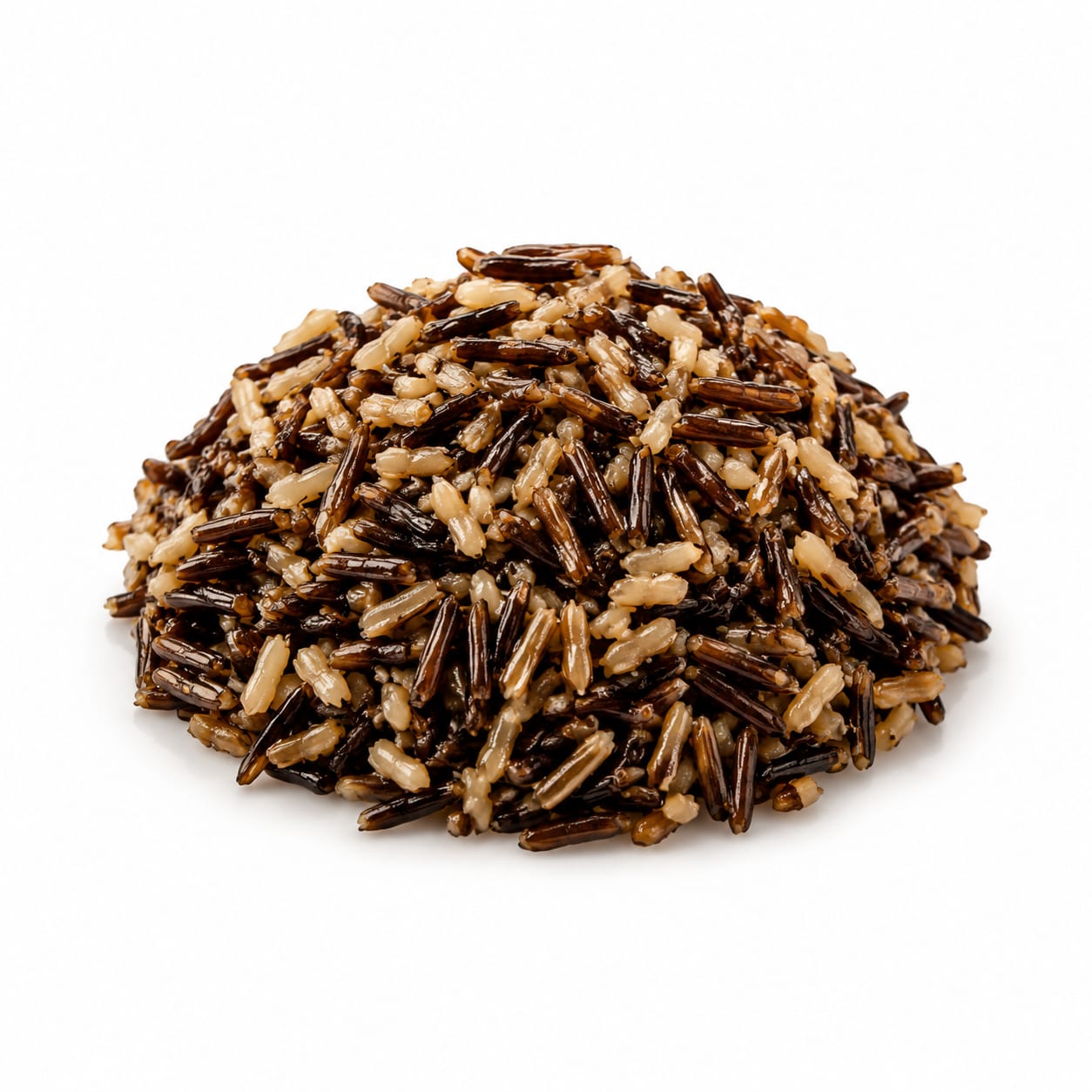
Wild Rice
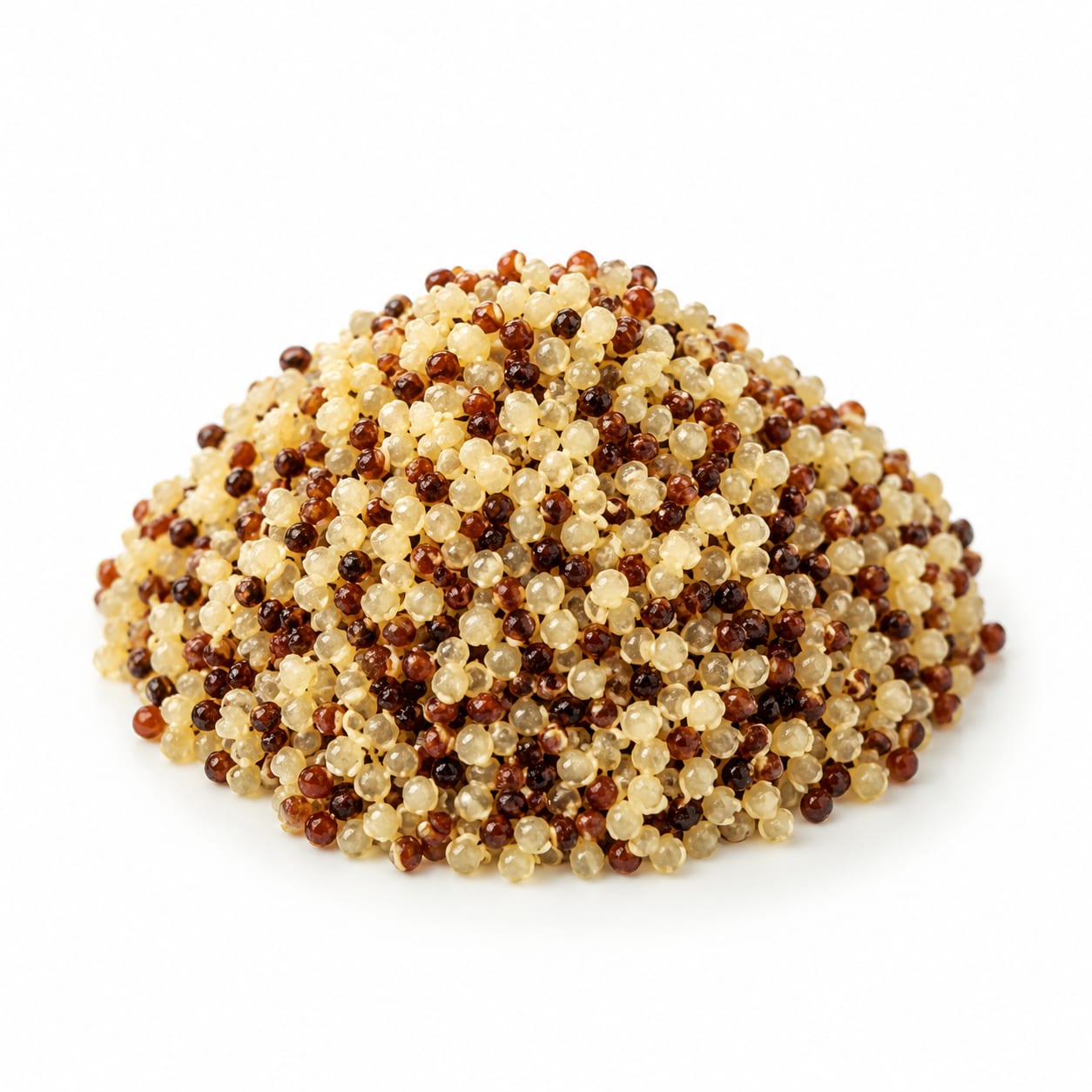
Quinoa
Quinoa wins on protein quality and nutrient density, while Wild Rice offers fewer calories, more antioxidants, and a chewier texture that keeps you fuller longer per bite.
Quinoa edges ahead with its complete amino acid profile, broader micronutrient range, and faster cooking time. Wild Rice stays competitive through lower calorie density and superior antioxidant content, but its incomplete protein and longer cook time narrow its everyday appeal.
Complete protein and faster cooking versus lower calories and higher antioxidant content.
At a glance
Executive summary
Overall
It depends
Healthier
Quinoa
More practical
Quinoa
Daily use
Quinoa
Key comparison lenses
protein quality and completeness
Quinoa is one of the few plant foods with complete protein, making this a key differentiator for vegetarians and vegans
blood sugar management
Both are whole grains favored by people managing glucose, but their glycemic profiles differ meaningfully
meal versatility and convenience
Cooking time and adaptability in recipes heavily influence which grain people actually stick with
micronutrient density
Mineral and vitamin content varies significantly and matters for those relying on grains as a nutritional anchor
weight management and satiety
Calorie density and fullness factor determine real-world portion control success
Best choice for
Wild Rice
- People counting calories who still want a satisfying grain
- Anyone seeking antioxidant-rich sides with a nutty, earthy flavor
- Those who prefer slower-eating textures that naturally limit portions
- Gluten-free eaters wanting variety beyond quinoa
Quinoa
- Vegetarians and vegans needing complete protein from grains
- Anyone deficient in iron, magnesium, or folate
- Busy cooks wanting a grain ready in 15 minutes
- Meal preppers who want a neutral base that absorbs flavors easily
Least suitable for
Wild Rice
- People who need quick-cooking weeknight staples
- Anyone relying heavily on a single grain for complete protein
- Those who dislike chewy or firm textures in grains
Quinoa
- People with saponin sensitivity or digestive irritation from quinoa
- Anyone strictly minimizing calorie intake per serving
- Those bored of quinoa from overexposure and seeking novelty
Deep comparison
Dimension by dimension
Each lens scores both foods and breaks down who each option suits.
- Dimension 1 · Priority 92Quinoa
Protein Quality and Completeness
Wild Rice · 55Quinoa · 90Quinoa provides all nine essential amino acids in meaningful amounts. Wild Rice has decent protein but is missing adequate lysine.
Tradeoff
You get more complete protein from Quinoa, but Wild Rice still contributes meaningfully to daily protein totals when paired with legumes.
Why it matters
Complete protein matters most for people who eat little to no animal products. If your diet already includes meat, dairy, or eggs, this gap shrinks considerably.
Real-world impact
A vegetarian bowl with Quinoa needs no protein pairing strategy. The same bowl with Wild Rice benefits from adding beans or edamame to fill the lysine gap.
Wild Rice
- Side dishes where protein comes from elsewhere on the plate
Better for
- Standalone grain bowls for vegetarians without legume additions
Worse for
Quinoa
- Plant-based meals needing a protein anchor
- Post-workout recovery bowls
- Vegan meal prep where every amino acid counts
Better for
- Meals where you barely notice the grain and protein completeness is irrelevant
Worse for
- Dimension 2 · Priority 85Wild Rice
Fiber and Satiety
Wild Rice · 82Quinoa · 72Wild Rice delivers slightly more fiber per serving and its firm, chewy texture slows eating speed, naturally improving fullness signals.
Tradeoff
Wild Rice fills you up more per calorie, but Quinoa's softer texture makes it easier to eat larger portions without realizing it.
Why it matters
Satiety is not just about fiber grams. Texture and eating speed matter. Foods that slow you down give your brain time to register fullness.
Real-world impact
A cup of Wild Rice feels like a substantial meal component. A cup of Quinoa can disappear quickly, leaving you reaching for seconds sooner.
Wild Rice
- Weight management through natural portion control
- Meals where you want the grain to feel hearty and substantial
Better for
- Quick lunches where you need to eat fast and move on
Worse for
Quinoa
- Lighter meals where you want volume without heaviness
- Recovery meals after intense exercise when appetite is high
Better for
- Late dinners where overeating disrupts sleep
Worse for
- Dimension 3 · Priority 85Wild Rice
Blood Sugar Stability
Wild Rice · 80Quinoa · 72Wild Rice has a lower glycemic index and glycemic load than Quinoa, producing steadier glucose responses with less spiking.
Tradeoff
Both are far better than refined grains, but Wild Rice offers a marginally gentler blood sugar curve.
Why it matters
For people with insulin resistance or diabetes, even small glycemic differences between whole grains can accumulate over years of daily consumption.
Real-world impact
After a Wild Rice bowl, you are less likely to feel the mid-afternoon energy dip. After Quinoa, the dip is mild but more noticeable than with Wild Rice.
Wild Rice
- People with prediabetes or type 2 diabetes
- Afternoon meals where energy crashes hurt productivity
Better for
- Situations where you actually want quicker energy availability
Worse for
Quinoa
- Pre-workout meals where slightly faster glucose availability supports performance
Better for
- Breakfasts for people who experience morning sugar spikes
Worse for
- Dimension 4 · Priority 78Quinoa
Micronutrient Density
Wild Rice · 65Quinoa · 85Quinoa packs significantly more iron, magnesium, folate, manganese, and phosphorus per serving. Wild Rice leads in zinc and certain antioxidants but trails on most minerals.
Tradeoff
Quinoa is the more nutrient-dense grain overall, but Wild Rice compensates with specific antioxidants like anthocyanins that Quinoa lacks.
Why it matters
If grains are a primary calorie source in your diet, their micronutrient contribution matters more. For most Western diets, the gap is modest but real.
Real-world impact
Regular Quinoa consumption meaningfully helps close iron and magnesium gaps. Wild Rice helps but cannot match that mineral breadth.
Wild Rice
- Diets already rich in minerals where antioxidant variety matters more
Better for
- Vegan diets where every mineral source counts
Worse for
Quinoa
- Women prone to iron deficiency
- Anyone needing magnesium for sleep or muscle recovery
- Pregnant women benefiting from folate
Better for
- People already supplementing iron who do not need more
Worse for
- Dimension 5 · Priority 80Quinoa
Cooking Convenience and Speed
Wild Rice · 45Quinoa · 82Quinoa cooks in 12-15 minutes. Wild Rice takes 40-50 minutes, requiring advance planning or a pressure cooker.
Tradeoff
Quinoa fits seamlessly into weeknight cooking. Wild Rice demands forethought but rewards with deeper flavor and texture.
Why it matters
The grain that is easier to cook is the grain you will actually eat. Convenience wins in real life, not nutrition theory.
Real-world impact
On a Tuesday at 6 PM, Quinoa is ready before you finish prepping vegetables. Wild Rice requires starting before you even feel hungry.
Wild Rice
- Weekend meal prep sessions with batch cooking
- Slow cooker or pressure cooker recipes
Better for
- Spontaneous cooking without planning ahead
Worse for
Quinoa
- Weeknight dinners with tight timelines
- Last-minute grain additions to salads and bowls
Better for
- Recipes where a long simmer builds flavor, like soups and stews
Worse for
- Dimension 6 · Priority 70Wild Rice
Antioxidant Content
Wild Rice · 85Quinoa · 60Wild Rice contains anthocyanins and other phenolic compounds at levels comparable to some berries. Quinoa has antioxidants too, but at lower concentrations.
Tradeoff
Wild Rice is surprisingly potent in antioxidants for a grain, but the clinical significance of this advantage over Quinoa is still modest compared to eating actual fruits and vegetables.
Why it matters
Antioxidants from grains add up over time but should not replace colorful produce. Think of Wild Rice as a bonus, not a strategy.
Real-world impact
Swapping Quinoa for Wild Rice a few times a week adds antioxidant variety, but eating an extra serving of blueberries does far more.
Wild Rice
- Diets low in colorful fruits and vegetables where every antioxidant source helps
Better for
- Overestimating the health impact of grain antioxidants versus produce
Worse for
Quinoa
- Diets already rich in diverse plant foods where grain antioxidants matter less
Better for
- Missing out on anthocyanin diversity by eating only one grain type
Worse for
Timeline
Health impact over time
Short-term
Hours to days
Wild Rice
- Steadier energy after meals due to lower glycemic impact
- Greater immediate fullness from chewy texture and fiber
- Longer cooking time may discourage impulsive overeating
Quinoa
- Faster energy availability useful before exercise
- Mild bloating possible if not rinsed before cooking due to saponins
- Quicker meal assembly supports consistent healthy eating habits
Long-term
Months to years
Wild Rice
- Consistent blood sugar control with regular consumption
- Antioxidant variety may support cellular aging defenses
- Lower calorie density aids sustainable weight management over years
Quinoa
- Improved iron and magnesium status with regular intake
- Complete protein supports muscle maintenance in aging populations
- Folate contribution supports cardiovascular and cognitive health long-term
Risk profile
Safety & processing
Both Wild Rice and Quinoa are whole foods with minimal processing. Some commercial Quinoa is pre-rinsed to remove saponins, which is a mechanical process, not a chemical one. Neither grain typically contains additives, preservatives, or artificial ingredients when purchased in plain form.
Wild Rice
Arsenic contamination
mediumWild Rice grown in certain regions can accumulate arsenic from water and soil, though typically at lower levels than brown rice. Varying your grain intake reduces this concern significantly.
Mislabeling and blending
lowSome commercial Wild Rice products are blended with regular rice or cultivated varieties marketed as wild. Check labels for 100% wild-harvested authenticity if purity matters to you.
Quinoa
Saponin-related digestive irritation
mediumQuinoa naturally contains saponins that can cause bloating, stomach upset, or mild irritation in sensitive people. Thorough rinsing before cooking removes most of this risk.
Pesticide residue
lowConventionally grown Quinoa may carry pesticide residues. Organic options are widely available and reasonably priced, making this an easy risk to avoid.
Who wins for whom
Audience fit
Same foods, different winners depending on your goal.
children
QuinoaSofter texture, milder flavor, and higher mineral content make Quinoa more kid-friendly and nutritionally supportive for growing bodies.
daily consumption
QuinoaFaster cooking, complete protein, and broader nutrient coverage make Quinoa more practical as an everyday staple, though rotating both is ideal.
diabetes
Wild RiceLower glycemic index and glycemic load give Wild Rice a measurable edge for blood sugar stability, though both outperform refined grains dramatically.
elderly
QuinoaEasier to chew, richer in folate and magnesium for cognitive and bone health, and faster to prepare for those with limited cooking stamina.
muscle gain
QuinoaComplete protein and higher total protein content make Quinoa more useful for muscle repair and growth, especially in plant-based diets.
weight loss
Wild RiceLower calorie density and higher satiety per serving make Wild Rice more forgiving in a calorie deficit, though both are solid choices.
Your move
Decision guide
Choose Wild Rice
- You want maximum fullness with fewer calories
- Blood sugar control is a top health priority
- You enjoy chewy, nutty textures and have time for longer cooking
- You eat animal protein regularly and do not need complete protein from grains
Choose Quinoa
- You are vegetarian or vegan and need complete protein sources
- Weeknight speed and convenience matter for your routine
- You want to boost iron, magnesium, or folate intake through food
- You prefer a neutral grain that works in everything from breakfast to dinner
Either works if
- You are gluten-free and want whole grain variety
- You already eat a diverse diet and just want to rotate grains
- Both fit your calorie and macro targets without compromise
Avoid both if
- You have a specific grain allergy or sensitivity to either
- You are on a very low-carb or ketogenic diet
- You cannot tolerate any significant fiber intake due to digestive conditions
Final recommendation
Eat both. Quinoa is the better daily default for its protein completeness and convenience, but Wild Rice deserves a regular rotation for its calorie efficiency, blood sugar benefits, and antioxidant variety. The healthiest grain habit is not picking one winner but alternating between them based on what the rest of your meal needs.
Practical
Consumer tips
- 1
Rinse Quinoa thoroughly under running water for 30 seconds to remove saponins and prevent bitterness and bloating
- 2
Cook Wild Rice in large batches and refrigerate or freeze portions to solve the long cook time problem
- 3
Mix both grains together for a texture and nutrition combo that is more interesting than either alone
- 4
Buy organic Quinoa when possible to minimize pesticide exposure without a dramatic price increase
- 5
Vary your grain sources weekly rather than eating one exclusively to reduce arsenic accumulation risk from any single grain
- 6
Toast Wild Rice in a dry pan for 2-3 minutes before cooking to deepen its natural nutty flavor
- 7
Use leftover cooked Quinoa as a breakfast porridge base with fruit and nuts for zero-effort morning variety