
Nutrition comparison
Wild Rice vs Barley: Which Grain is Healthier?
Compare Wild Rice vs Barley for fiber, protein, blood sugar control, and gluten. Find out which grain is better for weight loss, cholesterol, and your diet.
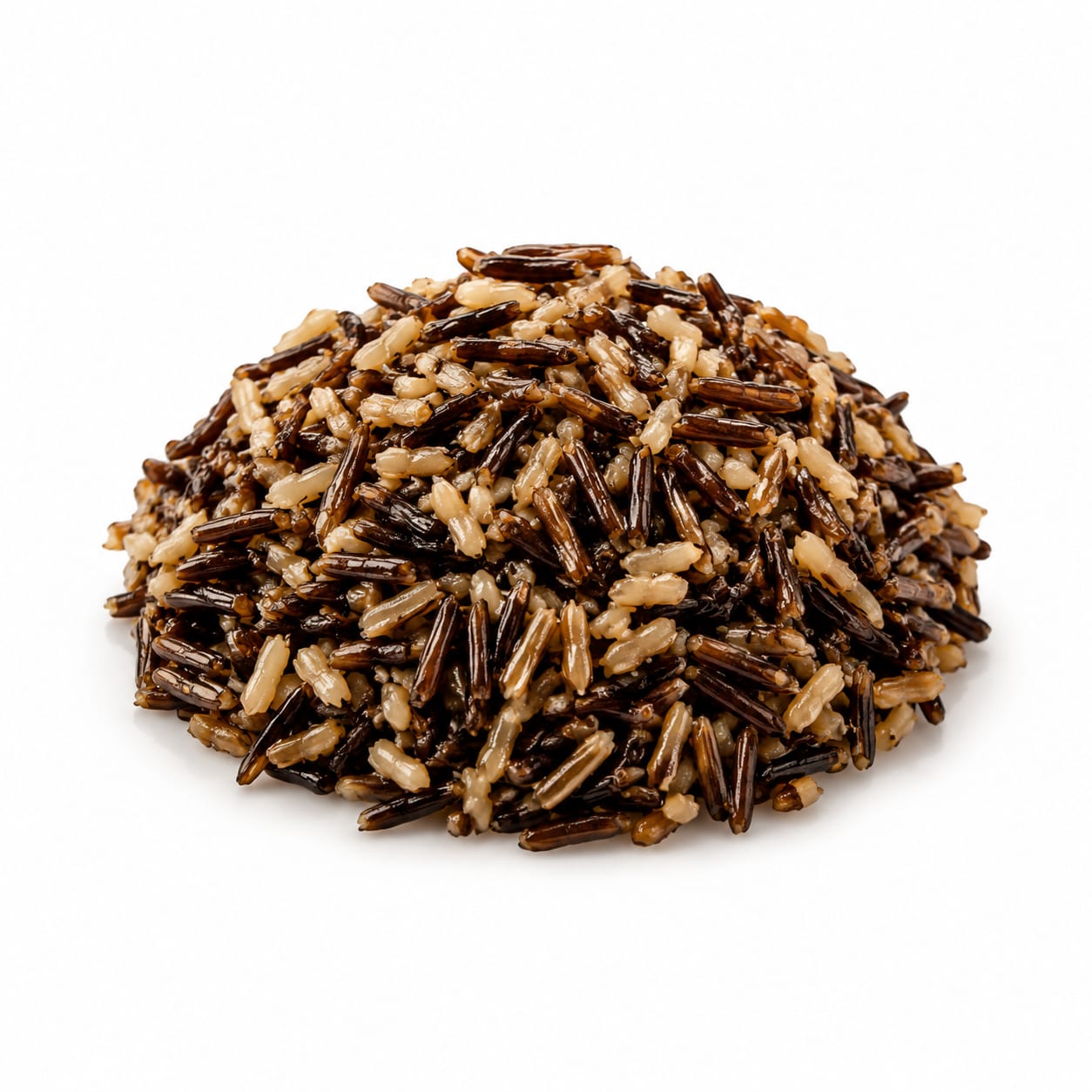
Wild Rice
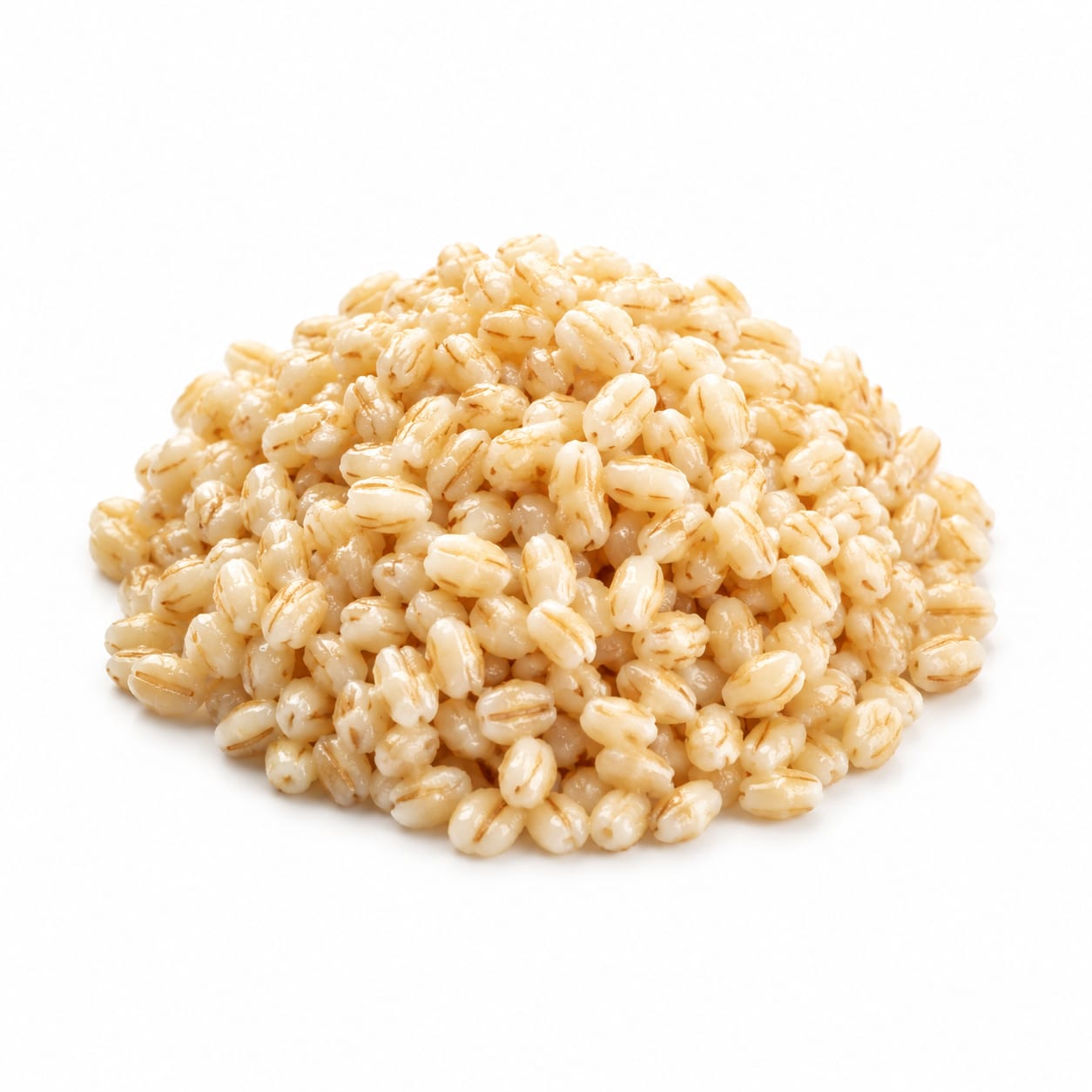
Barley
Barley is the fiber and blood sugar champion, while Wild Rice is the gluten-free, protein-rich alternative.
Barley scores higher due to its exceptional beta-glucan fiber content, which strongly supports heart and metabolic health. Wild Rice remains a strong contender, especially for those avoiding gluten, but lacks the same fiber density.
Massive fiber and cholesterol benefits of Barley versus the gluten-free safety and higher protein density of Wild Rice.
At a glance
Executive summary
Overall
It depends
Healthier
Barley
More practical
Barley
Daily use
Barley
Key comparison lenses
Blood sugar and cholesterol management
Barley is uniquely high in beta-glucan fiber, making this a critical health differentiator
Gluten tolerance and dietary restrictions
Wild Rice is naturally gluten-free while Barley contains gluten, a dealbreaker for many
Digestive health and satiety
The massive difference in total fiber content directly impacts fullness and gut health
Budget and everyday practicality
Wild Rice is a premium-priced grain, whereas Barley is one of the most affordable
Best choice for
Wild Rice
- Gluten-free diets
- Celiac disease
- Higher protein per calorie needs
- Low-sodium diets
Barley
- Lowering cholesterol
- Blood sugar control
- Weight loss
- Budget-friendly meal prep
Least suitable for
Wild Rice
- Budget-conscious households
- Quick weeknight dinners
Barley
- Celiac disease
- Gluten intolerance
- Wheat allergies
Deep comparison
Dimension by dimension
Each lens scores both foods and breaks down who each option suits.
- Dimension 1 · Priority 95Barley
Blood Sugar & Cholesterol Control
Wild Rice · 70Barley · 95Barley is a powerhouse for blood sugar stability and lowering cholesterol, thanks to its abundant beta-glucan soluble fiber.
Tradeoff
You miss out on beta-glucan benefits with Wild Rice, though Wild Rice still has a lower glycemic index than most refined grains.
Why it matters
Soluble fiber physically slows digestion and binds cholesterol in the gut, leading to steadier energy and better heart health.
Real-world impact
Eating Barley regularly can noticeably reduce afternoon energy crashes and improve cholesterol numbers at your next checkup.
Wild Rice
- Maintaining steady energy without gluten
Better for
- Significant cholesterol reduction
- Managing severe blood sugar issues
Worse for
Barley
- Lowering LDL cholesterol
- Managing type 2 diabetes
- Preventing insulin spikes
Better for
- Those with celiac disease who cannot tolerate any gluten
Worse for
- Dimension 2 · Priority 90Barley
Fiber & Digestive Health
Wild Rice · 65Barley · 92Barley provides significantly more total and soluble fiber, making it far more effective for gut health and fullness.
Tradeoff
Wild Rice offers decent fiber but is mostly insoluble, meaning it helps bowel movements but doesn't offer the same deep satiety or cholesterol-lowering effects as Barley.
Why it matters
High soluble fiber keeps you full for hours and feeds beneficial gut bacteria, which impacts everything from mood to immunity.
Real-world impact
A bowl of Barley soup will keep you full far longer than a similar portion of Wild Rice, reducing the urge to snack before dinner.
Wild Rice
- Lighter meals where you don't want to feel overly stuffed
Better for
- Resolving constipation
- Maximizing satiety
Worse for
Barley
- Improving gut regularity
- Staying full between meals
- Feeding beneficial gut bacteria
Better for
- People with IBS who are sensitive to high amounts of soluble fiber
Worse for
- Dimension 3 · Priority 85Wild Rice
Gluten Tolerance & Allergies
Wild Rice · 100Barley · 0Wild Rice is naturally 100% gluten-free, making it safe for celiacs, whereas Barley contains gluten and must be strictly avoided.
Tradeoff
Choosing Wild Rice means giving up Barley's fiber benefits, but it's a non-negotiable swap for anyone with celiac disease or gluten sensitivity.
Why it matters
For people with celiac disease, consuming gluten causes severe intestinal damage, making nutritional benefits irrelevant if the food makes you sick.
Real-world impact
If you have a gluten intolerance, Wild Rice lets you enjoy a hearty grain bowl without the bloating, brain fog, or digestive distress Barley would cause.
Wild Rice
- Celiac disease management
- Gluten-free lifestyles
- Avoiding wheat-family allergens
Better for
Barley
- Celiac disease
- Non-celiac gluten sensitivity
- Wheat allergy cross-reactivity
Worse for
- Dimension 4 · Priority 75It depends
Protein & Micronutrient Density
Wild Rice · 82Barley · 78Wild Rice edges out Barley in protein content per serving and is richer in certain antioxidants, while Barley offers more B vitamins and minerals.
Tradeoff
Wild Rice gives you slightly more building blocks for muscle, but Barley delivers more metabolic-supporting B vitamins alongside its fiber.
Why it matters
Protein helps maintain muscle and keeps you satisfied, while B vitamins are crucial for converting food into energy.
Real-world impact
Athletes might appreciate the extra protein in Wild Rice for recovery, while the B vitamins in Barley help combat everyday fatigue.
Wild Rice
- Plant-based protein intake
- Antioxidant variety
Better for
- Getting high amounts of B vitamins from grains
Worse for
Barley
- Boosting B-vitamin intake
- Increasing iron and magnesium consumption
Better for
- Maximizing protein per calorie
Worse for
- Dimension 5 · Priority 70Barley
Practicality & Cost
Wild Rice · 55Barley · 85Barley is cheap, widely available, and cooks relatively fast (especially pearled), while Wild Rice is expensive and takes longer to cook.
Tradeoff
Wild Rice is a luxury ingredient that can stretch a budget, whereas Barley is one of the most cost-effective ways to add bulk and nutrition to meals.
Why it matters
If a healthy food is too expensive or time-consuming to cook, you are less likely to eat it regularly.
Real-world impact
You can make a massive pot of barley soup for just a few dollars, while the same volume of Wild Rice would cost significantly more and take longer to prepare.
Wild Rice
- Special occasion side dishes
- Gourmet presentation
Better for
- Feeding a large family on a budget
- Quick cooking needs
Worse for
Barley
- Budget meal prep
- Bulk cooking
- Quick weeknight sides (pearled barley)
Better for
- High-end culinary presentation
Worse for
Timeline
Health impact over time
Short-term
Hours to days
Wild Rice
- Provides steady, clean energy without bloating for gluten-sensitive individuals
- Lighter digestive feel due to lower fiber content
Barley
- High satiety and fullness after eating
- Can cause temporary bloating or gas if you aren't used to high fiber
Long-term
Months to years
Wild Rice
- Supports muscle maintenance with higher protein density
- Provides antioxidant protection from unique phytonutrients
Barley
- Significantly lowers LDL cholesterol and improves heart health
- Improves long-term blood sugar regulation and reduces diabetes risk
Risk profile
Safety & processing
Both Wild Rice and Barley are whole, natural grains with minimal processing and no artificial additives. Note that pearled Barley has its bran removed, making it more processed than hulled Barley, so opt for hulled for maximum health benefits.
Wild Rice
Arsenic contamination
lowLike many grains grown in water, Wild Rice can contain trace amounts of arsenic, but generally much lower than brown rice. Rinsing thoroughly reduces this.
Barley
Gluten cross-contamination
mediumBarley contains gluten inherently, and commercial grains are often cross-contaminated with wheat, posing a risk for those with severe celiac disease.
Pesticide residue
lowConventionally grown Barley may carry pesticide residues; washing or choosing organic mitigates this.
Who wins for whom
Audience fit
Same foods, different winners depending on your goal.
children
It dependsBarley is great for growing kids needing fiber and B vitamins, but Wild Rice is essential for gluten-free kids; both require monitoring for choking hazard if not cooked soft enough.
daily consumption
BarleyBarley is more affordable and offers stronger daily cardiovascular and metabolic protection for the general population.
diabetes
BarleyThe beta-glucan in Barley dramatically slows sugar absorption, making it one of the best grains for blood sugar control.
elderly
BarleyBarley's cholesterol-lowering and digestive benefits are highly protective for aging bodies, provided they tolerate gluten.
muscle gain
Wild RiceWild Rice has a slightly higher protein content per calorie, offering a bit more support for muscle repair.
weight loss
BarleyBarley's massive soluble fiber content keeps you full for hours, naturally reducing overall calorie intake.
Your move
Decision guide
Choose Wild Rice
- You have celiac disease or gluten sensitivity
- You want a lighter grain with a nutty flavor and slightly more protein
- Budget is not a primary concern
Choose Barley
- You want to lower your cholesterol or manage diabetes
- You need a budget-friendly, filling grain for meal prep
- You have no issues with gluten
Either works if
- You want a hearty base for soups and stews
- You are looking for whole-grain alternatives to white rice or pasta
Avoid both if
- You are on a strict low-carb or ketogenic diet
- You have severe grain allergies
Final recommendation
Choose Barley for its unmatched fiber and heart health benefits if gluten isn't a concern. Opt for Wild Rice if you need a gluten-free, protein-rich grain that feels lighter on the stomach.
Practical
Consumer tips
- 1
Rinse Wild Rice thoroughly before cooking to reduce any potential arsenic and improve texture.
- 2
Choose hulled Barley over pearled Barley; hulled retains the bran layer where most fiber and nutrients live.
- 3
Mix Wild Rice and Brown Rice for a more affordable, gluten-free alternative to 100% Wild Rice.
- 4
Cook a large batch of Barley on Sunday to add to soups and salads throughout the week for easy fiber boosts.
- 5
If transitioning to Barley, start with smaller portions to let your gut adjust to the high fiber content and avoid bloating.