
Nutrition comparison
Wild Rice vs Black Rice: Nutrition, Antioxidants & Health Benefits
Comparing Wild Rice and Black Rice? Discover which grain has more protein, which is richer in antioxidants, and which is safer for daily consumption.
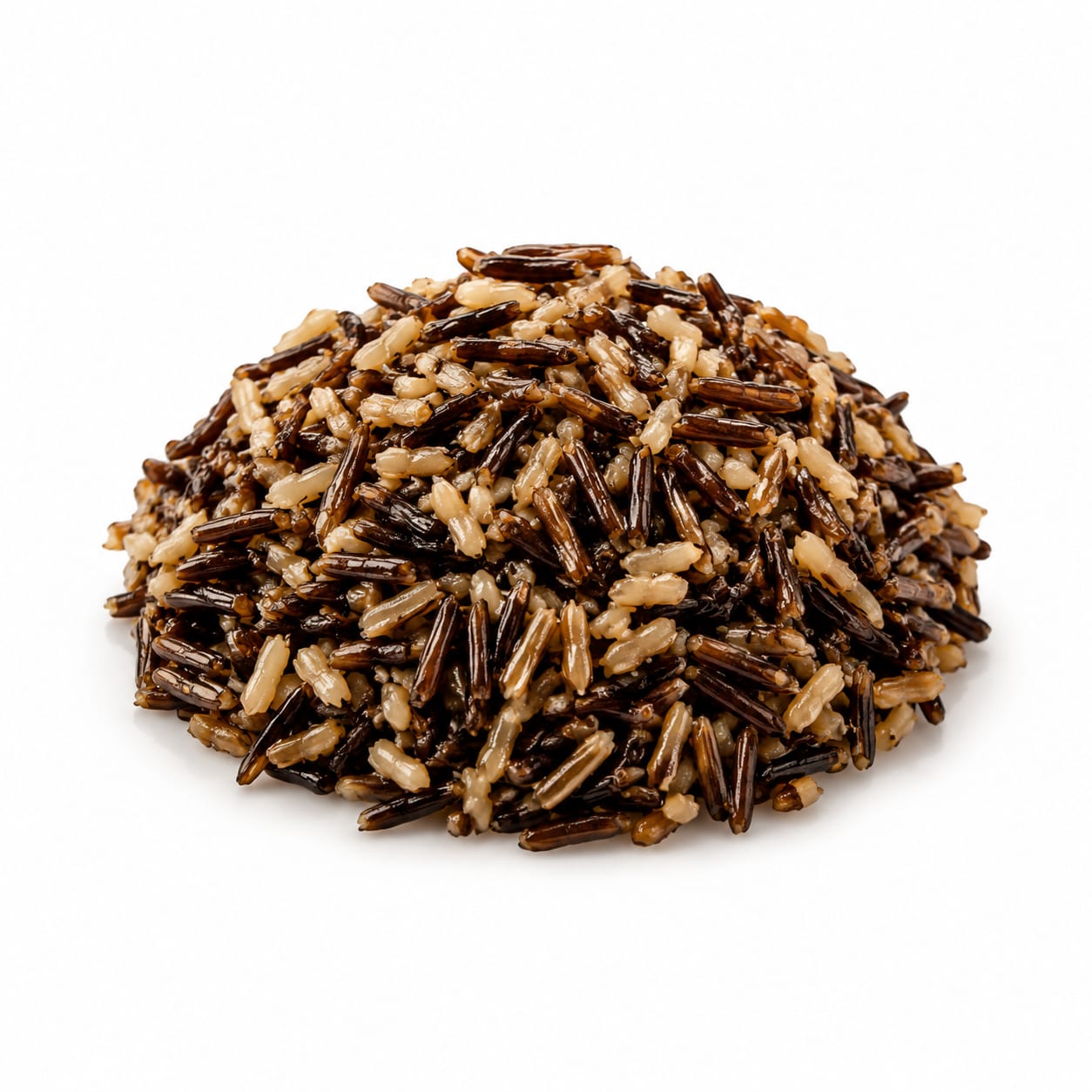
Wild Rice
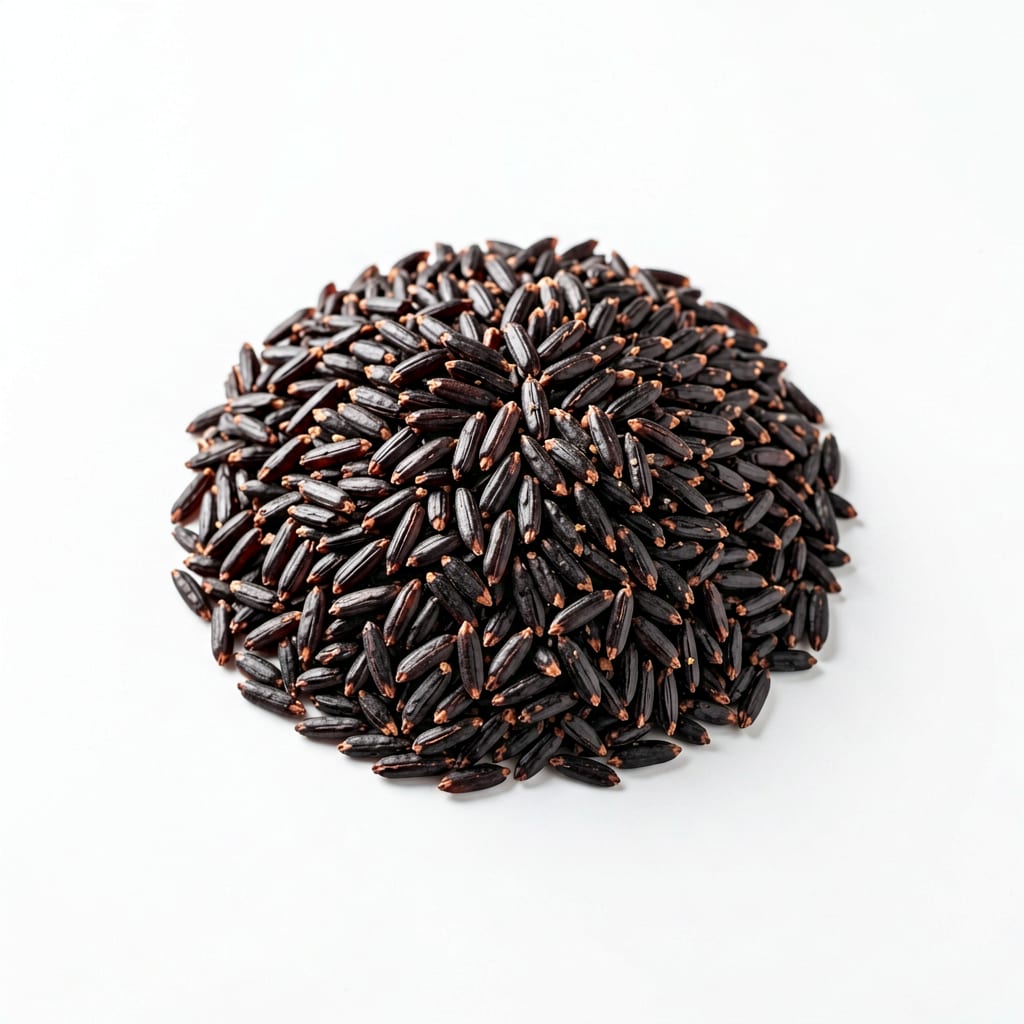
Black Rice
Black Rice is the antioxidant powerhouse, while Wild Rice is the protein and fiber champion.
Black Rice scores slightly higher overall due to its massive antioxidant advantage and easier cooking process, but Wild Rice remains an exceptional choice for protein and safety, keeping the scores very close.
You trade the deep purple anthocyanin benefits and softer texture of Black Rice for the higher protein, chewier bite, and lower arsenic risk of Wild Rice.
At a glance
Executive summary
Overall
It depends
Healthier
It depends
More practical
Black Rice
Daily use
Black Rice
Key comparison lenses
Antioxidant and anti-aging benefits
Black Rice is famously rich in anthocyanins, making its antioxidant profile a primary reason people choose it over other grains
Protein and satiety for plant-based diets
Wild Rice is surprisingly high in protein for a grain, making it a key player for vegetarians and vegans seeking fullness
Heavy metal and arsenic exposure
Both are rice-like grains, and arsenic contamination is a valid concern for regular consumers of rice products
Culinary texture and cooking practicality
Wild Rice has a very distinct chewy texture and long cook time, while Black Rice cooks more like standard whole grain rice
Best choice for
Wild Rice
- Plant-based eaters needing extra protein
- People concerned about arsenic in their grain supply
- Those who love a firm, chewy texture in grain bowls and salads
Black Rice
- Anyone focused on anti-aging and cellular defense
- People wanting a visually striking, naturally purple side dish
- Those who prefer a softer, more traditional rice texture
Least suitable for
Wild Rice
- Quick weeknight dinners due to the long cook time
- People who dislike chewy or firm grains
- Those looking for a mild, neutral background flavor
Black Rice
- People who hate doing dishes, as it stains pots purple
- Those strictly limiting carbohydrate intake
- Individuals needing a high-protein grain alternative
Deep comparison
Dimension by dimension
Each lens scores both foods and breaks down who each option suits.
- Dimension 1 · Priority 95Black Rice
Antioxidant Density
Wild Rice · 55Black Rice · 98Black Rice is one of the most antioxidant-rich grains on the planet, while Wild Rice offers some antioxidants but nowhere near the same level.
Tradeoff
Choosing Wild Rice means missing out on the massive anthocyanin boost that gives Black Rice its famous purple color and cell-protecting power.
Why it matters
Anthocyanins protect your cells from daily wear and tear, acting like an internal shield against aging and inflammation.
Real-world impact
Eating Black Rice regularly can help reduce systemic inflammation, making you feel less puffy and achy over time.
Wild Rice
- Getting a broader mix of phenolic acids
Better for
- Maximizing antioxidant intake per serving
Worse for
Black Rice
- Fighting oxidative stress
- Anti-aging benefits
- Reducing chronic inflammation
Better for
- Those who assume all dark grains are equal in phytonutrients
Worse for
- Dimension 2 · Priority 88Wild Rice
Protein and Satiety
Wild Rice · 88Black Rice · 68Wild Rice delivers noticeably more protein per serving, keeping you fuller for longer.
Tradeoff
You get more muscle-feeding, hunger-crushing protein from Wild Rice, but less of the antioxidant benefits found in Black Rice.
Why it matters
Higher protein grains prevent the afternoon energy crash by slowing down digestion and keeping blood sugar steady.
Real-world impact
A bowl of Wild Rice at lunch will likely keep you satisfied until dinner, whereas Black Rice might leave you hunting for a snack a bit sooner.
Wild Rice
- Staying full between meals
- Plant-based muscle maintenance
- Balancing blood sugar with protein
Better for
- Being a complete protein source on its own
Worse for
Black Rice
- Lighter meals where you don't want to feel overly stuffed
Better for
- Serving as a primary protein source in a meal
Worse for
- Dimension 3 · Priority 80It depends
Blood Sugar Stability
Wild Rice · 82Black Rice · 80Both are excellent whole grains that digest slowly, though Wild Rice has a slight edge due to its higher fiber and protein content.
Tradeoff
Wild Rice offers slightly steadier energy, but Black Rice is still a massive upgrade over white or brown rice.
Why it matters
Slow-digesting grains prevent the spike-and-crash cycle that triggers sugar cravings and fatigue.
Real-world impact
Neither will give you a food coma, making both safe choices for a midday work lunch.
Wild Rice
- Diabetics seeking the lowest possible glycemic response
- Sustained energy for long hikes
Better for
- Those who need quick energy right after a workout
Worse for
Black Rice
- A pre-workout carb source that digests slightly faster
Better for
- Highly insulin-resistant individuals looking to maximize fiber intake
Worse for
- Dimension 4 · Priority 75Black Rice
Cooking Practicality
Wild Rice · 50Black Rice · 78Black Rice cooks much like brown rice, while Wild Rice takes nearly an hour and requires a specific texture preference.
Tradeoff
Black Rice is ready faster and has a more universally appealing texture, but Wild Rice offers a unique chewiness that holds up beautifully in soups and salads.
Why it matters
If a grain takes too long to cook, you are less likely to choose it on a busy Tuesday night.
Real-world impact
You can get Black Rice on the table in 30 minutes, whereas Wild Rice usually requires planning ahead or using a pressure cooker.
Wild Rice
- Meal prep, as it holds its texture for days in the fridge
- Hearty winter soups
Better for
- Spontaneous cooking
- People who dislike al dente grains
Worse for
Black Rice
- Quick weeknight dinners
- Serving as a simple side dish
Better for
- Cold salads where you want a distinct, firm chew
Worse for
- Dimension 5 · Priority 82Wild Rice
Heavy Metal Exposure
Wild Rice · 85Black Rice · 65Wild Rice is technically a grass and generally absorbs far less arsenic from water than true rice varieties like Black Rice.
Tradeoff
Choosing Wild Rice significantly lowers your heavy metal exposure, which is especially important if you eat grains daily.
Why it matters
Arsenic accumulates in the body over time and is linked to various chronic health issues, making it a hidden risk in regular rice consumption.
Real-world impact
If you eat rice multiple times a week, swapping to Wild Rice reduces your long-term toxic load considerably.
Wild Rice
- Daily grain eaters looking to minimize arsenic
- Families with young children
Better for
- Nothing notable, it is the safer choice in this regard
Worse for
Black Rice
- Occasional eaters where arsenic accumulation is minimal
Better for
- People who eat rice as a daily staple
Worse for
Timeline
Health impact over time
Short-term
Hours to days
Wild Rice
- Very filling due to high protein and fiber, reducing snacking urges
- Provides steady, jitter-free energy without a carb crash
Black Rice
- Provides a steady source of complex carbohydrates
- The rich color indicates a high dose of cell-protecting antioxidants right away
Long-term
Months to years
Wild Rice
- Lower arsenic load reduces long-term toxicity risks
- Supports muscle maintenance and metabolic health through higher protein intake
Black Rice
- High anthocyanin intake protects against cellular aging and chronic inflammation
- Supports cardiovascular health by protecting blood vessels from oxidative damage
Risk profile
Safety & processing
Both Wild Rice and Black Rice are whole grains consumed in their natural state with the bran intact, meaning no artificial additives and maximum nutrient retention.
Wild Rice
Arsenic contamination
lowAs an aquatic grass, Wild Rice can absorb arsenic, but it naturally accumulates far less than true rice varieties, making it a safer regular choice.
Black Rice
Arsenic contamination
mediumBlack Rice is a true rice and is susceptible to absorbing inorganic arsenic from soil and water, requiring thorough washing and sourcing from low-arsenic regions like California.
Who wins for whom
Audience fit
Same foods, different winners depending on your goal.
children
Black RiceBlack Rice turns a fun purple color when cooked and has a softer texture that kids prefer over the chewy bite of Wild Rice.
daily consumption
Wild RiceDue to the lower arsenic risk, Wild Rice is safer to eat on a daily basis compared to true rice varieties.
diabetes
It dependsBoth have a low glycemic index, but Wild Rice has slightly more fiber and protein to blunt blood sugar spikes, while Black Rice offers vascular protection from antioxidants.
elderly
Black RiceBlack Rice is easier to chew and digest, and its antioxidants support vascular and cognitive health in aging adults.
muscle gain
Wild RiceWild Rice provides more protein per serving, which is essential for muscle repair and growth, especially on a plant-based diet.
weight loss
Wild RiceWild Rice has slightly fewer calories per serving and more protein, making it more satiating and easier to stick to in a calorie deficit.
Your move
Decision guide
Choose Wild Rice
- You want to maximize protein and fiber from your grain
- You eat rice almost every day and want to minimize arsenic exposure
- You love a nutty, chewy texture in your grain bowls and salads
Choose Black Rice
- You want the most antioxidant bang for your buck
- You prefer a softer, more traditional rice texture
- You want a visually stunning, naturally purple dish for entertaining
Either works if
- You just need a nutrient-dense, whole-grain alternative to white rice
- You are mixing it with vegetables and lean protein for a balanced bowl
Avoid both if
- You are strictly limiting carbohydrates on a keto or very low-carb diet
- You have severe digestive issues that make high-fiber grains uncomfortable
Final recommendation
For daily use, Wild Rice is the safer and more filling choice due to its protein edge and lower arsenic risk. However, if you eat rice only a few times a week and want maximum anti-aging benefits, Black Rice is a stunning, antioxidant-rich upgrade. The best approach is often to keep both in your pantry and rotate them based on the meal.
Practical
Consumer tips
- 1
Wash both grains thoroughly under running water before cooking to remove surface starch and potential arsenic.
- 2
Cook Wild Rice like pasta in a large pot of excess water, then drain, to further reduce arsenic levels.
- 3
Mix them together! The black and brown contrast looks beautiful on a plate, and you get the protein of Wild Rice with the antioxidants of Black Rice.
- 4
Buy Black Rice sourced from California, India, or Pakistan, which typically have lower arsenic levels than rice from the southern US.
- 5
Store both in airtight containers in a cool, dark pantry to prevent the natural oils in the bran from going rancid.