
Nutrition comparison
Wild Rice vs Couscous: Nutrition, Satiety, and Which is Healthier
Comparing Wild Rice vs Couscous? Discover which grain is better for blood sugar, weight loss, and quick meals. Learn the nutritional tradeoffs.
Overall winner · Wild Rice
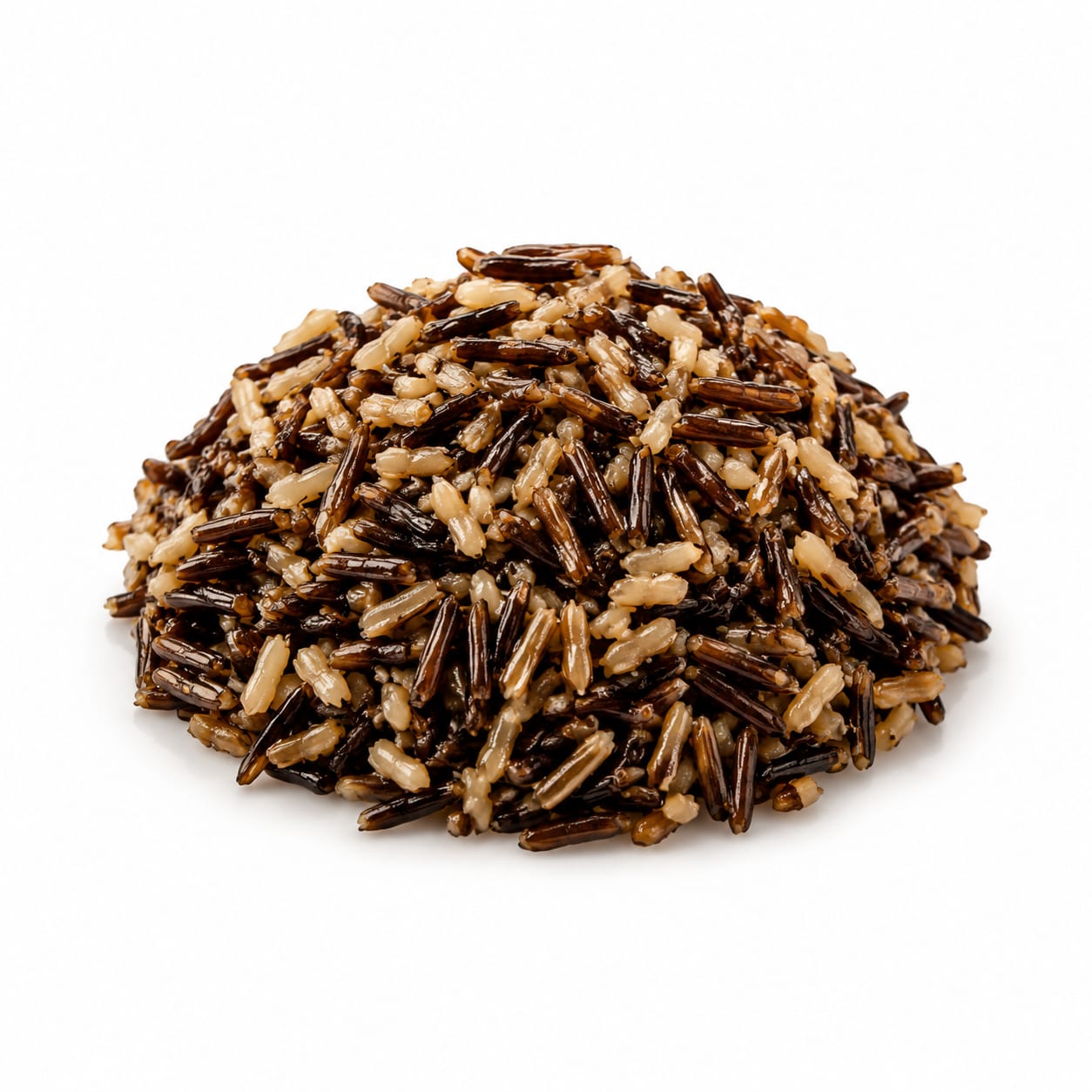
Wild Rice
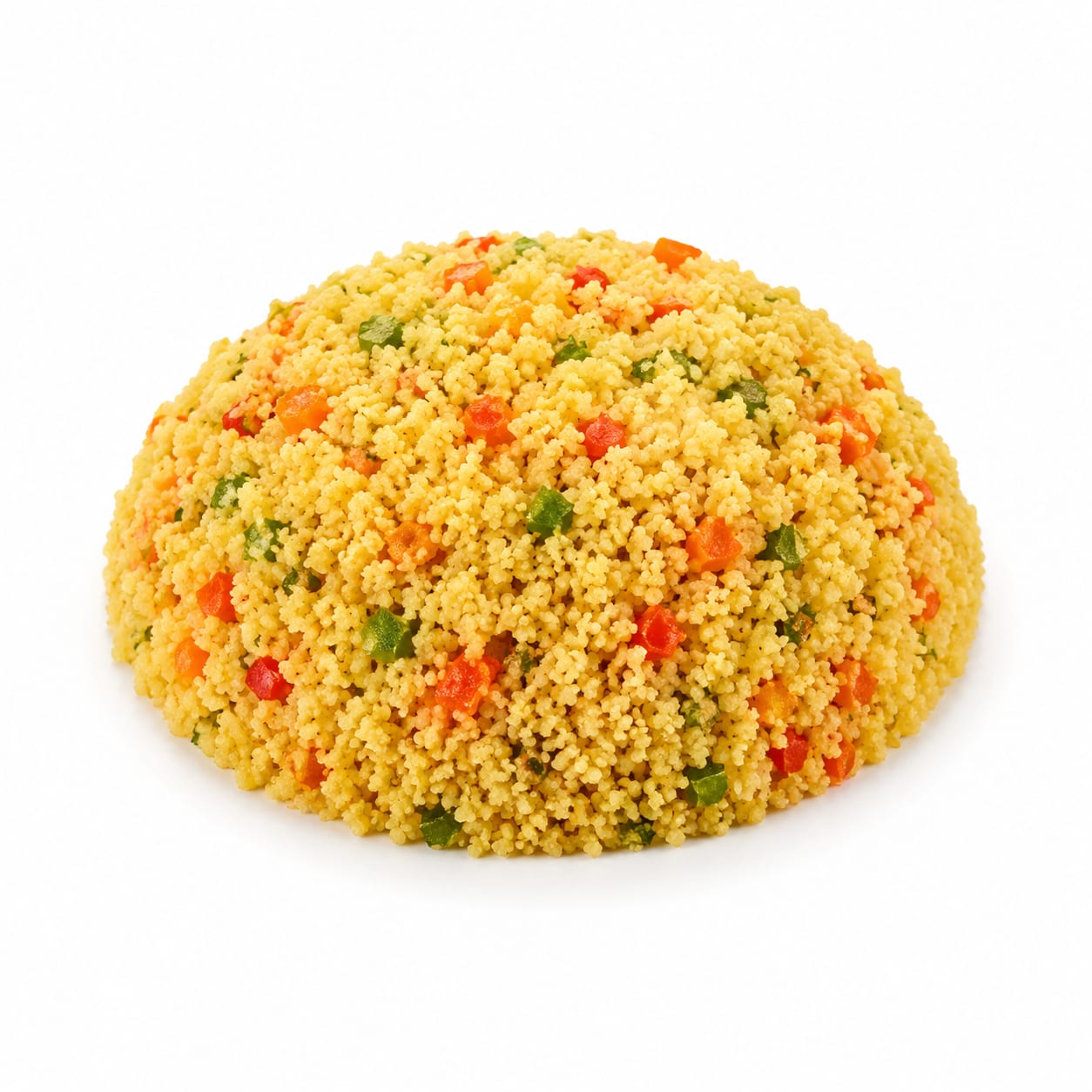
Couscous
Wild Rice delivers far better nutrition and steadier energy, while Couscous wins on speed and convenience.
Wild Rice scores notably higher due to its superior fiber, protein, and antioxidant profile, while Couscous loses points for being a refined grain that spikes blood sugar faster.
You trade 45 minutes of cooking time and a chewier bite for double the fiber, more protein, and better blood sugar control.
At a glance
Executive summary
Overall
Wild Rice
Healthier
Wild Rice
More practical
Couscous
Daily use
Wild Rice
Key comparison lenses
Blood sugar impact and satiety
Grains heavily impact daily energy levels, and the fiber difference between these two dictates how full and stable you feel.
Convenience and weeknight practicality
The massive gap in cooking time often determines which grain actually gets used on a busy Tuesday.
Gluten tolerance and digestive comfort
Couscous contains wheat gluten, making it an immediate dealbreaker for a large subset of eaters.
Nutrient density per calorie
Users choosing grains for health want to know if they are getting vitamins and minerals or just empty starch.
Best choice for
Wild Rice
- Managing blood sugar and avoiding energy crashes
- Gluten-free diets
- High-fiber weight loss strategies
Couscous
- Quick weeknight dinners in under 10 minutes
- Light side dishes for rich stews
- Post-workout carb refueling
Least suitable for
Wild Rice
- Last-minute meals when you are starving
- Soft-food dental diets
Couscous
- Celiac disease or gluten intolerance
- Diabetes management
- Low-carb or keto diets
Deep comparison
Dimension by dimension
Each lens scores both foods and breaks down who each option suits.
- Dimension 1 · Priority 95Wild Rice
Blood Sugar & Satiety
Wild Rice · 88Couscous · 45Wild Rice digests slowly, keeping you full for hours. Couscous digests quickly, which can lead to a rapid energy crash.
Tradeoff
Couscous gives you quick energy but leaves you hungry sooner; Wild Rice provides a slow, steady burn.
Why it matters
Steady energy prevents the afternoon slump and reduces cravings between meals.
Real-world impact
A Wild Rice lunch keeps you satisfied until dinner. A Couscous lunch might have you reaching for a snack by 3 PM.
Wild Rice
- Avoiding afternoon energy crashes
- Staying full between meals
Better for
- When you need immediate fast energy after a tough workout
Worse for
Couscous
- Quick pre-workout carb fuel
Better for
- Sustained focus during long work sessions
Worse for
- Dimension 2 · Priority 85Wild Rice
Nutrient Density & Antioxidants
Wild Rice · 90Couscous · 40Wild Rice is packed with antioxidants, zinc, and folate. Regular Couscous is mostly empty starch.
Tradeoff
You get significantly more vitamins and minerals per calorie with Wild Rice, whereas Couscous acts mostly as a calorie vehicle.
Why it matters
Higher nutrient density means your body gets the tools it needs to thrive, not just calories to survive.
Real-world impact
Eating Wild Rice actively supports your immune system and metabolism, while Couscous just fills your stomach.
Wild Rice
- Boosting immune function
- Getting more nutrition per bite
Better for
- Those who need low-fiber calories after digestive surgery
Worse for
Couscous
- Easily taking in calories for weight gain
Better for
- Preventing nutrient gaps in a calorie-controlled diet
Worse for
- Dimension 3 · Priority 80Couscous
Convenience & Prep Time
Wild Rice · 30Couscous · 95Couscous cooks in 5 minutes by just adding boiling water. Wild Rice takes 45-50 minutes to simmer.
Tradeoff
Couscous is a weeknight dinner hero, while Wild Rice requires planning ahead or batch cooking.
Why it matters
When you are hungry and tired, a 45-minute cook time often leads to unhealthy takeout choices.
Real-world impact
You can have Couscous on the table faster than delivery. Wild Rice needs to be made on Sunday for Monday's lunch.
Wild Rice
- Batch cooking on weekends
Better for
- Exhausted weeknights
- Sudden hunger
Worse for
Couscous
- Getting dinner on the table in under 10 minutes
- Camping or travel meals
Better for
- Weekend meal prep when time isn't a factor
Worse for
- Dimension 4 · Priority 75Wild Rice
Gluten & Digestive Tolerance
Wild Rice · 95Couscous · 20Wild Rice is naturally gluten-free and easy on the gut. Couscous is made from wheat and contains gluten.
Tradeoff
If you have celiac disease or gluten sensitivity, Couscous is off the table entirely.
Why it matters
Gluten can cause severe inflammation and digestive distress for a significant portion of the population.
Real-world impact
Wild Rice is a safe, comforting grain for sensitive stomachs. Couscous can cause bloating or worse for those with wheat issues.
Wild Rice
- Celiac disease
- Gluten sensitivity
- Reducing bloating
Better for
- Those who prefer the soft texture of pasta
Worse for
Couscous
- Those with no wheat allergies who want a light texture
Better for
- Anyone avoiding gluten or wheat
Worse for
Timeline
Health impact over time
Short-term
Hours to days
Wild Rice
- Sustained energy without a sugar crash
- Feeling comfortably full for hours
Couscous
- Quick energy replenishment
- Potential for hunger returning quickly
Long-term
Months to years
Wild Rice
- Better blood sugar management
- Improved digestive regularity from high fiber
Couscous
- Risk of elevated blood sugar if eaten in large portions frequently
- Potential nutrient shortfalls if replacing whole grains
Risk profile
Safety & processing
Wild Rice is a whole, unrefined grass seed. Couscous is a processed pasta made from refined wheat flour, though it contains no artificial additives.
Wild Rice
Arsenic contamination
lowWild Rice generally has lower arsenic levels than brown or white rice, but rinsing before cooking is still a good practice.
Couscous
Gluten cross-reactivity
mediumContains wheat gluten, which triggers autoimmune responses in those with celiac disease.
Who wins for whom
Audience fit
Same foods, different winners depending on your goal.
children
CouscousKids often prefer the soft, pasta-like texture of Couscous over the chewy, nutty bite of Wild Rice.
daily consumption
Wild RiceThe superior nutritional profile and steady energy make Wild Rice a better everyday staple, provided you have the time to cook it.
diabetes
Wild RiceWild Rice has a much lower glycemic index, preventing the dangerous blood sugar spikes caused by Couscous.
elderly
It dependsWild Rice offers better nutrients for aging bodies, but Couscous is easier to chew for those with dental issues.
muscle gain
It dependsCouscous is great for quick post-workout carb refueling, but Wild Rice offers more protein per serving for muscle repair.
weight loss
Wild RiceThe high fiber and protein in Wild Rice keep you full on fewer calories, making it easier to stick to a deficit.
Your move
Decision guide
Choose Wild Rice
- You want to stay full and avoid sugar crashes
- You are gluten-free or cooking for someone who is
- You are meal prepping for the week ahead
Choose Couscous
- You need a side dish in under 10 minutes
- You are cooking for kids who reject chewy grains
- You need a quick carb boost after an intense workout
Either works if
- You want a base for a hearty vegetable and protein bowl
- You are mixing grains for a textured salad
Avoid both if
- You are on a strict ketogenic or very low-carb diet
Final recommendation
Make Wild Rice your default for health and satiety, but keep Couscous in your pantry for those nights when cooking feels impossible.
Practical
Consumer tips
- 1
Cook Wild Rice in big batches and freeze portions to solve the long cook time problem.
- 2
Opt for whole wheat Couscous if you want the quick prep time with better nutritional value.
- 3
Rinse Wild Rice before cooking to remove any debris and improve texture.
- 4
Toast Couscous in a bit of olive oil before adding water for a richer, nuttier flavor.