
Nutrition comparison
Wild Rice vs Basmati Rice: Nutrition, Blood Sugar, and Which to Choose
Compare Wild Rice and Basmati Rice on fiber, protein, glycemic impact, arsenic risk, and cost. Find out which grain fits your health goals and lifestyle better.
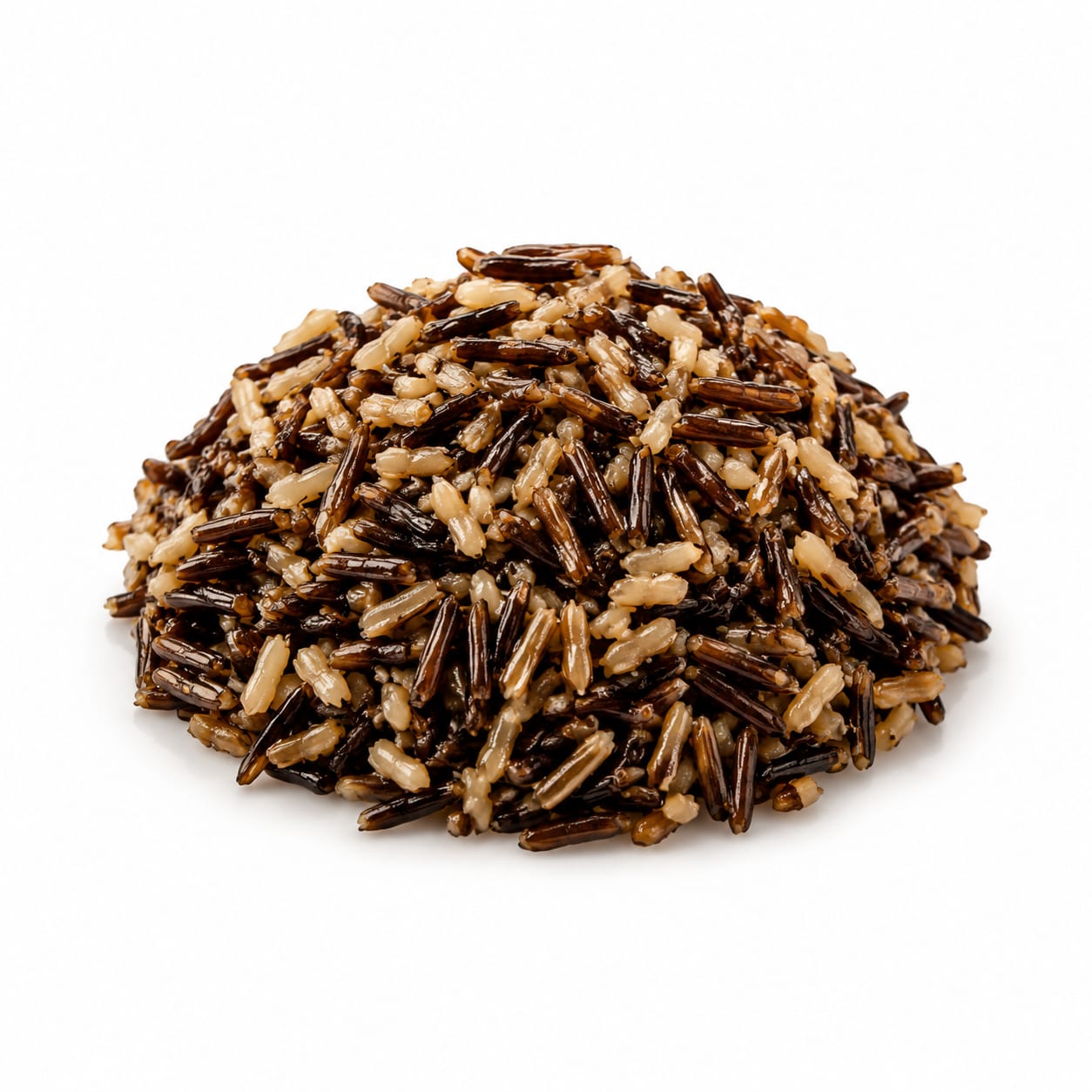
Wild Rice
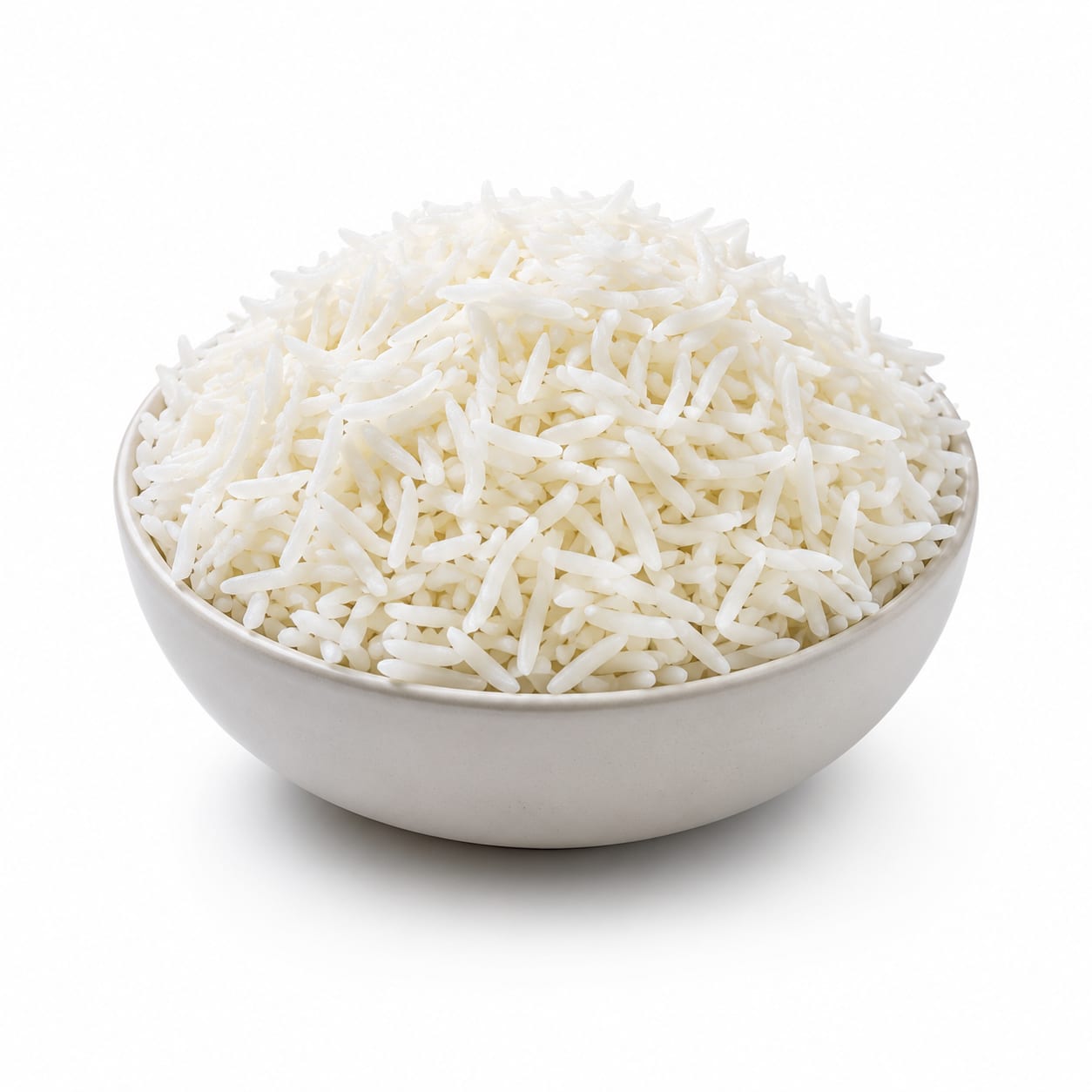
Basmati Rice
Wild Rice wins on nutrition and blood sugar stability, but Basmati Rice wins on convenience, cost, and everyday versatility.
Wild Rice scores higher due to superior fiber, protein, and micronutrient content, but Basmati Rice remains competitive because of its practicality, lower cost, and cultural versatility. The gap reflects nutritional advantage versus everyday convenience.
You trade faster cooking and softer texture for more fiber, protein, and steadier energy.
At a glance
Executive summary
Overall
It depends
Healthier
Wild Rice
More practical
Basmati Rice
Daily use
Basmati Rice
Key comparison lenses
blood sugar management
Both are carb-heavy staples, so glycemic impact is the primary concern for most users choosing between them
nutrient density tradeoffs
Wild Rice offers significantly more vitamins and minerals per calorie, while Basmati Rice provides easier energy
satiety and portion control
Fiber and protein differences directly affect how full you feel and how much you end up eating
meal versatility and convenience
Cooking time, texture, and flavor compatibility affect which one fits daily cooking routines
arsenic and contamination safety
Rice is a known source of arsenic exposure, and this varies significantly between rice types
Best choice for
Wild Rice
- People managing diabetes or insulin resistance
- Anyone wanting more protein from grain sources
- Those prioritizing nutrient density per calorie
- Weight loss seekers who need higher satiety
- Antioxidant-focused eaters
Basmati Rice
- Families needing affordable staple carbs
- Athletes needing quick digesting energy
- People with sensitive digestion who need softer grains
- Busy cooks wanting faster meal prep
- Anyone following South Asian or Middle Eastern cuisine traditions
Least suitable for
Wild Rice
- People on tight grocery budgets
- Anyone needing quick 15-minute meals
- Those who dislike chewy or firm grain textures
- Sensitive digestion that struggles with high fiber
Basmati Rice
- People strictly managing blood sugar
- Those needing high fiber intake
- Anyone avoiding arsenic exposure
- Low-carb or keto-adjacent eaters
Deep comparison
Dimension by dimension
Each lens scores both foods and breaks down who each option suits.
- Dimension 1 · Priority 95Wild Rice
Blood Sugar Stability
Wild Rice · 82Basmati Rice · 58Wild Rice digests slowly and causes gentler blood sugar rises. Basmati Rice, even the brown variety, raises blood sugar faster.
Tradeoff
Basmati Rice gives quicker energy after meals, but that energy fades faster and may trigger cravings sooner.
Why it matters
If you get sleepy after carb-heavy meals or struggle with afternoon energy crashes, this difference is very noticeable.
Real-world impact
A Wild Rice bowl keeps you steady for 3-4 hours. Basmati Rice may have you reaching for a snack within 2 hours.
Wild Rice
- Diabetics and prediabetics
- People who get post-meal energy crashes
- Anyone trying to reduce sugar cravings
Better for
- Situations requiring rapid energy delivery
Worse for
Basmati Rice
- Endurance athletes needing fast glycogen replenishment
- Post-workout recovery meals
- Underweight individuals needing easy calories
Better for
- Sedentary evenings when excess glucose gets stored as fat
- Anyone monitoring HbA1c levels
Worse for
- Dimension 2 · Priority 90Wild Rice
Nutrient Density
Wild Rice · 88Basmati Rice · 45Wild Rice delivers significantly more protein, fiber, zinc, folate, magnesium, and antioxidants per serving than Basmati Rice.
Tradeoff
Basmati Rice is mostly energy with minimal micronutrients, while Wild Rice functions almost like a supplement disguised as a grain.
Why it matters
If grains are a major part of your diet, choosing the more nutrient-dense option compounds benefits over years.
Real-world impact
Replacing Basmati Rice with Wild Rice a few times a week meaningfully increases your weekly intake of zinc, folate, and magnesium.
Wild Rice
- Vegetarians needing plant-based protein and minerals
- Anyone eating grain-heavy diets with limited vegetable variety
- Pregnant women needing extra folate
Better for
- Overconsumption risk if you treat it like a superfood and ignore portion sizes
Worse for
Basmati Rice
- Scenarios where calories are the priority over micronutrients
- Refeeding after illness when easy digestion matters
Better for
- Long-term nutrient gaps if Basmati Rice is your only grain
Worse for
- Dimension 3 · Priority 87Wild Rice
Satiety and Fullness
Wild Rice · 84Basmati Rice · 55Wild Rice keeps you full longer due to its higher fiber and protein content. Basmati Rice is easier to overeat because it is less filling per calorie.
Tradeoff
Basmati Rice feels lighter in the stomach, which can be pleasant or problematic depending on your goals.
Why it matters
If you frequently eat until stuffed rather than satisfied, the food that fills you faster with fewer calories is a clear advantage.
Real-world impact
A cup of cooked Wild Rice feels substantially more satisfying than a cup of Basmati Rice, despite similar calorie counts.
Wild Rice
- Weight management and portion control
- People who snack excessively between meals
- Anyone trying to eat less without feeling deprived
Better for
- Large servings that feel overly heavy
Worse for
Basmati Rice
- Light meals before exercise when you don't want to feel heavy
- Hot weather eating when heavy meals feel unappealing
Better for
- Mindless overeating because it's easy to keep going back for more
Worse for
- Dimension 4 · Priority 80Basmati Rice
Practicality and Convenience
Wild Rice · 42Basmati Rice · 88Basmati Rice cooks in 12-15 minutes and pairs with almost any cuisine. Wild Rice takes 40-50 minutes and has a more specific flavor profile.
Tradeoff
You invest more time and planning for Wild Rice, but get more nutrition in return.
Why it matters
On busy weeknights, a 45-minute cook time is a real barrier. Convenience often determines what actually ends up on your plate.
Real-world impact
Basmati Rice is a spontaneous dinner option. Wild Rice requires forethought or batch cooking on weekends.
Wild Rice
- Meal preppers who cook grains in bulk
- Weekend cooking when time is not a constraint
Better for
- Spontaneous cooking sessions
- Small kitchens without multiple burners
Worse for
Basmati Rice
- Weeknight dinners after long workdays
- Last-minute meal assembly
- Families needing food on the table quickly
Better for
- None significant — it is the convenience winner
Worse for
- Dimension 5 · Priority 75Wild Rice
Arsenic and Contamination Safety
Wild Rice · 85Basmati Rice · 52Wild Rice accumulates far less arsenic than true rice varieties. Basmati Rice grown in certain regions can have notable arsenic levels, especially brown Basmati.
Tradeoff
Basmati Rice from California or India tends to be lower in arsenic than rice from the US South, but it still carries more than Wild Rice.
Why it matters
For daily rice eaters, arsenic exposure accumulates over years and affects long-term health risks including certain cancers.
Real-world impact
If you eat rice daily, rotating in Wild Rice significantly reduces your cumulative arsenic exposure.
Wild Rice
- Daily grain eaters concerned about long-term arsenic exposure
- Parents feeding young children frequently
- Anyone with compromised detoxification pathways
Better for
- Potential for heavy metal exposure from certain lake-harvested varieties, though still lower than rice arsenic
Worse for
Basmati Rice
- Occasional consumption where arsenic risk is minimal
Better for
- Daily consumption of brown Basmati Rice from high-arsenic regions
- Infants and toddlers fed rice-based meals regularly
Worse for
- Dimension 6 · Priority 68Wild Rice
Antioxidant Content
Wild Rice · 86Basmati Rice · 30Wild Rice is surprisingly rich in antioxidants, rivaling some fruits. Basmati Rice has minimal antioxidant activity.
Tradeoff
The dark color of Wild Rice signals its antioxidant density. White Basmati Rice has had most antioxidant-containing bran removed.
Why it matters
Antioxidants from whole grains contribute meaningfully to reducing chronic inflammation over decades.
Real-world impact
Regular Wild Rice consumption adds a meaningful antioxidant source that most people do not associate with grains.
Wild Rice
- Anti-aging and longevity-focused diets
- Anyone with chronic inflammation concerns
Better for
- Overstating benefits — it is still a grain, not a berry
Worse for
Basmati Rice
- Situations where antioxidant intake is already high from other foods
Better for
- Missing an easy antioxidant upgrade by choosing white Basmati Rice over brown or Wild Rice
Worse for
- Dimension 7 · Priority 72Basmati Rice
Cost and Accessibility
Wild Rice · 35Basmati Rice · 90Basmati Rice is affordable and available everywhere. Wild Rice is expensive and often requires specialty stores or online ordering.
Tradeoff
Wild Rice costs 3-5 times more per serving than Basmati Rice, making it impractical as a daily staple for most households.
Why it matters
The best nutrition choice only works if you can afford to sustain it. Cost determines real-world consistency.
Real-world impact
A family of four eating rice daily would spend significantly more on Wild Rice, making mixing strategies more realistic.
Wild Rice
- Smaller households where cost per meal is manageable
- Special occasion meals where premium ingredients make sense
Better for
- Large families on tight budgets
- Students and low-income households
Worse for
Basmati Rice
- Budget-conscious families
- Bulk cooking and meal prep
- Food security situations
Better for
- None — it is the clear affordability winner
Worse for
Timeline
Health impact over time
Short-term
Hours to days
Wild Rice
- More sustained energy without the crash that follows refined carb meals
- Higher fullness after eating, reducing between-meal snacking
- Slightly longer digestion time, which can feel heavy if you eat large portions
Basmati Rice
- Quick energy availability, useful before or after physical activity
- Lighter stomach feel during and after meals
- Faster return of hunger, especially with white Basmati Rice
Long-term
Months to years
Wild Rice
- Better blood sugar regulation with regular consumption
- Higher cumulative intake of zinc, magnesium, and folate supporting immune and metabolic health
- Lower lifetime arsenic exposure compared to regular rice consumption
- Antioxidant intake contributing to reduced chronic inflammation
Basmati Rice
- Consistent energy source for active lifestyles
- Potential for gradual nutrient gaps if Basmati Rice displaces more nutrient-dense foods
- Arsenic accumulation risk with daily long-term consumption, especially brown varieties from certain regions
- Easier weight maintenance if portions are controlled, but harder if portions creep up
Risk profile
Safety & processing
Both Wild Rice and Basmati Rice are whole, minimally processed foods when purchased in their natural form. White Basmati Rice has undergone bran removal, which is a mechanical processing step, but neither food contains artificial additives, preservatives, or emulsifiers. The main distinction is that Wild Rice is always sold whole, while Basmati Rice is available in both brown and white forms with different nutritional profiles.
Wild Rice
Heavy metal exposure from water sources
lowWild Rice grown in natural lakes can absorb trace metals from sediment, but levels are typically well below concern thresholds and far lower than arsenic in true rice.
Cross-contamination in processing facilities
lowSome commercial Wild Rice is processed in facilities that also handle gluten-containing grains, which matters for people with celiac disease.
Basmati Rice
Arsenic accumulation
mediumBasmati Rice, like all true rice, accumulates inorganic arsenic from soil and water. Brown Basmati Rice retains more arsenic in the bran. Sourcing from California or India reduces but does not eliminate this risk.
Pesticide residue
lowConventionally grown Basmati Rice may carry pesticide residues. Washing and cooking with excess water reduces remaining levels significantly.
Who wins for whom
Audience fit
Same foods, different winners depending on your goal.
children
Basmati RiceBasmati Rice is softer, milder in flavor, and easier for children to eat and digest. Its lower arsenic risk compared to other rice varieties makes it acceptable for moderate consumption.
daily consumption
Basmati RiceBasmati Rice is more affordable, faster to cook, and versatile enough for daily meals. Wild Rice is better used as a rotational grain rather than a daily staple due to cost and cooking time.
diabetes
Wild RiceWild Rice has a significantly lower glycemic impact and more fiber to slow glucose absorption, making it the safer choice for blood sugar management.
elderly
It dependsWild Rice supports better blood sugar and nutrient intake, but Basmati Rice is easier to chew and digest for those with dental or digestive issues. Choose based on the individual's specific health priorities.
muscle gain
Basmati RiceBasmati Rice provides faster-digesting carbohydrates that replenish glycogen efficiently after training, and its lower fiber content means you can eat larger quantities without feeling overly full.
weight loss
Wild RiceHigher fiber and protein per calorie make Wild Rice more filling, naturally reducing total calorie intake without deliberate restriction.
Your move
Decision guide
Choose Wild Rice
- You are managing diabetes, prediabetes, or insulin resistance
- Nutrient density is a top priority for your diet
- You want to reduce arsenic exposure from daily rice consumption
- You meal prep on weekends and can batch cook grains
- You are willing to pay more for significantly better nutrition per calorie
Choose Basmati Rice
- You need affordable, quick-cooking carbs for busy weeknights
- You are an athlete needing fast post-workout glycogen replenishment
- You have digestive sensitivity that makes high-fiber grains uncomfortable
- You cook South Asian, Middle Eastern, or Persian cuisine regularly
- You are feeding a family and need cost-effective staple grains
Either works if
- You are mixing grains for nutritional variety — combining both is actually ideal
- You eat rice 2-3 times per week and want to rotate between them
- Your main protein and vegetable intake is already strong and the grain is a side dish
Avoid both if
- You are following a strict low-carb or ketogenic diet
- You have severe grain allergies or sensitivities
- You are on a sodium-restricted diet and prepare these with high-sodium seasonings
Final recommendation
The smartest approach is rotation. Use Basmati Rice for quick everyday meals and athletic recovery, and Wild Rice for nutrient-dense meals when you have time to cook. Mixing them together gives you the convenience of Basmati Rice with the nutritional boost of Wild Rice. If you must pick one for health alone, Wild Rice wins. If you must pick one for real-life sustainability, Basmati Rice wins. The best choice is the one you will actually cook and eat consistently.
Practical
Consumer tips
- 1
Mix Wild Rice and Basmati Rice together in a 1:3 ratio for a compromise on nutrition, cost, and cooking time
- 2
Soak Wild Rice for a few hours before cooking to reduce the 45-minute cook time by about 15 minutes
- 3
Rinse Basmati Rice thoroughly and cook with extra water to reduce arsenic levels by up to 50%
- 4
Buy Wild Rice in bulk online where prices are significantly lower than grocery store packages
- 5
Choose brown Basmati Rice over white for more fiber, but be aware it contains more arsenic than the white version
- 6
Batch cook Wild Rice on weekends and refrigerate or freeze portions for quick weekday meals
- 7
Check the origin of your Basmati Rice — California and Indian sources typically have lower arsenic than US Southern states
- 8
Store both grains in airtight containers in a cool, dark place to prevent rancidity, especially for brown varieties