
Nutrition comparison
Wild Rice vs Oats: Which Grain is Healthier?
Compare Wild Rice vs Oats for weight loss, diabetes, and heart health. Discover the nutritional tradeoffs, benefits, and best uses for each whole grain.
Overall winner · Oats
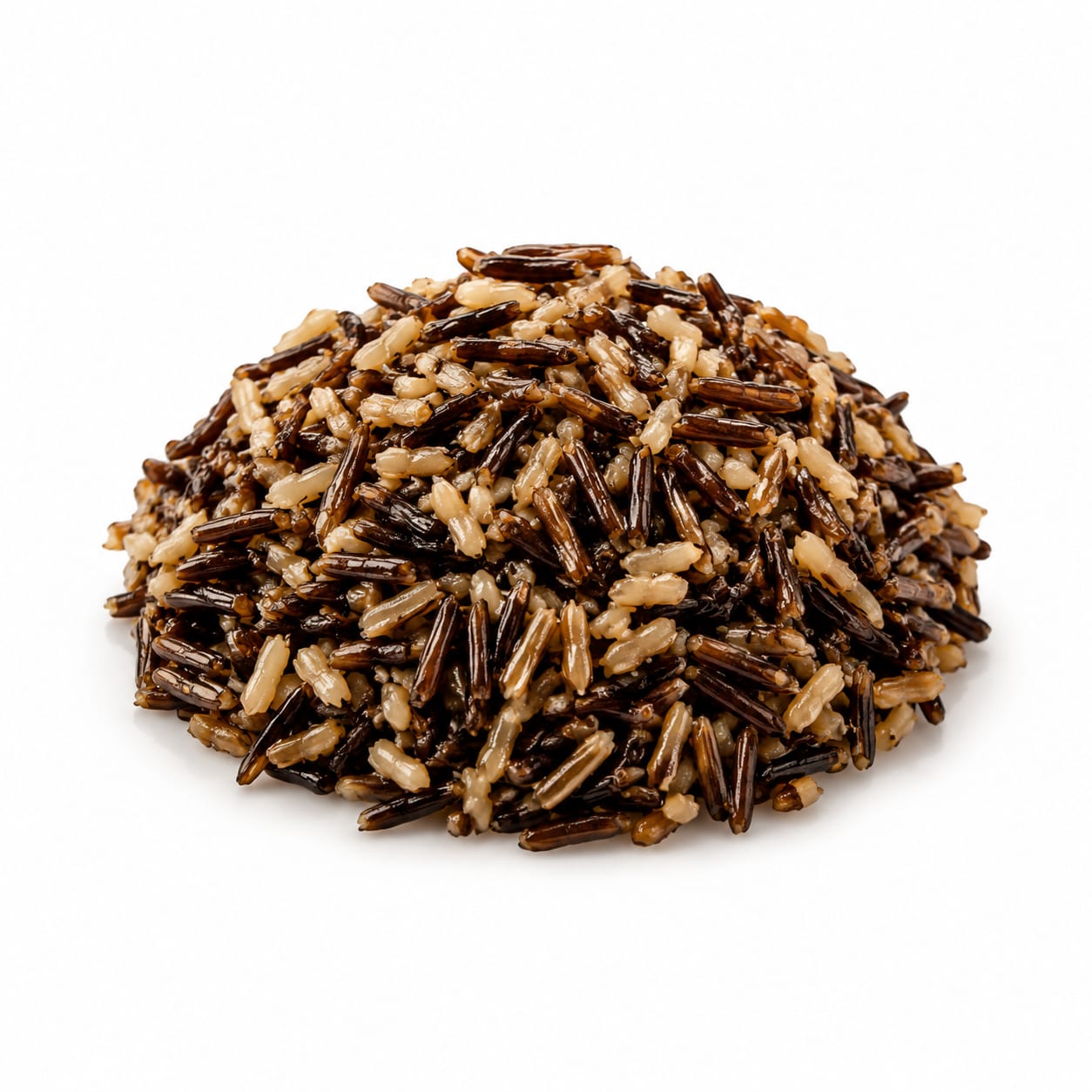
Wild Rice
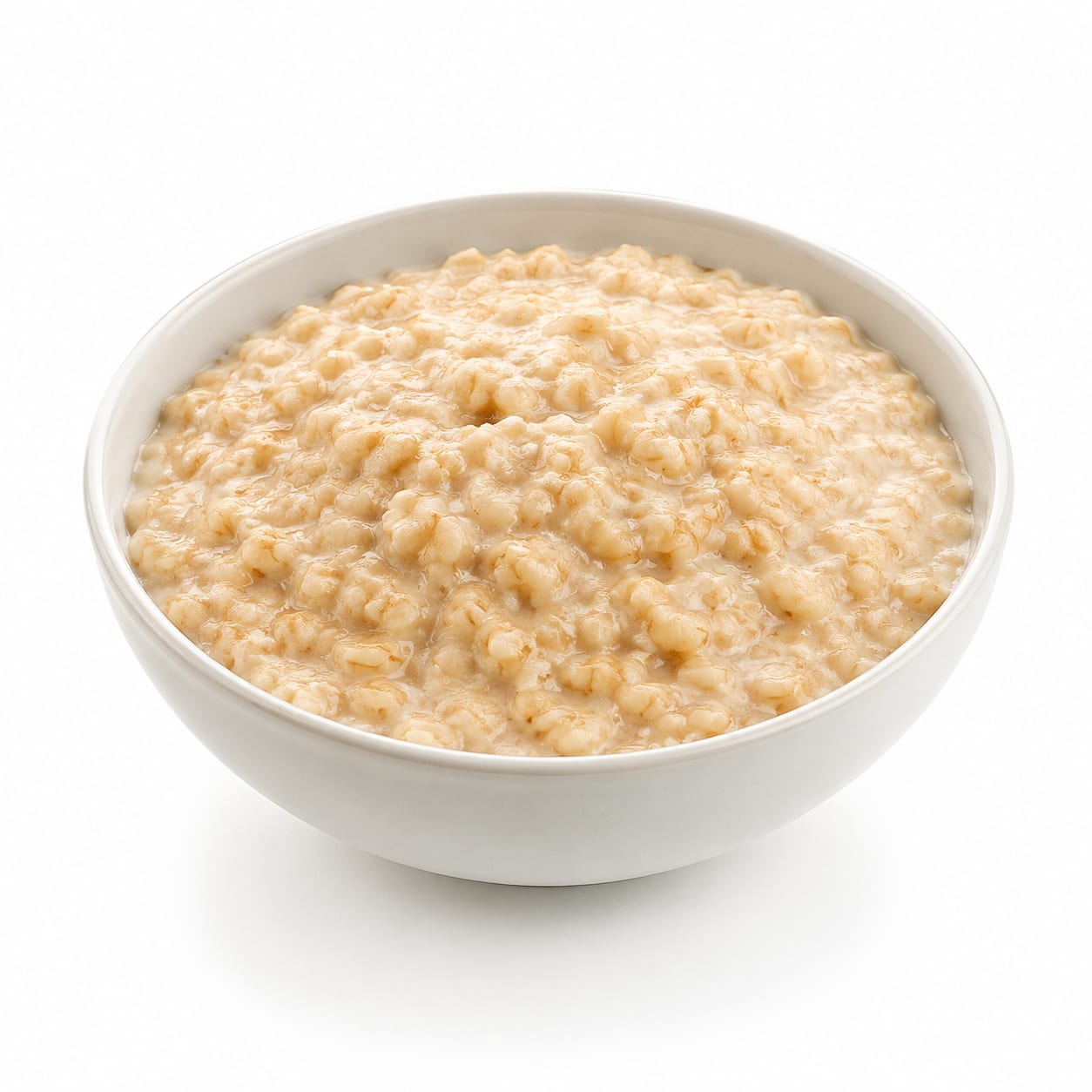
Oats
Oats win on heart health, blood sugar control, and convenience, while Wild Rice offers superior antioxidants and a gluten-free guarantee.
Oats score higher due to their unique beta-glucan content, affordability, and ease of daily use, though Wild Rice remains an excellent nutrient-dense alternative.
Oats provide unmatched cholesterol-lowering soluble fiber and quick cooking, whereas Wild Rice delivers more protein, antioxidants, and a safer gluten-free profile.
At a glance
Executive summary
Overall
Oats
Healthier
Oats
More practical
Oats
Daily use
Oats
Key comparison lenses
Blood sugar and cholesterol management
Oats are renowned for their beta-glucan content, which actively lowers cholesterol and stabilizes blood sugar, making this a key differentiator.
Nutrient density and antioxidant intake
Wild Rice is surprisingly rich in antioxidants and minerals, offering a distinct nutritional profile compared to standard grains.
Practicality and everyday convenience
Oats cook in minutes and are highly affordable, whereas Wild Rice takes significantly longer and costs more.
Gluten-free safety
Wild Rice is naturally gluten-free, while Oats carry a high risk of cross-contamination, making this crucial for those with celiac disease.
Best choice for
Wild Rice
- People needing guaranteed gluten-free grains
- Those seeking higher protein and antioxidants in a side dish
- Low-glycemic meal prep for savory bowls
Oats
- People focused on lowering cholesterol
- Those wanting a quick, filling breakfast
- Budget-conscious shoppers looking for maximum nutrition per dollar
Least suitable for
Wild Rice
- Busy mornings when you need food fast
- Strict grocery budgets
Oats
- People with severe celiac disease (unless certified gluten-free)
- Those who strongly dislike creamy or mushy textures
Deep comparison
Dimension by dimension
Each lens scores both foods and breaks down who each option suits.
- Dimension 1 · Priority 95Oats
Blood Sugar & Cholesterol Control
Wild Rice · 75Oats · 95Oats are a powerhouse for heart health thanks to beta-glucan, a soluble fiber that actively lowers cholesterol and stabilizes blood sugar.
Tradeoff
Wild Rice has a low glycemic index but lacks the specific cholesterol-lowering power of Oats' soluble fiber.
Why it matters
If heart health or diabetes management is your priority, Oats offer a clinically proven advantage.
Real-world impact
Eating Oats regularly can lead to noticeably steadier energy levels and better blood work at your annual checkup.
Wild Rice
- Low glycemic side dishes at dinner
Better for
- Targeted cholesterol reduction
Worse for
Oats
- Lowering LDL cholesterol
- Preventing mid-morning energy crashes
Better for
- Strict gluten-free diets without certification
Worse for
- Dimension 2 · Priority 85Wild Rice
Nutrient Density & Antioxidants
Wild Rice · 90Oats · 80Wild Rice is surprisingly rich in antioxidants and minerals, packing more protein and zinc than Oats.
Tradeoff
While Oats are rich in specific vitamins like thiamin, Wild Rice offers broader protection against oxidative stress.
Why it matters
Antioxidants fight cellular aging and inflammation, giving Wild Rice a distinct longevity edge.
Real-world impact
Swapping regular rice for Wild Rice in bowls gives your meals a nutrient upgrade without extra effort.
Wild Rice
- Boosting antioxidant intake
- Increasing dietary zinc and folate
Better for
- Getting a quick, easily digestible nutrient hit post-workout
Worse for
Oats
- Meeting daily thiamin and iron needs cheaply
Better for
- Maximizing protein per calorie
Worse for
- Dimension 3 · Priority 80It depends
Satiety & Fullness
Wild Rice · 85Oats · 88Oats keep you full with creamy, soluble fiber, while Wild Rice satisfies through chewy volume and protein.
Tradeoff
Oats provide a quicker, heavier fullness ideal for mornings, whereas Wild Rice offers a lighter, longer-lasting satiety.
Why it matters
Choosing the right satiety source depends on whether you need a heavy anchor or a steady burn.
Real-world impact
A bowl of Oats sticks to your ribs until lunch; a Wild Rice salad keeps you energized without feeling sluggish.
Wild Rice
- Light but filling lunch bowls
- Post-workout meals where you want protein without heaviness
Better for
- Quick hunger relief when you are starving
Worse for
Oats
- Staying full from breakfast to lunch
- Curbing late-night snacking urges
Better for
- Meals where a heavy, creamy texture feels overwhelming
Worse for
- Dimension 4 · Priority 80Oats
Practicality & Cost
Wild Rice · 55Oats · 95Oats are incredibly cheap and cook in minutes, making them an everyday staple, while Wild Rice is pricey and takes longer to prepare.
Tradeoff
You pay a premium for Wild Rice's unique nutrient profile and chewy texture, both in money and cooking time.
Why it matters
Consistency in healthy eating relies on foods that fit easily into your schedule and budget.
Real-world impact
Oats are a zero-stress breakfast; Wild Rice requires planning ahead or using a rice cooker.
Wild Rice
- Impressive dinner side dishes
- Weekend meal prep
Better for
- Impatient cooks
- Tight grocery budgets
Worse for
Oats
- Quick weekday breakfasts
- Feeding a family on a budget
Better for
- Gourmet dinner presentations
Worse for
- Dimension 5 · Priority 75Oats
Digestive Health
Wild Rice · 78Oats · 92Oats' soluble fiber acts as a prebiotic, feeding good gut bacteria and easing digestion, while Wild Rice's insoluble fiber adds bulk.
Tradeoff
Wild Rice moves things along quickly, but Oats actively soothe and repair the gut lining.
Why it matters
A healthy gut microbiome impacts everything from immunity to mood.
Real-world impact
Oats are gentler on sensitive stomachs, while Wild Rice might feel a bit rough if your digestion is delicate.
Wild Rice
- Adding roughage to prevent constipation
Better for
- Irritable bowel syndrome flare-ups
Worse for
Oats
- Soothing an upset stomach
- Building a healthy gut microbiome
Better for
- Acute constipation where fast roughage is needed
Worse for
Timeline
Health impact over time
Short-term
Hours to days
Wild Rice
- Provides steady, non-bloated energy
- Keeps blood sugar stable after meals
Oats
- Highly filling and comforting
- Prevents sugar spikes and crashes
Long-term
Months to years
Wild Rice
- High antioxidant intake supports cellular aging defense
- Consistent mineral intake supports immune function
Oats
- Significantly lowers LDL cholesterol
- Supports long-term gut microbiome diversity
Risk profile
Safety & processing
Both Wild Rice and Oats are whole, minimally processed foods. Just watch out for flavored instant oat packets, which add hidden sugars and strip away natural benefits.
Wild Rice
Arsenic contamination
lowWild Rice generally has lower arsenic levels than brown or white rice, but it is still worth rinsing before cooking.
Oats
Gluten cross-contamination
mediumOats are inherently gluten-free but are frequently processed in facilities with wheat, posing a risk for those with celiac disease unless certified.
Who wins for whom
Audience fit
Same foods, different winners depending on your goal.
children
OatsOats are easier for kids to chew and digest, and they can be easily sweetened with fruit, making them a kid-friendly breakfast.
daily consumption
OatsOats are far more affordable, faster to prepare, and versatile enough to eat every single day without budget or time strain.
diabetes
OatsThe soluble fiber in Oats is clinically proven to improve insulin sensitivity and blunt glucose spikes better than the insoluble fiber in Wild Rice.
elderly
OatsOats are softer to chew, gentle on the digestive tract, and provide crucial heart-protection benefits for aging cardiovascular systems.
muscle gain
Wild RiceWild Rice offers slightly more protein per serving and pairs better with savory muscle-building meals like chicken and vegetables.
weight loss
OatsOats' beta-glucan creates a thick, gel-like substance in the gut that delays emptying, keeping you fuller for fewer calories.
Your move
Decision guide
Choose Wild Rice
- You have celiac disease or severe gluten intolerance
- You want to elevate the nutrient profile of a savory dinner bowl
- You are looking for a higher-protein, antioxidant-rich grain alternative
Choose Oats
- You want to lower your cholesterol or improve heart health
- You need a quick, cheap, and filling breakfast before work
- You want a gentle, soothing food for an upset stomach
Either works if
- You are meal-prepping healthy whole grains for the week
- You want to increase your daily fiber intake
Avoid both if
- You are on a strict very-low-carb or ketogenic diet
Final recommendation
Keep Oats as your daily driver for breakfast and heart health, and use Wild Rice as a premium upgrade for savory dinners when you want extra antioxidants and a guaranteed gluten-free option.
Practical
Consumer tips
- 1
Buy certified gluten-free Oats if you have celiac disease, as standard Oats are often cross-contaminated with wheat.
- 2
Rinse Wild Rice before cooking to remove any surface debris and reduce naturally occurring trace arsenic.
- 3
Cook Wild Rice in bulk and freeze portions to save time on busy days, bridging the convenience gap with Oats.
- 4
Avoid flavored instant oat packets; they are packed with sugar and strip away the natural benefits of whole Oats.