
Nutrition comparison
Wild Rice vs Farro: Nutrition, Gluten, and Health Comparison
Compare Wild Rice vs Farro to see which ancient grain is healthier. Learn about gluten, protein, fiber, and weight loss benefits to make the best choice.
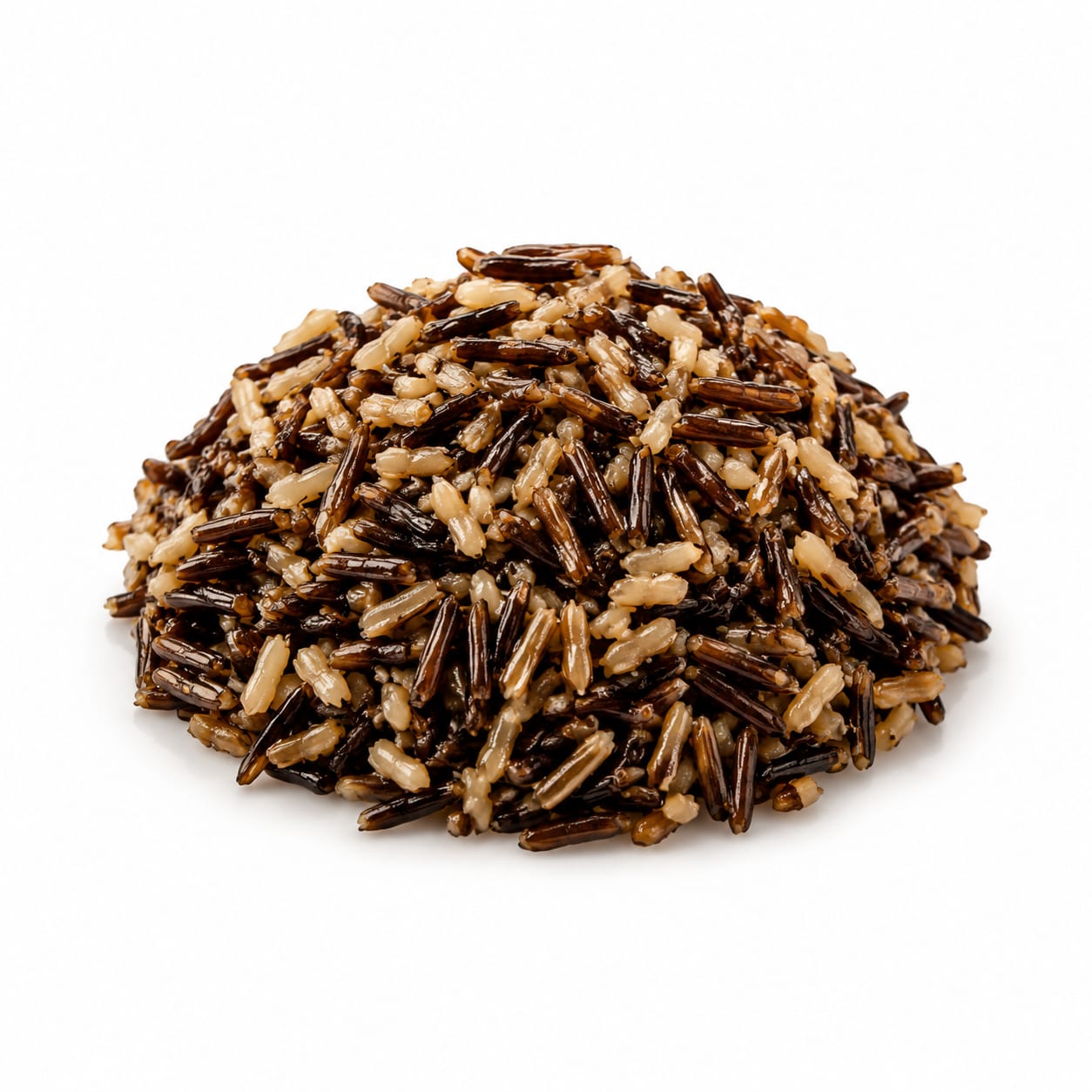
Wild Rice
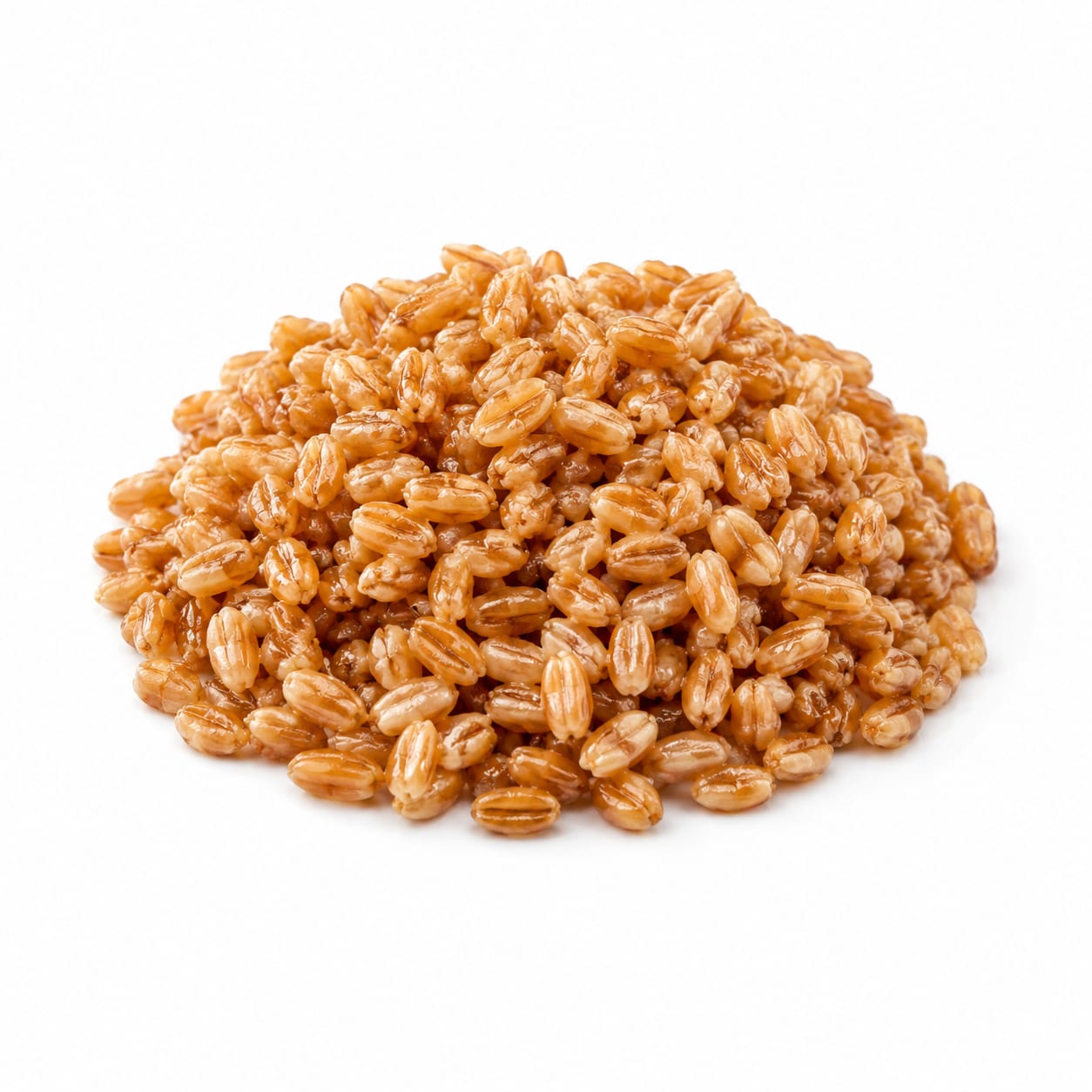
Farro
Farro packs more protein and fiber for sustained energy, while Wild Rice offers a gluten-free, antioxidant-rich, lower-calorie alternative.
Farro slightly edges out Wild Rice due to higher protein and fiber, but Wild Rice remains a top-tier choice for gluten-sensitive individuals and those seeking lower-calorie grains.
Farro's superior protein and fiber come with gluten and higher calories, whereas Wild Rice is lighter and gluten-free but less filling.
At a glance
Executive summary
Overall
It depends
Healthier
It depends
More practical
Farro
Daily use
It depends
Key comparison lenses
Gluten-free vs ancient wheat grain benefits
The most critical distinction is gluten content, making Wild Rice safe for celiacs while Farro is off-limits.
Protein and fiber for satiety
Farro delivers significantly more protein and fiber, impacting fullness and muscle maintenance.
Antioxidant profile
Wild Rice is surprisingly rich in antioxidants, rivaling some fruits, which is unusual for grains.
Best choice for
Wild Rice
- People with celiac disease or gluten intolerance
- Those tracking calories or carbs closely
- Anyone wanting to boost antioxidant intake without eating fruit
Farro
- Athletes or active individuals needing sustained energy
- People looking to increase plant-based protein and fiber
- Those wanting a satisfying base for grain bowls and soups
Least suitable for
Wild Rice
- People needing high-calorie or high-protein meals
- Those on a tight budget (Wild Rice can be pricey)
Farro
- Anyone with celiac disease or a wheat allergy
- People on a strict low-carb or keto diet
Deep comparison
Dimension by dimension
Each lens scores both foods and breaks down who each option suits.
- Dimension 1 · Priority 95Farro
Macronutrient Density & Satiety
Wild Rice · 72Farro · 90Farro delivers substantially more protein and fiber per serving, making meals more filling and satisfying.
Tradeoff
Farro's extra protein and fiber come with more calories and carbohydrates, while Wild Rice is lighter but less satiating.
Why it matters
Higher protein and fiber keep you full longer, reducing the urge to snack between meals.
Real-world impact
A Farro grain bowl will likely keep you full from lunch until dinner, whereas a Wild Rice salad might leave you reaching for a snack by mid-afternoon.
Wild Rice
- Lighter meals where you want volume without heavy calories
Better for
- Heavy lifting phases requiring high protein intake
Worse for
Farro
- Post-workout recovery meals
- Busy days requiring long-lasting energy
Better for
- Sedentary days where excess calories might add up
Worse for
- Dimension 2 · Priority 98Wild Rice
Digestive Tolerance & Gluten
Wild Rice · 95Farro · 40Wild Rice is naturally gluten-free, making it safe for celiacs, while Farro contains wheat gluten.
Tradeoff
Choosing Wild Rice guarantees zero gluten exposure, but you miss out on Farro's prebiotic fiber benefits if you tolerate wheat well.
Why it matters
For the roughly 6% of the population with gluten sensitivity or celiac, Farro is completely off the table.
Real-world impact
If you have bloating or fatigue after eating wheat, Wild Rice is your safe bet for a hearty grain base.
Wild Rice
- Anyone with celiac disease or non-celiac gluten sensitivity
- People experiencing unexplained bloating after wheat consumption
Better for
- No significant digestive downside unless you overeat the high-fiber husks
Worse for
Farro
- Those with robust digestion looking to feed beneficial gut bacteria
Better for
- Celiacs or those with wheat allergies
Worse for
- Dimension 3 · Priority 85Wild Rice
Antioxidant & Anti-inflammatory Profile
Wild Rice · 92Farro · 68Wild Rice boasts impressive antioxidant levels, particularly anthocyanins, which give it its dark color and combat oxidative stress.
Tradeoff
Wild Rice fights cellular aging more aggressively, while Farro offers more minerals like magnesium and iron.
Why it matters
Antioxidants protect cells from daily wear and tear, supporting long-term health and reducing inflammation.
Real-world impact
Regularly eating Wild Rice can contribute to your daily antioxidant intake similarly to eating dark berries, but in a savory dish.
Wild Rice
- Reducing systemic inflammation
- Supporting skin and cellular health
Better for
- Slightly lower in essential minerals compared to Farro
Worse for
Farro
- Preventing magnesium deficiency
- Supporting oxygen transport via iron
Better for
- Less protection against oxidative stress
Worse for
- Dimension 4 · Priority 88It depends
Blood Sugar Management
Wild Rice · 80Farro · 82Wild Rice has fewer total carbs, but Farro's high fiber slows down sugar absorption effectively.
Tradeoff
Wild Rice is better if you strictly count carbs, while Farro is better if you rely on fiber to blunt blood sugar spikes.
Why it matters
Steady blood sugar prevents the afternoon energy crash and reduces cravings.
Real-world impact
If you pair Farro with veggies and healthy fats, its fiber will give you very stable energy. Wild Rice is equally steady with fewer total carbs entering your bloodstream.
Wild Rice
- Low-carb dieters needing a grain substitute
- Those managing total carbohydrate load
Better for
- Meals lacking fiber from other ingredients might lead to quicker digestion
Worse for
Farro
- People who rely on high-fiber diets to manage glucose response
Better for
- Large portions could spike blood sugar due to higher total carbs
Worse for
Timeline
Health impact over time
Short-term
Hours to days
Wild Rice
- Provides a light, energizing meal without bloating
- Delivers steady energy without a carb-heavy food coma
Farro
- Highly filling, easily satisfies hunger for hours
- Can cause bloating or discomfort if you are sensitive to gluten
Long-term
Months to years
Wild Rice
- High antioxidant intake supports cellular aging defense
- Consistent low-calorie grain choice aids weight maintenance
Farro
- High fiber supports heart health and cholesterol management
- Sustained protein intake helps preserve muscle mass over time
Risk profile
Safety & processing
Both Wild Rice and Farro are whole, ancient grains that typically undergo minimal processing, retaining their bran and germ.
Wild Rice
Arsenic contamination
mediumLike other rice varieties, Wild Rice can accumulate arsenic from water, though typically at lower levels than conventional white or brown rice.
Farro
Gluten exposure
highFarro is a form of wheat and contains gluten, posing a severe risk to individuals with celiac disease.
Cross-contamination
mediumIf processed in facilities handling other grains, Farro might be cross-contaminated with other allergens.
Who wins for whom
Audience fit
Same foods, different winners depending on your goal.
children
FarroFarro is easier to chew when cooked, has a familiar mild wheat flavor, and provides growing bodies with more protein and iron.
daily consumption
It dependsIf you tolerate gluten, Farro is excellent daily fuel. If you prefer lighter meals or avoid gluten, Wild Rice is the better daily staple.
diabetes
It dependsWild Rice has fewer carbs, but Farro's robust fiber content effectively slows sugar absorption; the best choice depends on your specific carb tolerance.
elderly
Wild RiceWild Rice is gluten-free and lower in calories, which suits slower metabolisms and more sensitive digestive systems common in older adults.
muscle gain
FarroFarro provides significantly more protein per serving, supporting muscle repair and growth.
weight loss
Wild RiceWild Rice offers fewer calories and carbohydrates per serving, making it easier to fit into a calorie deficit.
Your move
Decision guide
Choose Wild Rice
- You have celiac disease, a wheat allergy, or gluten sensitivity
- You want a lower-calorie grain for weight management
- You are looking to maximize antioxidant variety in your diet
Choose Farro
- You need a high-protein, high-fiber base for active days
- You digest wheat well and want a satisfying, chewy grain
- You are meal-prepping hearty soups or salads that need to hold up in the fridge
Either works if
- You simply want a nutritious whole grain side dish for dinner
- You are rotating grains to diversify your microbiome
Avoid both if
- You are on a strict ketogenic or very low-carb diet
- You are severely limiting fiber due to a digestive flare-up
Final recommendation
Let your digestion decide. If gluten bothers you, Wild Rice is an exceptional, antioxidant-rich grain. If you tolerate wheat and want maximum satiety and protein, Farro is the superior fuel. Rotating both is the smartest move for gut diversity.
Practical
Consumer tips
- 1
Rinse Wild Rice thoroughly before cooking to reduce any potential arsenic content.
- 2
Soak Farro overnight to reduce cooking time and improve digestibility.
- 3
Mix Wild Rice and Brown Rice for a more affordable, nutrient-dense blend that cooks evenly.
- 4
Look for 'whole grain' Farro; pearled Farro cooks faster but loses some of its beneficial bran.