
Nutrition comparison
Wild Rice vs Buckwheat: Which is Healthier?
Compare Wild Rice vs Buckwheat for blood sugar, weight loss, and nutrition. Find out which whole grain alternative is best for your diet.
Overall winner · Buckwheat
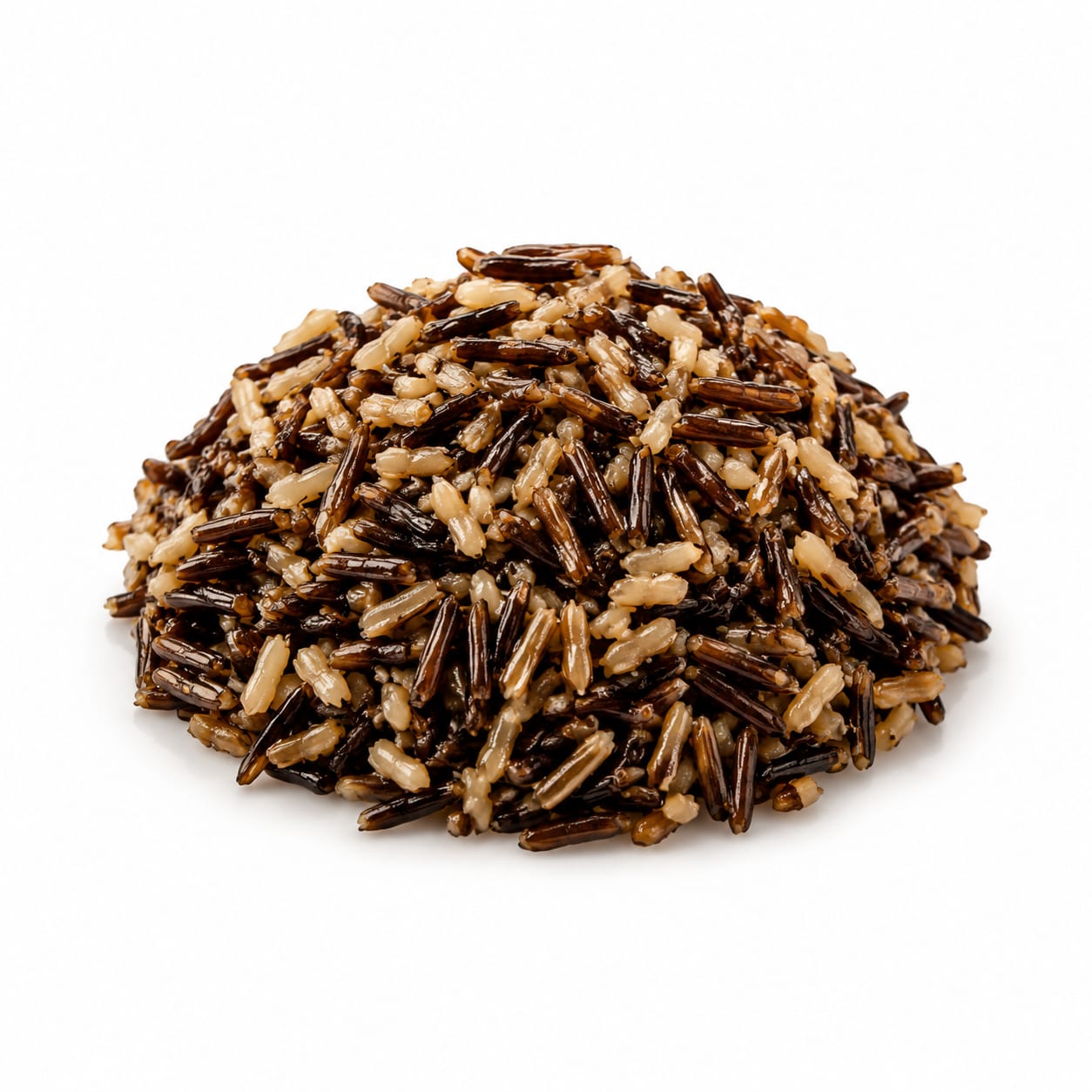
Wild Rice
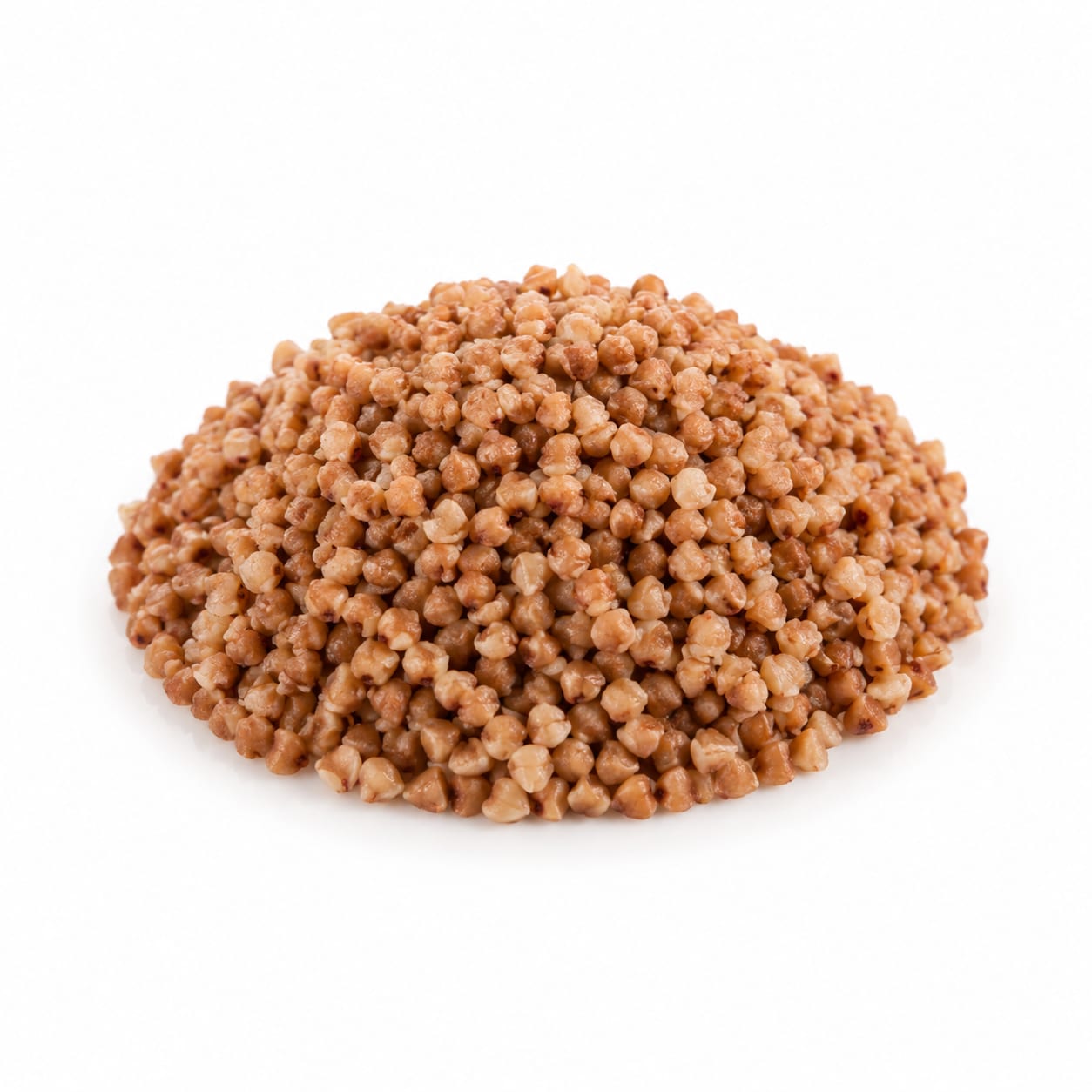
Buckwheat
Buckwheat edges out Wild Rice with superior blood sugar benefits and faster cooking, though both are excellent whole-food carbs.
Buckwheat wins by a small margin due to its unique antioxidants and better glycemic impact, but Wild Rice remains a strong, lower-carb option.
Buckwheat offers faster prep and better blood sugar regulation, while Wild Rice provides a slightly lower carb count and a distinct chewy texture.
At a glance
Executive summary
Overall
Buckwheat
Healthier
Buckwheat
More practical
Buckwheat
Daily use
Buckwheat
Key comparison lenses
Blood sugar management
Both are praised as healthy carbs, but their impact on insulin and glucose varies significantly
Antioxidant profile
Buckwheat offers unique flavonoids like rutin, while Wild Rice provides different plant compounds
Cooking convenience
Prep time heavily influences which grain people actually cook on busy weeknights
Weight management
Users often swap refined grains for these options to help with satiety and calorie control
Best choice for
Wild Rice
- Low-carb dieters wanting a rice alternative
- Salad bowls needing a chewy, nutty bite
- Those focusing on zinc and folate intake
Buckwheat
- Diabetics prioritizing blood sugar control
- Busy cooks needing fast weeknight dinners
- People seeking heart and vein support
Least suitable for
Wild Rice
- Those needing a quick 15-minute meal
- People who dislike chewy textures
Buckwheat
- Strict low-carb or keto dieters
- People with severe gluten cross-contamination concerns
Deep comparison
Dimension by dimension
Each lens scores both foods and breaks down who each option suits.
- Dimension 1 · Priority 95Buckwheat
Blood Sugar Stability
Wild Rice · 75Buckwheat · 90Buckwheat is exceptional for blood sugar control thanks to D-chiro-inositol, while Wild Rice is also good but slightly higher on the glycemic index.
Tradeoff
Choosing Wild Rice means slightly less blood sugar protection but fewer total carbs per serving.
Why it matters
Steadier energy means fewer afternoon crashes and better cravings control.
Real-world impact
Eating Buckwheat for lunch keeps you energized longer without the sugar rollercoaster that hits after white rice.
Wild Rice
- Lower total carb intake with Wild Rice
Better for
- Wild Rice is less effective at lowering blood sugar spikes
Worse for
Buckwheat
- Diabetics choosing Buckwheat for insulin sensitivity
- Steady energy from Buckwheat meals
Better for
- Buckwheat has slightly more carbs per serving than Wild Rice
Worse for
- Dimension 2 · Priority 85It depends
Antioxidant & Micronutrient Profile
Wild Rice · 80Buckwheat · 85Buckwheat is rich in rutin for heart health, while Wild Rice offers more zinc and folate.
Tradeoff
You trade heart-protective flavonoids in Buckwheat for better immune and reproductive support from Wild Rice's zinc and folate.
Why it matters
Different antioxidants target different systems, so rotating both is ideal for broad coverage.
Real-world impact
Buckwheat supports vein and artery flexibility, while Wild Rice helps immunity and cell repair.
Wild Rice
- Immune support from Wild Rice's zinc
- Pregnancy nutrition from Wild Rice's folate
Better for
- Wild Rice lacks the specific vein-supporting flavonoids found in Buckwheat
Worse for
Buckwheat
- Cardiovascular health from Buckwheat's rutin
- Better circulation from Buckwheat
Better for
- Buckwheat provides less zinc than Wild Rice
Worse for
- Dimension 3 · Priority 80Buckwheat
Practicality & Cooking
Wild Rice · 60Buckwheat · 85Buckwheat groats cook in about 15 minutes, while Wild Rice can take 45-60 minutes.
Tradeoff
Wild Rice requires planning ahead or a pressure cooker, whereas Buckwheat is weeknight-friendly.
Why it matters
Convenience often dictates what you actually eat on busy days.
Real-world impact
You are more likely to cook Buckwheat on a Tuesday night; Wild Rice is better saved for weekend meal prep.
Wild Rice
- Batch cooking Wild Rice for the week ahead
- Slow-cooked soups and stews with Wild Rice
Better for
- Wild Rice is frustrating to cook when hungry
Worse for
Buckwheat
- Quick Buckwheat dinners on busy nights
- Last-minute Buckwheat meal prep
Better for
- Buckwheat can turn mushy if overcooked
Worse for
- Dimension 4 · Priority 75It depends
Satiety & Weight Management
Wild Rice · 82Buckwheat · 80Wild Rice is slightly lower in calories and carbs, but Buckwheat's protein and fiber keep you very full.
Tradeoff
Wild Rice offers a lighter calorie load, while Buckwheat offers denser satiety per cooked cup.
Why it matters
Feeling full prevents overeating later in the day.
Real-world impact
A Buckwheat bowl might keep you full until dinner, while Wild Rice leaves room for a larger side dish.
Wild Rice
- Calorie counting with Wild Rice
- Lighter meals using Wild Rice
Better for
- Wild Rice might feel too light if eaten alone
Worse for
Buckwheat
- High satiety from Buckwheat
- Skipping snacks after a Buckwheat meal
Better for
- Buckwheat has higher calorie density per serving
Worse for
Timeline
Health impact over time
Short-term
Hours to days
Wild Rice
- Steady, light energy without a crash
- Chewy texture adds physical satisfaction to meals
Buckwheat
- Quick feeling of fullness due to dense fiber
- Stable energy levels for hours after eating
Long-term
Months to years
Wild Rice
- Better zinc status for improved immunity
- Lower overall carb intake supports weight maintenance
Buckwheat
- Improved blood vessel health from rutin
- Better long-term blood sugar management and insulin sensitivity
Risk profile
Safety & processing
Both Wild Rice and Buckwheat are whole, natural seeds that undergo minimal processing when bought as raw groats or grains.
Wild Rice
Arsenic contamination
lowWild Rice generally has lower arsenic levels than brown rice, but it is still a water-grown crop so sourcing matters.
Buckwheat
Cross-contamination with gluten
mediumBuckwheat is naturally gluten-free but often processed in facilities with wheat, so celiacs must buy certified products.
Who wins for whom
Audience fit
Same foods, different winners depending on your goal.
children
BuckwheatBuckwheat cooks softer and is easier to chew, plus its mild flavor pairs well with kid-friendly foods.
daily consumption
BuckwheatFaster cooking and broader micronutrient benefits make Buckwheat slightly more practical for everyday use.
diabetes
BuckwheatBuckwheat contains D-chiro-inositol, which significantly improves insulin sensitivity and glucose metabolism.
elderly
BuckwheatThe softer texture of cooked Buckwheat and its cardiovascular benefits make it ideal for older adults.
muscle gain
BuckwheatBuckwheat has slightly more protein and magnesium, which support muscle function and recovery.
weight loss
Wild RiceWild Rice is slightly lower in calories and carbs, making it easier to fit into a strict calorie deficit.
Your move
Decision guide
Choose Wild Rice
- You want a lower-carb side dish like Wild Rice
- You love the chewy, nutty texture of Wild Rice in grain bowls
- You are meal-prepping Wild Rice for the week ahead
Choose Buckwheat
- You need Buckwheat dinner on the table fast
- You are managing blood sugar issues with Buckwheat
- You want heart-protective antioxidants from Buckwheat
Either works if
- You need a gluten-free carb base like Wild Rice or Buckwheat
- You want a whole-food alternative to white rice or pasta
Avoid both if
- You are on a strict ketogenic diet and cannot fit Wild Rice or Buckwheat macros
- You severely limit carbohydrate intake for medical reasons
Final recommendation
Keep both in your pantry. Use Buckwheat for quick weeknight meals and blood sugar support, and Wild Rice for weekend meal prep when you want a chewy, lower-carb texture.
Practical
Consumer tips
- 1
Rinse Buckwheat groats before cooking to remove any bitter dust and improve flavor.
- 2
Soak Wild Rice overnight to cut the cooking time in half.
- 3
Look for certified gluten-free Buckwheat if you have celiac disease or gluten sensitivity.
- 4
Mix Wild Rice with brown rice or quinoa to stretch it further and balance textures.