
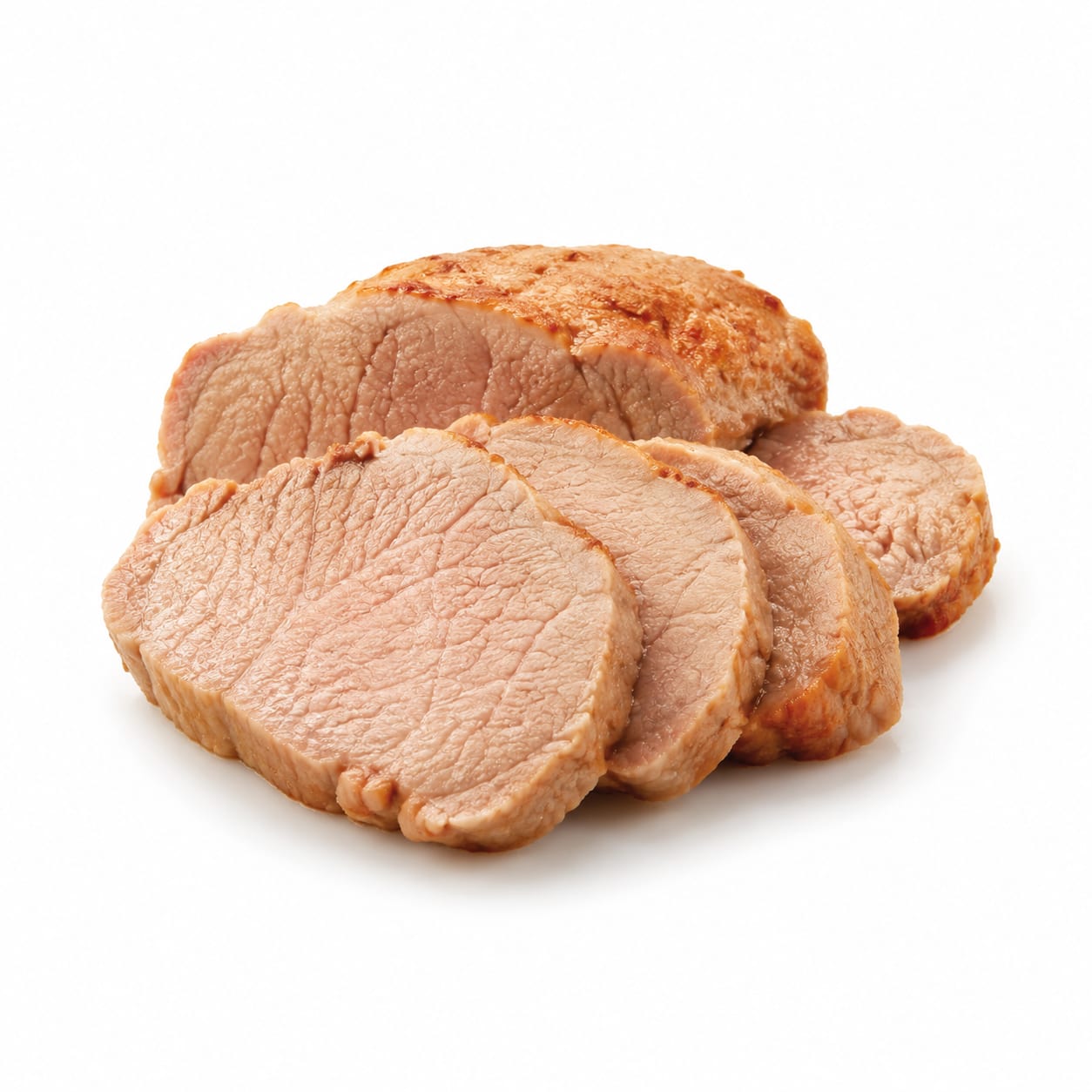
Meat
Veal
Veal is meat from young cattle, offering a tender texture and a highly bioavailable source of protein, vitamin B12, and iron.
Meat from young cattle, typically male dairy calves, known for its tender texture and mild flavor compared to mature beef.
protein-dense animal food
Typical serving · 85g
Common varieties · milk-fed veal, grain-fed veal, rose veal, bob veal, free-range veal
Overall context score across nutrition, safety, and diet fit
At a glance
Quick facts
Simple indicators based on nutrition, processing, and diet fit.
The story
What makes it unique
Veal is a highly digestible, zero-carbohydrate animal protein with a moderate fat content depending on the cut. It digests moderately fast due to its tender muscle fibers and provides strong satiety through its high complete protein content. As an unprocessed whole food, it retains its native macronutrient and micronutrient profile without additives.
Varieties: milk-fed veal · grain-fed veal · rose veal · bob veal · free-range veal
Per 100g
Nutrition breakdown
Macro balance and key metrics at a glance.
Energy
Density 1.72 kcal/g
Protein
Carbs
Fat
Fiber
Sugar
0 g
Sodium
72 mg
Potassium
310 mg
Glycemic index
0
Glycemic load
0
Water content
66%
Standout compounds
Nutrient highlights
Protein
highsupports muscle growth and cellular repair
Vitamin B12
highessential for nerve function and DNA synthesis
Niacin
moderateaids in energy metabolism and skin health
Zinc
moderatesupports immune system function
Heme Iron
moderateimproves oxygen transport in the blood
Wellness map
Health scores & processing
NOVA processing scale
unprocessed · Whole food
Fresh veal is a minimally processed whole food requiring only butchering and refrigeration, containing no added ingredients.
Diet compatibility
- Weight loss
- Muscle gain
- Diabetes
- Gut health
- Low carb
- High protein
- Heart health
Relative standing
Food rankings
Qualitative ranks compared to similar whole foods.
- Satietyexcellent
- Blood sugarexcellent
- Nutrient densitygood
- Fitness fuelexcellent
- Processing qualityexcellent
Eat with confidence
Food safety profile
Raw veal carries standard bacterial contamination risks associated with all raw meats. Sourcing from farms with strict antibiotic stewardship reduces residue concerns.
Evidence confidence 85%
- Pesticideslow
- Antibioticsmoderate
- Heavy metalslow
- Contaminationmoderate
Watch for
- salmonella
- e. coli
- campylobacter
Safer choices
Organic or certified antibiotic-free veal reduces the risk of antibiotic residues and supports better farming practices.
Prep tips
Do not wash raw veal before cooking to prevent bacterial splashing. Cook to a safe internal temperature of 145°F (63°C) with a 3-minute rest.
Antibiotic use in dairy and veal calf operations is monitored, but residues can occur if withdrawal periods are not strictly followed.
Deep dive
Health analysis
How this food may fit different goals and preparation choices.
Weight loss
High protein content increases thermic effect of food and prolongs satiety, making lean veal cuts effective for calorie-controlled diets.
Blood sugar
Contains zero carbohydrates, resulting in no glycemic impact and making it highly suitable for blood sugar stabilization.
Fitness & energy
Rich in complete amino acids and creatine, veal directly supports muscle protein synthesis and high-intensity exercise performance.
Gut health
Lacks dietary fiber, offering no prebiotic benefits to the gut microbiome, though its tenderness makes it easily digestible for those with GI sensitivities.
Processing quality
Fresh veal is an unprocessed whole food, free from artificial preservatives, binders, or fillers commonly found in deli meats.
Food safety
Safe when cooked to proper internal temperatures; handling raw veal requires strict kitchen hygiene to prevent cross-contamination.
Common mistakes
Overcooking lean veal cuts like cutlets, which results in a tough, dry texture, and choosing breaded or fried preparations that drastically increase calorie and fat intake.
Best preparation
Quick high-heat methods like pan-searing or grilling for lean cuts, and slow moist-heat braising for tougher, fattier cuts to break down connective tissue.
Practical guide
Best use cases
When and how this food fits real eating patterns.
post-workout recovery
Provides fast-digesting complete protein and essential amino acids necessary for muscle tissue repair after intense exercise.
anemia-friendly diet
Offers highly bioavailable heme iron and vitamin B12, which are critical for red blood cell production and preventing iron-deficiency anemia.
low-carb meal prep
A zero-carb protein source that fits seamlessly into ketogenic, carnivore, and strict low-carb dietary protocols.
Balance sheet
Pros & cons
Upsides
- Excellent source of complete, high-quality protein
- Zero carbohydrates with no glycemic impact
- Rich in highly bioavailable vitamin B12 and heme iron
- Unprocessed whole food with no artificial additives
- Tender texture makes it highly digestible
Trade-offs
- Higher in dietary cholesterol than poultry
- Contains saturated fat, requiring portion management for heart health
- More expensive than conventional beef or chicken
- Ethical concerns regarding veal farming practices deter some consumers
- Lacks dietary fiber for gut microbiome support
Fit check
Who is it for?
Great match
- high-protein diets
- post-workout muscle recovery
- ketogenic and zero-carb diets
- iron-deficiency anemia management
Consider alternatives
- strict low-cholesterol diets
- plant-based or vegan lifestyles
- those with gout due to purine content
- budget-conscious meal planning
Side by side
How it compares
Open the full head-to-head analysis for nutrition, safety, and practical tradeoffs.
This food
Veal
VS95% alike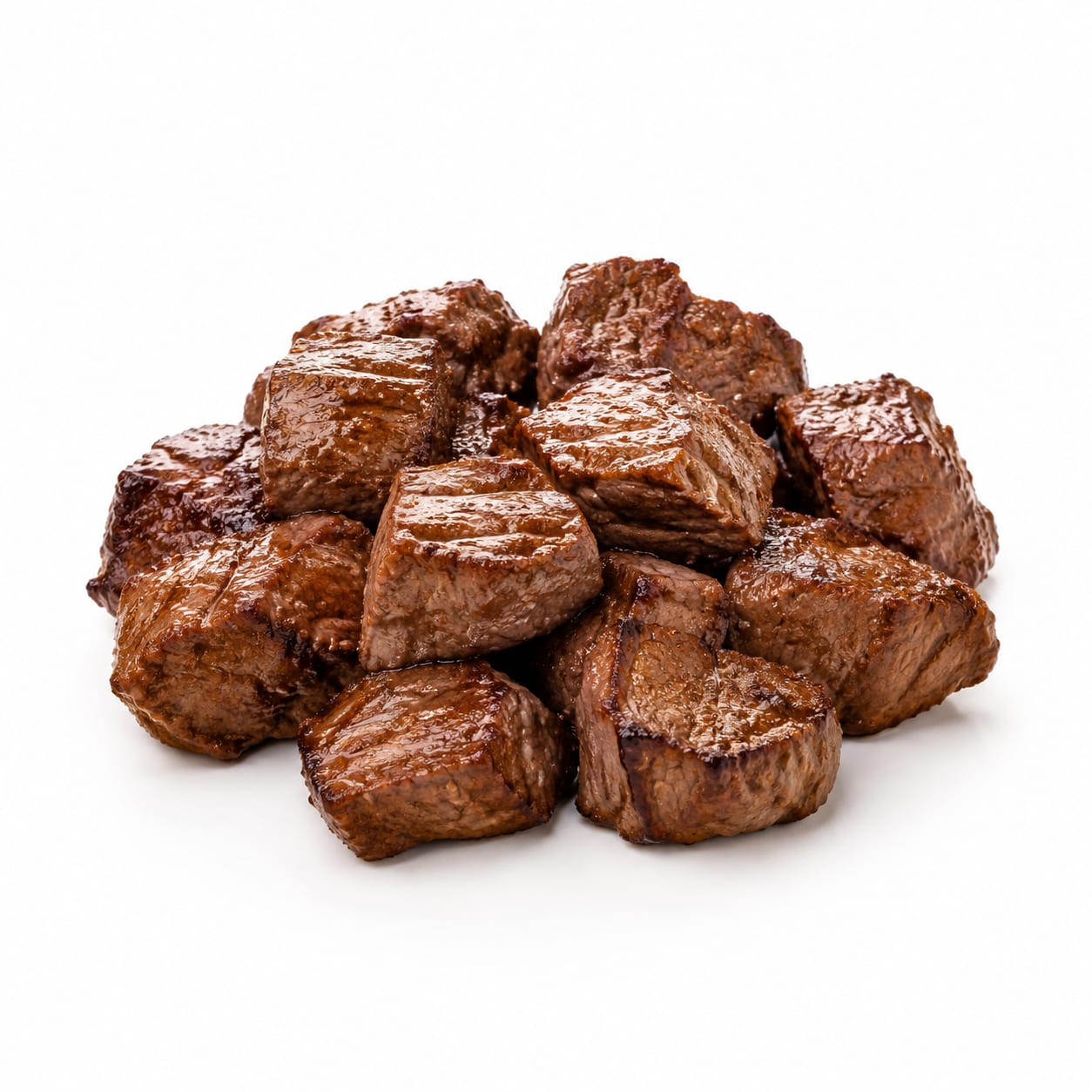
Compare with
Beef
Veal is leaner and more tender than beef, but beef provides more iron and a stronger flavor profile.
Veal is lower in calories and fat for weight loss, while beef offers more iron and slightly more satiating fat for fitness diets.
This food
Veal
VS85% alike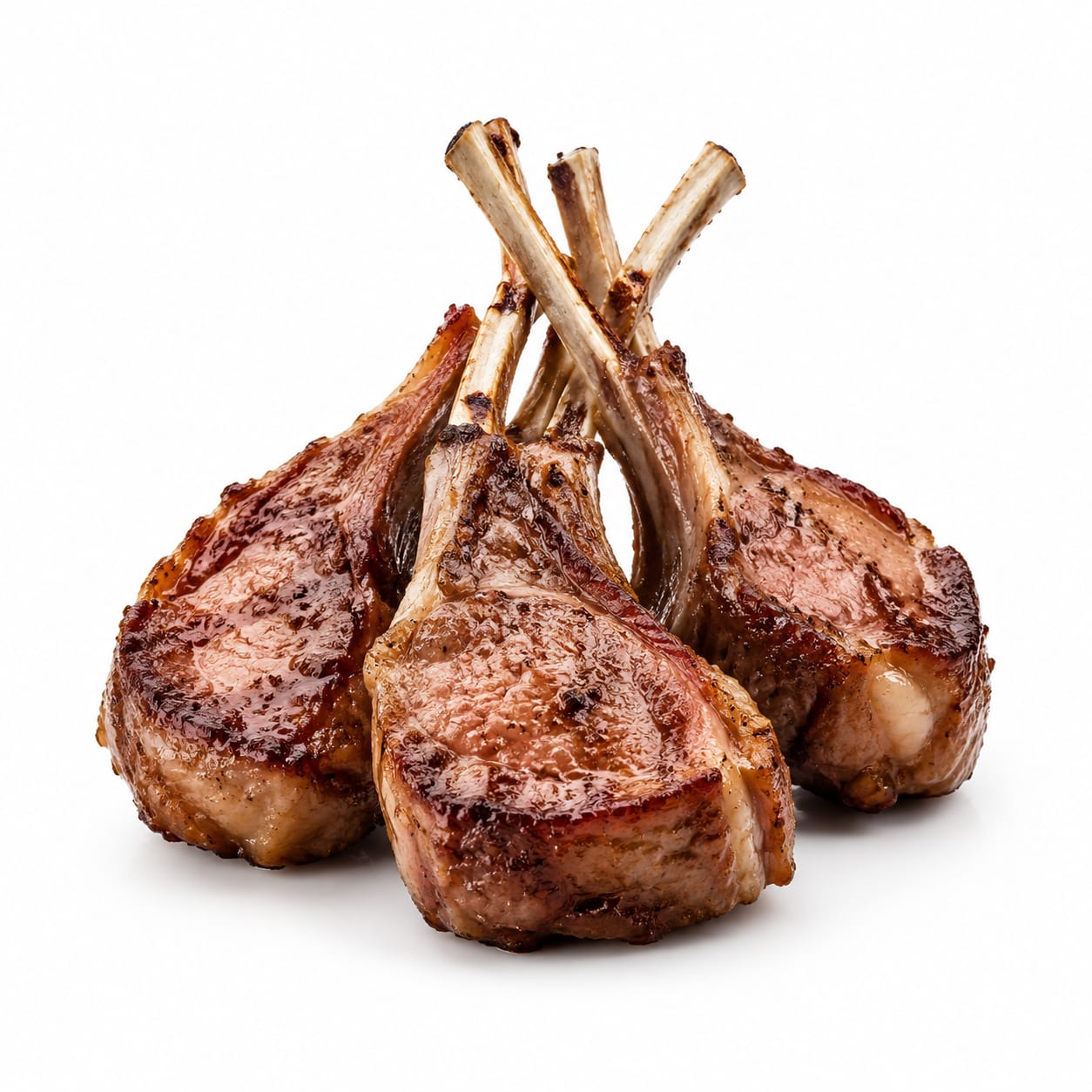
Compare with
Lamb
Veal is milder and leaner than lamb, which is fattier and has a stronger, gamier taste.
Veal provides a leaner, lower-calorie option for weight loss, whereas lamb delivers more fat and flavor for satiety.
This food
Veal
VS70% alike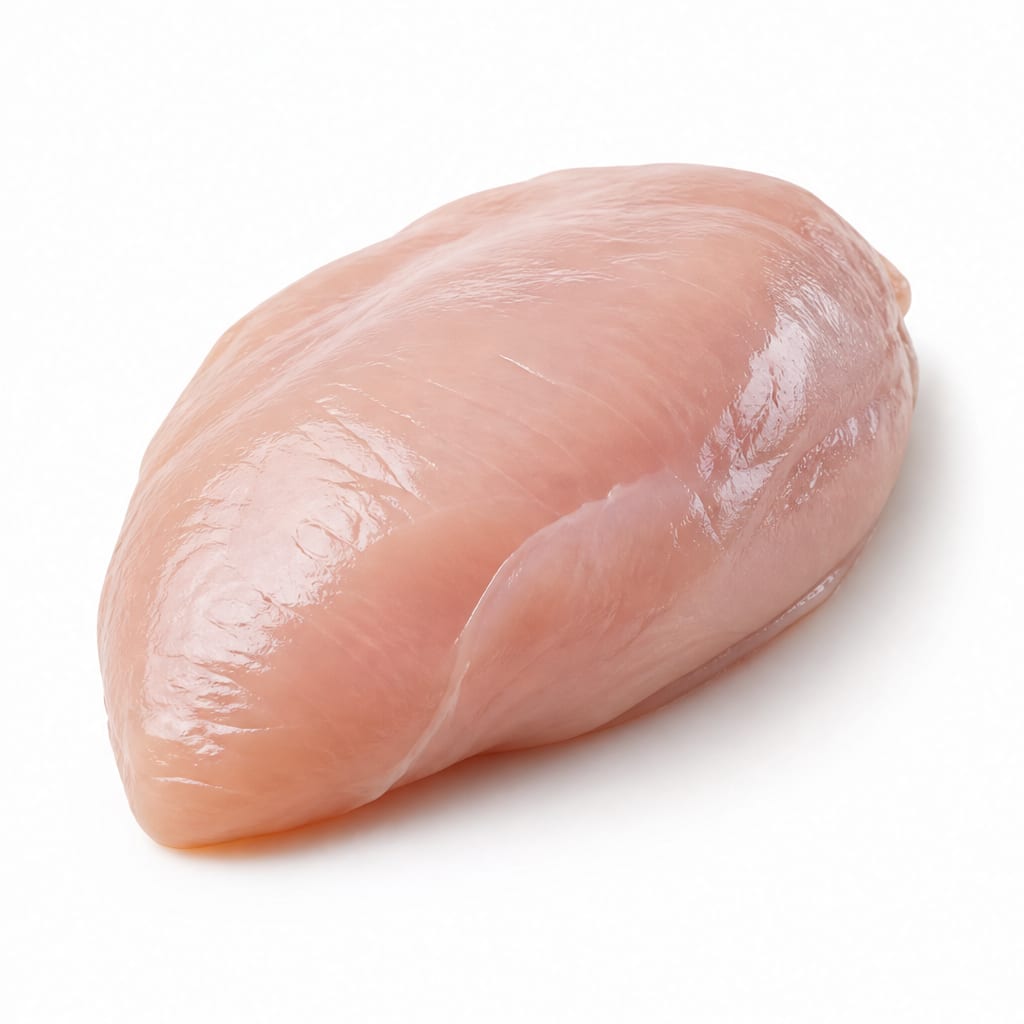
Compare with
Chicken Breast
Chicken breast is lower in calories and fat, but veal provides significantly more iron and B12.
Chicken breast wins for low-calorie weight loss, while veal is superior for boosting iron and B12 intake.
This food
Veal
VS75% alike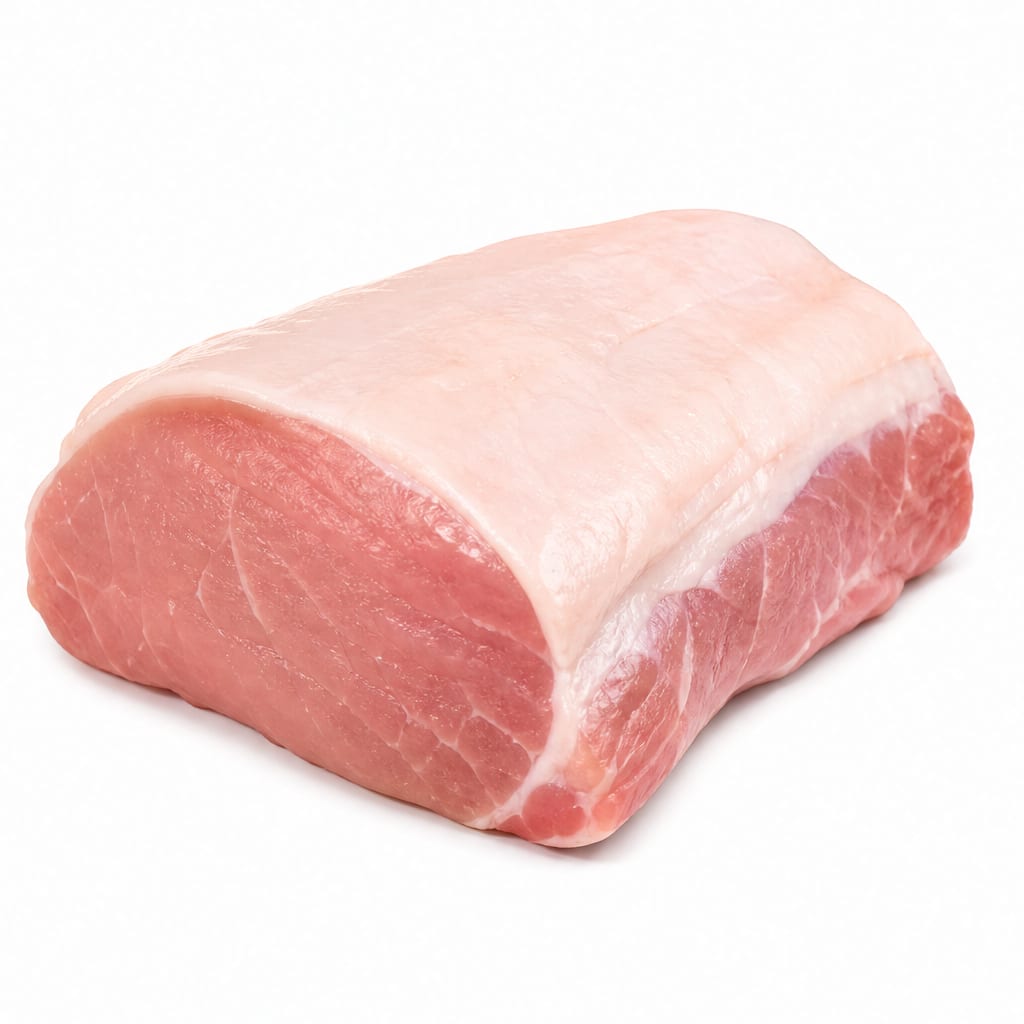
Compare with
Pork Loin
Pork loin is slightly higher in fat and calories but offers more thiamine, while veal is richer in B12.
Veal is slightly leaner for weight loss, while pork loin provides more B-vitamins like thiamine for energy metabolism.
This food
Veal
VS80% alike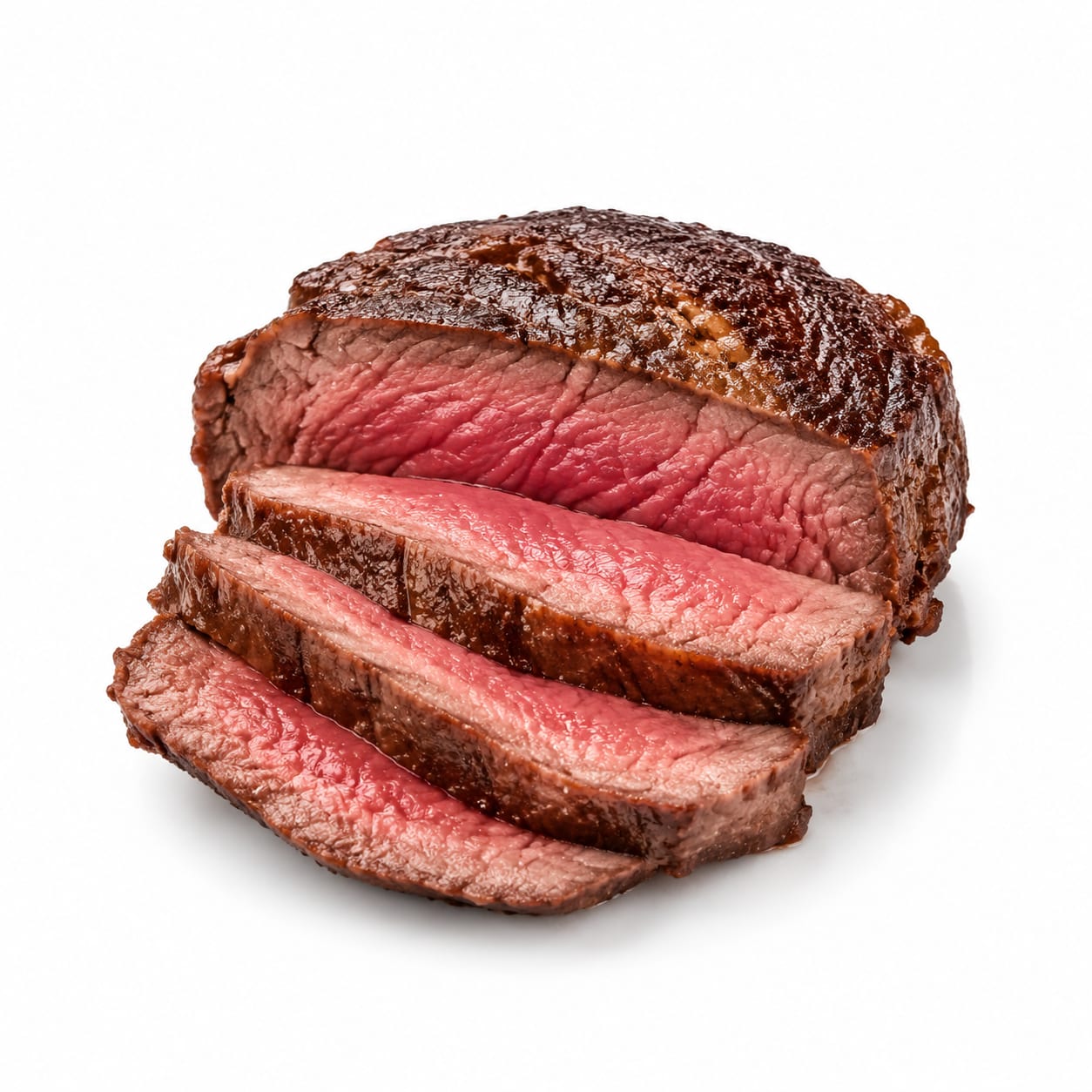
Compare with
Bison
Bison is leaner and higher in omega-3s, while veal is more tender and widely available.
Bison is lower in fat and calories for weight loss, while veal offers a more tender texture and milder flavor.
This food
Veal
VS75% alike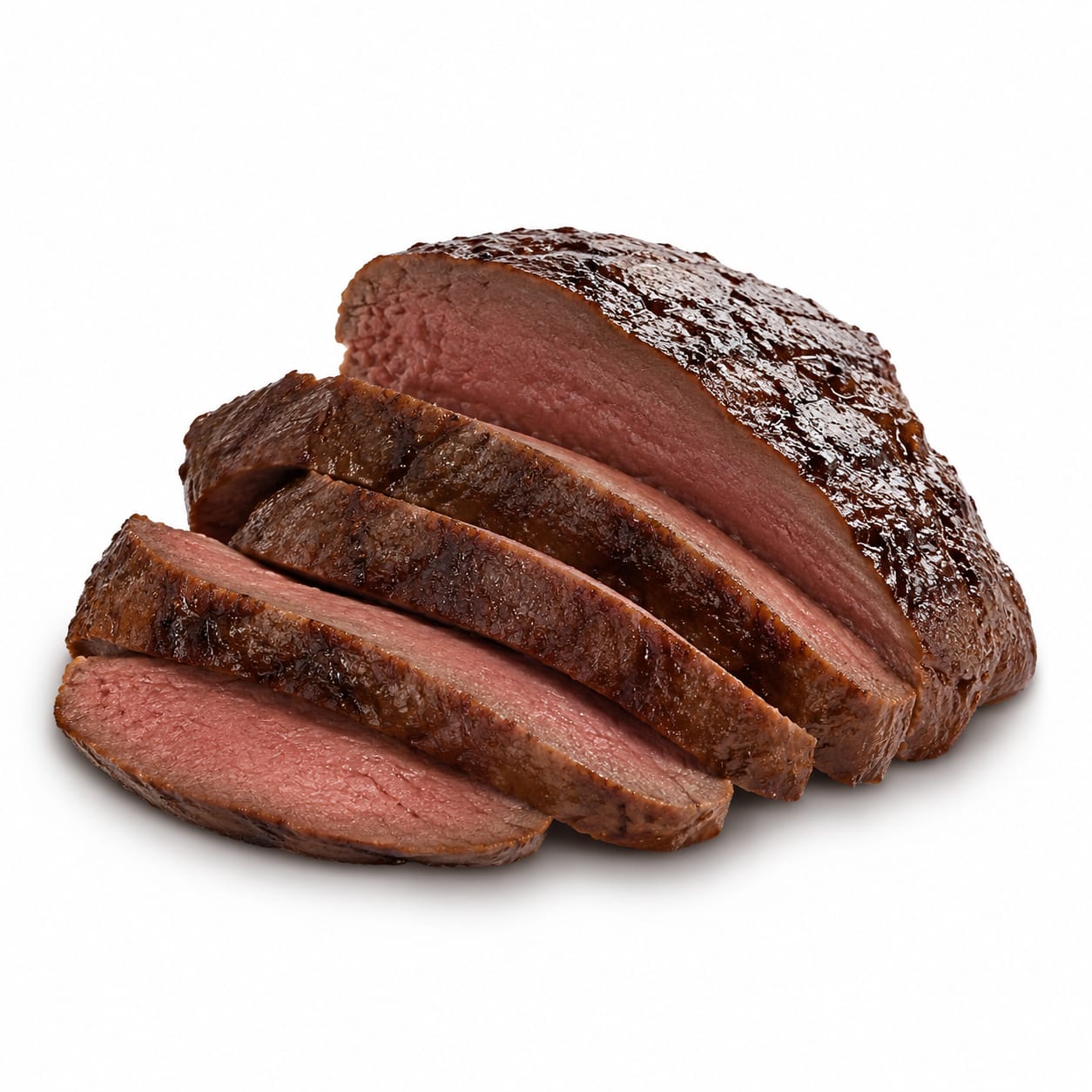
Compare with
Venison
Venison is significantly leaner and higher in iron, while veal is more tender and milder in flavor.
Venison is the leaner choice for strict weight loss, while veal provides a more delicate, tender eating experience.
This food
Veal
VS65% alike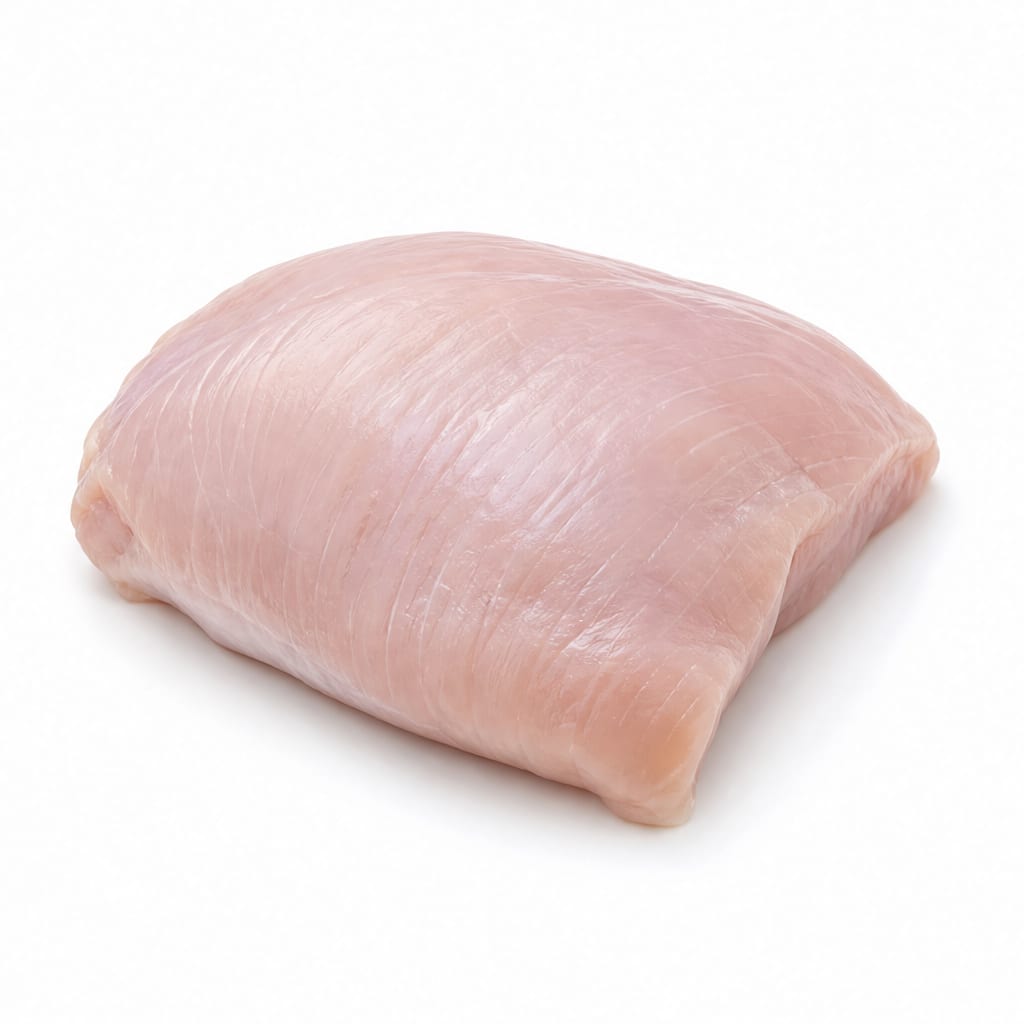
Compare with
Turkey Breast
Turkey breast is lower in calories and fat, but veal provides vastly more iron and vitamin B12.
Turkey breast is lower in calories for cutting, but veal is far superior for iron and B12 replenishment.
This food
Veal
VS50% alike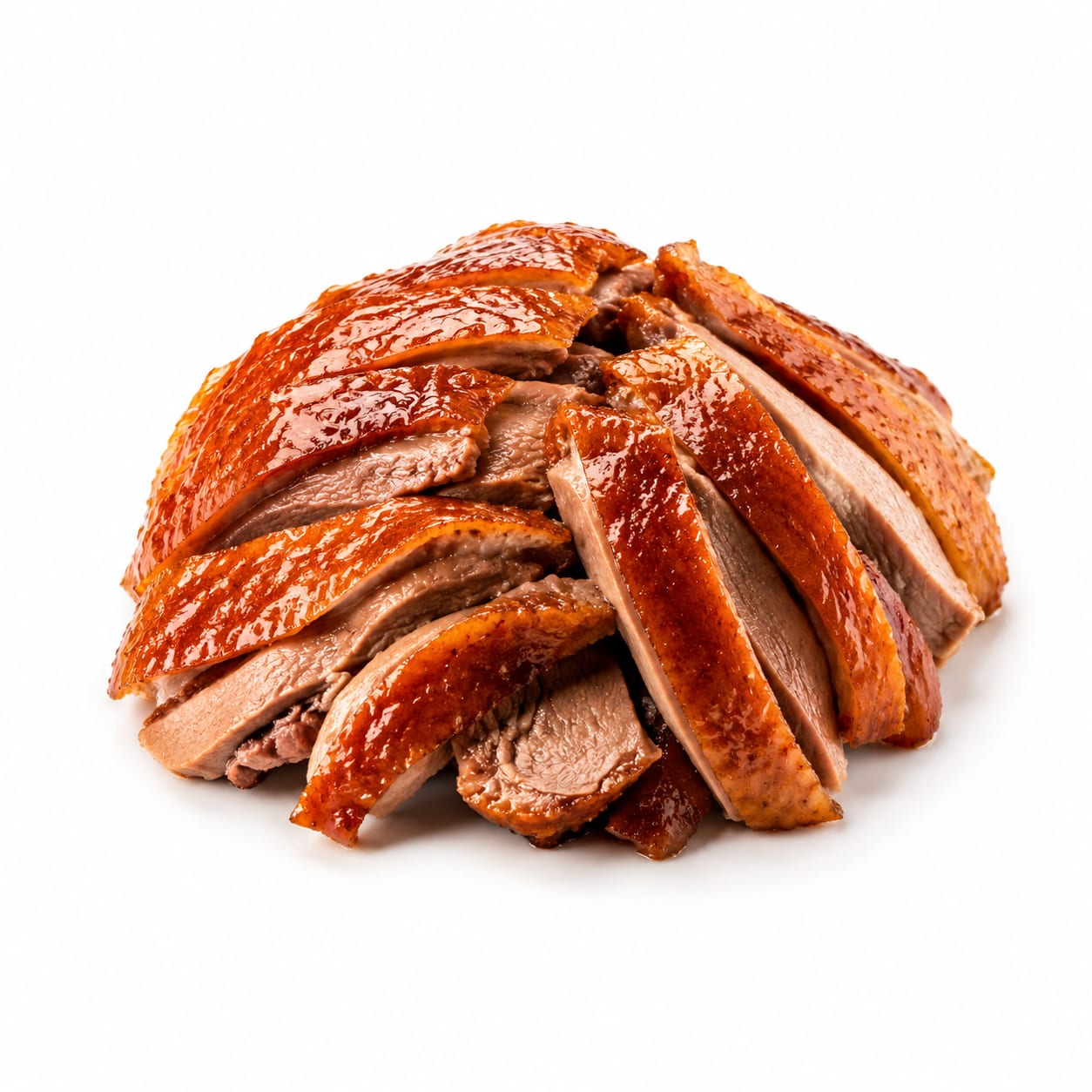
Compare with
Duck
Veal is dramatically leaner than duck, which has a very high fat content, particularly under the skin.
Veal is much leaner and better for weight loss, while duck is high in fat and better suited for keto satiety.
This food
Veal
VS60% alike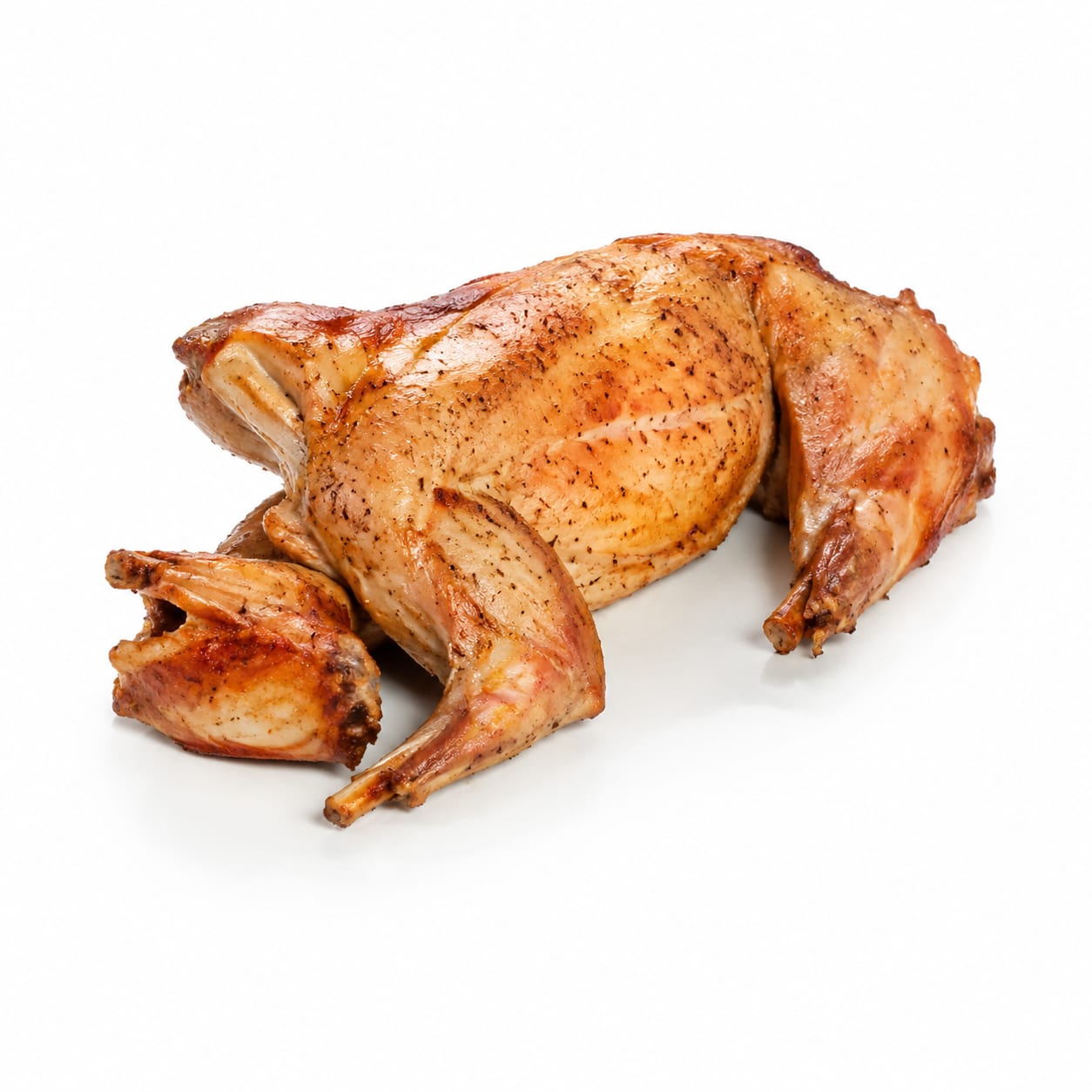
Compare with
Rabbit
Rabbit is one of the leanest meats available, lower in fat than veal, but veal offers more B12 and iron.
Rabbit is extremely low in calories for weight loss, while veal provides superior micronutrients like iron and B12.
This food
Veal
VS40% alike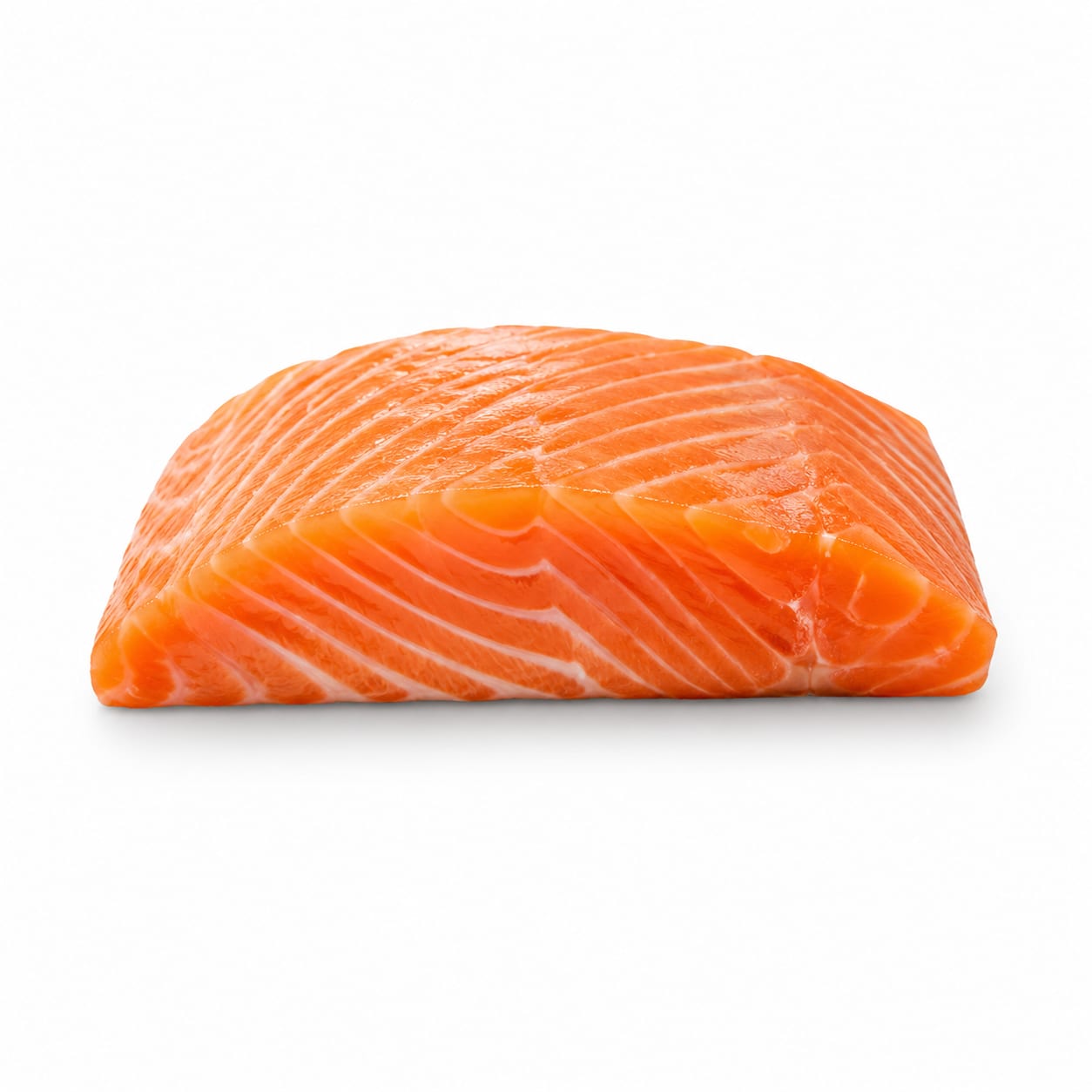
Compare with
Salmon
Salmon is high in heart-healthy omega-3 fats, while lean veal provides more protein per calorie and zero carbs.
Veal offers more protein per calorie for lean muscle gain, while salmon provides essential omega-3s for heart health.
Common questions
FAQ
Answers aligned with how people search for this food.
Is veal healthier than beef?
Veal is generally leaner and slightly lower in calories than beef, while offering similar amounts of protein and B vitamins. However, beef typically provides more iron and zinc per serving.
Can you eat veal on a keto diet?
Yes, veal contains zero carbohydrates and is an excellent source of protein and fat, making it highly compatible with a ketogenic diet.
Is veal high in cholesterol?
Veal does contain dietary cholesterol, with roughly 90-100mg per 100g serving. Those managing blood cholesterol should consume it in moderation and prioritize lean cuts.
How do you cook veal so it's tender?
Lean veal cutlets are best cooked quickly over high heat (pan-searing) to medium doneness. Tougher cuts like shoulder or breast should be cooked slowly with moist heat (braising) to break down connective tissue.
Is veal good for bodybuilding?
Yes, veal is an excellent source of complete protein and creatine, which support muscle repair and growth, making it a strong choice for bodybuilders.
Does veal have iron?
Yes, veal contains a moderate amount of heme iron, which is highly bioavailable and easily absorbed by the body, though slightly less than the iron found in mature beef.
Can diabetics eat veal?
Yes, because veal contains zero carbohydrates, it will not spike blood sugar levels. Its high protein content also helps stabilize post-meal glucose responses.
Transparency
Data confidence
Estimated confidence for nutrition data, interpretation, safety notes, and comparisons.
Nutrition data
Health analysis
Food safety
Comparisons