
Nutrition comparison
Veal vs Salmon: Nutrition, Health Benefits & Which is Better
Compare veal vs salmon for protein, omega-3s, iron, and heart health. Discover which meat is better for muscle gain, weight loss, and daily nutrition.
Overall winner · Salmon
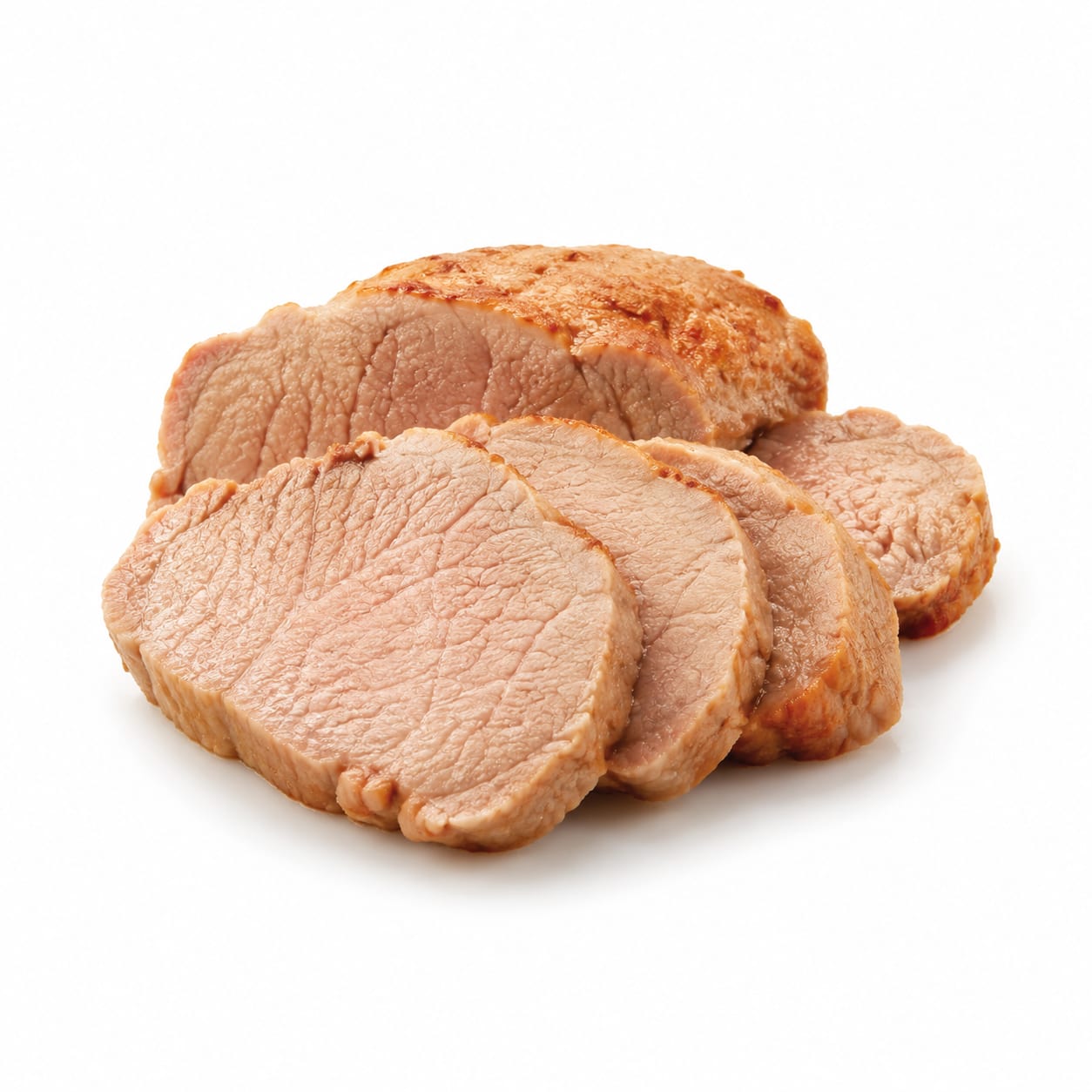
Veal
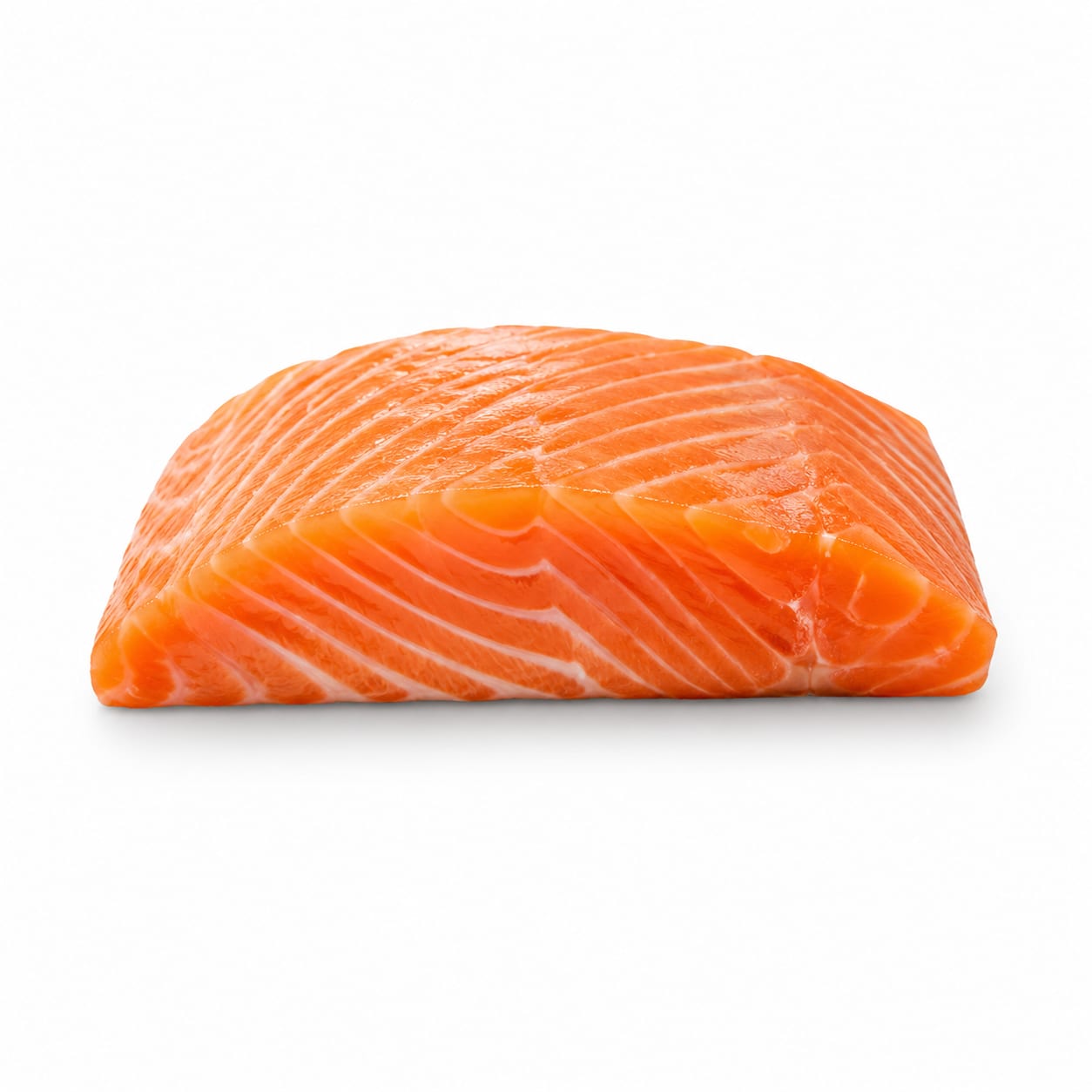
Salmon
Salmon is the clear winner for long-term health and heart protection, while veal offers superior iron and zinc for specific nutritional gaps.
Salmon scores significantly higher due to its omega-3 content and cardiovascular benefits, while veal loses points for saturated fat and inflammatory potential.
You trade the heart-protective omega-3s and light digestibility of salmon for the dense iron and zinc hit of veal.
At a glance
Executive summary
Overall
Salmon
Healthier
Salmon
More practical
It depends
Daily use
Salmon
Key comparison lenses
Heart health and omega-3 intake
Salmon is famous for its heart-protective omega-3s, while veal brings saturated fat, creating a stark contrast for cardiovascular impact.
Red meat vs fish for inflammation
Veal can promote inflammation, whereas salmon actively reduces it, making this a key differentiator for chronic disease prevention.
Heavy metals vs antibiotics/hormones
Salmon carries ocean-borne contamination risks like mercury, while veal carries land-based risks like antibiotics and growth hormones.
Muscle building and micronutrient density
Both are premium proteins, but veal excels in heme iron and zinc, while salmon provides vitamin D and selenium.
Best choice for
Veal
- Menstruating women with iron deficiency
- Bodybuilders needing high heme iron and creatine
- Those avoiding seafood entirely
Salmon
- People prioritizing heart health and longevity
- Those fighting chronic inflammation or joint pain
- Older adults needing vitamin D and cognitive support
Least suitable for
Veal
- People with high LDL cholesterol
- Those eating red meat multiple times a week already
- Individuals with gout or high uric acid
Salmon
- People with severe fish or seafood allergies
- Those highly concerned about mercury exposure
- Individuals on certain blood thinners without medical supervision
Deep comparison
Dimension by dimension
Each lens scores both foods and breaks down who each option suits.
- Dimension 1 · Priority 95Salmon
Heart Health & Inflammation
Veal · 45Salmon · 95Salmon is rich in omega-3s which actively reduce inflammation, whereas veal contains saturated fat that can promote it.
Tradeoff
Choosing veal means missing out on the heart-protective fats that make salmon a superfood.
Why it matters
Chronic inflammation drives heart disease, making fat quality crucial for long-term health.
Real-world impact
Eating salmon regularly can lower your risk of heart attacks and ease stiff joints; heavy veal consumption does the opposite.
Veal
- Those needing calorie-dense recovery food in extreme cold
Better for
- People with high blood pressure
- Those with elevated LDL cholesterol
Worse for
Salmon
- Anyone monitoring heart health
- People with joint pain or arthritis
Better for
- Those on blood thinners without medical supervision
Worse for
- Dimension 2 · Priority 85It depends
Micronutrient Density
Veal · 85Salmon · 88Veal is a powerhouse of heme iron, zinc, and B12, while salmon provides rare vitamin D and selenium alongside B12.
Tradeoff
Veal is better for fixing iron deficiency, but salmon covers more common deficiencies like vitamin D.
Why it matters
Micronutrient gaps lead to fatigue, poor immunity, and low mood.
Real-world impact
A veal chop can fix energy slumps from low iron, while a salmon fillet supports bone health and mood via vitamin D.
Veal
- Menstruating women with low iron
- Those with zinc deficiency
Better for
- Those who already eat plenty of red meat
Worse for
Salmon
- People lacking sun exposure
- Older adults needing selenium for thyroid function
Better for
- People with iron-deficiency anemia
Worse for
- Dimension 3 · Priority 80It depends
Contamination & Safety
Veal · 65Salmon · 70Veal carries risks of antibiotics and hormones, while salmon faces mercury and PCB concerns, especially in farmed varieties.
Tradeoff
You choose between land-based animal welfare and chemical risks, and ocean-borne heavy metal accumulation.
Why it matters
Toxins accumulate over time and affect hormonal and neurological health.
Real-world impact
Poorly sourced veal might disrupt your hormones; low-quality farmed salmon might expose you to persistent organic pollutants.
Veal
- Those avoiding seafood allergens
- People who source organic, pasture-raised meat
Better for
- Those buying conventional, factory-farmed veal
Worse for
Salmon
- Those who choose wild-caught fish
- People avoiding red meat hormones
Better for
- Pregnant women eating high-mercury fish frequently
- Those eating large amounts of farmed salmon
Worse for
- Dimension 4 · Priority 70It depends
Satiety & Digestion
Veal · 80Salmon · 82Both are highly filling, but salmon digests slightly easier due to lower saturated fat and connective tissue.
Tradeoff
Veal can feel heavier and keep you full longer, while salmon offers a lighter but equally satisfying meal.
Why it matters
Heavy meals can cause sluggishness, while light meals might lead to sooner hunger.
Real-world impact
A veal cutlet feels like a heavy comfort meal, whereas salmon leaves you satisfied but energized.
Veal
- Those needing a heavy, comforting meal
- People doing intense manual labor
Better for
- People prone to post-meal food comas
Worse for
Salmon
- Those wanting a light dinner
- People with slower digestion
Better for
- Those needing extreme calorie density in few bites
Worse for
Timeline
Health impact over time
Short-term
Hours to days
Veal
- High satiety from protein and fat
- Potential sluggishness after large portions
- Quick energy from B vitamins
Salmon
- Steady, clean energy without a crash
- Light but full feeling
- Quick and comfortable digestion
Long-term
Months to years
Veal
- Increased cardiovascular risk if eaten frequently
- Excellent maintenance of muscle mass and iron stores
- Potential increased cancer risk with high red meat intake
Salmon
- Reduced heart disease risk
- Lower systemic inflammation
- Better brain health and mood regulation
Risk profile
Safety & processing
Both are whole foods, but conventional farming practices introduce hidden chemicals in both veal and farmed salmon.
Veal
Antibiotic residue
mediumConventional veal farming often uses antibiotics, which can contribute to resistance and gut flora disruption.
Hormone exposure
mediumHormone use in cattle can disrupt human endocrine function over time.
Foodborne illness
lowProper cooking eliminates most bacterial risks like E. coli or Salmonella.
Salmon
Mercury accumulation
mediumSalmon has moderate mercury levels; frequent consumption can pose neurological risks, especially for pregnant women.
PCBs and dioxins
mediumFarmed salmon can have higher levels of industrial pollutants stored in its fat.
Parasites
lowRaw or undercooked salmon can carry anisakis, but freezing and cooking kill parasites.
Who wins for whom
Audience fit
Same foods, different winners depending on your goal.
children
SalmonSalmon provides essential fats for brain development, though mercury intake must be monitored; veal's iron is good but saturated fat is less ideal.
daily consumption
SalmonSalmon can be safely eaten 2-3 times a week with great benefits, whereas daily red meat consumption is widely discouraged.
diabetes
SalmonSalmon's omega-3s improve insulin sensitivity, while red meat is linked to increased diabetes risk.
elderly
SalmonOmega-3s protect against cognitive decline and heart disease, which are primary concerns for aging adults.
muscle gain
It dependsVeal offers slightly more creatine and heme iron for oxygen transport, but salmon provides anti-inflammatory fats that aid recovery.
weight loss
SalmonSalmon provides high protein with fewer calories and more metabolic support from omega-3s compared to fattier cuts of veal.
Your move
Decision guide
Choose Veal
- You have diagnosed iron-deficiency anemia and need heme iron
- You are avoiding seafood due to allergies or taste
- You want a dense, calorie-rich protein source for heavy training
Choose Salmon
- Heart health and longevity are your top priorities
- You want to reduce systemic inflammation and joint pain
- You need a light, digestible protein that supports brain function
Either works if
- You need high-quality complete protein for muscle maintenance
- You are eating a varied diet and rotating your protein sources
Avoid both if
- You are following a strict plant-based or vegan diet
- You have severe gout and must limit purines
Final recommendation
Make salmon your go-to for regular protein intake to reap the anti-inflammatory and heart benefits. Enjoy veal occasionally as a treat or a targeted iron boost, prioritizing pasture-raised sources to minimize hormone and antibiotic exposure.
Practical
Consumer tips
- 1
Choose wild-caught salmon over farmed when possible to reduce PCB and contaminant exposure.
- 2
Opt for organic or pasture-raised veal to avoid antibiotics and growth hormones.
- 3
Limit veal to 1-2 times a week to keep saturated fat intake in check.
- 4
Pair veal with vitamin C-rich vegetables like bell peppers to boost iron absorption.
- 5
If buying farmed salmon, look for certifications that ensure sustainable and low-chemical feed.