
Nutrition comparison
Veal vs Beef: Nutrition, Health, Ethics, and Value Compared
Is veal healthier than beef? Compare protein, fat, iron, calories, price, and animal welfare to make the right choice for your diet and values.
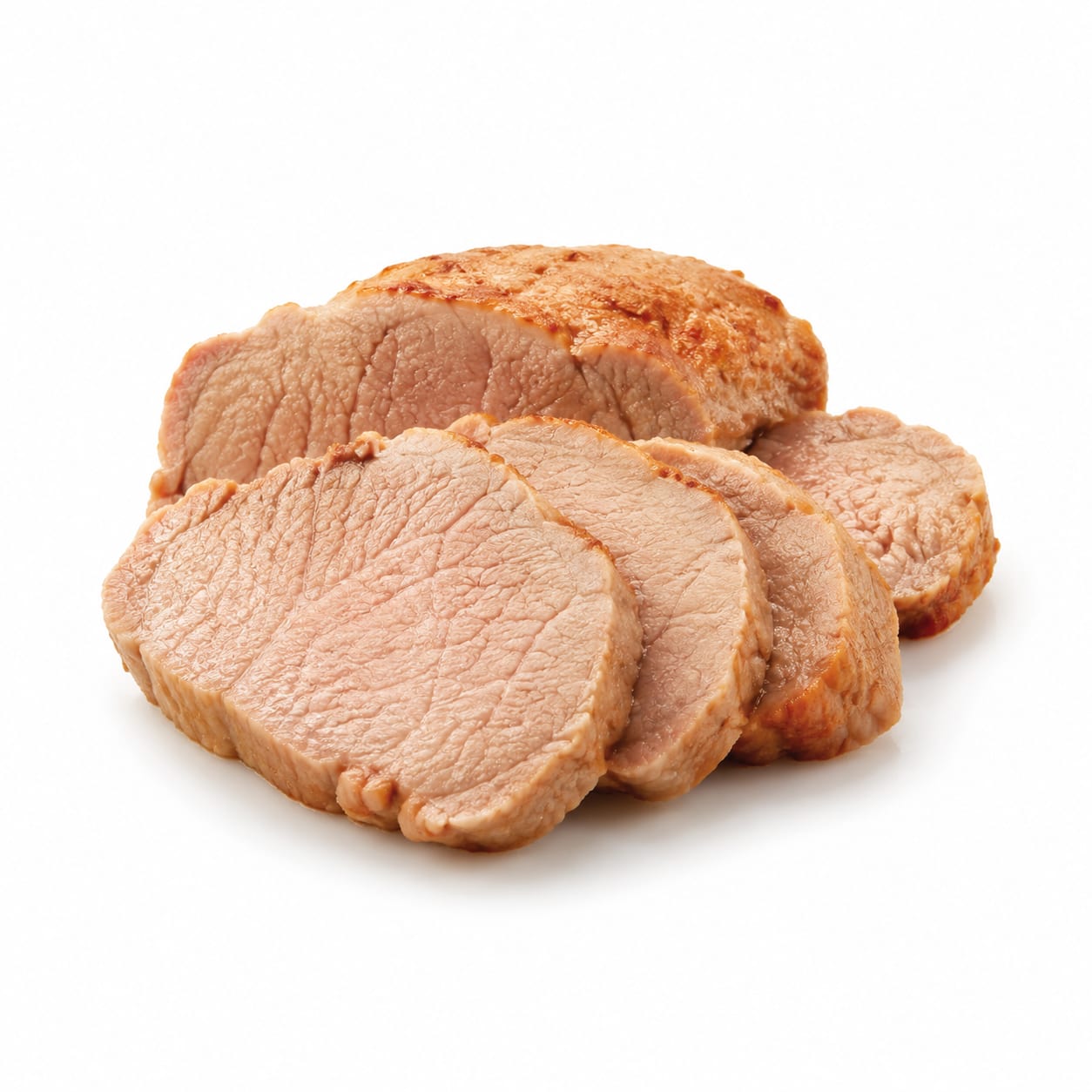
Veal
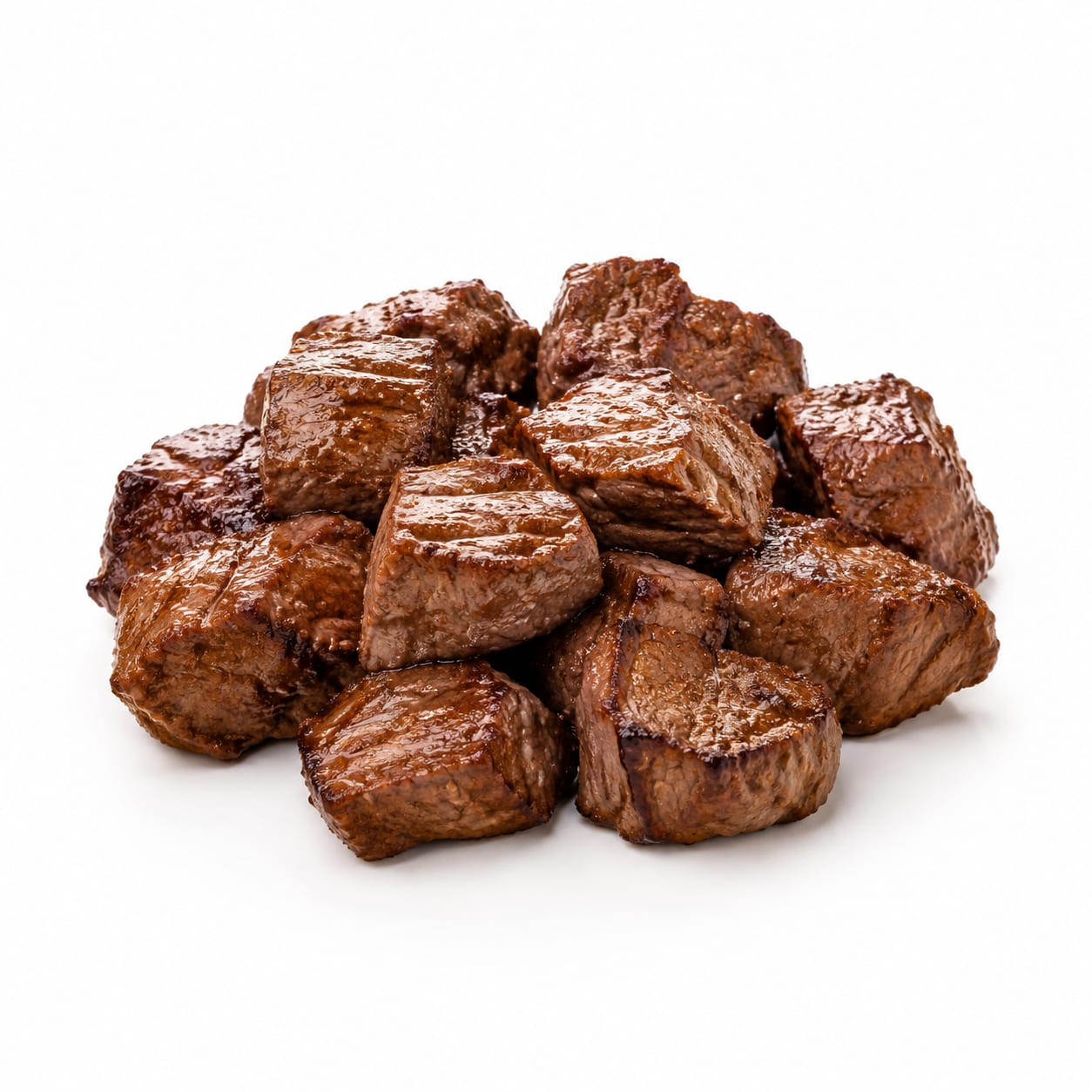
Beef
Beef wins on nutrition, value, and availability. Veal wins on leanness and tenderness. Ethics tip many consumers toward beef.
Beef scores higher overall due to superior micronutrient density, better value, wider availability, and fewer ethical concerns. Veal's leanness advantage is real but narrow, and it loses on iron, B12, practicality, and price. The gap would close if comparing lean beef cuts to veal specifically.
Veal gives you a leaner, more tender cut but costs more, delivers less iron, and carries heavier welfare concerns. Beef offers more nutrients per dollar with broader culinary flexibility.
At a glance
Executive summary
Overall
It depends
Healthier
It depends
More practical
Beef
Daily use
Beef
Key comparison lenses
nutritional density comparison between young and mature cattle meat
Users want to know if the age difference actually changes the health value in meaningful ways
leanness and fat profile for heart health decisions
Veal is perceived as leaner, which drives many health-conscious purchasing decisions
animal welfare and ethical concerns
Veal production carries significant ethical baggage that influences consumer choice beyond nutrition
iron and B-vitamin content for energy and deficiency prevention
Both are prized for these nutrients, but beef typically delivers more per serving
practical value considering price, availability, and versatility
Beef dominates everyday cooking while veal is more specialized and expensive
Best choice for
Veal
- Low-fat diets requiring high protein with minimal calories
- Gourmet cooking where tenderness matters more than cost
- People avoiding saturated fat who still want red meat
- Smaller portion eaters who prefer delicate flavors
Beef
- Iron-deficient individuals needing maximum mineral intake
- Budget-conscious families eating red meat regularly
- Athletes and lifters prioritizing protein per dollar
- Home cooks wanting maximum recipe versatility
Least suitable for
Veal
- Ethically conscious consumers disturbed by crate farming
- Budget-limited households
- Anyone needing maximum iron from their meat
- People who find mild-flavored meat unsatisfying
Beef
- People strictly limiting saturated fat intake
- Those wanting the most tender meat without long cooking
- Diners sensitive to stronger meat flavors
- Portion controllers who struggle with calorie-dense cuts
Deep comparison
Dimension by dimension
Each lens scores both foods and breaks down who each option suits.
- Dimension 1 · Priority 90Beef
Protein Quality and Quantity
Veal · 78Beef · 85Both deliver excellent complete protein, but beef edges ahead with slightly more protein per serving and higher creatine content beneficial for strength.
Tradeoff
Veal protein is slightly less concentrated due to higher water content. Beef provides more protein per ounce, which adds up across a full portion.
Why it matters
For most people the difference is small, but athletes tracking macros will notice beef pulls ahead over weekly meal prep.
Real-world impact
A 6oz beef serving gives roughly 42g protein versus 36g from the same veal portion. That 6g gap matters for anyone hitting specific targets.
Veal
- Easier digestion due to more tender muscle fibers
Better for
- Less protein per calorie consumed
Worse for
Beef
- More protein per serving and per dollar
- Higher creatine for strength athletes
Better for
- Tougher cuts require longer cooking for tenderness
Worse for
- Dimension 2 · Priority 88Veal
Fat Profile and Heart Health
Veal · 75Beef · 60Veal is notably leaner across most cuts, with less saturated fat per serving. This makes it the better choice for cardiovascular risk management.
Tradeoff
The leanness comes with less flavor and less juiciness. Many people compensate with butter or oil during cooking, which can erase the fat advantage entirely.
Why it matters
If heart health is your priority and you cook simply, veal genuinely delivers less saturated fat. But preparation method matters more than the raw numbers suggest.
Real-world impact
A lean veal cut might have 3g saturated fat versus 7g in a comparable beef cut. Over three weekly servings, that's 12g less saturated fat — meaningful for heart patients.
Veal
- Less saturated fat per standard serving
- Lower calorie density for weight management
- Naturally leaner without trimming
Better for
- Dry and tough if overcooked even slightly
- Temptation to add cooking fat negates leanness
Worse for
Beef
- More fat means more flavor without added oils
- Better for keto and low-carb approaches
- Fat-soluble vitamin absorption from natural marbling
Better for
- Higher saturated fat concerns for heart patients
- More calories per serving from fat
Worse for
- Dimension 3 · Priority 86Beef
Iron and Micronutrient Density
Veal · 62Beef · 88Beef is significantly richer in heme iron, zinc, and B12. The older the animal, the more concentrated these minerals become in the muscle.
Tradeoff
Veal's youth means less mineral accumulation. You get a tender piece of meat but sacrifice the nutrient density that makes red meat valuable in the first place.
Why it matters
For women, children, and anyone prone to anemia, this difference is not trivial. Beef delivers substantially more of what red meat is uniquely good at providing.
Real-world impact
Beef provides roughly 2.5mg iron per 3oz versus 1mg from veal. For someone borderline anemic, that gap affects energy levels within weeks.
Veal
- Slightly more tender texture for those with chewing difficulties
Better for
- Noticeably less iron per serving
- Lower zinc and B12 concentration
Worse for
Beef
- Significantly more heme iron for blood health
- Higher zinc for immune function
- More B12 for nerve and energy support
- Better overall micronutrient return per calorie
Better for
- Higher heme iron may concern people with hemochromatosis
Worse for
- Dimension 4 · Priority 85Beef
Animal Welfare and Ethics
Veal · 30Beef · 55Conventional veal production involves practices many consumers find unacceptable. Beef, while far from perfect, carries less ethical baggage overall.
Tradeoff
Pasture-raised veal exists but is rare and expensive. Standard veal still involves crate confinement. Beef has its own welfare issues but generally allows more natural movement.
Why it matters
For many consumers, this single factor overrides all nutritional considerations. The emotional weight of veal production is significant enough to change purchasing decisions entirely.
Real-world impact
Many people simply avoid veal regardless of health profile. If ethics matter to you, beef is the easier choice — or seek specifically labeled humane veal.
Veal
- Some producers now offer pasture-raised veal with better standards
Better for
- Crate confinement in conventional production
- Early separation from mothers
- Limited movement and natural behavior
- Significant consumer trust deficit
Worse for
Beef
- More grazing and movement during the animal's life
- Less consumer ethical discomfort
- Easier to find certified humane options
Better for
- Feedlot conditions still raise welfare concerns
- Industrial beef has its own ethical problems
Worse for
- Dimension 5 · Priority 75Beef
Price and Accessibility
Veal · 35Beef · 80Beef is dramatically more available and affordable. Veal is a specialty product with limited selection in most grocery stores.
Tradeoff
You pay a premium for veal's tenderness and leanness. For everyday meals, the cost difference makes beef the practical default for most households.
Why it matters
Nutrition only matters if you can access and afford it consistently. Beef wins on both counts, making it the sustainable choice for regular consumption.
Real-world impact
Veal typically costs 2-3 times more per pound than comparable beef cuts. A family eating red meat twice weekly could save $100+ monthly choosing beef over veal.
Veal
- Specialty butcher availability for premium cuts
Better for
- Prohibitively expensive for regular consumption
- Limited availability outside specialty shops
- Fewer cut options to choose from
Worse for
Beef
- Available in virtually every grocery store
- Much lower cost per serving
- Wider variety of cuts for different recipes
- Easier to buy in bulk and freeze
Better for
- Premium cuts like filet mignon approach veal pricing
Worse for
- Dimension 6 · Priority 70Beef
Culinary Versatility
Veal · 55Beef · 82Beef works across grilling, roasting, stewing, grinding, and more. Veal shines in specific traditional dishes but has a narrower range.
Tradeoff
Veal's delicate flavor is perfect for certain Italian and French recipes but gets lost in boldly seasoned dishes. Beef holds its own against strong spices and varied cooking methods.
Why it matters
If you cook diverse cuisines, beef adapts better. Veal rewards specific preparations but limits your weekly meal rotation.
Real-world impact
Ground beef works in tacos, burgers, pasta sauce, stir-fry, and chili. Ground veal works well in meatballs and bolognese but feels wasted in a taco night.
Veal
- Exceptional for osso buco, scaloppine, and blanquette
- Delicate flavor that pairs with subtle sauces
Better for
- Overcooks easily due to low fat content
- Mild flavor disappears in heavily spiced dishes
- Limited traditional recipe repertoire
Worse for
Beef
- Works across virtually every cooking method
- Stronger flavor stands up to bold seasonings
- Ground form is extremely versatile
- Better for grilling and high-heat searing
Better for
- Tougher cuts need slow cooking or marination
Worse for
Timeline
Health impact over time
Short-term
Hours to days
Veal
- Lighter post-meal feeling due to lower fat content
- Faster digestion from more tender muscle fibers
- Less likely to cause that heavy, sluggish sensation after eating
Beef
- More sustained fullness from higher fat and protein content
- Better post-workout recovery from higher iron and creatine
- Can feel heavier in the stomach, especially with fattier cuts
Long-term
Months to years
Veal
- Lower cumulative saturated fat intake if eaten regularly
- Possible iron insufficiency if relied on as primary red meat
- Less heme iron exposure, which may benefit those with iron overload risk
Beef
- Better long-term iron and B12 status, especially for menstruating women
- Higher saturated fat intake requires mindful cut selection
- More consistent nutrient density supports sustained energy over months
Risk profile
Safety & processing
Both veal and beef are whole, minimally processed meats when purchased as raw cuts. Neither typically contains additives in fresh form. The naturalness distinction is less about processing and more about how the animals were raised and what they were fed.
Veal
Antibiotic residues
mediumYoung calves may receive antibiotics early in life. Residue testing exists but concerns persist, especially in conventional operations.
Hormone exposure
lowHormone use in veal production is less common than in beef, but not universally absent.
Foodborne illness
mediumLike all raw meat, veal carries Salmonella and E. coli risk. Proper cooking to 145°F is essential.
Beef
Hormone residues
mediumGrowth hormones are permitted in some beef production. Choose organic or hormone-free if concerned.
Antibiotic residues
mediumConventional beef cattle often receive antibiotics. Residue limits are regulated but some consumers prefer antibiotic-free options.
Foodborne illness
mediumGround beef particularly carries E. coli risk. Cook to 160°F for ground, 145°F for whole cuts.
Heme iron excess
lowHigh heme iron intake may increase oxidative stress and colon cancer risk with excessive red meat consumption.
Who wins for whom
Audience fit
Same foods, different winners depending on your goal.
children
BeefGrowing children benefit significantly from beef's higher iron and zinc content. The nutrient density advantage outweighs veal's leanness for developing bodies.
daily consumption
BeefBetter nutrient density, lower cost, wider availability, and more cooking options make beef more sustainable as a regular protein source.
diabetes
It dependsBoth have zero carbs and minimal blood sugar impact. Veal's lower saturated fat may slightly edge it for cardiovascular diabetes management, but the difference is modest.
elderly
VealVeal's tenderness makes it easier to chew and digest. Lower saturated fat also aligns with cardiovascular concerns common in older adults.
muscle gain
BeefMore protein per serving, higher creatine, and better iron availability support training recovery and performance.
weight loss
VealVeal's lower fat and calorie content per serving makes it easier to fit into a calorie deficit while still providing satisfying protein.
Your move
Decision guide
Choose Veal
- Your doctor has specifically recommended reducing saturated fat while keeping red meat in your diet
- You're cooking a special occasion meal where tenderness and elegance matter more than cost
- You have difficulty chewing or digesting tougher meats
- You eat red meat rarely and want the leanest option when you do
Choose Beef
- You need maximum iron and B12 from your food, especially if you're a menstruating woman
- Budget matters and you want the best nutritional return per dollar
- You cook diverse cuisines and need a versatile protein
- Animal welfare concerns make veal uncomfortable for you
- You're an athlete prioritizing protein and creatine intake
Either works if
- You eat red meat only occasionally and either choice works fine
- You're choosing based on what's freshest at your butcher
- You're cooking a bolognese where both ground meats perform similarly
Avoid both if
- You have gout and need to limit purine intake
- Your doctor has advised eliminating red meat entirely
- You have hemochromatosis and must restrict heme iron
- You're following a plant-based diet for health or ethical reasons
Final recommendation
Beef is the better everyday choice for most people — more nutrients, lower cost, wider availability, and fewer ethical concerns. Choose veal when leanness truly matters or for specific recipes where its tenderness shines. If you do buy veal, seek pasture-raised or certified humane options to address the welfare gap.
Practical
Consumer tips
- 1
If buying veal, look for 'pasture-raised' or 'certified humane' labels to avoid crate-raised products
- 2
Lean beef cuts like eye of round or sirloin tip approach veal's leanness at a fraction of the cost
- 3
Mixing ground veal with ground beef in meatballs gives you tenderness with better flavor and value
- 4
Cook veal to medium doneness at most — its low fat makes it dry out quickly past that point
- 5
If iron is your priority, even cheap beef cuts outperform premium veal for mineral content
- 6
Freeze beef in portion sizes when it's on sale — you'll save money without sacrificing quality