
Nutrition comparison
Veal vs Chicken Breast: Which Lean Protein Is Better for You?
Compare veal and chicken breast on protein, calories, iron, B12, cost, and ethics. Find out which lean meat fits your health goals and budget best.
Overall winner · Chicken Breast
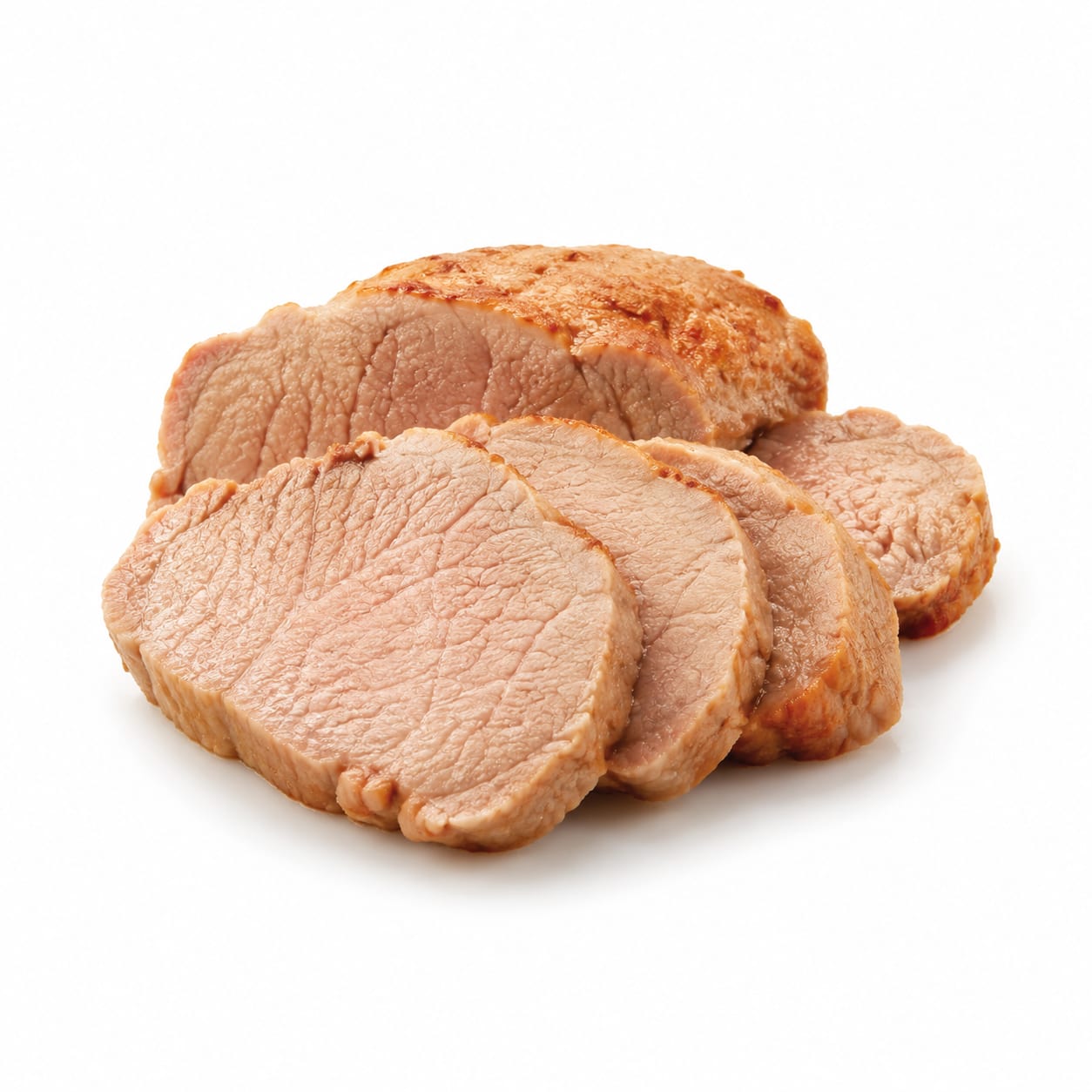
Veal
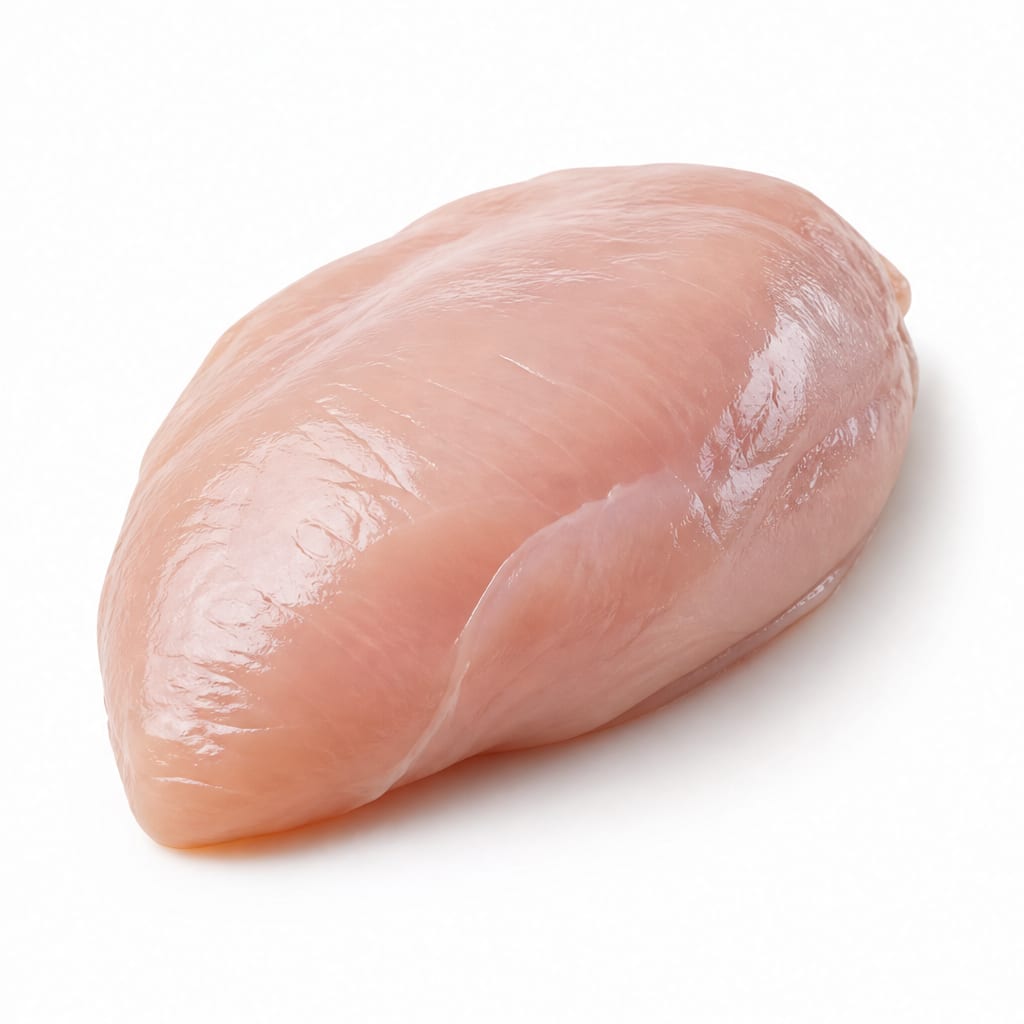
Chicken Breast
Chicken breast wins for everyday lean protein due to lower calories, lower cost, and broader availability. Veal offers superior iron and B12 but carries ethical baggage and a steeper price tag.
Chicken breast scores significantly higher due to its calorie efficiency, affordability, versatility, and lower saturated fat. Veal earns points for micronutrient density and flavor but loses ground on ethics, cost, and everyday practicality.
More micronutrients and richer flavor in veal versus fewer calories, less saturated fat, and easier daily use with chicken breast.
At a glance
Executive summary
Overall
Chicken Breast
Healthier
Chicken Breast
More practical
Chicken Breast
Daily use
Chicken Breast
Key comparison lenses
lean protein source selection
Both foods are primarily chosen as high-protein, low-fat meat options for fitness and health-conscious diets
micronutrient density comparison
Red meat vs white meat creates meaningful differences in iron, B12, and zinc that affect real dietary outcomes
heart health and cholesterol impact
Users comparing these meats often care about cardiovascular risk and long-term health tradeoffs
ethical and sustainability concerns
Veal production raises significant animal welfare questions that influence purchasing decisions
budget and everyday practicality
Price and availability differences affect whether someone can realistically eat either food regularly
Best choice for
Veal
- People with iron deficiency or anemia risk
- Those seeking B12-rich foods on a low-carb diet
- Anyone wanting a richer, more satisfying meat flavor occasionally
- Individuals prioritizing zinc intake for immune support
Chicken Breast
- Weight loss seekers needing maximum protein per calorie
- Meal preppers wanting affordable, versatile lean protein
- Heart-conscious eaters minimizing saturated fat
- Anyone eating lean protein multiple times per week
Least suitable for
Veal
- Budget-conscious households
- Those uncomfortable with veal production practices
- People strictly limiting saturated fat or cholesterol
- Anyone needing a go-to daily protein staple
Chicken Breast
- Individuals with iron deficiency needing heme iron sources
- Those bored with mild-flavored lean meats
- People seeking high B12 from food alone
Deep comparison
Dimension by dimension
Each lens scores both foods and breaks down who each option suits.
- Dimension 1 · Priority 95Chicken Breast
Protein Quality & Density
Veal · 82Chicken Breast · 90Both deliver excellent complete protein, but chicken breast provides slightly more protein per calorie and per serving, making it more efficient for muscle-building goals.
Tradeoff
Veal offers marginally more protein per ounce but with more calories attached. Chicken breast gives you more protein bang for your calorie buck.
Why it matters
When eating lean meat primarily for protein, getting more per calorie means you can hit targets without overshooting energy intake.
Real-world impact
A 4-ounce chicken breast delivers roughly 35g protein for 165 calories. The same portion of veal provides about 33g protein but costs 200+ calories depending on the cut.
Veal
- Those who prefer richer-tasting protein and do not count calories strictly
Better for
- Cutting phases where every calorie counts
Worse for
Chicken Breast
- Anyone tracking macros or calories for weight management
- Post-workout meals where lean protein matters most
Better for
- Rare occasions where flavor satisfaction from meat matters more than efficiency
Worse for
- Dimension 2 · Priority 90Chicken Breast
Calorie Efficiency & Leanness
Veal · 60Chicken Breast · 95Chicken breast is one of the leanest meats available. Veal is leaner than most beef but still carries more fat and calories than chicken breast.
Tradeoff
Veal's extra fat contributes to its richer taste and mouthfeel but adds calories without proportional protein benefit.
Why it matters
For anyone managing weight or eating multiple protein servings daily, calorie density adds up fast across a week.
Real-world impact
Eating chicken breast five times a week instead of veal could save 200-400 calories weekly without sacrificing protein intake.
Veal
- Meals where satisfaction and flavor matter more than calorie counting
- People on keto or low-carb diets who welcome dietary fat
Better for
- Daily consumption during a calorie deficit
Worse for
Chicken Breast
- Consistent weight management over months and years
- Anyone eating lean protein 3+ times per week
Better for
- Meals that feel too lean or dry without added fat
Worse for
- Dimension 3 · Priority 85Veal
Micronutrient Richness
Veal · 88Chicken Breast · 62Veal significantly outperforms chicken breast in iron, vitamin B12, and zinc — nutrients many people lack, especially women and vegetarians transitioning back to meat.
Tradeoff
You gain meaningful micronutrient boosts with veal but take on more saturated fat and calories to get them.
Why it matters
Iron deficiency affects roughly 1 in 4 women globally. Heme iron from veal is far more absorbable than plant sources.
Real-world impact
A serving of veal provides roughly 15% of daily iron needs versus about 5% from chicken breast. For someone borderline anemic, that difference is tangible.
Veal
- Women of reproductive age with low iron
- Anyone recovering from B12 deficiency
- Older adults needing zinc for immune function
Better for
- Anyone avoiding red meat for health reasons despite micronutrient benefits
Worse for
Chicken Breast
- People already meeting micronutrient needs through supplements or varied diet
- Those whose primary goal is macronutrient management
Better for
- Reliance on chicken breast alone may create subtle iron gaps over time
Worse for
- Dimension 4 · Priority 80Chicken Breast
Heart Health & Cholesterol
Veal · 50Chicken Breast · 85Chicken breast contains less saturated fat and cholesterol than veal, making it the safer regular choice for cardiovascular health.
Tradeoff
Veal is not as harmful as fatty beef cuts, but its saturated fat content still warrants moderation for heart-conscious eaters.
Why it matters
Repeated dietary choices compound over decades. Small saturated fat differences become meaningful heart health outcomes over a lifetime.
Real-world impact
Swapping veal for chicken breast a few times per week reduces weekly saturated fat intake by 3-6 grams — a meaningful shift for heart health over a year.
Veal
- Occasional meals where heart risk from one serving is negligible
Better for
- Daily or near-daily consumption for those with elevated cholesterol
Worse for
Chicken Breast
- Anyone with family history of heart disease
- Regular protein eaters needing a heart-safe default option
Better for
- Situations where leanness is irrelevant to the meal's purpose
Worse for
- Dimension 5 · Priority 75Chicken Breast
Practicality & Affordability
Veal · 35Chicken Breast · 92Chicken breast is widely available, easy to find in any grocery store, and costs a fraction of veal. Veal is specialty meat with limited availability and premium pricing.
Tradeoff
Veal's premium price reflects its niche production and lower demand. You pay more for a richer eating experience and slightly better micronutrients.
Why it matters
The best protein source is one you can actually afford and access consistently. Nutrition only works if you can sustain it.
Real-world impact
Chicken breast typically costs $3-5 per pound. Veal often runs $15-30+ per pound. That 3-6x price difference makes veal unrealistic as a daily protein for most households.
Veal
- Special occasion meals or restaurant dining
- Anyone with no budget constraints seeking variety
Better for
- Anyone who needs to eat lean meat 4+ times per week affordably
Worse for
Chicken Breast
- Weekly meal prep on a budget
- Families needing affordable protein for multiple people
- Students and young professionals watching grocery costs
Better for
- Special dinners where chicken breast feels too ordinary
Worse for
- Dimension 6 · Priority 70Chicken Breast
Ethical & Sustainability Considerations
Veal · 25Chicken Breast · 65Veal production faces serious animal welfare criticism due to confinement practices. Chicken production has its own issues but is generally viewed as less ethically fraught.
Tradeoff
Neither meat is free from ethical concerns in conventional farming. But veal's association with crate systems makes it a harder choice for welfare-conscious consumers.
Why it matters
Many consumers factor animal welfare into food decisions. Even if nutrition is similar, ethical discomfort can reduce meal satisfaction and long-term adherence.
Real-world impact
Choosing chicken breast over veal avoids supporting the most criticized practices in meat production, though pasture-raised veal options do exist at premium prices.
Veal
- Consumers who source exclusively from certified humane or pasture-raised veal operations
Better for
- Social gatherings where veal may spark uncomfortable conversations
- Anyone uneasy about supporting conventional veal farming
Worse for
Chicken Breast
- Anyone who considers animal welfare in purchasing decisions
- Diners who want to avoid explaining controversial food choices to guests
Better for
- Conventional chicken farming still raises welfare concerns that some find unacceptable
Worse for
Timeline
Health impact over time
Short-term
Hours to days
Veal
- Higher satiety from fat content keeps you fuller longer after a single meal
- Richer flavor may reduce cravings for additional food later
- Heme iron provides a quick bioavailable boost for fatigued individuals
Chicken Breast
- Lighter post-meal feeling due to minimal fat content
- Clean energy without heaviness, ideal before or after exercise
- Easy to digest without feeling sluggish
Long-term
Months to years
Veal
- Regular consumption may contribute to higher LDL cholesterol over years
- Excellent sustained B12 and iron status reduces deficiency risk
- Higher cost limits how often most people can realistically eat it
Chicken Breast
- Consistent lean protein supports healthy body composition long-term
- Lower saturated fat intake reduces cumulative cardiovascular risk
- Possible iron gap if chicken breast is the only meat consumed regularly
Risk profile
Safety & processing
Both veal and chicken breast are whole, minimally processed meats when purchased fresh. Concerns center on farming practices and antibiotic use rather than additives or processing.
Veal
Antibiotic residues
mediumConventional veal production has historically used more antibiotics than other meats. Choose organic or antibiotic-free when possible.
Hormone exposure
lowHormone use in veal is prohibited in many countries but enforcement varies. US regulations restrict but do not eliminate concerns.
Foodborne illness
mediumLike all raw meats, veal requires proper handling and thorough cooking to minimize bacterial contamination risk.
Chicken Breast
Salmonella contamination
mediumChicken is a leading carrier of salmonella. Proper cooking to 165°F and avoiding cross-contamination are essential.
Antibiotic-resistant bacteria
mediumConventional chicken farming uses antibiotics that contribute to resistant bacteria. Organic or antibiotic-free options reduce this risk.
Campylobacter exposure
mediumChicken is the most common source of campylobacter infections. Safe handling and full cooking effectively eliminate this risk.
Who wins for whom
Audience fit
Same foods, different winners depending on your goal.
children
It dependsChicken breast is safer for regular meals due to lower saturated fat, but veal's iron and B12 can benefit children with deficiency when served occasionally.
daily consumption
Chicken BreastAffordability, availability, lower saturated fat, and cooking versatility make chicken breast the clear daily default.
diabetes
Chicken BreastLower saturated fat intake supports insulin sensitivity better over time compared to regular red meat consumption.
elderly
Chicken BreastLower saturated fat supports heart health in older adults, and chicken breast's softer texture when cooked properly is easier to chew and digest.
muscle gain
Chicken BreastHigher protein per calorie and easier daily consumption make chicken breast more practical for building muscle consistently.
weight loss
Chicken BreastFewer calories and less fat per gram of protein make chicken breast the most efficient choice for sustained weight loss.
Your move
Decision guide
Choose Veal
- You have iron deficiency or are at risk for anemia and want a food-based solution
- You are eating red meat occasionally for B12 and zinc and want a leaner option than beef
- Cost is not a barrier and you want a richer, more satisfying meat experience
- You can source pasture-raised or humanely raised veal and feel comfortable with the ethics
Choose Chicken Breast
- You need an affordable lean protein you can eat multiple times per week
- Heart health or cholesterol management is a priority
- You meal prep regularly and want versatile, easy-to-cook protein
- You want maximum protein with minimum calories for weight management
Either works if
- You rotate protein sources throughout the week and want variety
- Both fit your budget and you are choosing based on what sounds good for a specific meal
- Your overall diet already covers iron and B12 from other sources
Avoid both if
- You follow a plant-based diet for ethical, environmental, or health reasons
- You have gout and need to limit purine-rich meats
- You cannot verify safe cooking temperatures and handling practices
Final recommendation
Make chicken breast your everyday lean protein and treat veal as an occasional upgrade when you want richer flavor and a micronutrient boost. This gives you the calorie efficiency and affordability of chicken breast most days while still capturing veal's iron and B12 benefits once in a while. If ethics matter to you, seek out certified humane veal or simply stick with chicken breast and supplement iron if needed.
Practical
Consumer tips
- 1
Buy organic or antibiotic-free chicken breast to reduce exposure to resistant bacteria and antibiotic residues
- 2
If choosing veal, look for 'pasture-raised' or 'group-raised' labels to avoid crate-farmed products
- 3
Pair chicken breast with iron-rich sides like spinach or lentils to compensate for its lower iron content
- 4
Cook veal to medium doneness at most — overcooking makes it tough and dry, unlike chicken which should always reach 165°F
- 5
Freeze chicken breast in individual portions for easy weeknight meal prep — veal is best cooked fresh
- 6
Marinate chicken breast to prevent dryness since its low fat content means it dries out faster than veal
- 7
Consider veal once every 1-2 weeks and chicken breast 3-4 times per week as a balanced approach