
Nutrition comparison
Veal vs Bison: Which Red Meat Is Healthier and More Ethical?
Compare veal and bison nutrition, taste, ethics, and health impact. Bison is leaner and more sustainable, but veal offers tenderness. Find out which is right for you.
Overall winner · Bison
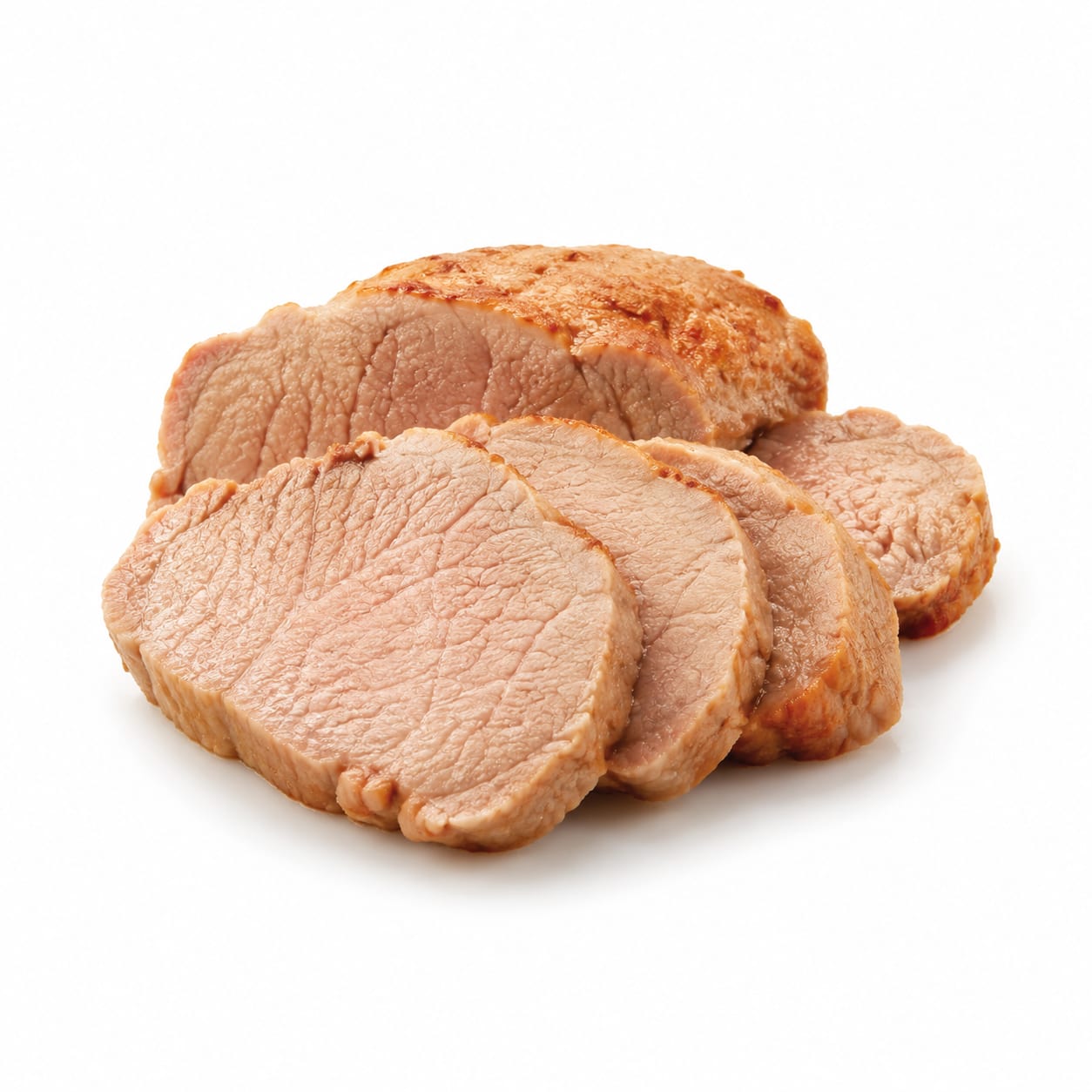
Veal
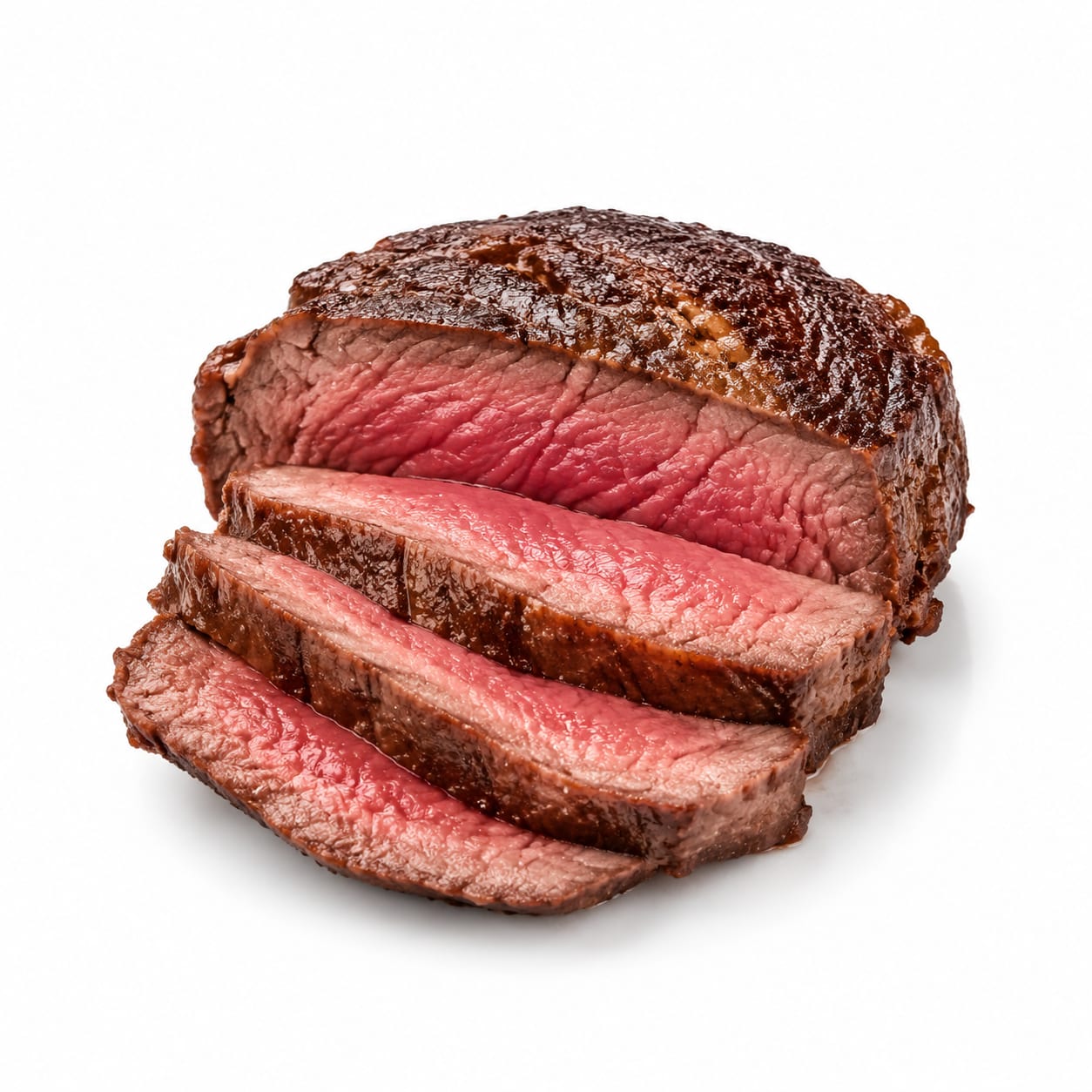
Bison
Bison wins on nutrition and ethics, offering leaner protein with less saturated fat and fewer welfare concerns than veal.
Bison scores notably higher due to its leaner profile, better fat quality, and stronger ethical positioning. Veal loses ground on saturated fat content and animal welfare perception, though it remains a high-quality protein source with culinary merit.
Bison is nutritionally superior and more ethically straightforward, but costs more and is harder to find. Veal is more tender and accessible but carries heavier saturated fat and ethical baggage.
At a glance
Executive summary
Overall
Bison
Healthier
Bison
More practical
Veal
Daily use
Bison
Key comparison lenses
Lean protein comparison for health-conscious meat eaters
Both are premium red meats, but bison is significantly leaner with a better fat-to-protein ratio, making this the central decision factor
Heart health and cholesterol management
Bison consistently delivers less saturated fat and cholesterol, which matters deeply for cardiovascular risk reduction
Ethical and sustainability concerns
Veal carries well-known animal welfare concerns that influence many consumers, while bison is typically pasture-raised with better sustainability profiles
Everyday practicality and availability
Bison is harder to find and more expensive, while veal has limited but established availability in grocery stores and restaurants
Best choice for
Veal
- People who prioritize tenderness and mild flavor in recipes
- Traditional European cuisine enthusiasts
- Those with easier access to specialty butchers
Bison
- Health-conscious red meat lovers watching saturated fat
- People concerned about animal welfare and sustainability
- Athletes and fitness-focused eaters wanting lean protein
- Anyone managing cholesterol or heart health risks
Least suitable for
Veal
- People avoiding high saturated fat intake
- Consumers troubled by intensive farming practices
- Budget-conscious shoppers
Bison
- Those on tight grocery budgets
- People without access to specialty meat suppliers
- Anyone who dislikes gamier or denser meat textures
Deep comparison
Dimension by dimension
Each lens scores both foods and breaks down who each option suits.
- Dimension 1 · Priority 95Bison
Protein Quality and Leanness
Veal · 65Bison · 92Bison delivers more protein per calorie with dramatically less fat, making it the cleaner fuel for your body.
Tradeoff
Veal is more tender and easier to chew, but you pay for that softness with extra fat calories.
Why it matters
Leaner protein means better muscle maintenance without the saturated fat baggage that stresses your heart over time.
Real-world impact
A bison steak fills you up with protein without leaving you feeling heavy or sluggish afterward. Veal can feel richer but weighs you down more.
Veal
- Recipes where tenderness matters more than leanness
- Diners who find lean meats too dry or tough
Better for
- Daily red meat consumption due to higher fat load
- People counting calories who need leaner options
Worse for
Bison
- Post-workout meals where lean protein is the priority
- Anyone tracking macros who wants maximum protein per calorie
- Weight management plans requiring calorie efficiency
Better for
- Slow-cooking recipes where some fat keeps meat moist
- Diners expecting buttery soft texture without extra cooking effort
Worse for
- Dimension 2 · Priority 90Bison
Heart Health and Fat Profile
Veal · 45Bison · 82Bison has significantly less saturated fat and cholesterol, making it the heart-friendlier red meat by a wide margin.
Tradeoff
Veal's higher fat content creates richer flavor and mouthfeel but comes with more cardiovascular risk per serving.
Why it matters
Saturated fat from red meat directly impacts LDL cholesterol. Choosing bison lets you enjoy red meat with less cardiac worry.
Real-world impact
Eating bison instead of veal a few times a week can meaningfully reduce your saturated fat intake without eliminating red meat from your life.
Veal
- Occasional indulgence meals where heart health is not the day's priority
Better for
- Regular consumption for people with cardiovascular risk factors
- Diets already high in saturated fat from other sources
Worse for
Bison
- Anyone with family history of heart disease
- People managing high cholesterol who still want red meat
- Long-term eaters planning for decades of heart health
Better for
- Extremely lean diets where some additional fat would actually be beneficial
Worse for
- Dimension 3 · Priority 82Bison
Ethical and Sustainability Profile
Veal · 30Bison · 80Bison is typically pasture-raised with regenerative farming practices, while veal carries persistent animal welfare concerns.
Tradeoff
Veal farming has improved in some regions, but the industry's reputation remains troubled. Bison generally lives closer to its natural state.
Why it matters
For many consumers, knowing their food was raised humanely adds real emotional peace and aligns eating with values.
Real-world impact
Choosing bison feels ethically cleaner for most people. Veal requires more research to find higher-welfare sources, which adds friction to everyday decisions.
Veal
- Consumers who verify crate-free or pasture-raised veal from trusted local farms
Better for
- Consumers who care about animal welfare but do not verify sourcing
- Diners uncomfortable with industrial farming methods
Worse for
Bison
- Anyone who wants less ethical research before dinner
- Environmentally conscious eaters interested in regenerative agriculture
- People disturbed by conventional veal farming practices
Better for
- Very strict locavores if bison is not raised nearby
Worse for
- Dimension 4 · Priority 75Bison
Micronutrient Density
Veal · 70Bison · 82Both deliver strong B12, iron, and zinc, but bison edges ahead with higher concentrations of key minerals per serving.
Tradeoff
The difference is modest. Both are excellent nutrient-dense choices compared to most other protein sources.
Why it matters
B12 and iron are common deficiencies, especially for women and older adults. Red meat remains one of the most efficient ways to get both.
Real-world impact
Either choice effectively prevents B12 deficiency and supports energy levels. Bison just delivers slightly more nutritional bang per bite.
Veal
- Iron-deficient individuals who find veal more palatable and easier to eat regularly
Better for
- Situations where every nutrient per calorie matters
Worse for
Bison
- Anyone wanting maximum micronutrient return per calorie
- Older adults needing efficient B12 delivery
Better for
- People who will not eat bison due to taste preference, losing the nutrient benefit entirely
Worse for
- Dimension 5 · Priority 65Veal
Practicality and Accessibility
Veal · 60Bison · 45Veal is easier to find at standard grocery stores and restaurants, while bison often requires specialty suppliers or online orders.
Tradeoff
Neither is as convenient as chicken or beef, but veal has slightly better mainstream availability depending on your location.
Why it matters
The healthiest protein only works if you can actually buy and cook it. Accessibility determines whether good intentions become real meals.
Real-world impact
If you live near a good butcher or specialty grocer, bison is manageable. Otherwise, you may default to veal or simply eat less red meat overall.
Veal
- Urban dwellers with access to Italian or French restaurants
- Cooking traditional recipes that specifically call for veal
Better for
- Quick weeknight dinners when you need something from a standard grocery store
Worse for
Bison
- People willing to order meat online in bulk
- Those near ranches or specialty butchers stocking bison
Better for
- Spontaneous meal planning without specialty shopping access
- Tight grocery budgets given bison's premium pricing
Worse for
Timeline
Health impact over time
Short-term
Hours to days
Veal
- Rich, satisfying meal that feels indulgent and filling
- Higher fat content may cause sluggishness after large portions
- Excellent post-injury or post-surgery protein for tissue repair
Bison
- Clean, sustained energy without the heavy feeling after eating
- Efficient satiety from high protein with minimal fat drag
- Less post-meal digestive heaviness compared to fattier meats
Long-term
Months to years
Veal
- Regular consumption increases saturated fat intake, potentially raising LDL cholesterol over years
- High-quality heme iron supports prevention of anemia but excess iron may pose risks for some people
- Ethical discomfort may reduce eating satisfaction for welfare-conscious consumers
Bison
- Consistently leaner red meat choice supports heart health while maintaining iron and B12 status
- Lower lifetime saturated fat exposure compared to conventional red meats
- Regenerative bison farming may offer environmental benefits that indirectly support long-term food system health
Risk profile
Safety & processing
Both veal and bison are typically sold as whole cuts with minimal processing. Neither commonly contains artificial additives when purchased as fresh meat. The naturalness advantage goes to bison because it is less likely to come from concentrated feeding operations that use routine antibiotics or growth promoters.
Veal
Antibiotic residues
mediumConventional veal farming has historically used antibiotics more liberally. Sourcing from verified antibiotic-free farms reduces this concern significantly.
Foodborne illness from undercooking
mediumLike all red meats, veal carries risk of bacterial contamination. Cooking to proper internal temperature is essential, especially for ground veal.
Bison
Foodborne illness from undercooking
mediumBison requires the same safe handling as beef. Ground bison should reach 160°F internally. Steaks can be cooked slightly less but still need adequate heat.
Contamination from wild or open-range environments
lowPasture-raised bison may have different exposure patterns, but commercial bison operations follow USDA inspection standards that minimize this risk.
Who wins for whom
Audience fit
Same foods, different winners depending on your goal.
children
It dependsVeal's tenderness makes it easier for young children to chew, but bison's leaner profile is nutritionally preferable. Choose based on the child's texture preferences and chewing ability.
daily consumption
BisonLower saturated fat and better ethical profile make bison more sustainable as a regular red meat choice, though variety with other proteins is still ideal.
diabetes
BisonBoth have zero carbohydrates, but bison's lower saturated fat content is better for the cardiovascular risks that accompany diabetes.
elderly
BisonOlder adults need high-quality protein with less saturated fat to protect heart health while preventing muscle loss. Bison fits both priorities better.
muscle gain
BisonHigher protein density with less fat means more usable protein per meal, which supports muscle protein synthesis more efficiently.
weight loss
BisonBison provides more protein and fewer calories per serving, making it easier to stay in a calorie deficit while feeling full.
Your move
Decision guide
Choose Veal
- You are cooking a traditional Italian or French recipe where veal is essential
- Tenderness and mild flavor matter more than leanness for your guests
- You have access to ethically raised veal from a trusted local farm
Choose Bison
- You want the leanest red meat option available
- Heart health or cholesterol management is a priority for you
- Animal welfare and sustainability influence your purchasing decisions
- You are meal prepping lean protein for fitness goals
Either works if
- You need high-quality complete protein and both are available
- You are eating red meat only occasionally, making the fat difference less critical
- Iron or B12 supplementation is your main goal and both deliver effectively
Avoid both if
- You have been advised to eliminate red meat entirely for health reasons
- You follow a plant-based diet for ethical or environmental reasons
- You have gout or severe uric acid issues that require limiting purine-rich meats
Final recommendation
Bison is the better choice for most people most of the time. It delivers the red meat experience with less saturated fat, stronger ethics, and better long-term health alignment. Choose veal when culinary tradition or tenderness demands it, but make bison your default red meat.
Practical
Consumer tips
- 1
If you choose veal, look for crate-free or pasture-raised certifications to address welfare concerns
- 2
Bison is best cooked medium-rare to medium since its leanness makes it dry out faster than fattier meats
- 3
Buy bison in bulk online if local availability is limited — it freezes well for months
- 4
Let either meat rest after cooking for 5-10 minutes to retain juices and improve texture
- 5
Pair both with vitamin C-rich vegetables like bell peppers to boost iron absorption naturally
- 6
Ground bison is an excellent lean substitute for ground beef in burgers, meatballs, and chili