
Nutrition comparison
Veal vs Duck: Which Red Meat Is Healthier for You?
Compare veal and duck nutrition — protein, fat, calories, iron, and health tradeoffs. Find out which red meat fits your diet, goals, and values better.
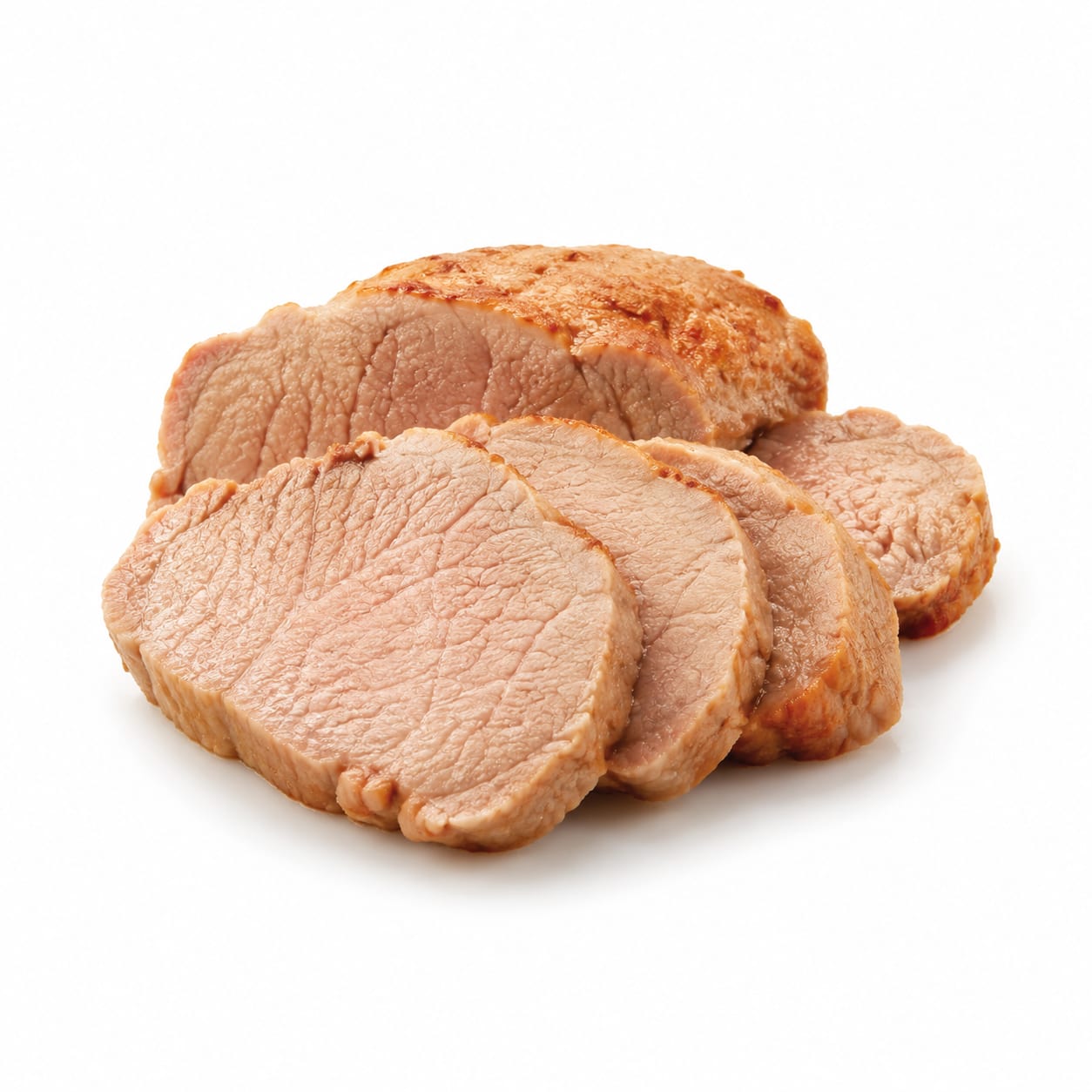
Veal
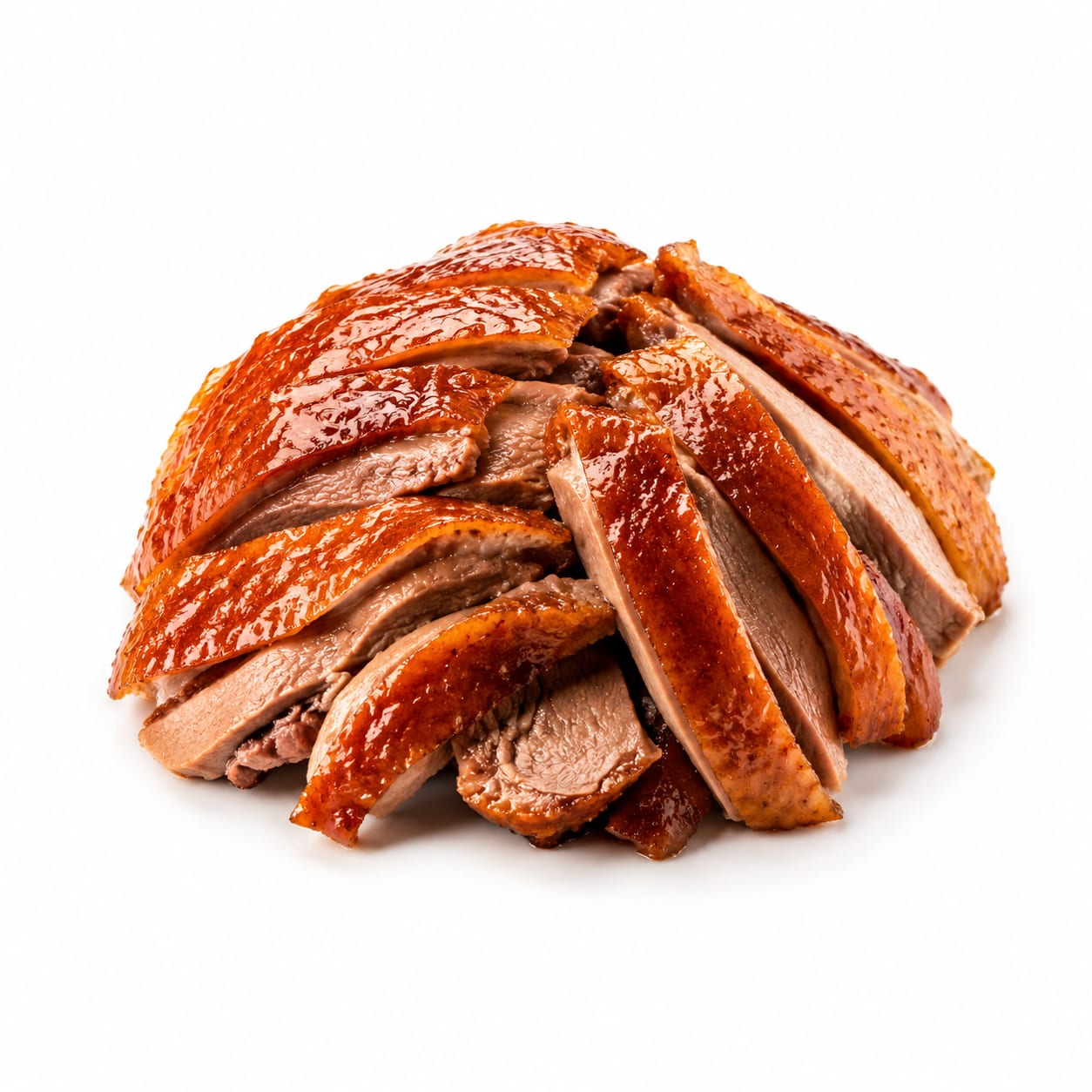
Duck
Veal wins for lean protein and calorie control; duck wins for iron, flavor richness, and more humane sourcing options.
Veal scores higher due to its leanness and protein density, but loses ground on ethical concerns and cost. Duck scores lower mainly because of its high fat and calorie load, though it excels in micronutrients and culinary satisfaction. Neither is an everyday health food.
You trade leanness and protein density for richer flavor and better micronutrients — veal is the dieter's red meat, duck is the food lover's red meat.
At a glance
Executive summary
Overall
It depends
Healthier
Veal
More practical
It depends
Daily use
Veal
Key comparison lenses
Protein quality and leanness for muscle and weight goals
Veal is significantly leaner with higher protein density, while duck carries substantially more fat, making this the primary nutritional tradeoff
Heart health and cholesterol impact
Both are red meats with notable saturated fat and cholesterol, but duck's higher fat load raises stronger cardiovascular concerns
Ethical and sourcing considerations
Veal carries well-known animal welfare concerns that heavily influence consumer choice, while duck has fewer but still present welfare considerations
Culinary richness versus dietary restraint
Duck delivers a luxurious eating experience with its fat content, while veal offers leaner elegance that fits calorie-conscious meals
Iron and micronutrient density
Both provide excellent B vitamins and minerals, but duck edges ahead on iron and certain B vitamins due to its darker meat
Best choice for
Veal
- People tracking calories or macros closely
- Anyone prioritizing lean protein after workouts
- Those managing cholesterol or saturated fat intake
- Diners wanting a lighter red meat option
Duck
- Iron-deficient individuals needing a boost
- Home cooks wanting rich, satisfying flavor with less meat
- People seeking higher B-vitamin intake
- Those who value nose-to-tail cooking and rendered fat use
Least suitable for
Veal
- Anyone with strong ethical concerns about animal welfare
- Budget-conscious shoppers (veal is expensive)
- People wanting rich, indulgent flavor from their protein
Duck
- Anyone strictly limiting saturated fat or calories
- People managing heart disease risk factors
- Those who dislike gamey or rich-tasting meat
Deep comparison
Dimension by dimension
Each lens scores both foods and breaks down who each option suits.
- Dimension 1 · Priority 94Veal
Protein Density and Leanness
Veal · 88Duck · 52Veal delivers significantly more protein per calorie and per gram, making it far more efficient for muscle building and weight management.
Tradeoff
Duck's fat makes it more calorie-dense, so you get less protein per serving — but that fat also carries flavor and helps you feel satisfied with smaller portions.
Why it matters
If you're counting macros or calories, veal gives you more protein bang for your buck. Duck requires portion discipline to avoid overshooting your fat budget.
Real-world impact
A 4oz veal serving gives you roughly 30g protein with under 5g fat. The same duck serving hits 22g protein but carries over 15g fat.
Veal
- Post-workout meals where lean protein matters
- Calorie-controlled diets
- Meal prep where you want predictable macros
Better for
- Occasions where you want indulgent, luxurious eating
Worse for
Duck
- Meals where satisfaction matters more than macro precision
- Cold-weather dishes where richness feels appropriate
Better for
- Cutting phases or strict macro tracking
- Multiple meals per day protein plans
Worse for
- Dimension 2 · Priority 88Veal
Heart Health and Inflammatory Impact
Veal · 62Duck · 45Both are red meats with cardiovascular downsides, but duck's substantially higher saturated fat makes it the tougher choice for heart health.
Tradeoff
Veal is leaner but still carries red meat risks. Duck fat includes some heart-friendlier monounsaturated fat, but the total saturated load is still high enough to matter.
Why it matters
Regular consumption of either raises long-term heart disease risk compared to poultry or fish, but duck does so more aggressively per serving.
Real-world impact
Eating duck weekly is harder on your lipid profile than weekly veal. If heart health is a priority, both should be occasional treats, but veal is the safer occasional choice.
Veal
- People with family history of heart disease
- Those watching their cholesterol numbers
- Anyone eating red meat more than twice monthly
Better for
- People who assume lean red meat is heart-healthy (it's still red meat)
Worse for
Duck
- Active individuals who burn through dietary fat efficiently
Better for
- Sedentary individuals with elevated LDL
- Anyone with multiple cardiovascular risk factors
Worse for
- Dimension 3 · Priority 78Duck
Micronutrient Density
Veal · 68Duck · 80Duck's darker meat delivers more iron, zinc, and several B vitamins than veal, making it the micronutrient winner despite its fat content.
Tradeoff
You get more vitamins and minerals per bite with duck, but you also get significantly more calories and saturated fat as the delivery vehicle.
Why it matters
For people with iron deficiency or higher mineral needs, duck is surprisingly nutrient-dense. Veal still provides good nutrition but with a leaner profile.
Real-world impact
A single duck serving can cover over 30% of your daily iron needs. Veal covers about 15-20%. That difference matters if you're prone to fatigue or low iron.
Veal
- Getting solid B12 and zinc without excess calories
Better for
- Those counting on red meat as their primary iron source
Worse for
Duck
- Women with heavy periods needing iron
- Anyone recovering from anemia
- Endurance athletes with high mineral turnover
Better for
- People who cannot afford the extra calories to get those nutrients
Worse for
- Dimension 4 · Priority 85Duck
Ethical and Sourcing Concerns
Veal · 35Duck · 62Veal's association with crate-raised calves makes it ethically fraught for many consumers, while duck farming — though not perfect — carries less stigma.
Tradeoff
Ethically raised veal exists (pasture-raised, crate-free), but it's harder to find and more expensive. Duck is easier to source responsibly, though factory farming still exists.
Why it matters
For many people, this dimension alone decides the choice. Veal's reputation is a genuine barrier regardless of its nutritional profile.
Real-world impact
If you care about animal welfare, finding crate-free veal requires effort and premium spending. Duck from small farms or free-range sources is more accessible.
Veal
- Consumers who can source and afford certified humane veal
Better for
- Diners who refuse veal regardless of sourcing
- Restaurants catering to ethically conscious customers
Worse for
Duck
- Anyone who avoids veal on ethical grounds
- People wanting easier access to responsibly raised meat
Better for
- Those who assume all poultry farming is humane (it isn't)
Worse for
- Dimension 5 · Priority 72Duck
Culinary Satisfaction and Versatility
Veal · 65Duck · 82Duck's rendered fat is a prized cooking medium, and its rich flavor makes small portions deeply satisfying. Veal is versatile but milder and less rewarding per bite.
Tradeoff
Duck takes more skill to cook well and needs rendering, while veal is easier to prepare but can feel underwhelming if you're craving something hearty.
Why it matters
In real life, satisfaction drives sustainability. Duck's richness means you naturally eat less while feeling more satisfied, which can paradoxically help portion control.
Real-world impact
Duck fat can be reused for roasting potatoes or vegetables, stretching one purchase across multiple meals. Veal doesn't offer that bonus.
Veal
- Quick weeknight cooking where simplicity wins
- Dishes where you want protein that doesn't dominate the flavor
Better for
- Home cooks wanting a show-stopping centerpiece dish
Worse for
Duck
- Special occasion meals worth the effort
- Cooks who enjoy rendering fat and nose-to-tail utilization
- Recipes where the meat is the star
Better for
- Weeknight cooks short on time and patience
- Anyone intimidated by fat rendering techniques
Worse for
- Dimension 6 · Priority 70It depends
Digestive Tolerance and Satiety
Veal · 72Duck · 74Duck's fat content slows digestion and prolongs fullness, while veal digests more quickly and feels lighter — each suits different situations.
Tradeoff
Duck keeps you full longer but can feel heavy. Veal is easier on the stomach but may leave you hungry sooner, especially without side dishes.
Why it matters
Post-meal comfort matters. Some people feel sluggish after duck, while others appreciate not needing a snack two hours later.
Real-world impact
After a duck dinner, you're unlikely to crave dessert. After a lean veal meal, you might reach for something else within a couple hours.
Veal
- People with sensitive digestion who prefer lighter meals
- Late dinners where going to bed full feels uncomfortable
Better for
- Anyone prone to post-dinner snacking
Worse for
Duck
- Long days where one meal needs to carry you for hours
- Active people who need sustained energy
Better for
- People who feel sluggish after high-fat meals
- Those with gallbladder issues or fat digestion difficulty
Worse for
Timeline
Health impact over time
Short-term
Hours to days
Veal
- Quick-satisfying protein hit without heaviness
- Unlikely to cause post-meal fatigue or digestive discomfort
- Blood sugar stable due to minimal fat interference with glucose metabolism
Duck
- Deep, lasting fullness from high fat content
- Possible sluggishness after large portions
- Slower digestion may delay hunger for 4-5 hours
Long-term
Months to years
Veal
- Lower cumulative saturated fat intake compared to duck, but still carries red meat cardiovascular risks
- Regular consumption still linked to increased heart disease risk in large studies
- Leaner profile makes it easier to fit into a calorie-controlled long-term diet
Duck
- Higher saturated fat intake contributes to elevated LDL cholesterol over time
- Iron and B-vitamin density supports energy and immune function long-term
- Richness naturally limits frequency, which may reduce cumulative red meat exposure
Risk profile
Safety & processing
Both veal and duck are typically sold as whole cuts with minimal processing. Fresh cuts are straightforward — just meat. Watch out for pre-marinated or pre-seasoned versions, which can hide sodium and preservatives. Either way, both score well on naturalness when you buy them raw and unadorned.
Veal
Antibiotic and hormone exposure
mediumConventional veal may come from calves treated with antibiotics. Choose organic or certified humane to reduce exposure.
Foodborne illness from undercooking
lowProper cooking eliminates most risk. Unlike poultry, veal is sometimes served medium, which carries minimal but non-zero risk.
Duck
Salmonella and campylobacter from undercooking
mediumDuck is poultry and must be cooked to safe internal temperatures. Medium-rare duck is popular but carries real risk — not as safe as beef at the same doneness.
Contaminant accumulation in fat
mediumDuck's higher fat content can store more fat-soluble contaminants like pesticides and dioxins, especially from conventionally raised birds.
Who wins for whom
Audience fit
Same foods, different winners depending on your goal.
children
DuckDuck's iron and B-vitamin density supports growing bodies, and its rich flavor is often appealing to kids in small portions. Veal's ethical concerns give many parents pause.
daily consumption
VealNeither red meat should be daily, but veal's leanness makes it less harmful as an occasional repeat choice. Duck is better reserved for 1-2 times per month.
diabetes
VealBoth are low-carb, but veal's lower saturated fat content is better for the cardiovascular risks that disproportionately affect people with diabetes.
elderly
VealLean protein supports muscle maintenance without overloading aging digestive systems with heavy fat. Veal's tenderness also suits sensitive teeth and digestion.
muscle gain
VealMore protein per serving and per calorie makes veal more efficient for building muscle, especially in a calorie-controlled plan.
weight loss
VealVeal's high protein-to-calorie ratio supports fat loss while preserving muscle. Duck's calorie density makes portion control critical and easy to overshoot.
Your move
Decision guide
Choose Veal
- You're tracking calories, macros, or trying to lose weight
- Heart health is a priority and you still want red meat occasionally
- You want lean protein that digests easily without heaviness
- You can source crate-free or pasture-raised veal and the ethics sit right with you
Choose Duck
- Iron deficiency or low energy drives your food choices
- You want maximum flavor and satisfaction from smaller portions
- You enjoy cooking and want rendered fat for other dishes
- Animal welfare concerns rule out veal for you
Either works if
- You're eating red meat as an occasional treat, not a staple
- You want a special-occasion protein that feels celebratory
- Your diet is otherwise lean and plant-forward
Avoid both if
- You have active cardiovascular disease or very high LDL cholesterol
- You're trying to minimize red meat consumption for cancer risk reduction
- You follow a plant-based or mostly plant-based diet
Final recommendation
For most people, veal is the smarter nutritional choice — leaner, higher in protein density, and easier on your heart. But duck has a place if you value iron, flavor, and satisfaction, or if veal's ethical reputation bothers you. Either way, treat both as occasional proteins, not everyday staples, and balance them with plenty of vegetables, legumes, and fish throughout your week.
Practical
Consumer tips
- 1
For veal, look for 'crate-free,' 'pasture-raised,' or certified humane labels — they exist and are worth the premium
- 2
Duck fat rendered at home is far superior to store-bought — save it for roasting vegetables and you'll never waste a drop
- 3
Ask your butcher about sourcing for both meats — transparency is a good sign of quality and welfare standards
- 4
If cooking duck, prick the skin generously before roasting to render fat properly and avoid chewy, flabby skin
- 5
Veal cutlets cook in minutes — perfect for quick meals, but easy to overcook into toughness. Watch them closely
- 6
Both meats pair well with acidic sides like fruit sauces or vinaigrette salads, which cut through richness and aid iron absorption