
Nutrition comparison
Veal vs Venison: Nutrition, Taste, and Ethics Compared
Compare veal and venison side by side. Discover which lean red meat is healthier, more sustainable, and better for your goals. Full nutritional breakdown and expert recommendations.
Overall winner · Venison
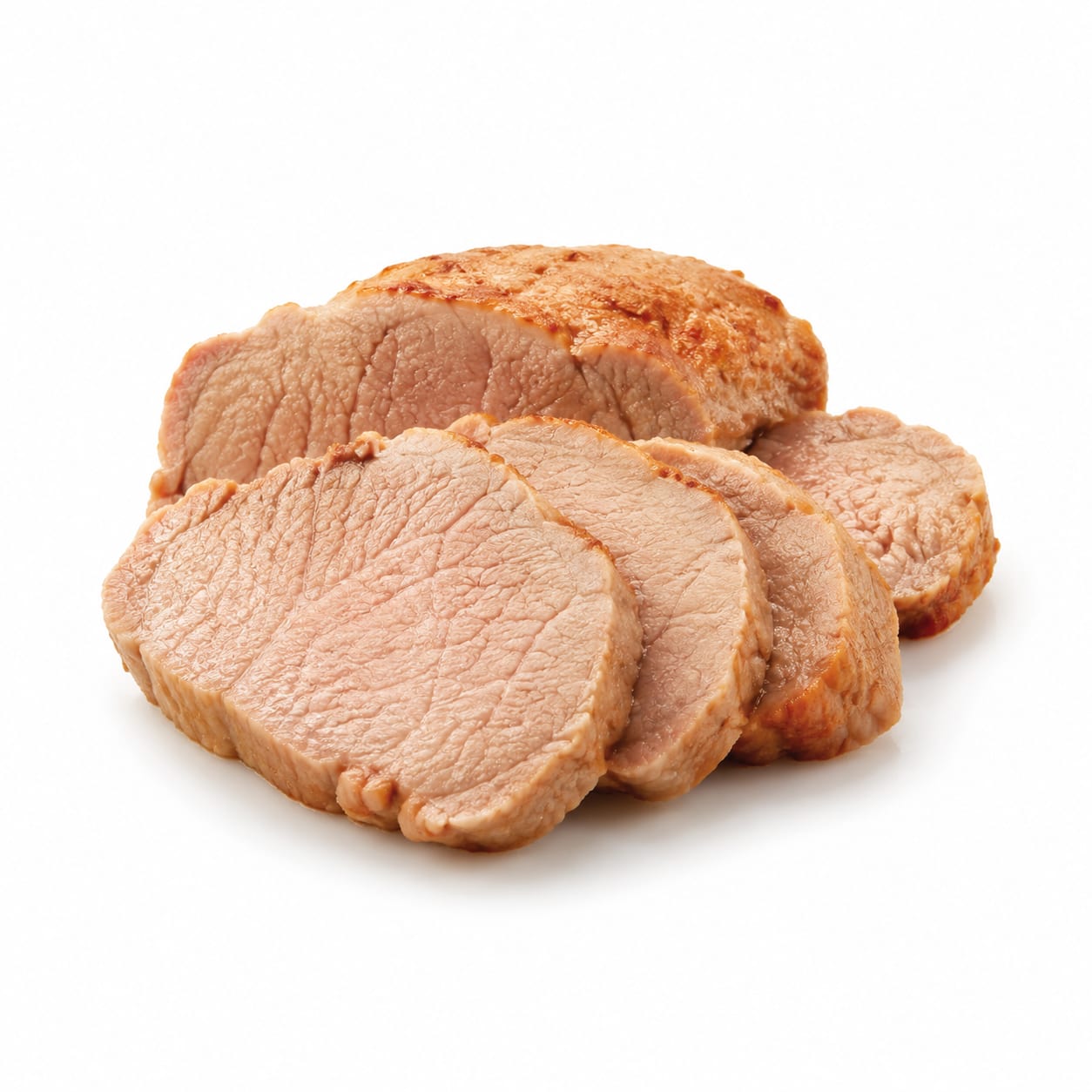
Veal
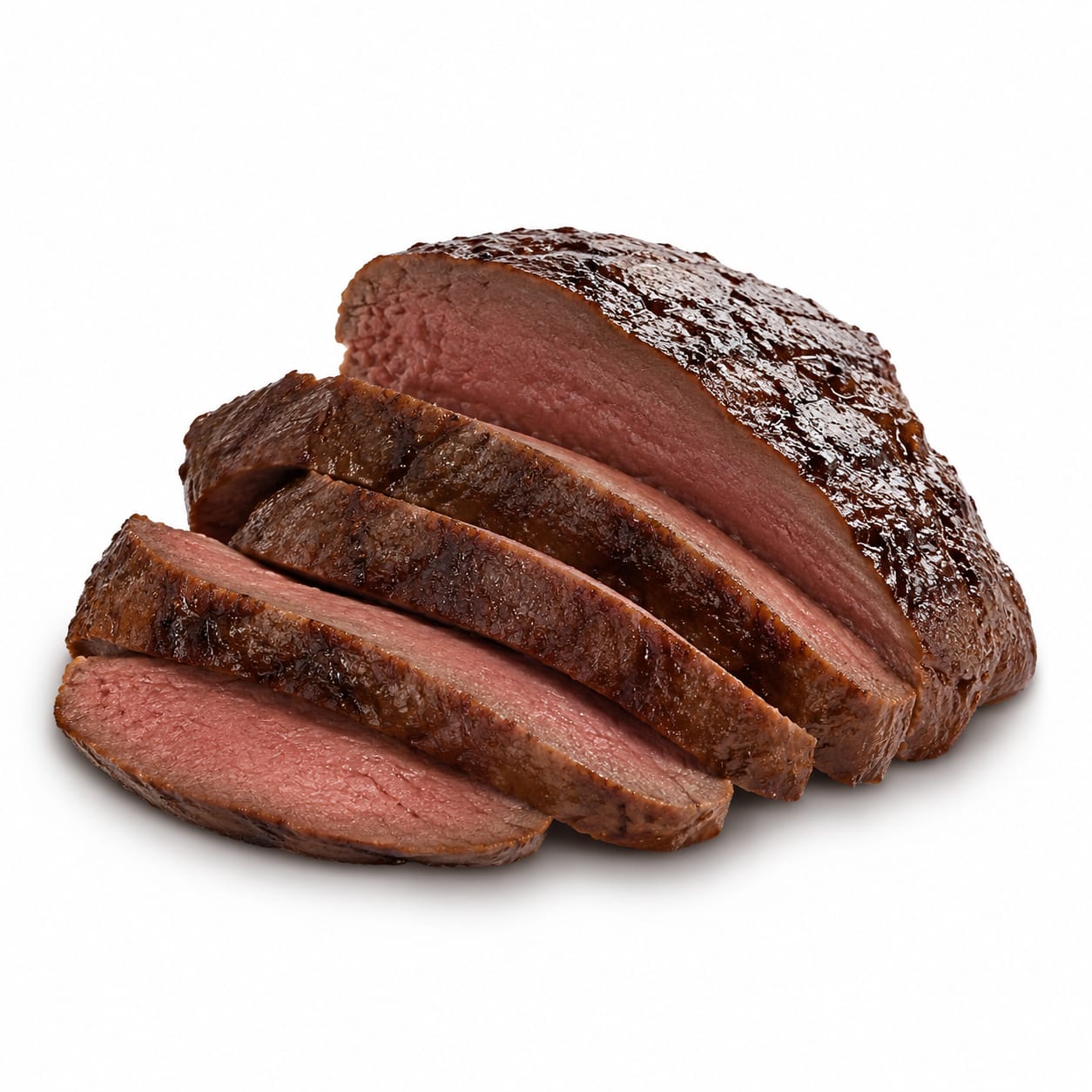
Venison
Venison wins on nutrition and sustainability, but veal offers unmatched tenderness for those who prioritize culinary refinement.
Venison scores notably higher due to superior leanness, better micronutrient density, and stronger ethical positioning. Veal remains competitive on culinary quality but loses ground on sustainability, fat content, and public perception.
Venison gives you leaner protein and better ethics, while veal delivers softer texture and milder flavor that absorbs sauces beautifully.
At a glance
Executive summary
Overall
Venison
Healthier
Venison
More practical
It depends
Daily use
Venison
Key comparison lenses
lean protein comparison for health-conscious meat eaters
Both are premium lean meats often chosen by people seeking high-quality protein with less fat than beef
ethical and sustainability concerns
Veal carries significant animal welfare stigma while venison is often wild-harvested and perceived as more ethical
micronutrient density especially iron and B vitamins
Both deliver exceptional B12, zinc, and iron but venison edges ahead in several key minerals
culinary versatility and taste preference
Veal offers mild tenderness while venison brings bold gamey flavor, creating a real kitchen tradeoff
food safety and contamination risk
Wild venison carries unique parasite and disease risks that veal does not
Best choice for
Veal
- Elegant dinner parties where tenderness matters
- People who dislike gamey flavors
- Traditional European recipes like veal scallopini or osso buco
- Diners wanting a mild protein that pairs with delicate sauces
Venison
- Lean muscle-building diets
- Ethically conscious omnivores
- Wild food enthusiasts and hunters
- Anyone watching calories without sacrificing protein
Least suitable for
Veal
- People troubled by animal welfare concerns around crate farming
- Budget-conscious shoppers
- Those seeking the leanest possible red meat
Venison
- Diners sensitive to strong gamey flavors
- People uncomfortable cooking wild game safely
- Those wanting guaranteed consistent tenderness without marinating
Deep comparison
Dimension by dimension
Each lens scores both foods and breaks down who each option suits.
- Dimension 1 · Priority 92Venison
Protein Quality and Density
Veal · 78Venison · 88Both deliver excellent complete protein, but venison packs more protein per calorie and per gram of fat.
Tradeoff
Veal protein comes with slightly more fat, while venison gives you leaner protein that requires careful cooking to avoid dryness.
Why it matters
Higher protein density means you get more muscle-building amino acids without extra calories tagging along.
Real-world impact
A venison steak fills you up with protein without the heavy feeling that fattier meats can leave behind.
Veal
- Recipes where some fat contributes to mouthfeel and richness
Better for
- Lean diet plans where fat calories add up quickly
Worse for
Venison
- Post-workout meals where lean protein is the priority
- Cutting phases where every calorie matters
Better for
- Dry cooking methods that can make ultra-lean meat tough
Worse for
- Dimension 2 · Priority 90Venison
Fat Content and Lipid Profile
Veal · 55Venison · 85Venison is dramatically leaner with roughly half the fat of veal, and a more favorable ratio of saturated to unsaturated fat.
Tradeoff
Less fat means fewer calories and better heart health numbers, but also less natural juiciness and more risk of overcooking.
Why it matters
Lower saturated fat intake directly supports cardiovascular health over time without requiring portion restriction.
Real-world impact
You can eat a satisfying portion of venison without feeling like you need to balance it with a lighter dinner later.
Veal
- Slow-cooked dishes where fat renders into a rich sauce
Better for
- Daily red meat consumption where saturated fat accumulates
Worse for
Venison
- Heart-healthy eating patterns
- Weight management without hunger
- Meal prep where lean protein stores well
Better for
- Grilling without marinade where lean meat dries out fast
Worse for
- Dimension 3 · Priority 85Venison
Micronutrient Density
Veal · 75Venison · 88Venison delivers more iron, more niacin, and more B6 per serving. Veal still provides excellent B12 and zinc but falls slightly short on several minerals.
Tradeoff
Venison's wild diet translates to richer micronutrient content, while veal's controlled feeding creates more consistent but slightly lower nutrient levels.
Why it matters
Iron and B vitamins directly affect energy levels, making venison a better choice for fighting afternoon fatigue.
Real-world impact
Regular venison eaters may notice steadier energy and better recovery from intense training.
Veal
- Consistent B12 intake for nervous system support
Better for
- Those relying on red meat as their primary iron source
Worse for
Venison
- Iron-deficient individuals needing a natural boost
- Active people demanding higher niacin for energy metabolism
Better for
- People who eat liver and already exceed iron needs
Worse for
- Dimension 4 · Priority 88Venison
Ethical and Sustainability Profile
Veal · 30Venison · 82Veal faces serious animal welfare criticism, especially from crate-based farming. Wild venison is free-range by definition and has minimal environmental footprint.
Tradeoff
Choosing veal means accepting welfare concerns even with improved practices, while venison requires comfort with hunting or wild harvesting.
Why it matters
For many consumers, ethical sourcing is not optional, it shapes whether they feel good about their plate.
Real-world impact
Venison eaters rarely face the social discomfort that veal consumers sometimes encounter at dinner parties.
Veal
- Heritage or pasture-raised veal from certified humane farms
Better for
- Conventional veal from crate systems
- Diners who value transparency and humane treatment
Worse for
Venison
- Wild-harvested venison with essentially zero industrial farming footprint
- Sustainable diets prioritizing low-impact animal protein
Better for
- People morally opposed to hunting
Worse for
- Dimension 5 · Priority 78Veal
Culinary Versatility and Taste
Veal · 85Venison · 68Veal's mild flavor and buttery tenderness make it a chef favorite. Venison's gamey profile is polarizing and requires more skill to prepare well.
Tradeoff
Veal works effortlessly in most recipes, while venison rewards careful technique but punishes careless cooking.
Why it matters
Flavor preference is deeply personal and often outweighs nutritional logic in real-world food choices.
Real-world impact
Veal scallopini takes minutes and always impresses. Venison medallions need marinade, attention, and timing to shine.
Veal
- Quick weeknight cooking where tenderness is assumed
- Delicate French and Italian preparations
- Serving guests who may not enjoy gamey flavors
Better for
- Rustic dishes where a stronger meat flavor is expected
Worse for
Venison
- Hearty stews and slow braises where gamey depth adds character
- Adventurous eaters seeking bold, earthy flavors
Better for
- Subtle preparations where game flavor overwhelms other ingredients
Worse for
- Dimension 6 · Priority 65It depends
Accessibility and Cost
Veal · 45Venison · 50Both are premium meats with limited availability and high prices. Veal is easier to find at specialty butchers. Venison availability depends heavily on region and season.
Tradeoff
Neither is a practical everyday protein for most budgets, but veal has slightly more consistent retail presence.
Why it matters
If you cannot find or afford it regularly, nutritional superiority becomes academic.
Real-world impact
Most people eat these meats occasionally rather than weekly, which limits their dietary impact compared to chicken or beef.
Veal
- Urban areas with Italian or French butcher shops
- Online meat delivery services
Better for
- Budget meal planning
- Regions without specialty butchers
Worse for
Venison
- Rural areas near hunting communities
- Direct purchase from local hunters or game processors
Better for
- Urban grocery stores that rarely stock game meat
- People without hunter connections
Worse for
Timeline
Health impact over time
Short-term
Hours to days
Veal
- High-quality protein supports satiety and stable blood sugar after meals
- Slightly higher fat content provides longer-lasting fullness
- B vitamins support immediate energy production
Venison
- Very lean protein delivers satiety with minimal calorie cost
- High iron content may boost alertness in deficient individuals
- Low fat means faster digestion and lighter post-meal feeling
Long-term
Months to years
Veal
- Regular consumption adds more saturated fat than venison, potentially affecting heart health markers
- Excellent B12 and zinc support immune function and nervous system health over decades
- Ethical concerns may cause lasting discomfort for values-driven eaters
Venison
- Consistently lean protein intake supports healthy body composition long-term
- Superior iron and niacin intake benefits cardiovascular and metabolic health
- Lower saturated fat exposure reduces cumulative heart disease risk
Risk profile
Safety & processing
Both veal and venison are whole, minimally processed meats. Veal from conventional sources may carry antibiotic residues, while wild venison is about as natural as meat gets. Farmed venison sits somewhere between the two on naturalness.
Veal
Antibiotic and hormone residues
mediumConventional veal may carry antibiotic residues from intensive farming. Choose pasture-raised or certified organic to reduce exposure.
Foodborne illness from undercooking
lowStandard meat safety applies. Cook to recommended internal temperature to eliminate common pathogens.
Venison
Parasites from wild game
mediumWild venison can carry Toxoplasma and Trichinella. Freezing for 30 days at 0°F or thorough cooking eliminates risk.
Chronic Wasting Disease
lowPresent in some wild deer populations. No confirmed human transmission, but health agencies recommend avoiding meat from infected animals.
Lead fragments from ammunition
mediumHunter-harvested venison may contain lead fragments. Choose processor-cut meat away from wound channels and consider non-lead ammunition sources.
Who wins for whom
Audience fit
Same foods, different winners depending on your goal.
children
VealVeal's milder flavor and softer texture are more kid-friendly. Venison's gamey taste and potential wild-game contamination risks make parents cautious.
daily consumption
VenisonLower fat, better nutrient density, and stronger ethical profile make venison more sustainable as a regular protein choice.
diabetes
VenisonBoth are zero-carb proteins that stabilize blood sugar, but venison's lower saturated fat content is better for the cardiovascular risks that accompany diabetes.
elderly
VenisonVenison's superior iron and B vitamin content supports energy and cognitive health in aging, while lower saturated fat protects heart health.
muscle gain
VenisonHigher protein density and superior micronutrient profile support recovery and growth more efficiently per calorie consumed.
weight loss
VenisonVenison delivers more protein with significantly fewer calories and less fat, making it easier to maintain a deficit without feeling deprived.
Your move
Decision guide
Choose Veal
- You prioritize tenderness and mild flavor above all else
- You are cooking classic European recipes that specifically call for veal
- You find gamey flavors unpleasant
- You are serving picky eaters or children
Choose Venison
- You want the leanest red meat available
- Animal welfare and sustainability matter deeply to you
- You enjoy bold, earthy flavors and are comfortable cooking game
- You are building a high-protein, low-fat eating pattern
Either works if
- You simply want a high-quality red meat alternative to beef
- B12 and zinc intake are your primary nutritional goals
- You are eating red meat occasionally rather than daily
Avoid both if
- You follow a plant-based or vegetarian diet
- Your doctor has advised eliminating red meat entirely
- You have gout and need to limit purine-rich meats
- You cannot access either meat at a quality you trust
Final recommendation
Venison is the stronger choice for most people most of the time. It delivers better nutrition, a cleaner ethical profile, and fewer calories without sacrificing protein. But if you are preparing a special meal where tenderness and subtlety matter more than macros, veal earns its place at the table. Just choose pasture-raised or certified humane veal whenever possible.
Practical
Consumer tips
- 1
If buying wild venison, freeze it for at least 30 days at 0°F to kill potential parasites before cooking
- 2
Marinate venison in acidic mixtures like wine or vinegar to tenderize and mellow the gamey flavor
- 3
Choose pasture-raised or rosé veal to avoid the worst animal welfare practices
- 4
Cook venison to medium-rare at most since overcooking makes it tough and dry
- 5
Ask your butcher about sourcing for both meats since transparency varies wildly
- 6
If venison is unavailable, bison is a similar lean game alternative worth exploring