
Nutrition comparison
Veal vs Rabbit: Nutrition, Taste, and Health Comparison
Compare veal and rabbit to find out which meat is healthier, leaner, and more sustainable. Discover the nutritional differences and best cooking methods.
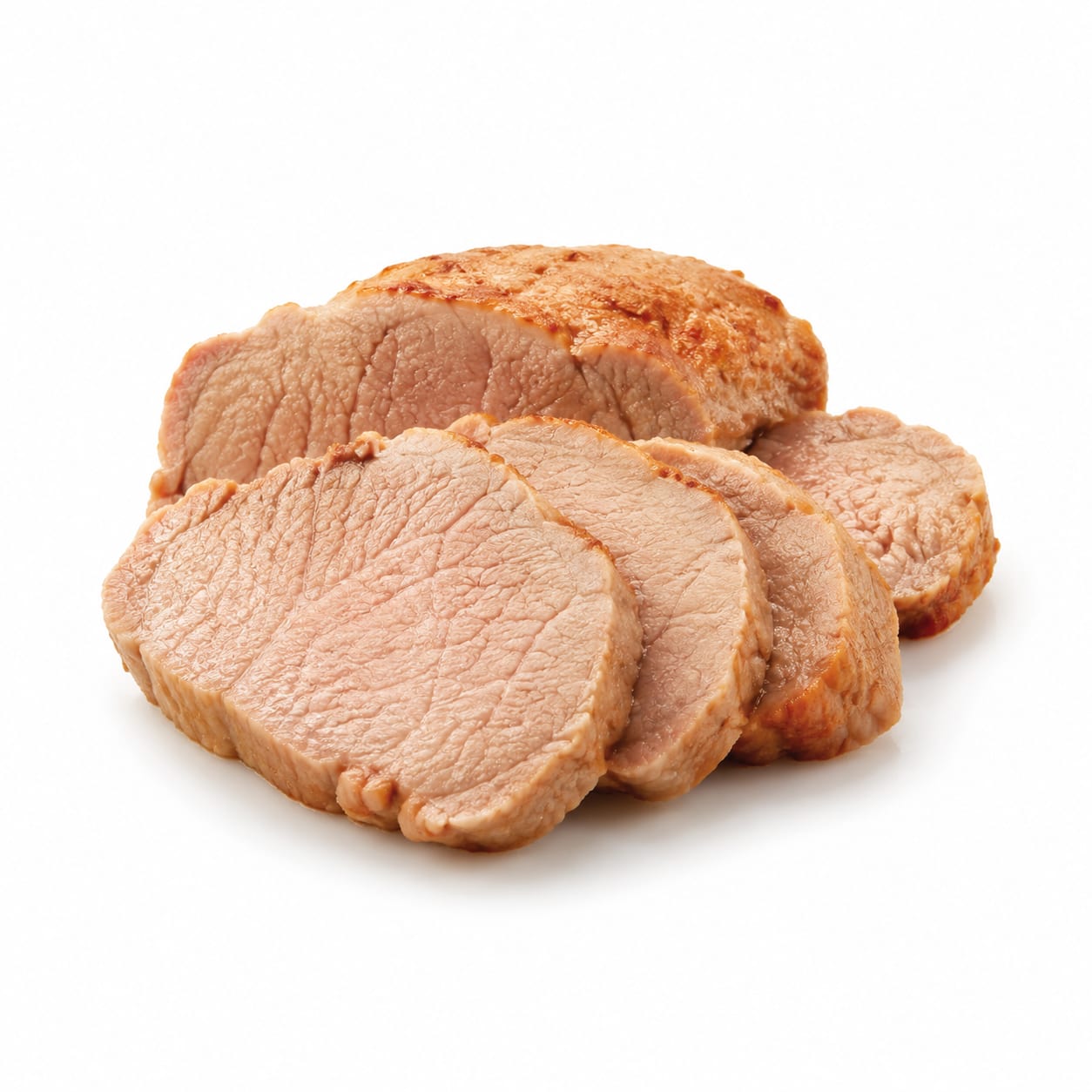
Veal
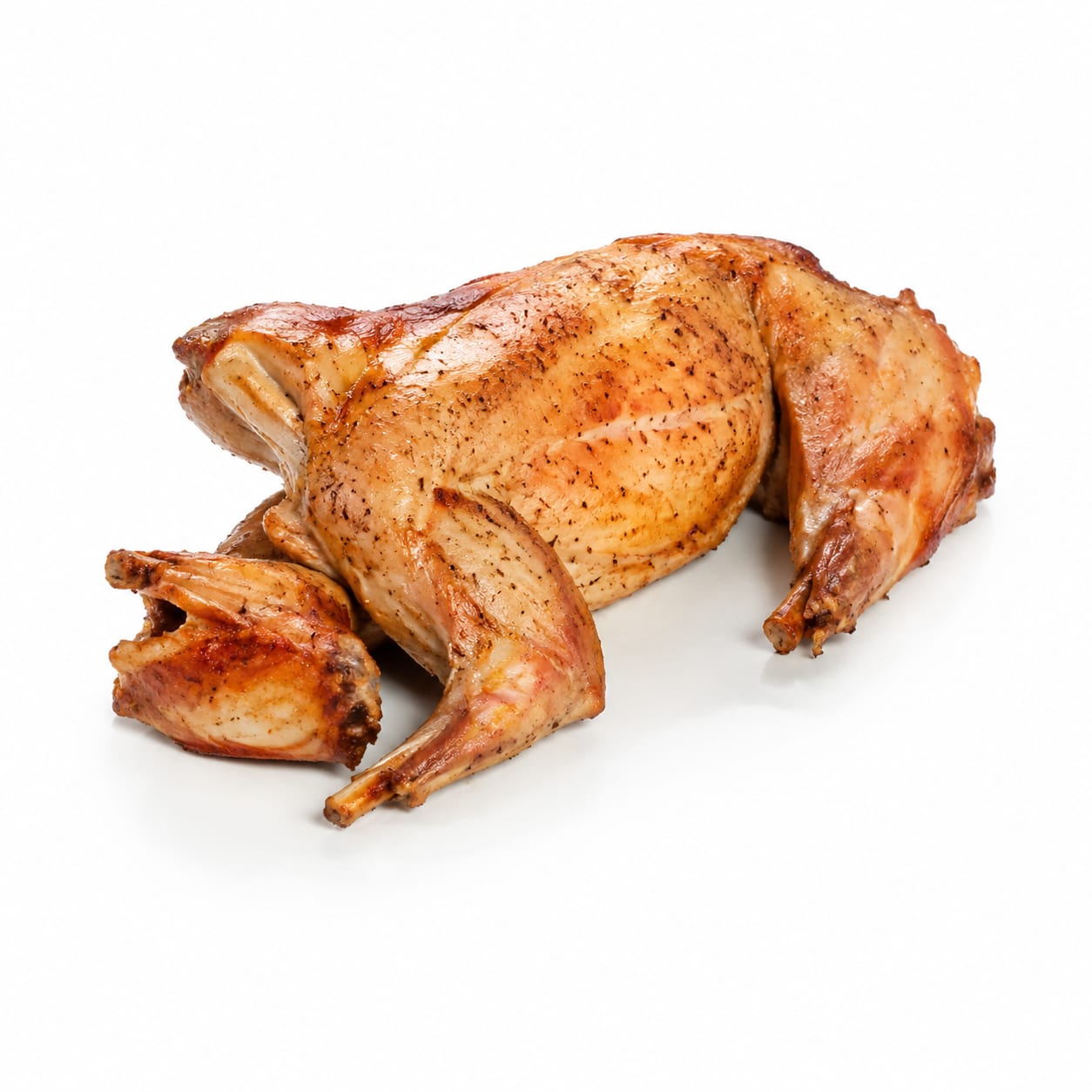
Rabbit
Rabbit wins for lean protein and heart health, while veal offers superior tenderness and richer flavor for special occasions.
Rabbit scores higher due to its exceptional leanness, lower saturated fat, and better sustainability profile. Veal remains a culinary delicacy but falls behind for everyday health optimization.
You trade the melt-in-your-mouth tenderness and fat of veal for the ultra-lean, heart-friendly profile of rabbit.
At a glance
Executive summary
Overall
It depends
Healthier
Rabbit
More practical
Veal
Daily use
Rabbit
Key comparison lenses
Lean protein comparison for heart health and weight management
Rabbit is exceptionally lean while veal carries more saturated fat, making this a key decision factor for health-conscious eaters.
Ethical and environmental sustainability
Veal has well-known animal welfare concerns, whereas rabbit is often considered a more sustainable and ethically defensible meat choice.
Culinary usability and taste preferences
Veal is prized for tenderness and mild flavor, while rabbit is leaner and requires careful cooking to avoid dryness.
Best choice for
Veal
- Special occasion dinners
- Those prioritizing tender, easy-to-chew meat
- Traditional European recipe enthusiasts
Rabbit
- Lean muscle-building diets
- Heart-healthy eating plans
- Eco-conscious and sustainable dieters
Least suitable for
Veal
- Daily consumption due to saturated fat
- Those strictly managing cholesterol
- Consumers avoiding veal for ethical reasons
Rabbit
- Quick high-heat cooking like grilling since it easily dries out
- Those wanting a rich, fatty meal
- Diners sensitive to gamey flavors
Deep comparison
Dimension by dimension
Each lens scores both foods and breaks down who each option suits.
- Dimension 1 · Priority 95Rabbit
Protein Quality & Leanness
Veal · 70Rabbit · 95Rabbit delivers more protein per calorie with virtually no fat, making it a top-tier lean meat.
Tradeoff
Veal has less protein per serving because of its higher fat content, but that fat carries more flavor and juiciness.
Why it matters
If you are tracking calories or trying to stay lean, rabbit keeps you full without the fat overhead.
Real-world impact
A rabbit dinner leaves you feeling light and energized, whereas veal feels more like a heavy, indulgent meal.
Veal
- Keto or low-carb diets needing higher fat
Better for
- Calorie-restricted diets
Worse for
Rabbit
- Cutting phases
- Lean bulking
- Heart-healthy diets
Better for
- Those needing calorie-dense meals to gain weight
Worse for
- Dimension 2 · Priority 90Rabbit
Heart Health & Cholesterol
Veal · 45Rabbit · 90Rabbit is famously low in cholesterol and saturated fat, while veal's fat content poses more cardiovascular risk.
Tradeoff
Choosing veal means accepting more saturated fat for better taste, whereas rabbit actively supports heart health.
Why it matters
Frequent consumption of higher-fat meats can quietly raise LDL cholesterol over time.
Real-world impact
Eating rabbit regularly is a safe bet for long-term heart health; veal is better saved for occasional enjoyment.
Veal
- People with existing heart conditions
Worse for
Rabbit
- Managing high cholesterol
- Cardiovascular disease prevention
Better for
- Dimension 3 · Priority 80Veal
Culinary Versatility & Taste
Veal · 85Rabbit · 65Veal is tender, mild, and easy to cook, while rabbit is leaner and requires moist-heat methods to prevent drying out.
Tradeoff
Veal forgives cooking mistakes easily, but rabbit demands more skill to shine.
Why it matters
A dry rabbit dinner is disappointing, whereas veal almost guarantees a tender bite.
Real-world impact
Veal is a safer choice for an impressive dinner party; rabbit is rewarding if you enjoy slow-cooking.
Veal
- Quick searing or grilling
- Pleasing picky eaters
Better for
Rabbit
- Stews and braises
- Rustic, slow-cooked meals
Better for
- Weeknight rush cooking
Worse for
- Dimension 4 · Priority 85Rabbit
Ethical & Environmental Footprint
Veal · 35Rabbit · 85Rabbit farming has a lower environmental impact and fewer welfare controversies than conventional veal production.
Tradeoff
Standard veal raises significant animal welfare concerns, though pasture-raised options exist at a premium.
Why it matters
Your protein choices impact more than just your body; they affect animal welfare and the planet.
Real-world impact
Choosing rabbit aligns with sustainable eating values, while conventional veal often carries ethical hesitation.
Veal
- Avoiding factory-farmed meat
Worse for
Rabbit
- Eco-conscious consumers
- Those concerned about animal welfare
Better for
- Dimension 5 · Priority 75It depends
Micronutrient Density
Veal · 80Rabbit · 82Both are excellent sources of B12 and zinc, but veal provides more iron while rabbit offers more selenium.
Tradeoff
Veal is slightly better for iron deficiency, whereas rabbit provides superior antioxidant protection via selenium.
Why it matters
Both meats deliver heavy-hitting nutrition, just with slightly different micronutrient emphases.
Real-world impact
Either choice effectively prevents B12 deficiency, but rabbit edges out slightly for overall mineral variety.
Veal
- Preventing iron-deficiency anemia
Better for
Rabbit
- Boosting antioxidant intake
- Thyroid health support
Better for
Timeline
Health impact over time
Short-term
Hours to days
Veal
- High satiety from fat content
- May feel heavy or sluggish after a large portion
Rabbit
- Light, clean energy without a heavy feeling
- Requires added fats or sides to feel fully satisfied
Long-term
Months to years
Veal
- Potential increase in LDL cholesterol if consumed frequently
- Good maintenance of muscle mass and iron levels
Rabbit
- Supports cardiovascular health and lean body composition
- Excellent for maintaining low body fat long-term
Risk profile
Safety & processing
Both veal and rabbit are typically sold as whole cuts without additives, making them clean, whole-food protein sources.
Veal
Antibiotic and hormone exposure
mediumConventional veal farming has historically used more antibiotics; opting for organic or pasture-raised reduces this risk.
Rabbit
Tularemia in wild game
lowFarmed rabbit carries minimal risk, but wild rabbit must be handled and cooked properly to avoid this rare bacterial infection.
Who wins for whom
Audience fit
Same foods, different winners depending on your goal.
children
VealVeal is more tender, milder in flavor, and easier for kids to chew and enjoy.
daily consumption
RabbitThe lean profile and lower saturated fat make rabbit a safer everyday staple for long-term health.
diabetes
RabbitLower saturated fat intake is strongly linked to better insulin sensitivity and diabetes management.
elderly
VealThe natural tenderness of veal is easier on aging teeth and digestive systems, provided saturated fat is monitored.
muscle gain
RabbitMore protein per calorie helps build lean muscle without adding unnecessary dietary fat.
weight loss
RabbitRabbit is extremely low in fat and calories while keeping protein high, making it effortless to stay in a deficit.
Your move
Decision guide
Choose Veal
- You want a tender, melt-in-your-mouth culinary experience
- You are cooking for kids or elderly who need softer food
- You are following a higher-fat, low-carb diet
Choose Rabbit
- You want the leanest possible protein for weight loss or muscle gain
- Heart health and cholesterol management are top priorities
- You care deeply about sustainable and ethical meat choices
Either works if
- You need a high-quality B12 and zinc source
- You are meal prepping a hearty stew or braise
Avoid both if
- You follow a plant-based or vegetarian diet
- You have severe gout and are avoiding all purine-rich meats
Final recommendation
Make rabbit your everyday lean protein for its health and sustainability benefits, and save veal for special occasions when tenderness and rich flavor are the priority.
Practical
Consumer tips
- 1
Cook rabbit low and slow with moisture, like in a braise or stew, to keep it tender and juicy.
- 2
If buying veal, look for pasture-raised or rose veal to avoid the worst animal welfare practices.
- 3
Pair rabbit with healthy fats like olive oil or avocado to make the meal more satisfying without losing the lean advantage.
- 4
Avoid overcooking veal; its delicate texture is best at medium doneness.