
Nutrition comparison
Veal vs Pork Loin: Nutrition, Health, and Taste Comparison
Compare veal and pork loin side by side. Which lean protein is healthier, more affordable, and better for weekly meals? Full nutritional breakdown and expert recommendation.
Overall winner · Pork Loin
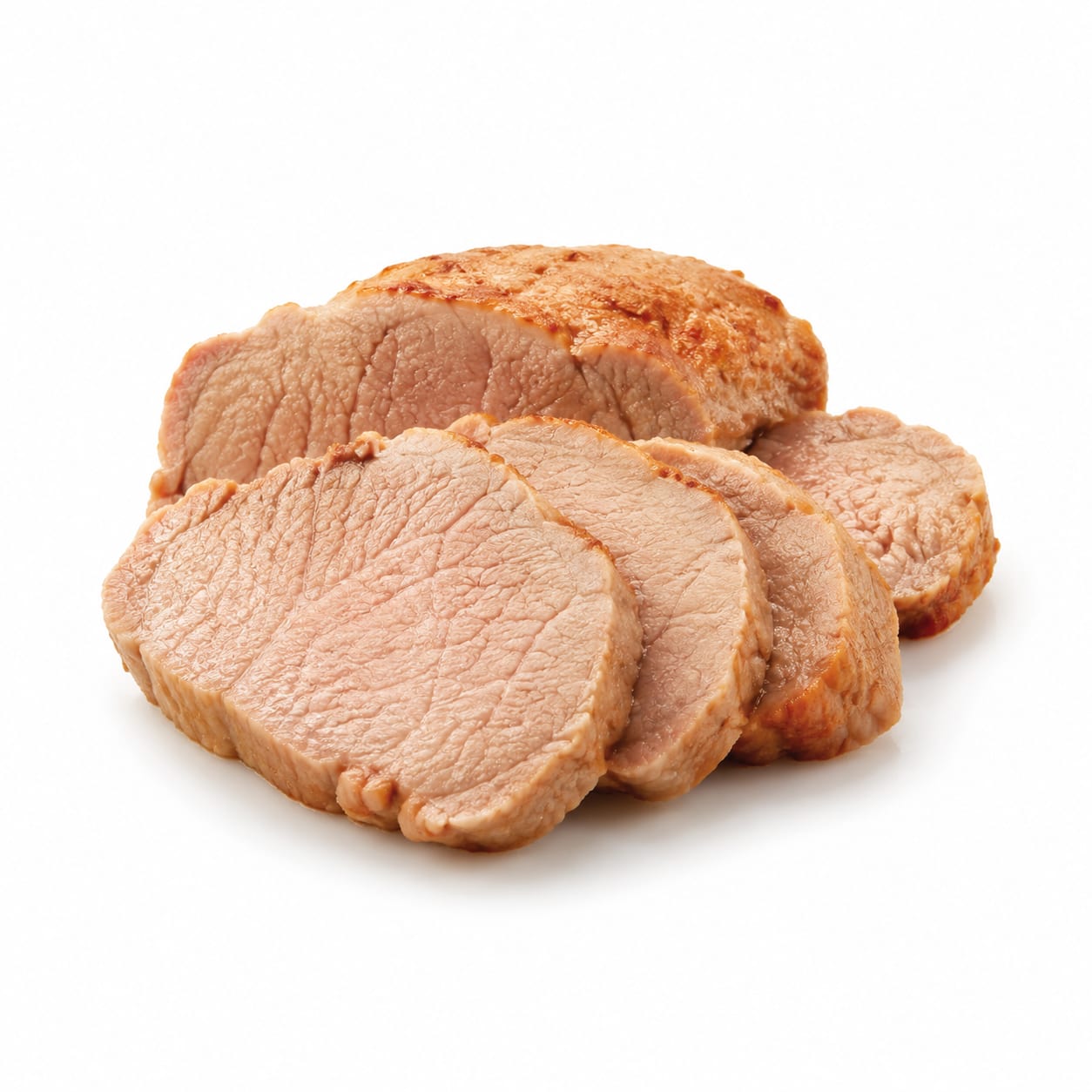
Veal
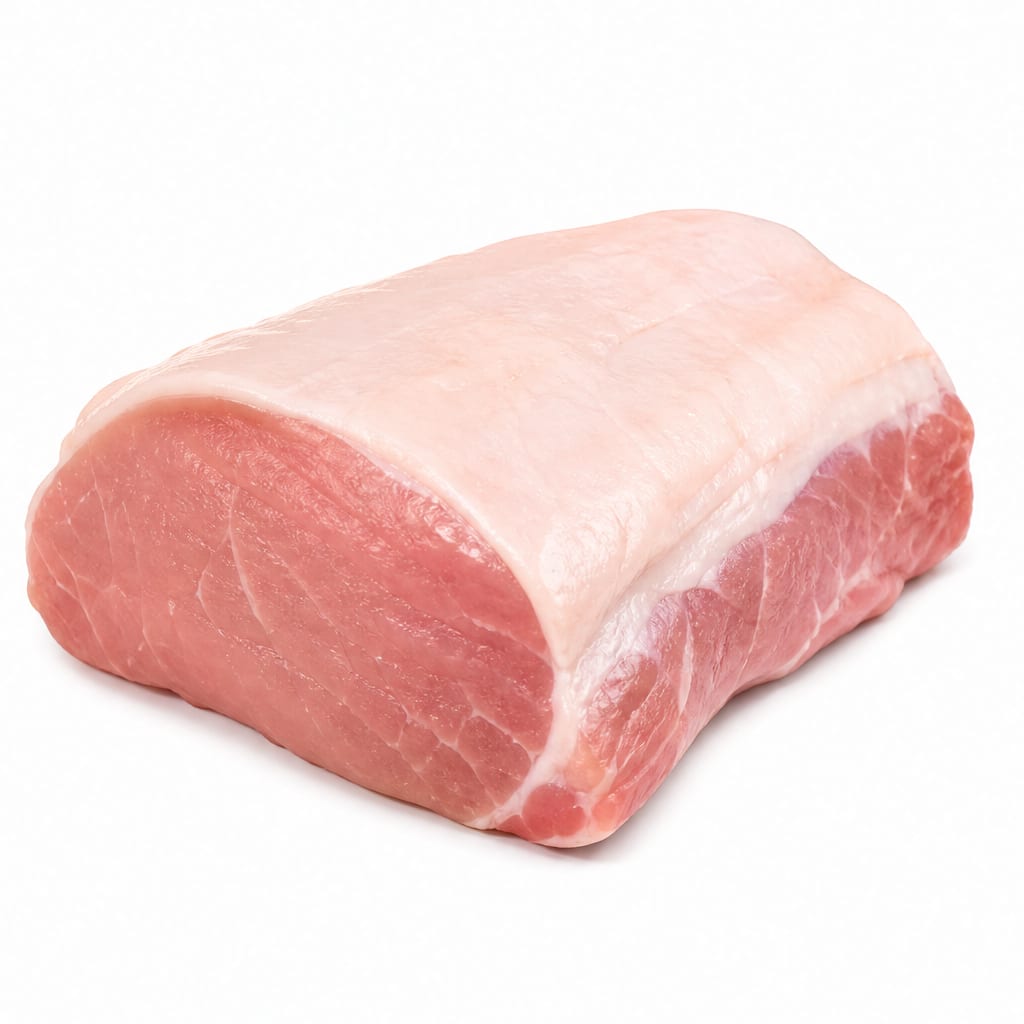
Pork Loin
Pork loin edges out veal for most people thanks to lower cholesterol, higher thiamin, better affordability, and easier availability, though veal wins on iron and B12.
Pork loin scores higher primarily on practicality, cholesterol profile, and thiamin content. Veal remains nutritionally valuable but its higher cost, ethical concerns, and cholesterol load narrow its appeal to specific situations rather than everyday eating.
Veal delivers more iron and B12 but costs more and carries higher cholesterol and ethical baggage; pork loin offers similar leanness with better vitamin B1, lower cost, and fewer welfare concerns.
At a glance
Executive summary
Overall
Pork Loin
Healthier
Pork Loin
More practical
Pork Loin
Daily use
Pork Loin
Key comparison lenses
lean protein comparison for health-conscious meat eaters
Both are lean animal proteins often chosen by people watching fat intake, making their subtle differences decisive
cholesterol and heart health tradeoffs
Veal carries notably more cholesterol than pork loin, which matters for cardiovascular risk management
vitamin and mineral density differences
Pork loin dominates in thiamin while veal offers more B12 and iron, creating meaningful nutritional tradeoffs
ethical and sourcing concerns
Veal production faces significant animal welfare scrutiny that influences many consumers away from it
budget and everyday practicality
Veal is substantially more expensive and harder to find, making pork loin the realistic weekly choice
Best choice for
Veal
- People with iron-deficiency anemia needing heme iron
- Older adults requiring extra B12 absorption
- Those seeking a tender, delicate-flavored protein for special occasions
- Individuals avoiding pork for religious or personal reasons
Pork Loin
- Budget-conscious households wanting lean protein weekly
- People managing cholesterol who still want red-meat satisfaction
- Anyone meal-prepping lean protein for the week
- Thiamin-deficient individuals or heavy alcohol consumers who deplete B1
Least suitable for
Veal
- Vegetarians and those uncomfortable with veal farming practices
- Strict cholesterol-managing diets
- Budget-limited families needing affordable weekly protein
- People who struggle to find veal at their local grocery
Pork Loin
- Those avoiding pork for religious reasons
- People sensitive to even well-cooked pork due to digestive issues
- Anyone seeking a premium dining experience or special-occasion centerpiece
Deep comparison
Dimension by dimension
Each lens scores both foods and breaks down who each option suits.
- Dimension 1 · Priority 92Pork Loin
Protein Quality and Content
Veal · 78Pork Loin · 85Both deliver excellent complete protein, but pork loin provides slightly more protein per calorie with marginally better leanness.
Tradeoff
Veal's protein comes with more cholesterol per gram; pork loin gives you comparable protein with a cleaner lipid package.
Why it matters
When eating lean meat primarily for protein, getting more of it with fewer metabolic downsides matters for long-term health.
Real-world impact
A pork loin dinner leaves you just as full and recovered post-workout, without the cholesterol baggage that adds up over years.
Veal
- Post-workout meals where B12 and iron recovery matter
- Situations where tenderness improves eating satisfaction and adherence
Better for
- Cholesterol-conscious meal plans
- Budget-restricted protein sourcing
Worse for
Pork Loin
- Daily lean protein intake where cumulative cholesterol matters
- Meal prep scenarios needing consistent, affordable protein
Better for
- Religious dietary restrictions excluding pork
- Occasions demanding a premium or delicate presentation
Worse for
- Dimension 2 · Priority 90Pork Loin
Fat Profile and Cholesterol Impact
Veal · 55Pork Loin · 78Pork loin has less total fat, less saturated fat, and meaningfully less cholesterol than veal.
Tradeoff
Veal's higher cholesterol (roughly 90-100mg vs 65-70mg per 100g) becomes significant when eaten regularly, while pork loin keeps heart health numbers cleaner.
Why it matters
Dietary cholesterol adds up. If you eat lean meat several times a week, choosing the lower-cholesterol option protects your cardiovascular baseline over decades.
Real-world impact
Switching from veal to pork loin a few times a week can shave 60-90mg of cholesterol off your weekly intake without sacrificing protein or satisfaction.
Veal
- Those unconcerned about cholesterol who prioritize iron intake
Better for
- Cardiovascular risk management
- Physicians advising low-cholesterol diets
Worse for
Pork Loin
- Anyone with borderline or high LDL cholesterol
- People with family history of heart disease
- Regular meat eaters who need to manage cumulative cholesterol load
Better for
- Rare dietary scenarios where slightly higher fat aids satiety or flavor
Worse for
- Dimension 3 · Priority 85It depends
Vitamin and Mineral Density
Veal · 80Pork Loin · 82Pork loin dominates in thiamin (B1) by roughly 5x, while veal provides more B12 and heme iron. It depends on what you need.
Tradeoff
If you need energy metabolism support and nervous system health, pork loin's thiamin is unmatched. If you need blood-building nutrients, veal's iron and B12 profile is superior.
Why it matters
Thiamin deficiency is surprisingly common in heavy drinkers and older adults. B12 and iron deficiency plague women of reproductive age and vegetarians transitioning back to meat.
Real-world impact
A single pork loin serving covers most of your daily thiamin needs, while a veal serving meaningfully moves the needle on iron stores that take months to rebuild.
Veal
- Women with heavy menstrual cycles needing iron
- Older adults with B12 absorption decline
- Recovering from anemia
Better for
- Thiamin-focused nutritional recovery
- Budget-limited mineral supplementation through food
Worse for
Pork Loin
- People who drink alcohol regularly (thiamin depletion)
- Anyone needing energy metabolism support
- Older adults at risk for thiamin deficiency
Better for
- Iron-deficiency anemia recovery
- B12 repletion strategies
Worse for
- Dimension 4 · Priority 75Pork Loin
Ethical and Animal Welfare Considerations
Veal · 35Pork Loin · 60Conventional veal production involves practices many consumers find ethically troubling, while pork loin—though not without welfare issues—faces less intense criticism.
Tradeoff
Even ethically sourced veal is harder to verify and more expensive. Pork loin from higher-welfare farms is increasingly available and labeled.
Why it matters
For many consumers, animal welfare is a deciding factor that overrides minor nutritional differences.
Real-world impact
Choosing pork loin from a certified humane farm lets you eat lean protein with fewer ethical compromises and clearer labeling to guide your purchase.
Veal
- Consumers who source exclusively from verified humane veal operations
Better for
- Consumers disturbed by crate-based veal farming
- Diners at restaurants with unknown sourcing
Worse for
Pork Loin
- Anyone who considers animal welfare in purchasing decisions
- Consumers who want clearer welfare labeling options
Better for
- Those avoiding all factory farming equally
Worse for
- Dimension 5 · Priority 72Pork Loin
Cost and Accessibility
Veal · 30Pork Loin · 85Pork loin is one of the most affordable lean proteins available. Veal is a premium meat that costs 2-4x more and is harder to find.
Tradeoff
Veal's premium price does not deliver proportional nutritional benefits over pork loin, making it hard to justify for regular meals.
Why it matters
The best protein for you is the one you can consistently afford and actually cook. Nutrition only matters if you can access it.
Real-world impact
A week of pork loin dinners might cost $15-20. The same frequency with veal could run $40-60 with no meaningful health advantage.
Veal
- Special occasions where premium ingredients matter
- Diners who prioritize unique flavor and tenderness
Better for
- Students and young professionals on tight budgets
- Families needing affordable protein multiple times weekly
Worse for
Pork Loin
- Weekly grocery budgets feeding a family
- Meal preppers needing affordable bulk protein
- Anyone who wants lean meat without the luxury price tag
Better for
- Fine dining or celebratory meals where cost is secondary
Worse for
- Dimension 6 · Priority 65Pork Loin
Cooking Versatility and Forgiveness
Veal · 60Pork Loin · 72Pork loin adapts to more cooking methods and cuisines. Veal is more delicate and easier to overcook, requiring more skill.
Tradeoff
Veal's tenderness comes from youth and low connective tissue, but it dries out fast. Pork loin is also lean but slightly more forgiving and works in more recipes.
Why it matters
A protein you cook well and enjoy matters more than a slightly better nutrient profile that you ruin in the pan.
Real-world impact
Overcooked veal becomes dry and chalky quickly. Pork loin also leans dry but gives you a slightly wider window and pairs with more marinades and sauces.
Veal
- Experienced cooks who can nail delicate proteins
- Dishes where veal's subtle flavor is traditional and preferred
Better for
- Beginner cooks likely to overcook lean meat
- Meal prep that involves reheating
Worse for
Pork Loin
- Home cooks wanting reliable results
- Batch cooking and leftovers that reheat decently
- Marinade-heavy recipes like stir-fries and sheet-pan meals
Better for
- Traditional European recipes specifically calling for veal
Worse for
Timeline
Health impact over time
Short-term
Hours to days
Veal
- High-quality protein supports satiety and muscle repair after exercise
- Iron and B12 provide noticeable energy support within days for deficient individuals
- Rich flavor and tenderness make portion control easier for some eaters
Pork Loin
- Thiamin supports immediate energy metabolism, especially after carbohydrate-heavy meals
- Lean protein keeps you full without heaviness or digestive slowdown
- Lower cholesterol per serving means no guilt-driven overthinking at mealtime
Long-term
Months to years
Veal
- Regular consumption adds significant dietary cholesterol that may impact heart health over years
- Consistent heme iron intake supports red blood cell production and prevents anemia
- Ethical concerns may create growing psychological discomfort for welfare-conscious consumers
Pork Loin
- Sustained thiamin intake protects nervous system health and energy regulation long-term
- Lower cumulative cholesterol intake supports cleaner cardiovascular labs over decades
- Affordability enables consistent lean protein consumption without budget stress
Risk profile
Safety & processing
Both veal and pork loin are whole, minimally processed cuts of meat. Neither typically contains added preservatives, fillers, or artificial ingredients when purchased as raw cuts. The main concern is antibiotic and hormone use in conventional farming, which applies to both but is more frequently flagged in veal production.
Veal
Antibiotic residues from conventional farming
mediumVeal calves may receive more antibiotics relative to their short lifespan. Choosing organic or verified-responsible sources reduces this significantly.
Hormone exposure
lowHormone use in veal production varies by country. EU regulations are stricter than US standards on this issue.
Foodborne illness from undercooking
mediumLike all raw meats, veal requires proper cooking to an internal temperature of at least 145°F (63°C) to eliminate pathogens.
Pork Loin
Trichinella parasite (historical concern)
lowModern pork production has virtually eliminated trichinosis in developed countries. Cooking to 145°F (63°C) provides full safety margin.
Antibiotic residues
mediumConventional pork farming uses antibiotics, though regulations have tightened. Organic or certified humane pork reduces exposure.
Foodborne illness from undercooking
mediumPork requires proper cooking to 145°F (63°C) with a rest period. Cross-contamination from raw pork needs careful kitchen hygiene.
Who wins for whom
Audience fit
Same foods, different winners depending on your goal.
children
Pork LoinPork loin's thiamin supports growing nervous systems, its lower cholesterol is preferable for developing bodies, and its milder flavor is more kid-friendly.
daily consumption
Pork LoinPork loin's affordability, availability, lower cholesterol, and cooking versatility make it sustainable as a regular protein source. Veal is better reserved for occasional meals.
diabetes
Pork LoinBoth are low-carb and blood-sugar friendly, but pork loin's lower cholesterol matters more for diabetics who already face elevated cardiovascular risk.
elderly
It dependsVeal's B12 and iron help counteract age-related absorption decline and anemia, but pork loin's thiamin protects aging nervous systems. Choose based on individual deficiency risk.
muscle gain
Pork LoinBoth provide excellent complete protein, but pork loin's slightly higher protein content per serving and better affordability for frequent consumption give it the edge.
weight loss
Pork LoinPork loin offers slightly fewer calories per gram of protein and lower cholesterol, making it a cleaner lean protein choice for calorie-controlled diets.
Your move
Decision guide
Choose Veal
- You have diagnosed iron-deficiency anemia or low B12 and need concentrated heme sources
- You avoid pork for religious or personal reasons but want a lean red meat
- You are cooking a special-occasion meal where veal's tenderness and prestige matter
- You can source verified humane or pasture-raised veal and accept the premium cost
Choose Pork Loin
- You want the most practical lean protein for weekly meals
- You are managing cholesterol or cardiovascular risk factors
- You meal prep and need an affordable, versatile protein that reheats well
- You drink alcohol regularly and need thiamin replenishment
- You want clearer animal-welfare labeling options at the grocery store
Either works if
- You simply need a high-quality lean protein and both are available
- You rotate proteins throughout the week for nutrient diversity
- Neither poses a specific health risk for your situation
Avoid both if
- You follow a plant-based diet for health or ethical reasons
- You have gout and need to limit purine-rich meats
- You have severe kidney disease requiring strict protein restriction
- You are highly sensitive to saturated fat even in lean cuts
Final recommendation
For most people most of the time, pork loin is the smarter choice. It delivers nearly identical protein with less cholesterol, dramatically more thiamin, better affordability, and fewer ethical question marks. Choose veal when you specifically need its iron and B12 advantages, when pork is off the table for personal reasons, or when you are preparing a meal where veal's unique tenderness justifies the cost. But for the weekly rotation, pork loin wins on practicality, health, and sustainability.
Practical
Consumer tips
- 1
Buy pork loin in bulk when on sale and freeze portions—its affordability makes this easy and economical
- 2
If choosing veal, look for 'pasture-raised' or 'certified humane' labels to address the most serious welfare concerns
- 3
Marinate pork loin in acidic marinades (citrus, vinegar) to keep it tender and add flavor without fat
- 4
Don't overcook either meat—use a meat thermometer targeting 145°F (63°C) with a 3-minute rest for juicy results
- 5
Pair either protein with vitamin C-rich vegetables to boost iron absorption, especially important with veal
- 6
Consider pork tenderloin over pork loin for even more tenderness if that is what you value in veal
- 7
Rotate between pork loin, chicken breast, and fish for lean protein diversity rather than relying on any single source