
Poultry
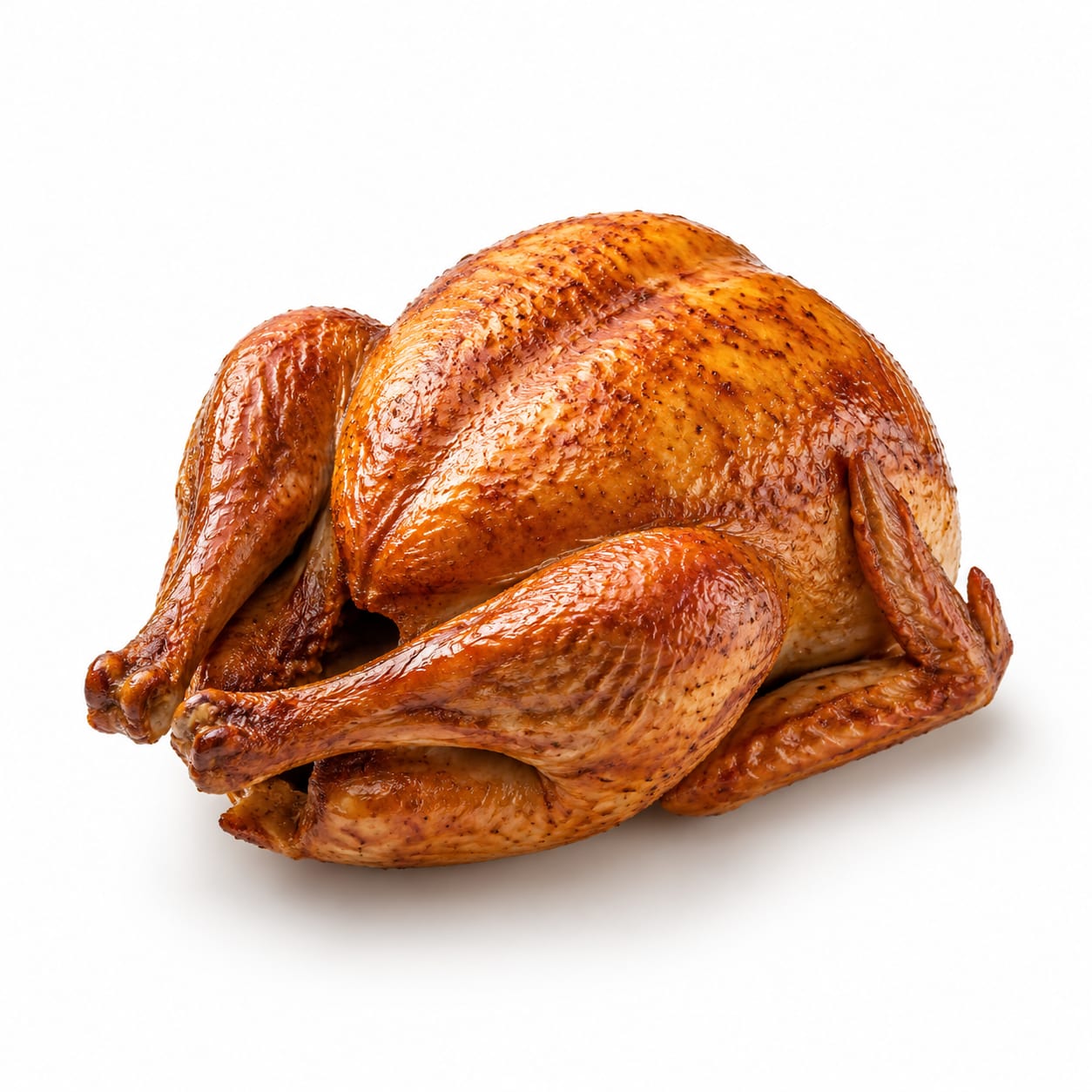
Turkey
Turkey is a lean, zero-carb poultry meat prized for its high protein content and low fat, particularly in the breast cut.
Turkey is a large poultry bird widely consumed as a lean source of high-quality protein. Skinless turkey breast is one of the leanest meats available, making it a staple for weight loss and muscle-building diets.
lean high-protein poultry
Typical serving · 112g
Common varieties · whole bird, breast cutlet, ground turkey, deli turkey, dark meat thigh
Overall context score across nutrition, safety, and diet fit
At a glance
Quick facts
Simple indicators based on nutrition, processing, and diet fit.
The story
What makes it unique
Turkey is a fast-digesting, complete animal protein containing all essential amino acids. Skinless breast meat is extremely lean, providing high satiety with minimal caloric cost. It contains zero carbohydrates and has virtually no glycemic impact. Processing ranges from minimally processed whole birds to highly processed deli meats.
Varieties: whole bird · breast cutlet · ground turkey · deli turkey · dark meat thigh
Per 100g
Nutrition breakdown
Macro balance and key metrics at a glance.
Energy
Density 1.35 kcal/g
Protein
Carbs
Fat
Fiber
Sugar
0 g
Sodium
50 mg
Potassium
290 mg
Glycemic index
0
Glycemic load
0
Water content
68%
Standout compounds
Nutrient highlights
Protein
highsupports muscle growth, repair, and satiety
Niacin (Vitamin B3)
highconverts food to energy and supports nervous system function
Selenium
highacts as an antioxidant and supports thyroid hormone metabolism
Vitamin B6
moderateaids in amino acid metabolism and red blood cell formation
Tryptophan
moderateprecursor to serotonin, supporting mood and sleep regulation
Wellness map
Health scores & processing
NOVA processing scale
minimally processed · Whole food
Fresh or frozen whole turkey and breast cutlets are unprocessed raw meat. Ground turkey may include added skin and fat. Deli turkey falls into ultra-processed category due to nitrates, sodium, and binders.
Diet compatibility
- Weight loss
- Muscle gain
- Diabetes
- Gut health
- Low carb
- High protein
- Heart health
Relative standing
Food rankings
Qualitative ranks compared to similar whole foods.
- Satietyexcellent
- Blood sugarexcellent
- Nutrient densitygood
- Fitness fuelexcellent
- Processing qualitygood
Eat with confidence
Food safety profile
Raw turkey frequently harbors Salmonella and Campylobacter. Strict kitchen hygiene and thorough cooking are essential to prevent foodborne illness.
Evidence confidence 95%
- Pesticideslow
- Antibioticsmoderate
- Heavy metalslow
- Contaminationhigh
Watch for
- Salmonella
- Campylobacter
Safer choices
Organic or antibiotic-free turkey reduces exposure to veterinary drug residues.
Prep tips
Never wash raw turkey, as splashing spreads bacteria. Cook to an internal temperature of 165°F (74°C) and wash hands and surfaces immediately after handling.
Routine antibiotic use in conventional industrial poultry farming contributes to antimicrobial resistance.
Deep dive
Health analysis
How this food may fit different goals and preparation choices.
Weight loss
Extremely low calorie-to-protein ratio maximizes fullness and preserves lean muscle mass during caloric deficits.
Blood sugar
Zero carbohydrates result in zero glycemic impact, preventing blood sugar spikes and supporting insulin stability.
Fitness & energy
Fast-digesting lean protein accelerates muscle repair and growth post-workout without causing digestive sluggishness.
Gut health
Easily digested and well-tolerated, but lacks dietary fiber; must be paired with fibrous vegetables for optimal digestive transit.
Processing quality
Fresh turkey is a whole food, but deli slices and pre-seasoned roasts often contain high sodium, phosphates, and preservatives.
Food safety
Raw poultry requires strict hygiene to avoid bacterial cross-contamination; cooking to 165F eliminates microbial risks.
Common mistakes
Eating the skin doubles the fat and calorie intake; choosing ground turkey without checking leanness percentages adds hidden saturated fat.
Best preparation
Roasting, grilling, or baking without the skin to maintain low fat content while preserving moisture.
Practical guide
Best use cases
When and how this food fits real eating patterns.
post-workout muscle recovery
Fast-digesting, high-quality protein accelerates muscle protein synthesis after exercise.
low-calorie weight loss meals
Provides maximum volume and satiety per calorie, making large portion sizes feasible during a cut.
low-carb diet staple
Zero-carb profile fits perfectly into ketogenic and strict low-carb meal plans.
lean bulk protein source
Delivers high protein without the excess saturated fat found in fattier meat cuts, supporting clean muscle gains.
Balance sheet
Pros & cons
Upsides
- Extremely high protein-to-calorie ratio
- Virtually zero carbohydrates
- Rich in B-vitamins and selenium
- Highly versatile for cooking and meal prep
- Very filling and promotes satiety
Trade-offs
- Raw poultry carries a high risk of bacterial contamination
- Deli and processed turkey are very high in sodium
- Dark meat and skin significantly increase fat and calories
- Can dry out easily if overcooked
- Lacks dietary fiber
Fit check
Who is it for?
Great match
- weight loss
- muscle gain
- low-carb diets
- diabetics
- high-volume eating
Consider alternatives
- low-protein diets
- vegans and vegetarians
- sodium-sensitive individuals (if eating deli meat)
Side by side
How it compares
Open the full head-to-head analysis for nutrition, safety, and practical tradeoffs.
This food
Turkey
VS95% alike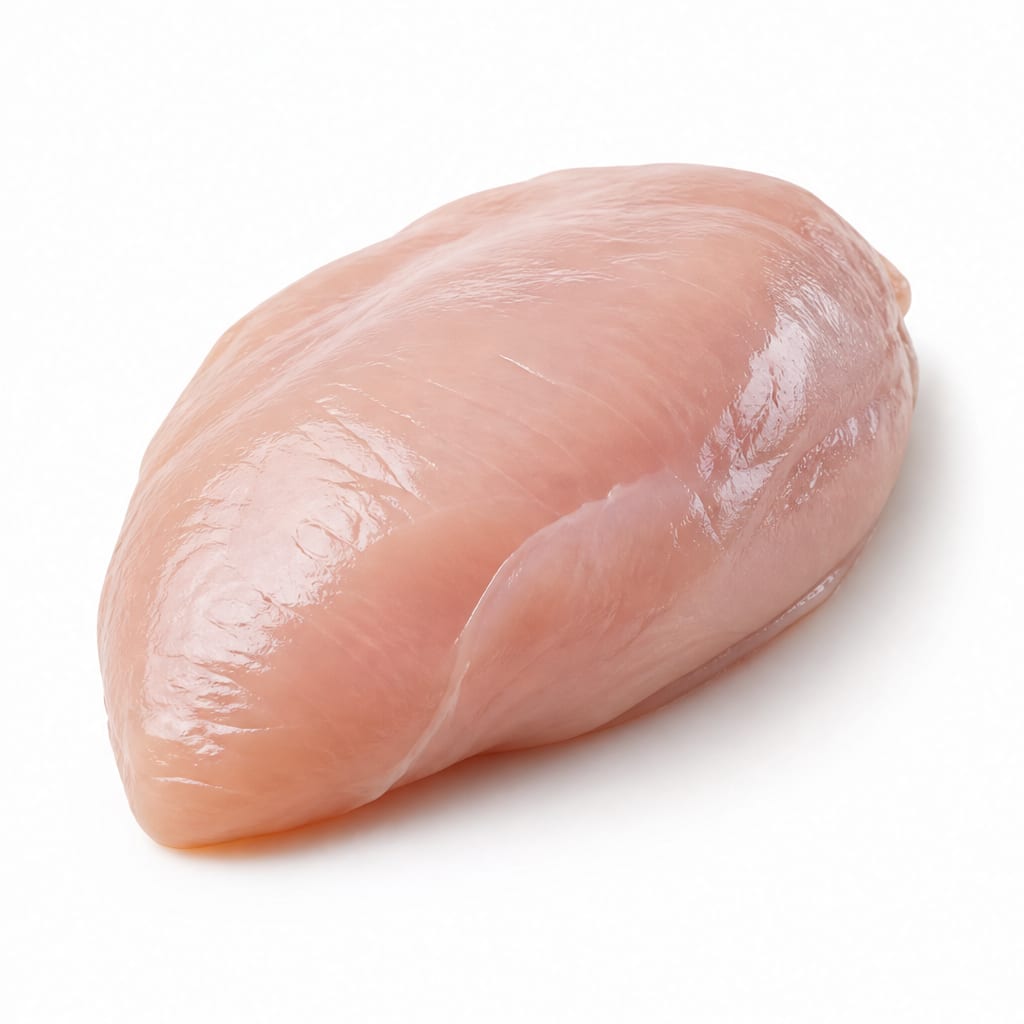
Compare with
Chicken Breast
Both are top-tier lean proteins. Turkey breast is slightly leaner, but chicken is more universally accessible and often cheaper.
Turkey breast is slightly leaner and lower in calories than chicken breast, making it marginally better for weight loss, though both are excellent lean proteins.
This food
Turkey
VS70% alike
Compare with
Ground Beef 85% Lean
Turkey is much lower in saturated fat and calories. Ground beef offers more iron and vitamin B12.
Lean turkey provides far fewer calories and less saturated fat than 85% ground beef, making it superior for weight loss and heart health.
This food
Turkey
VS85% alike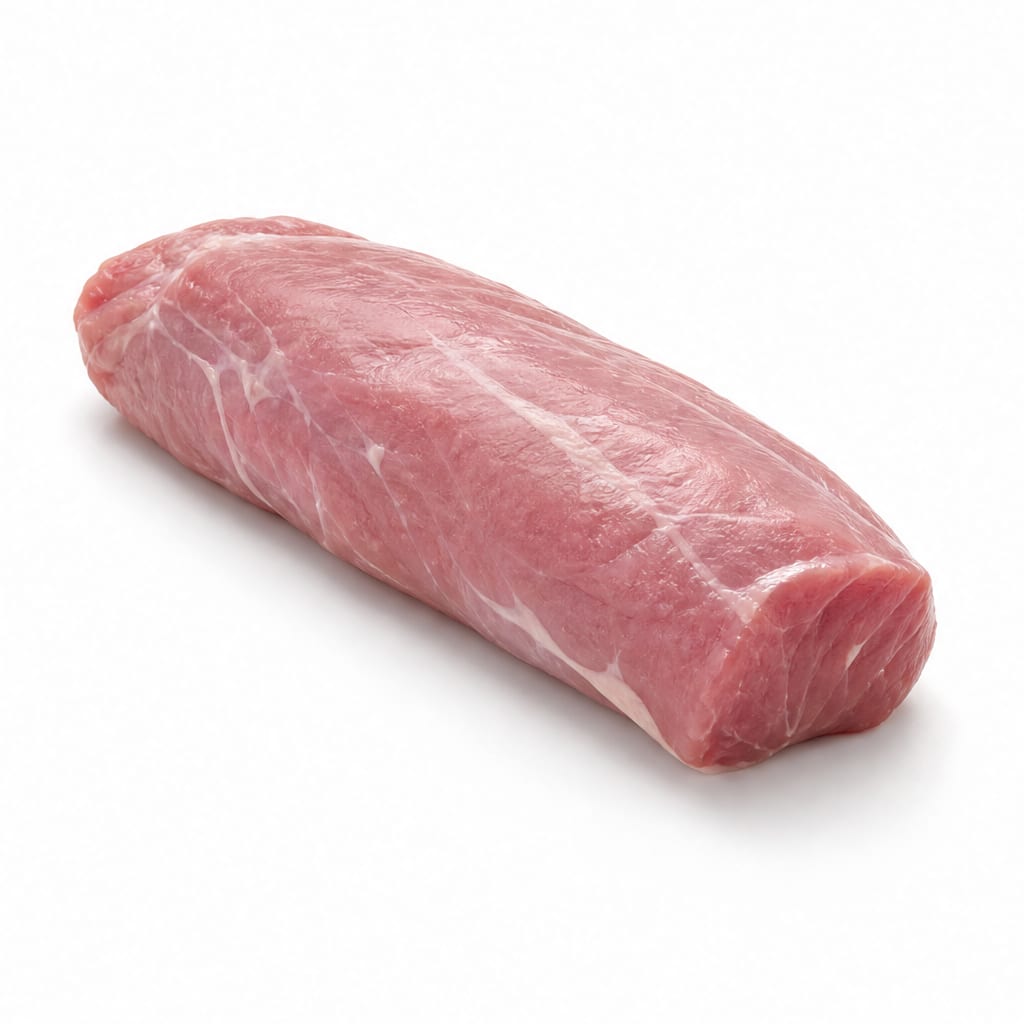
Compare with
Pork Tenderloin
Both are very lean. Turkey breast has slightly fewer calories, while pork offers slightly more thiamine.
Turkey breast and pork tenderloin are both lean, low-calorie meats, but turkey edges out slightly in protein density per calorie.
This food
Turkey
VS60% alike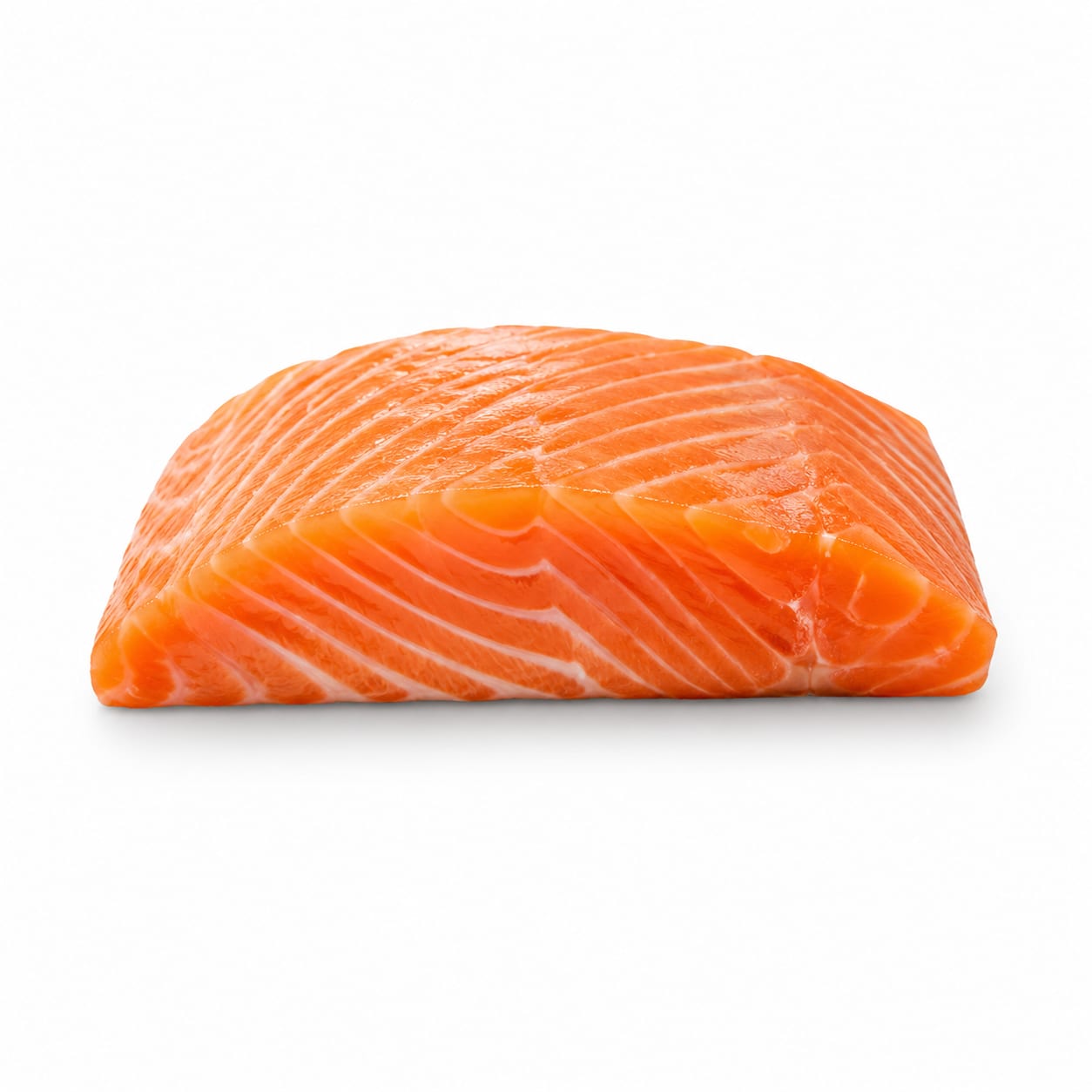
Compare with
Salmon
Salmon provides omega-3 fatty acids for heart health; turkey is leaner and better for strict calorie counting.
Turkey is much lower in calories and fat for dieting, while salmon is better for omega-3 intake and cardiovascular benefits.
This food
Turkey
VS75% alike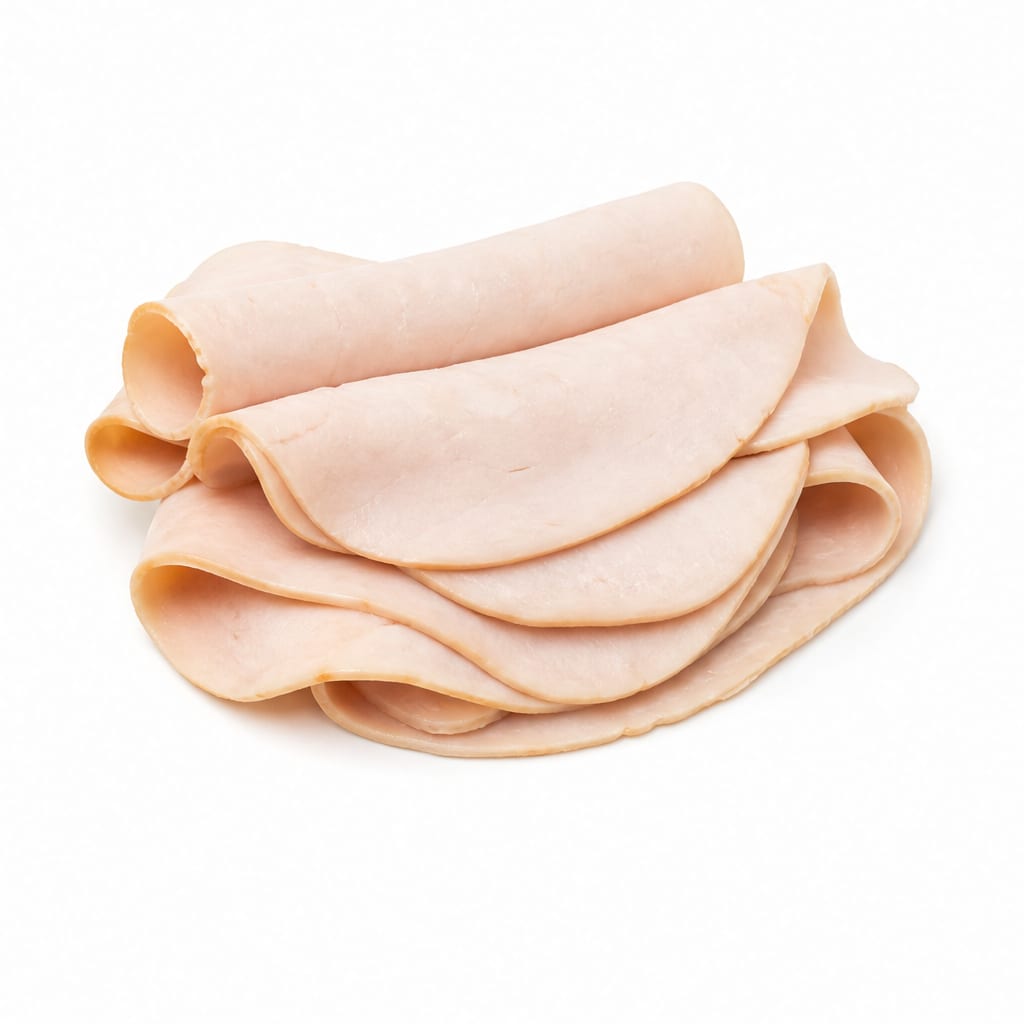
Compare with
Deli Turkey
Fresh turkey is minimally processed and low in sodium. Deli turkey is ultra-processed and sodium-heavy.
Fresh roasted turkey is far healthier than deli turkey, avoiding the high sodium, nitrates, and preservatives found in processed lunch meat.
This food
Turkey
VS55% alike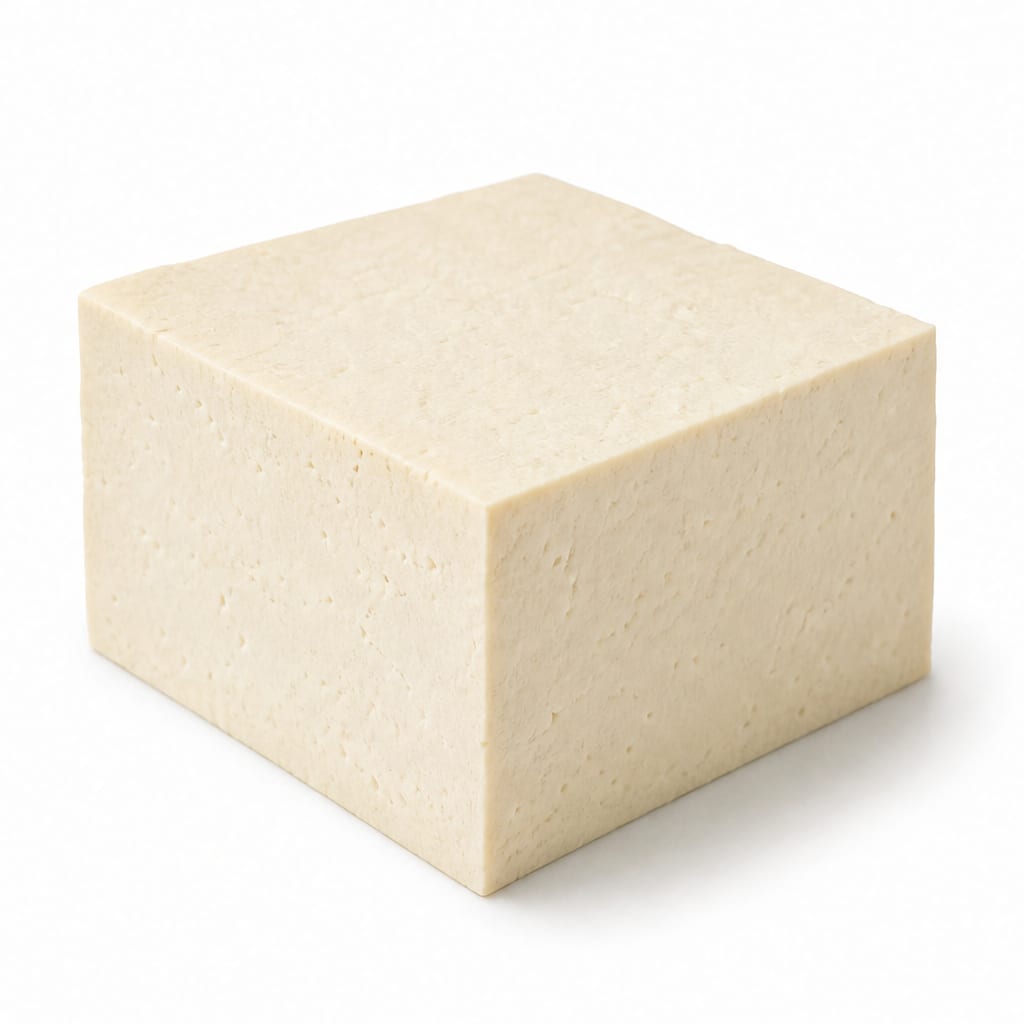
Compare with
Tofu
Turkey is a complete protein with zero carbs; tofu offers plant-based protein with healthy fats and fiber.
Turkey provides more protein per calorie and zero fat, making it better for muscle gain, while tofu offers fiber and plant-based benefits.
This food
Turkey
VS90% alike
Compare with
Ground Turkey 85% Lean
Breast meat is much lower in fat. Standard ground turkey includes skin and dark meat, raising the fat content.
Skinless turkey breast is significantly leaner than 85% lean ground turkey, which contains hidden fat from skin and dark meat.
This food
Turkey
VS50% alike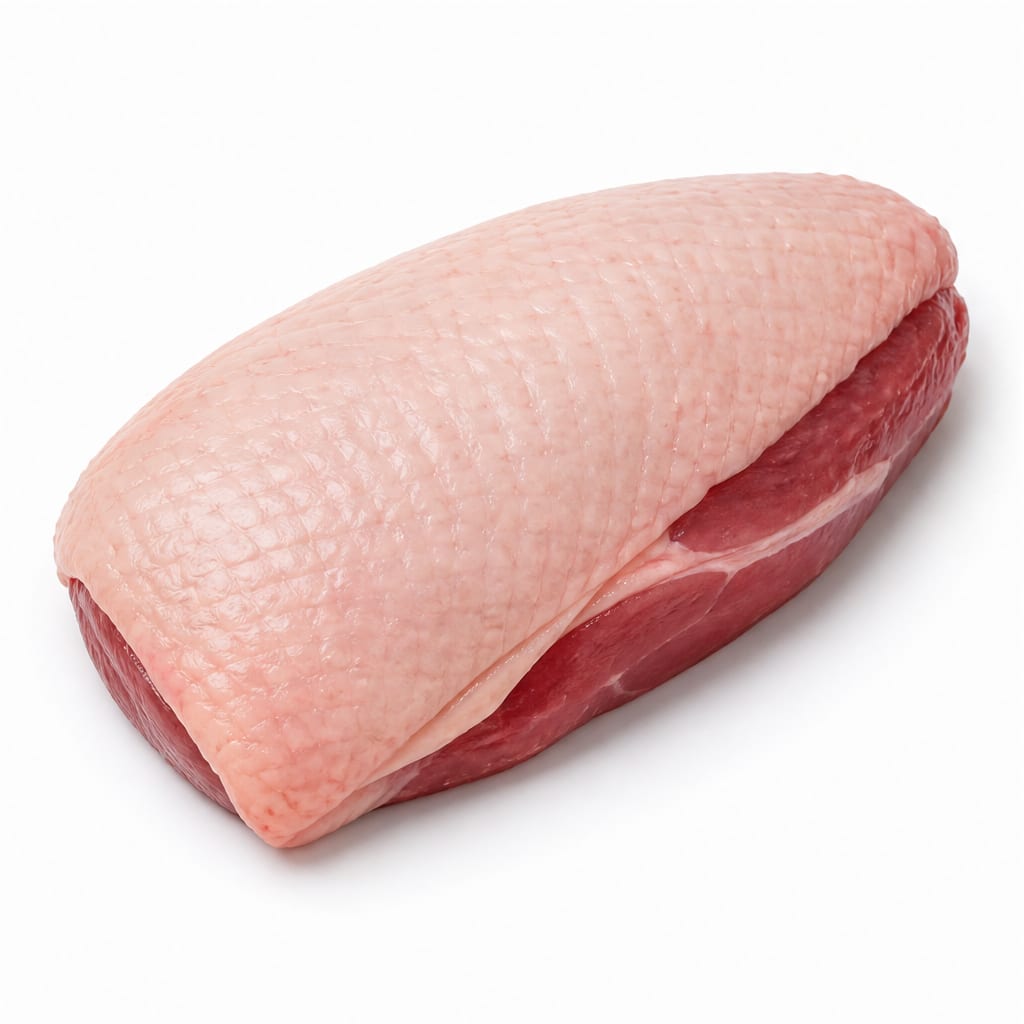
Compare with
Duck Breast
Turkey is very lean and low-calorie; duck is high in fat and calories, making turkey far better for weight loss.
Turkey is a low-fat, low-calorie protein ideal for weight loss, whereas duck is a high-fat, calorie-dense poultry better suited for keto diets.
This food
Turkey
VS85% alike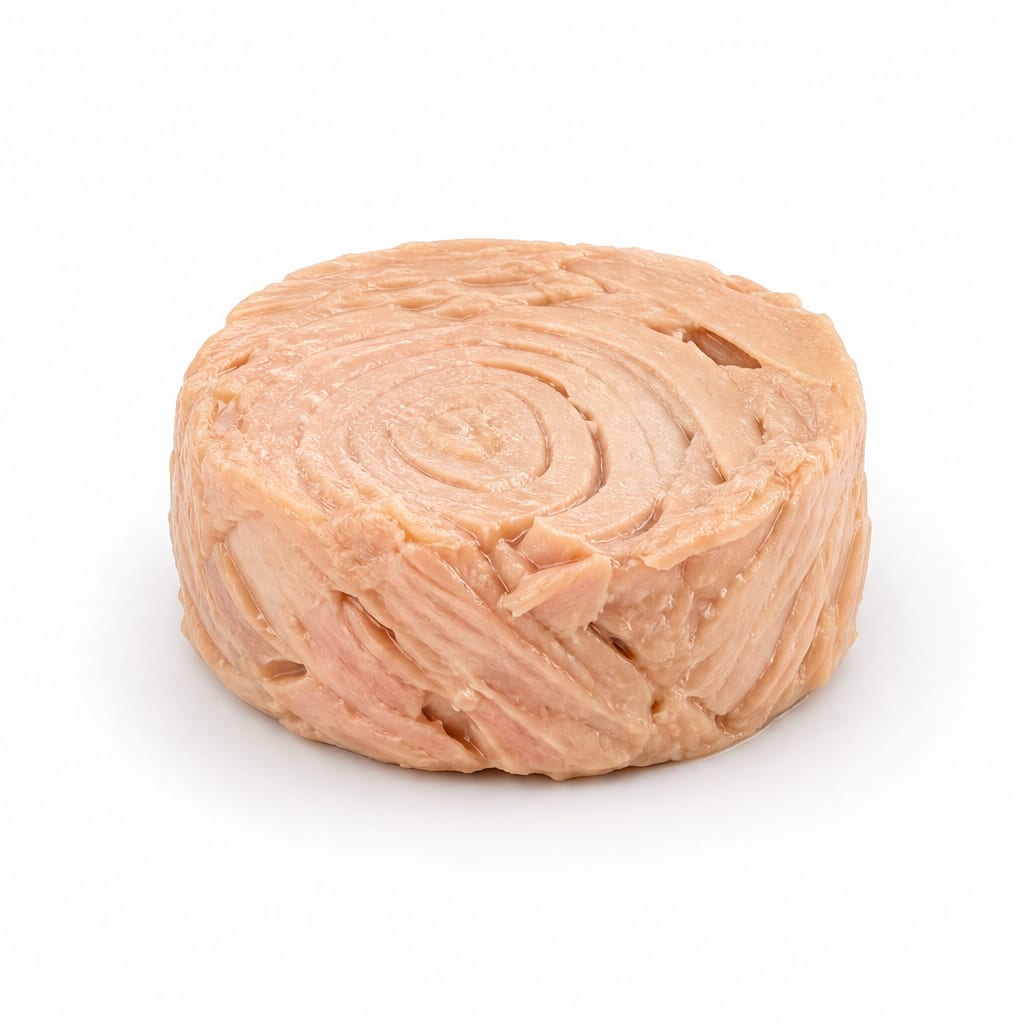
Compare with
Canned Tuna
Both are ultra-lean proteins. Tuna has more omega-3s but carries a mercury risk; turkey has more niacin and no mercury.
Both turkey and canned tuna are excellent lean proteins, but turkey avoids the mercury concerns associated with frequent tuna consumption.
This food
Turkey
VS65% alike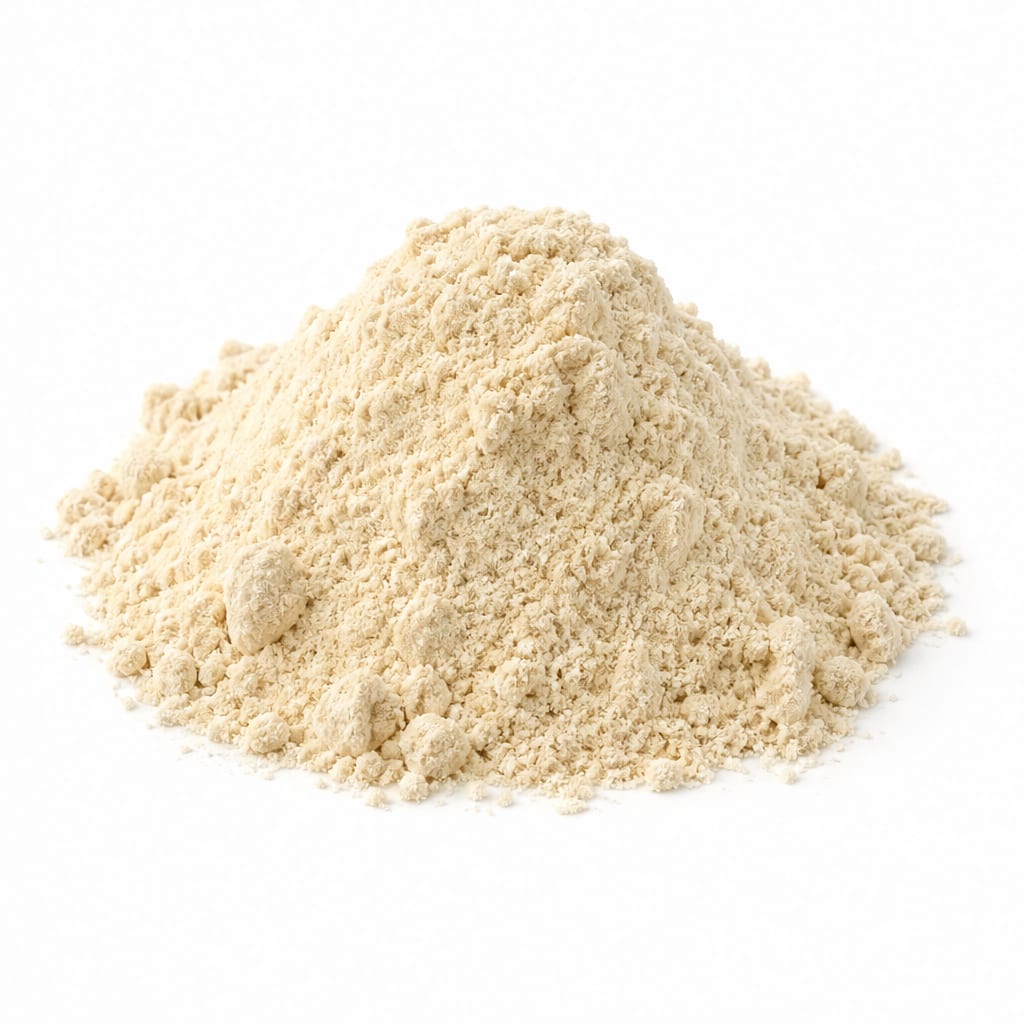
Compare with
Whey Protein
Both are high-quality proteins. Whey digests faster for post-workout, while turkey offers whole-food satiety.
Whey protein digests faster for immediate post-workout recovery, while whole turkey provides longer-lasting satiety and better volume for weight loss meals.
Common questions
FAQ
Answers aligned with how people search for this food.
Is turkey good for weight loss?
Yes, skinless turkey breast is excellent for weight loss. It provides maximum protein with minimal calories and fat, which keeps you full longer and helps preserve lean muscle.
Is turkey healthier than chicken?
Both are very similar nutritionally. Skinless turkey breast is slightly leaner than skinless chicken breast, but the differences are minimal and both are top-tier healthy proteins.
Can diabetics eat turkey?
Yes, fresh turkey contains zero carbohydrates and will not spike blood sugar levels, making it a highly stable and safe protein choice for diabetes management.
Why does turkey make you sleepy?
The sleepiness often blamed on turkey's tryptophan is actually caused by overeating heavy carbohydrates and fats during large meals, which triggers fatigue, rather than the poultry itself.
Is ground turkey healthy?
Ground turkey can be healthy, but check the lean-to-fat ratio. Packages labeled 93% lean or higher are excellent, while regular ground turkey often includes skin and dark meat, increasing fat.
Is deli turkey good for you?
Deli turkey is convenient and low in fat but is highly processed and contains high sodium and sometimes nitrates. Fresh roasted turkey is a much healthier choice.
Does turkey have carbs?
No, fresh raw turkey is a pure animal protein and contains zero carbohydrates.
What is the healthiest way to cook turkey?
Roasting, grilling, or baking without the skin preserves the lean protein content without adding extra fats or empty calories.
Transparency
Data confidence
Estimated confidence for nutrition data, interpretation, safety notes, and comparisons.
Nutrition data
Health analysis
Food safety
Comparisons