
Nutrition comparison
Turkey vs Chicken Breast: Which Lean Protein Is Better for You?
Compare Turkey and Chicken Breast nutrition, protein, micronutrients, cost, and taste. Find out which lean protein fits your goals better with this expert breakdown.
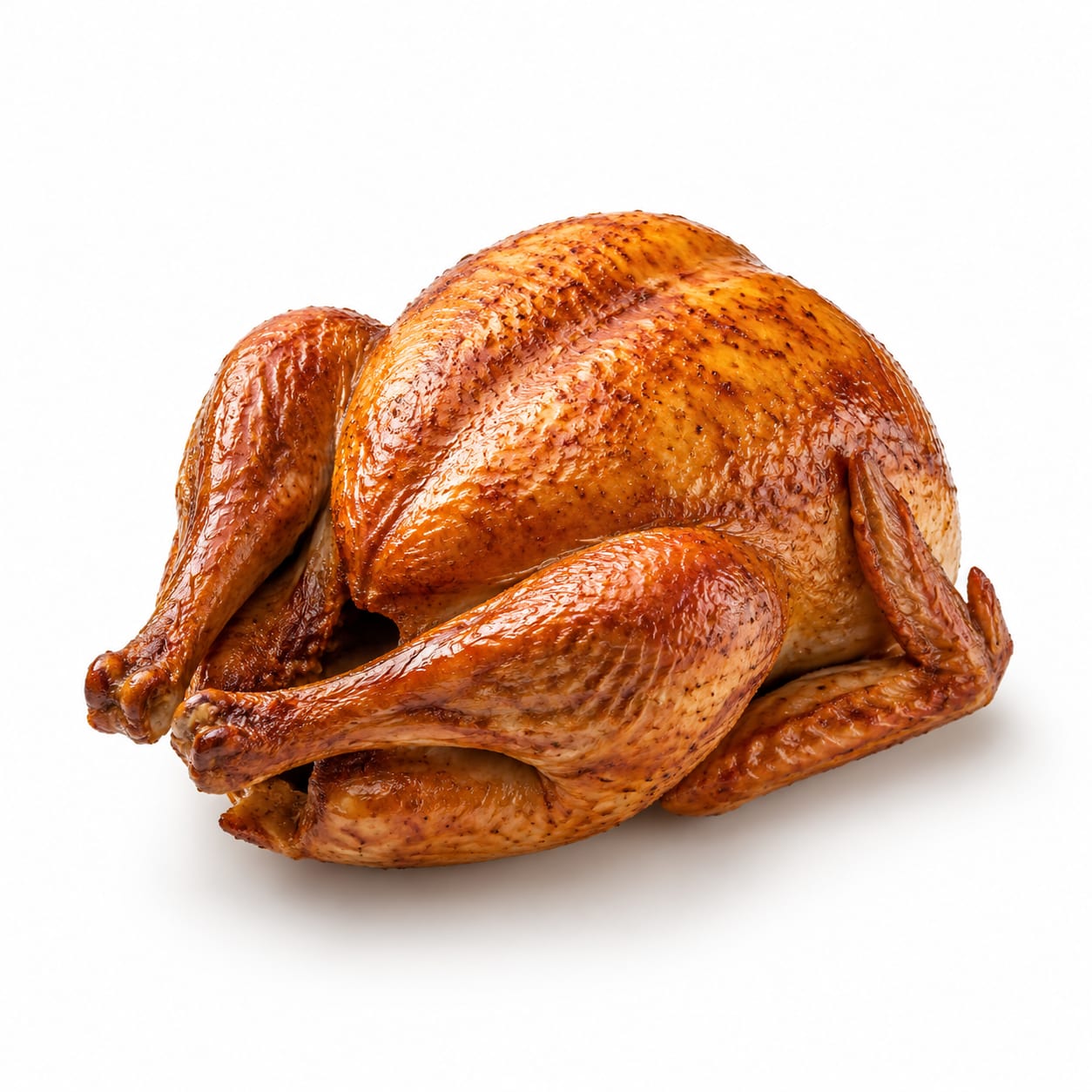
Turkey
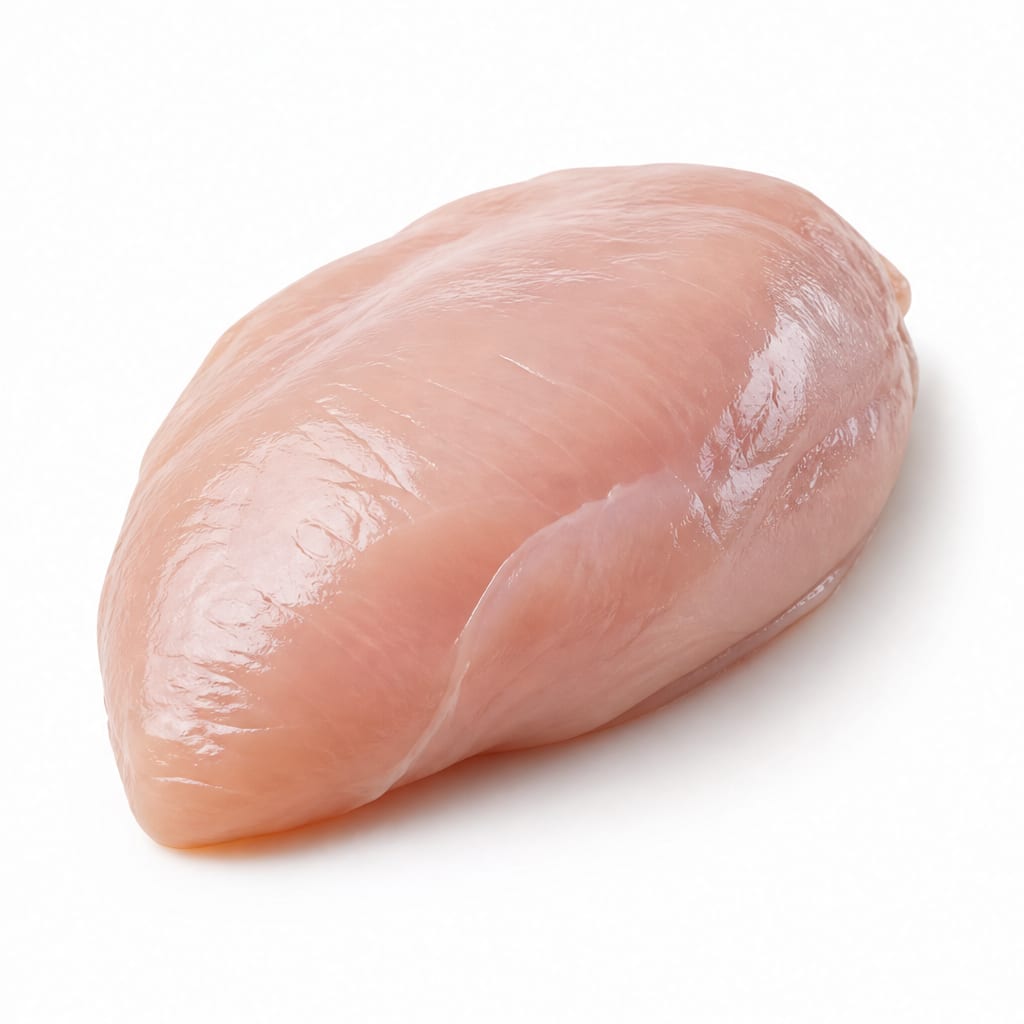
Chicken Breast
Turkey and Chicken Breast are neck-and-neck lean proteins. Turkey edges ahead on micronutrients; Chicken Breast wins on price, availability, and protein per calorie.
Chicken Breast scores slightly higher due to better protein density, lower cost, and wider availability. Turkey stays competitive with superior micronutrients and slightly better satiety. The gap is small because both are excellent lean proteins.
More vitamins and minerals in Turkey versus more convenience and slightly better protein density in Chicken Breast.
At a glance
Executive summary
Overall
It depends
Healthier
Turkey
More practical
Chicken Breast
Daily use
Chicken Breast
Key comparison lenses
lean protein source selection
Both are top-tier lean proteins; users are almost always deciding which to meal-prep or eat daily
micronutrient advantage
Turkey offers notably more selenium, B vitamins, and zinc, which matters for long-term health
cost and availability
Chicken Breast is cheaper and available year-round; Turkey can be seasonal or pricier
meal variety and fatigue
Eating the same protein daily gets old; alternating both prevents flavor burnout
satiety and weight management
Both are filling, but slight differences in amino acid profiles affect how long you stay satisfied
Best choice for
Turkey
- People wanting more selenium, zinc, and B vitamins in one meal
- Those managing thyroid health who need extra selenium
- Anyone tired of eating Chicken Breast every day and needing variety
- Older adults who benefit from higher B12 intake
Chicken Breast
- Budget-conscious meal preppers who buy protein in bulk
- People tracking macros closely who want the highest protein-to-calorie ratio
- Anyone who values consistent grocery store availability
- Busy cooks who want the most recipe flexibility
Least suitable for
Turkey
- People on tight grocery budgets where Turkey is significantly pricier
- Anyone who finds Turkey too dry or bland without heavy sauces
Chicken Breast
- People with poultry allergies who may tolerate Turkey better
- Those specifically seeking higher selenium and zinc from their protein source
Deep comparison
Dimension by dimension
Each lens scores both foods and breaks down who each option suits.
- Dimension 1 · Priority 95Chicken Breast
Protein Density
Turkey · 88Chicken Breast · 93Chicken Breast delivers slightly more protein per calorie than Turkey, making it the tighter macro choice.
Tradeoff
Turkey still provides excellent protein but with marginally more calories per gram of protein.
Why it matters
When you are counting every calorie and gram of protein, that small difference adds up over weeks of consistent eating.
Real-world impact
A 4 oz serving of Chicken Breast gives you roughly 3-4 more grams of protein for the same calories as Turkey — meaningful for competitive athletes but negligible for most people.
Turkey
- Getting a broader amino acid variety in your weekly diet
Better for
- Not the absolute tightest protein-to-calorie ratio available
Worse for
Chicken Breast
- Squeezing maximum protein into a calorie deficit
- Bodybuilders in contest prep tracking every macro
Better for
- Missing out on the extra micronutrients Turkey provides alongside its protein
Worse for
- Dimension 2 · Priority 85Turkey
Micronutrient Richness
Turkey · 86Chicken Breast · 68Turkey is clearly richer in selenium, zinc, B6, and B12, giving it a meaningful micronutrient edge.
Tradeoff
You sacrifice some protein density for a more nutrient-dense package when you choose Turkey.
Why it matters
Selenium supports thyroid function and immunity. B vitamins fuel energy metabolism. These add up over months of daily consumption.
Real-world impact
Eating Turkey regularly can help cover selenium needs that Chicken Breast leaves a gap in — especially if you do not eat much seafood or Brazil nuts.
Turkey
- Thyroid health and immune support from extra selenium
- Energy production from higher B-vitamin content
- Older adults needing more B12 absorption
Better for
- None significant — this is Turkey's clearest advantage
Worse for
Chicken Breast
- Simplicity — you get solid protein without needing to think about micronutrient optimization
Better for
- Lower selenium and B12 means you need to source these from elsewhere in your diet
Worse for
- Dimension 3 · Priority 78Turkey
Satiety and Fullness
Turkey · 82Chicken Breast · 79Turkey keeps you slightly fuller for longer, likely due to its richer amino acid profile and tryptophan content.
Tradeoff
The difference is modest — both are highly satiating compared to almost any other protein source.
Why it matters
Even a small satiety edge helps when you are cutting calories and fighting hunger between meals.
Real-world impact
You might notice less urge to snack between lunch and dinner with Turkey versus Chicken Breast, but the effect is subtle.
Turkey
- Longer-lasting fullness during calorie deficits
- People who struggle with afternoon hunger pangs
Better for
- The satiety advantage is real but small enough that most people will not notice dramatically
Worse for
Chicken Breast
- Still very filling — more than adequate for most appetite control needs
Better for
- Slightly less satisfying, which may matter during aggressive dieting phases
Worse for
- Dimension 4 · Priority 80Chicken Breast
Practicality and Availability
Turkey · 62Chicken Breast · 92Chicken Breast is available everywhere, always in stock, and consistently priced. Turkey can be seasonal, limited, or expensive.
Tradeoff
Convenience comes at the cost of missing Turkey's micronutrient benefits.
Why it matters
The best protein source is the one you can actually buy and cook consistently without hassle.
Real-world impact
Walking into any grocery store in any season, Chicken Breast is guaranteed. Fresh Turkey breast can require specialty stores or waiting for holiday seasons.
Turkey
- Post-Thanksgiving when Turkey is cheap and abundant
Better for
- Can be hard to find fresh outside holiday seasons
- Ground Turkey is more available but higher in fat
Worse for
Chicken Breast
- Consistent weekly meal prep without supply worries
- Living in areas with limited grocery options
- Anyone who values predictability in food shopping
Better for
- None — this is Chicken Breast's strongest advantage
Worse for
- Dimension 5 · Priority 75Chicken Breast
Cost Effectiveness
Turkey · 60Chicken Breast · 85Chicken Breast is typically 20-40% cheaper per pound than Turkey breast, making it the budget winner.
Tradeoff
Paying more for Turkey gets you better micronutrients but less protein per dollar.
Why it matters
For families or individuals eating lean protein daily, cost differences compound significantly over a year.
Real-world impact
If you eat 1 lb of lean protein daily, choosing Chicken Breast over Turkey could save you $300-600 per year depending on your area.
Turkey
- Holiday sales when Turkey drops below Chicken Breast prices
Better for
- Significantly higher per-pound cost most of the year
Worse for
Chicken Breast
- Feeding a family on a budget
- Students and young professionals watching grocery spending
- Bulk meal preppers buying 5+ pounds at a time
Better for
- You save money but miss the micronutrient premium Turkey offers
Worse for
- Dimension 6 · Priority 70Chicken Breast
Flavor and Versatility
Turkey · 65Chicken Breast · 80Chicken Breast has a milder flavor that works in more dishes. Turkey's stronger flavor limits some recipes but shines in others.
Tradeoff
Turkey's distinct taste is either a feature or a bug depending on the dish and your preference.
Why it matters
Boring food leads to diet fatigue. Versatility keeps meal prep sustainable long-term.
Real-world impact
Chicken Breast disappears into stir-fries, salads, and curries effortlessly. Turkey can overpower delicate flavors but excels in sandwiches, soups, and savory bowls.
Turkey
- Hearty sandwiches and wraps where its flavor stands out
- Soups and chilis where Turkey adds depth
- People who find Chicken Breast too bland
Better for
- Can taste too gamey or dry if overcooked
- Limited recipe compatibility compared to Chicken Breast
Worse for
Chicken Breast
- Stir-fries, curries, and international recipes requiring neutral protein
- Meal preppers who want one protein to work across five different cuisines
- Picky eaters who prefer milder flavors
Better for
- Some people find it boring after weeks of daily consumption
Worse for
Timeline
Health impact over time
Short-term
Hours to days
Turkey
- Steady energy from B vitamins without crashes
- Solid post-workout muscle repair from complete amino acids
- May feel slightly more satisfied after meals compared to Chicken Breast
Chicken Breast
- Quick and clean protein delivery for muscle recovery
- Light feeling after meals — easy on the stomach
- Minimal digestive discomfort for most people
Long-term
Months to years
Turkey
- Better thyroid support from consistent selenium intake
- Stronger immune resilience over time
- Improved B12 status, especially valuable for older adults
Chicken Breast
- Reliable lean protein intake supporting healthy body composition
- Consistent muscle maintenance with daily consumption
- Lower grocery spending frees budget for other healthy foods
Risk profile
Safety & processing
Both Turkey and Chicken Breast are whole, minimally processed proteins when purchased fresh. Watch out for pre-seasoned, deli-sliced, or frozen versions which may contain added sodium, preservatives, or fillers.
Turkey
Salmonella contamination
mediumRaw Turkey carries salmonella risk similar to Chicken. Cook to 165°F to eliminate. Larger birds can be harder to cook evenly, increasing risk of undercooked spots.
Antibiotic residues
lowConventionally raised Turkey may have antibiotic exposure. Choose organic or antibiotic-free labels if this concerns you.
Chicken Breast
Salmonella contamination
mediumChicken Breast is one of the most common sources of salmonella in home kitchens. Strict cross-contamination prevention and proper cooking are essential.
Antibiotic and hormone concerns
lowUS regulations prohibit hormones in poultry, but antibiotic practices vary. Free-range or organic options reduce exposure.
Who wins for whom
Audience fit
Same foods, different winners depending on your goal.
children
Chicken BreastMilder flavor and softer texture when cooked properly make Chicken Breast more kid-friendly. Turkey can taste too strong for picky eaters.
daily consumption
Chicken BreastLower cost, easier availability, and more recipe versatility make Chicken Breast more sustainable as a daily staple for most people.
diabetes
It dependsBoth have zero carbs and minimal impact on blood sugar. Turkey's extra micronutrients may support metabolic health slightly more, but either is an excellent choice.
elderly
TurkeyHigher B12, selenium, and zinc content supports aging immune systems, thyroid function, and cognitive health more effectively.
muscle gain
Chicken BreastHigher protein density per serving makes Chicken Breast marginally better for hitting high protein targets during bulking phases.
weight loss
Chicken BreastChicken Breast has slightly fewer calories per gram of protein, giving it a small edge in calorie-controlled diets. The difference is minimal though.
Your move
Decision guide
Choose Turkey
- You want more micronutrients per serving, especially selenium and B vitamins
- You are tired of Chicken Breast and need flavor variety to stay consistent
- You are an older adult who benefits from extra B12 and zinc
- You find Turkey on sale and want to stock up at a good price
Choose Chicken Breast
- You are on a budget and need the most affordable lean protein
- You meal-prep in bulk and want maximum recipe flexibility
- You are tracking macros tightly and want the best protein-to-calorie ratio
- You have picky eaters at home who prefer milder flavors
Either works if
- You just need a solid lean protein source and have no specific micronutrient concerns
- You want to rotate between both to prevent diet fatigue
- Your grocery store has both at similar prices
Avoid both if
- You have a poultry allergy
- You are following a vegetarian or vegan diet
- You consistently overcook both and find them too dry to enjoy — try thighs or different proteins instead
Final recommendation
Eat both. Rotate Turkey and Chicken Breast throughout your week to get Chicken Breast's protein density and convenience alongside Turkey's micronutrient boost. If you must pick one for daily use, Chicken Breast wins on practicality. If you care most about nutrient density, Turkey is the better investment in your long-term health.
Practical
Consumer tips
- 1
Buy whole Turkey breasts when on sale after holidays and freeze portions for months of use
- 2
Brine both Turkey and Chicken Breast before cooking to prevent dryness — even 30 minutes in salt water helps
- 3
Check labels on ground Turkey — many packages include dark meat and skin, doubling the fat content
- 4
Use a meat thermometer for both. Overcooking is the number one reason people dislike either protein
- 5
Marinate Chicken Breast in yogurt or citrus to keep it tender and add flavor without excess calories
- 6
If Turkey is too expensive fresh, look for frozen Turkey breast — nutritionally equivalent and often cheaper