
Nutrition comparison
Turkey vs Canned Tuna: Which Lean Protein is Healthier?
Compare Turkey vs Canned Tuna for protein, mercury, sodium, and omega-3s. Find out which is safer for daily use and better for weight loss.
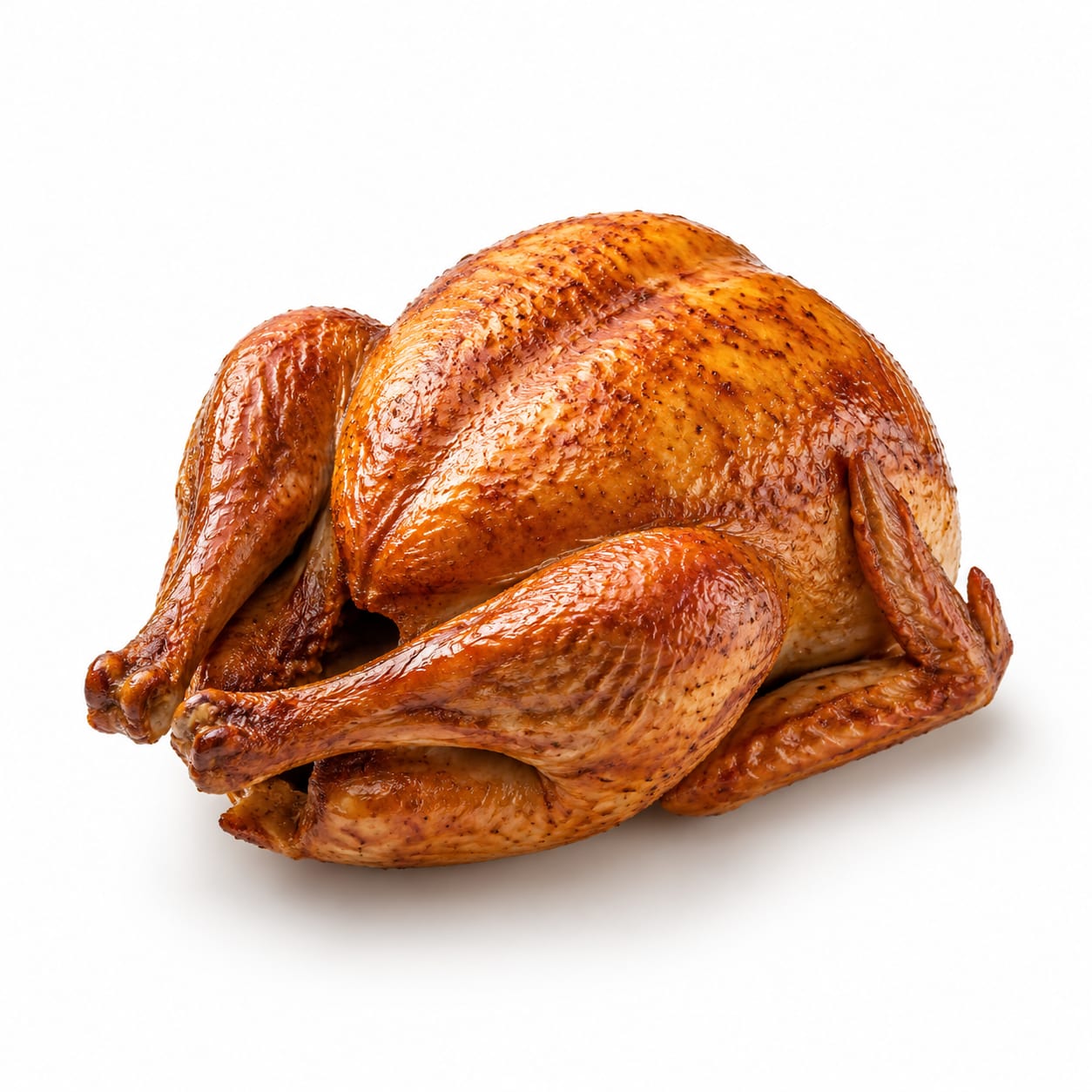
Turkey
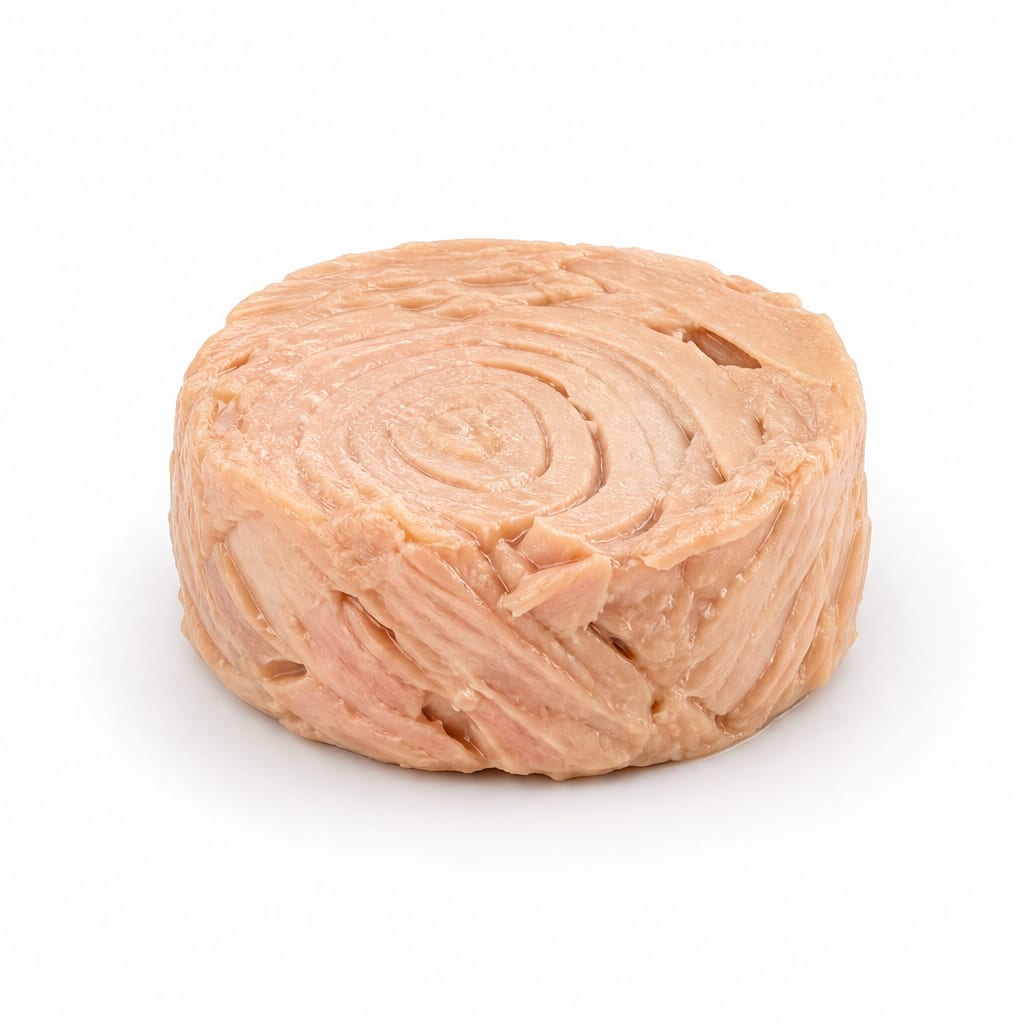
Canned Tuna
Turkey is safer for frequent eating, while Canned Tuna delivers omega-3s but carries mercury and sodium tradeoffs.
Turkey scores higher overall due to a stronger safety profile for daily consumption, while Canned Tuna loses points on mercury risk and sodium content despite its omega-3 advantages.
Heart-healthy omega-3s and shelf-stable convenience in Canned Tuna versus the lower mercury and sodium profile of Turkey.
At a glance
Executive summary
Overall
It depends
Healthier
Turkey
More practical
Canned Tuna
Daily use
Turkey
Key comparison lenses
Lean protein source for muscle and weight management
Both are go-to lean proteins, making their macro and micro differences the core of the comparison.
Mercury and heavy metal exposure
Canned Tuna carries well-documented mercury risks that fundamentally limit how often it can be safely eaten.
Sodium and blood pressure impact
Canning introduces high sodium, whereas fresh Turkey is naturally low, creating a major heart-health tradeoff.
Omega-3 intake and heart health
Canned Tuna provides essential marine omega-3s that Turkey completely lacks.
Meal prep convenience and shelf stability
Canned Tuna is a pantry staple requiring zero cooking, while Turkey requires refrigeration and prep.
Best choice for
Turkey
- Daily lean protein needs
- Pregnant women and children
- Low-sodium diets
Canned Tuna
- Quick pantry meals
- Omega-3 supplementation
- Backpacking or travel
Least suitable for
Turkey
- Instant no-cook meals
- Long-term storage without freezing
Canned Tuna
- Daily consumption
- Mercury-sensitive individuals
- Low-sodium diets
Deep comparison
Dimension by dimension
Each lens scores both foods and breaks down who each option suits.
- Dimension 1 · Priority 95It depends
Protein Quality & Satiety
Turkey · 85Canned Tuna · 88Both are excellent lean proteins, but Canned Tuna offers a slightly more concentrated protein hit with added omega-3s, while Turkey feels more filling in a meal.
Tradeoff
Turkey provides a more satisfying meal volume, whereas Canned Tuna delivers more protein per calorie along with beneficial fats.
Why it matters
Higher satiety helps with weight management, while omega-3s support brain and heart health.
Real-world impact
A turkey breast dinner keeps you full for hours; a tuna salad gives you a leaner, lighter post-workout recovery.
Turkey
- Larger, filling meals
- Appetite control
Better for
- Quick nutrient density
Worse for
Canned Tuna
- Post-workout recovery
- Omega-3 intake
Better for
- Feeling physically full
Worse for
- Dimension 2 · Priority 90Turkey
Heavy Metal & Contamination Risk
Turkey · 90Canned Tuna · 45Turkey has minimal contamination risks, while Canned Tuna accumulates mercury that limits how often you should eat it.
Tradeoff
You gain omega-3s from Canned Tuna but take on mercury exposure, whereas Turkey is virtually free of heavy metal concerns.
Why it matters
Mercury buildup affects neurological health and is especially dangerous for pregnant women and children.
Real-world impact
Eating Canned Tuna daily can lead to mercury toxicity symptoms over time; Turkey can be eaten daily without this worry.
Turkey
- Daily eating
- Pregnancy safety
- Children's diets
Better for
Canned Tuna
- Frequent consumption
- Nervous system health
Worse for
- Dimension 3 · Priority 85Turkey
Sodium & Blood Pressure Impact
Turkey · 80Canned Tuna · 40Fresh Turkey is naturally low in sodium, but Canned Tuna is packed with salt for preservation.
Tradeoff
Canned Tuna offers shelf stability at the cost of high sodium, while fresh Turkey requires refrigeration but keeps your blood pressure happier.
Why it matters
High sodium intake is a leading driver of hypertension and bloating.
Real-world impact
A single can of Canned Tuna can contain a third of your daily sodium limit; Turkey breast has almost none.
Turkey
- Heart health
- Reducing bloating
Better for
- No-cook convenience
Worse for
Canned Tuna
- Shelf-stable emergencies
Better for
- Blood pressure management
- Salt-sensitive individuals
Worse for
- Dimension 4 · Priority 80Canned Tuna
Heart Health & Fats
Turkey · 70Canned Tuna · 85Canned Tuna provides heart-protective omega-3 fatty acids that Turkey lacks.
Tradeoff
Turkey is leaner with less overall fat, but Canned Tuna offers the anti-inflammatory omega-3s your cardiovascular system craves.
Why it matters
Omega-3s reduce inflammation and lower heart disease risk.
Real-world impact
Eating Canned Tuna a couple of times a week gives your heart a healthy fat boost that Turkey simply cannot provide.
Turkey
- Ultra-low-fat diets
Better for
- Getting enough omega-3s
Worse for
Canned Tuna
- Cardiovascular health
- Reducing inflammation
Better for
- Strict low-fat protocols
Worse for
- Dimension 5 · Priority 75Canned Tuna
Convenience & Shelf Stability
Turkey · 50Canned Tuna · 95Canned Tuna is a ready-to-eat pantry staple, while Turkey requires cooking and refrigeration.
Tradeoff
You trade freshness and lower sodium for the ultimate grab-and-go convenience with Canned Tuna.
Why it matters
Convenience often dictates what you actually eat when life gets busy.
Real-world impact
You can stash Canned Tuna in your desk drawer for an instant lunch; Turkey requires meal prep and a fridge.
Turkey
- Family dinners
- Meal prep batches
Better for
- Instant meals
- Travel
Worse for
Canned Tuna
- Office lunches
- Camping trips
- Emergency prep
Better for
- Gourmet cooking
Worse for
Timeline
Health impact over time
Short-term
Hours to days
Turkey
- Steady energy without bloating
- Sustained fullness
Canned Tuna
- Quick protein satisfaction
- Potential thirst from high sodium
Long-term
Months to years
Turkey
- Safe daily lean protein source
- Supports healthy blood pressure
Canned Tuna
- Improved heart health from omega-3s if eaten moderately
- Mercury accumulation if overconsumed
Risk profile
Safety & processing
Fresh Turkey is a straightforward single-ingredient protein. Canned Tuna undergoes processing and contains added salt, and sometimes pyrophosphates to retain moisture.
Turkey
Bacterial contamination (Salmonella)
lowProper cooking eliminates risk, but handling raw Turkey requires basic kitchen hygiene.
Deli meat nitrites (if choosing deli turkey)
mediumProcessed deli turkey contains preservatives linked to cancer risk; choose fresh roasted instead.
Canned Tuna
Mercury exposure
highTuna is a larger predatory fish that accumulates methylmercury, limiting safe consumption to 1-2 servings per week.
BPA from can linings
mediumMost cans use BPA linings which can leach into the fish, acting as endocrine disruptors.
Who wins for whom
Audience fit
Same foods, different winners depending on your goal.
children
TurkeyChildren are highly sensitive to mercury, making Canned Tuna a risky regular choice, whereas Turkey is safe and kid-friendly.
daily consumption
TurkeyMercury limits Canned Tuna to a few times a week, while Turkey can be safely eaten every day.
diabetes
TurkeyBoth have zero carbs, but Turkey lacks the high sodium of Canned Tuna, which can worsen hypertension often associated with diabetes.
elderly
TurkeyThe elderly need easy-to-chew, low-sodium foods for heart and kidney health; Turkey is gentler on blood pressure than salty canned fish.
muscle gain
TurkeyTurkey provides more volume and slightly more protein per typical serving, making it easier to hit high macro targets without feeling overly stuffed from dry fish.
weight loss
It dependsBoth are low-calorie, high-protein options. Turkey is more filling per serving, but Canned Tuna is slightly lower in calories if you drain it well.
Your move
Decision guide
Choose Turkey
- You want a safe, daily lean protein staple.
- You are pregnant, nursing, or feeding children.
- You are watching your blood pressure and sodium intake.
Choose Canned Tuna
- You want an omega-3 boost without taking fish oil pills.
- You need a shelf-stable, no-cook protein for travel or work.
- You only eat fish occasionally and want maximum nutrient density.
Either works if
- You just need a low-carb, high-protein base for a salad.
- You are meal-prepping for the week and want variety.
Avoid both if
- You are following a strict plant-based or vegan diet.
- You have gout and need to limit purine-rich meats.
Final recommendation
Keep Turkey as your everyday lean protein for its safety and low sodium, and treat Canned Tuna as a convenient omega-3 boost a couple of times a week.
Practical
Consumer tips
- 1
Rinse Canned Tuna under water to remove up to 20% of the sodium.
- 2
Choose chunk light Canned Tuna over albacore; it has significantly less mercury.
- 3
Opt for fresh or roasted Turkey breast over deli slices to avoid nitrites and excess sodium.
- 4
Look for BPA-free cans when buying Canned Tuna to reduce endocrine disruption risks.
- 5
Mix Canned Tuna with avocado instead of mayo for a healthier, omega-3 rich binder.