
Nutrition comparison
Turkey vs Deli Turkey: Which Is Healthier?
Compare fresh turkey vs deli turkey. Discover the health tradeoffs, sodium differences, and processing concerns to make the best choice for your lunches.
Overall winner · Turkey
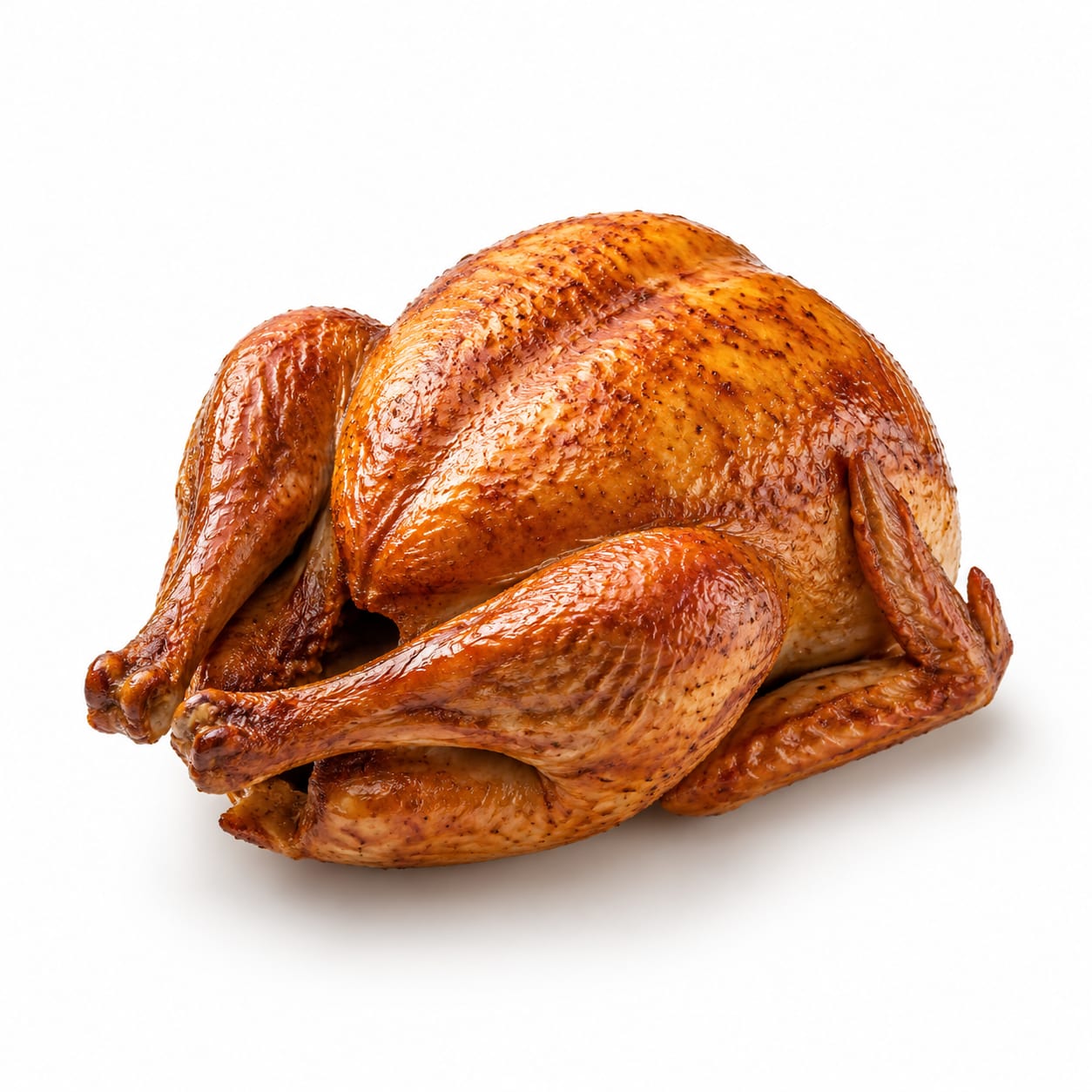
Turkey
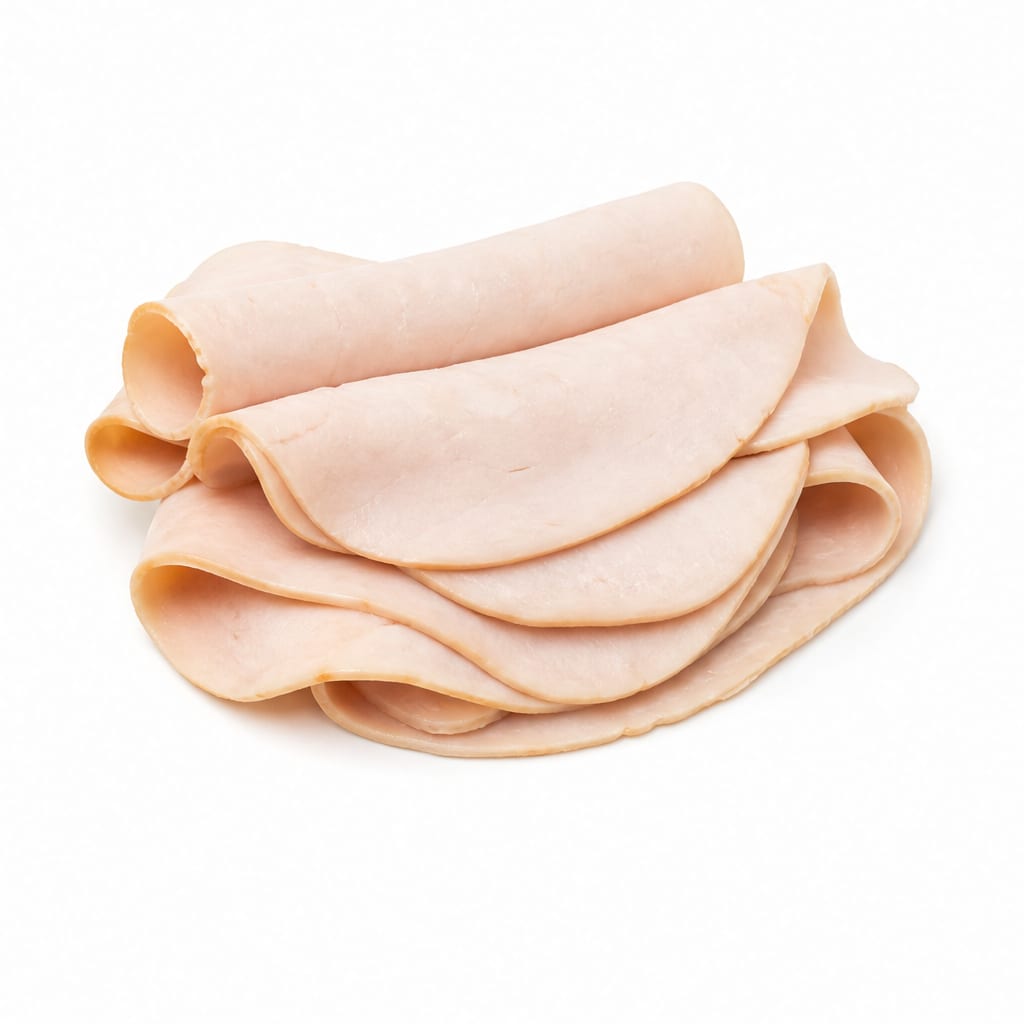
Deli Turkey
Fresh turkey offers pure protein without the sodium and preservatives, while deli turkey trades health for convenience.
Fresh turkey wins decisively due to the heavy processing, high sodium, and additive load in deli turkey, though deli turkey remains a convenient fallback.
You are swapping clean protein and heart health for grab-and-go sandwich convenience.
At a glance
Executive summary
Overall
Turkey
Healthier
Turkey
More practical
Deli Turkey
Daily use
Turkey
Key comparison lenses
Sodium and blood pressure impact
Deli turkey is notoriously high in sodium, making this a critical health differentiator
Processing level and additives
Deli turkey contains preservatives and nitrates, while fresh turkey is a whole food
Convenience and meal prep tradeoffs
The primary reason people choose deli turkey over fresh is ready-to-eat convenience
Long-term cancer risk from processed meats
Regular consumption of processed poultry is linked to increased health risks
Best choice for
Turkey
- Clean eating diets
- Low-sodium diets
- Whole food advocates
Deli Turkey
- Quick lunches
- Busy professionals
- Sandwich lovers needing fast options
Least suitable for
Turkey
- Need instant meals
- No cooking facilities
Deli Turkey
- Hypertension
- Avoiding processed meats
- Strict clean eating diets
Deep comparison
Dimension by dimension
Each lens scores both foods and breaks down who each option suits.
- Dimension 1 · Priority 95Turkey
Sodium & Blood Pressure
Turkey · 92Deli Turkey · 15Deli turkey is a sodium bomb, while fresh turkey is naturally low in sodium.
Tradeoff
You save 10 minutes of prep but consume a day's worth of sodium in a few slices.
Why it matters
High sodium intake spikes blood pressure and heavily strains your heart over time.
Real-world impact
A few deli turkey sandwiches a week can easily push you over your daily sodium limit, leaving you bloated and thirsty.
Turkey
- Low-sodium diets
- Heart health
- Reducing water retention
Better for
- Craving salty flavor without seasoning
Worse for
Deli Turkey
- Quick flavor without extra cooking seasonings
Better for
- Blood pressure control
- Kidney health
Worse for
- Dimension 2 · Priority 90Turkey
Processing & Additives
Turkey · 95Deli Turkey · 20Fresh turkey is just meat. Deli turkey often contains nitrates, phosphates, and binders.
Tradeoff
Convenience comes with a cocktail of preservatives and fillers.
Why it matters
Nitrates and ultra-processing are linked to higher cancer risk and gut inflammation.
Real-world impact
Eating deli meats regularly increases your exposure to compounds your body has to work hard to process, which can leave you feeling sluggish.
Turkey
- Clean eating
- Reducing chemical exposure
- Gut health
Better for
- Shelf stability without freezing
Worse for
Deli Turkey
- Long fridge life
- Consistent texture and color
Better for
- Avoiding ultra-processed foods
- Chemical sensitivities
Worse for
- Dimension 3 · Priority 85Deli Turkey
Convenience & Meal Prep
Turkey · 35Deli Turkey · 95Deli turkey is ready in seconds; fresh turkey requires cooking or reheating.
Tradeoff
You invest time cooking fresh turkey to avoid the hidden health costs of deli slices.
Why it matters
When you are rushing on a Tuesday noon, convenience often beats good intentions.
Real-world impact
Deli turkey makes a 2-minute lunch possible, while fresh turkey needs Sunday meal prep to be just as grab-and-go.
Turkey
- Batch cooking
- Family dinners
Better for
- Zero-prep lunches
- Travel meals
Worse for
Deli Turkey
- Quick lunches
- Office meals
- No-cook situations
Better for
- Minimizing food waste from unused portions
Worse for
- Dimension 4 · Priority 80Turkey
Protein Quality & Satiety
Turkey · 90Deli Turkey · 60Fresh turkey is denser in protein and more filling because it lacks added water and fillers.
Tradeoff
Deli turkey might seem like equal protein per slice, but it is often water-weighted and less satisfying.
Why it matters
Better protein quality keeps you full longer and stabilizes your energy.
Real-world impact
A fresh turkey breast lunch keeps afternoon cravings away much better than a deli meat sandwich that leaves you hungry an hour later.
Turkey
- Muscle maintenance
- Staying full longer
- Steady energy
Better for
- Portion control for small appetites
Worse for
Deli Turkey
- Easier to eat small portions
Better for
- Sustained satiety
- High-protein diets
Worse for
Timeline
Health impact over time
Short-term
Hours to days
Turkey
- Steady energy without crashes
- No bloating from excess sodium
Deli Turkey
- Quick meal satisfaction
- Possible water retention and thirst from high sodium
Long-term
Months to years
Turkey
- Better heart health and blood pressure
- Lower cancer risk from avoiding processed meats
Deli Turkey
- Increased risk of hypertension
- Higher exposure to preservatives linked to chronic disease
Risk profile
Safety & processing
Fresh turkey is a single-ingredient whole food. Deli turkey is an ultra-processed product with preservatives, sodium, and binders to extend shelf life and enhance color.
Turkey
Foodborne illness
mediumRaw turkey requires safe handling and thorough cooking to avoid Salmonella or Campylobacter.
Deli Turkey
Listeria contamination
mediumDeli meats are a known source of Listeria, which is especially dangerous for pregnant women and the elderly.
Nitrates and Nitrites
mediumOften added for color and preservation, forming potentially carcinogenic compounds when digested.
Who wins for whom
Audience fit
Same foods, different winners depending on your goal.
children
TurkeyAvoids exposing kids to nitrates, high sodium, and artificial preservatives during development.
daily consumption
TurkeySafe to eat daily without sodium or preservative overload harming your cardiovascular system.
diabetes
TurkeyNo added sugars or starches often found in deli meat binders, and zero processing concerns.
elderly
TurkeyLower sodium protects aging hearts, and minimal processing reduces Listeria and cancer risk.
muscle gain
TurkeyPure, high-quality protein without fillers or water weight supports muscle repair better.
weight loss
TurkeyLower sodium prevents water retention, and higher protein density keeps you fuller on fewer calories.
Your move
Decision guide
Choose Turkey
- You have time for weekly meal prep
- Heart health and blood pressure are priorities
- You want clean, single-ingredient protein
Choose Deli Turkey
- You need ready-to-eat protein in seconds
- You travel or lack cooking access
- You only eat it occasionally
Either works if
- You want lean protein over fattier meats like roast beef
- You are building a quick salad or wrap
Avoid both if
- You are vegetarian or vegan
- You have a poultry allergy
Final recommendation
Roast a fresh turkey breast on Sunday for the week's lunches. You get the convenience of sliced turkey without the sodium and preservatives of deli meat. Keep deli turkey as an occasional backup, not your daily default.
Practical
Consumer tips
- 1
Look for 'no nitrates added' and 'low sodium' labels if you buy deli turkey.
- 2
Roast extra turkey breast and slice it thin for your own healthier deli-style meat.
- 3
Rinse deli turkey under water briefly to remove some surface sodium, though it will not fix the preservatives.
- 4
Store fresh cooked turkey slices in the fridge for up to 4 days for quick lunch access.