
Nutrition comparison
Turkey vs Whey Protein: Which Is Better for Your Goals?
Compare turkey and whey protein for muscle gain, weight loss, convenience, and overall health. Learn when to choose whole food over supplements and how to use both strategically.
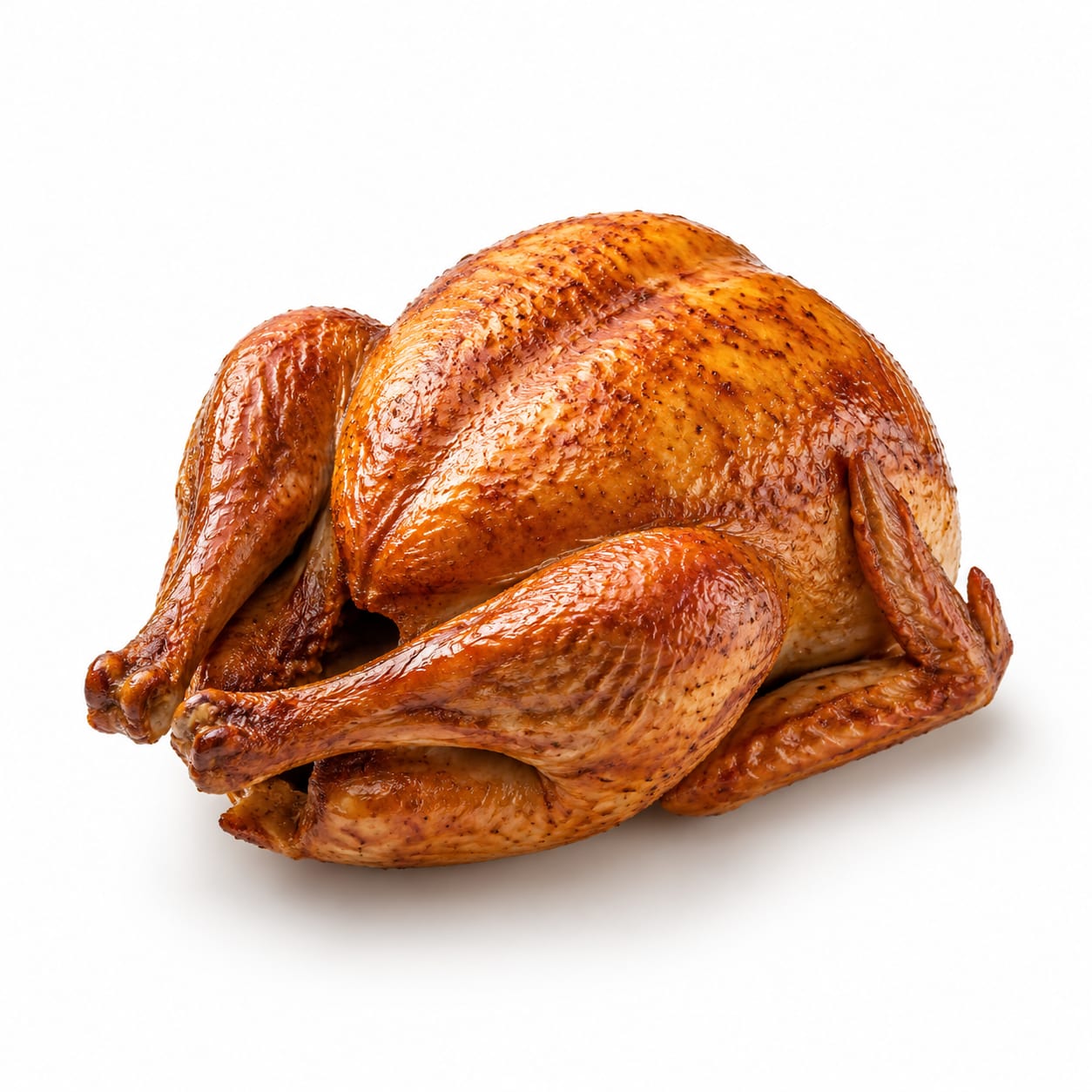
Turkey
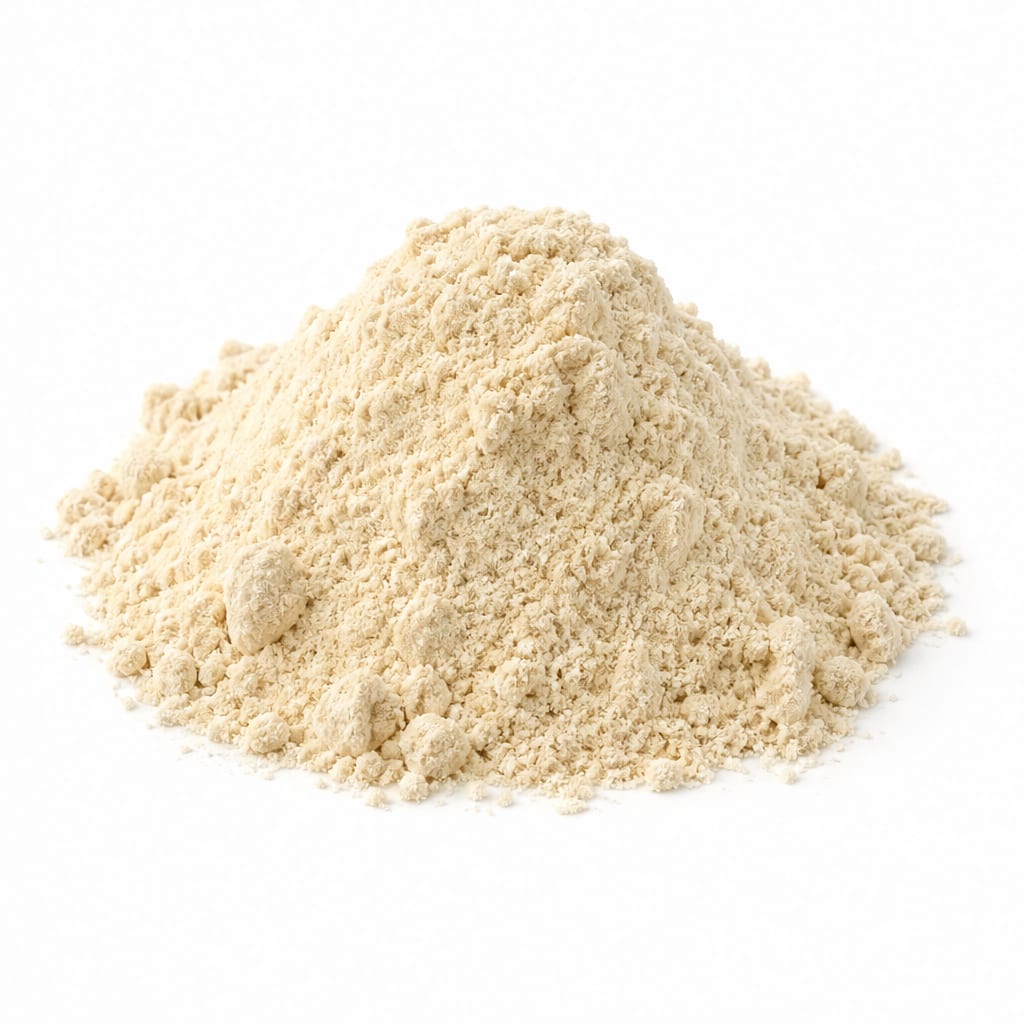
Whey Protein
Turkey feeds you. Whey fuels you. They answer different questions.
Turkey scores higher for overall health and daily sustainability. Whey Protein scores well for specific use cases like post-workout recovery and convenience. The gap reflects turkey's broader nutritional value versus whey's targeted efficiency.
Turkey gives you a satisfying, nutrient-rich meal. Whey gives you fast, convenient protein with almost zero effort.
At a glance
Executive summary
Overall
It depends
Healthier
Turkey
More practical
Whey Protein
Daily use
Turkey
Key comparison lenses
Protein source selection for fitness goals
Both are high-protein options but serve fundamentally different roles in a diet
Whole food versus supplement strategy
Turkey is a real meal; whey is a tool. Users are deciding between eating food or drinking shakes
Post-workout recovery optimization
Whey's fast absorption makes it a classic post-workout choice, but turkey can also work
Satiety and hunger management
Solid food fills you up differently than liquids, which matters for adherence and overeating
Convenience versus nutritional completeness
Whey is effortless; turkey requires prep but delivers more than just protein
Best choice for
Turkey
- People who want to feel full and satisfied after eating
- Anyone prioritizing whole, minimally processed foods
- Those seeking micronutrients alongside protein
- Meal builders who want real food on their plate
- People trying to reduce reliance on supplements
Whey Protein
- Athletes needing fast post-workout protein delivery
- Busy people who skip meals and need quick nutrition
- Anyone struggling to hit daily protein targets from food alone
- People who find eating enough solid food difficult
- Travelers or those without reliable kitchen access
Least suitable for
Turkey
- People who need immediate post-workout protein absorption
- Anyone without time or facilities to cook
- Those who find eating large volumes of food uncomfortable
Whey Protein
- People with dairy sensitivities or lactose intolerance
- Anyone avoiding ultra-processed supplements
- Those who feel unsatisfied drinking calories instead of chewing food
Deep comparison
Dimension by dimension
Each lens scores both foods and breaks down who each option suits.
- Dimension 1 · Priority 95Whey Protein
Protein Quality and Absorption Speed
Turkey · 75Whey Protein · 95Whey Protein absorbs faster and has a slightly higher biological value than turkey.
Tradeoff
Speed is not always better. Fast absorption helps after workouts but turkey's slower digestion keeps amino acids available longer.
Why it matters
If you just finished training, whey gets muscle-building amino acids into your bloodstream within 30 minutes. Turkey takes 1-2 hours to do the same job.
Real-world impact
After a tough gym session, whey feels like it hits the spot immediately. Turkey works too, but you are waiting longer for recovery to kick in.
Turkey
- Sustained amino acid delivery between meals
- People who train earlier and eat meals later anyway
Better for
- Situations requiring rapid protein delivery
Worse for
Whey Protein
- Immediate post-workout muscle recovery
- Anyone in a rush after training
Better for
- Extended periods between meals where sustained release matters more
Worse for
- Dimension 2 · Priority 90Turkey
Satiety and Fullness
Turkey · 92Whey Protein · 45Turkey keeps you full for hours. A whey shake leaves you hungry again within an hour.
Tradeoff
Liquid calories rarely satisfy like solid food. You can drink a whey shake and still feel empty even though you consumed 25g of protein.
Why it matters
If you are trying to manage weight or avoid snacking, satiety is everything. Turkey requires chewing, takes up stomach volume, and digests slowly.
Real-world impact
A turkey breast with vegetables feels like a real meal. A whey shake feels like you skipped eating, even if the protein count is identical.
Turkey
- Weight management through natural appetite control
- People who feel hungry on high-protein diets
- Anyone prone to late-night snacking
Better for
- Athletes who need to eat again soon after a meal
Worse for
Whey Protein
- People who need calories without feeling full, like hard gainers
Better for
- Anyone using it as a meal replacement who then overeats later
Worse for
- Dimension 3 · Priority 88Turkey
Nutritional Completeness
Turkey · 90Whey Protein · 40Turkey delivers protein plus B vitamins, selenium, zinc, and choline. Whey delivers protein and little else.
Tradeoff
Whey is a precision tool. Turkey is a complete food. You get more than just macros from turkey.
Why it matters
Your body needs micronutrients, not just protein. Turkey provides selenium for thyroid function, B6 for energy metabolism, and niacin for cardiovascular health.
Real-world impact
Eating turkey regularly supports your immune system, energy levels, and mineral status. Whey supports your protein intake and that is about it.
Turkey
- Overall health beyond just hitting protein goals
- People eating limited diets who need micronutrients from protein sources
Better for
- Situations where only protein matters and nothing else
Worse for
Whey Protein
- Targeted protein supplementation when meals already cover micronutrients
Better for
- Anyone relying on whey as a primary protein source without diverse meals
Worse for
- Dimension 4 · Priority 85Whey Protein
Convenience and Practicality
Turkey · 35Whey Protein · 95Whey requires a shaker and water. Turkey requires cooking, seasoning, and refrigeration.
Tradeoff
Convenience has a hidden cost. Relying on whey can become a crutch that replaces actual meals instead of supplementing them.
Why it matters
When life gets busy, people skip protein entirely if cooking feels like too much work. Whey eliminates that excuse completely.
Real-world impact
You can mix whey at your desk, in your car, or at the gym. Turkey means meal prep, containers, and a microwave at minimum.
Turkey
- People who enjoy cooking and meal rituals
- Family meals where a protein shake is not socially appropriate
Better for
- People with zero meal prep time
- Travel situations without cooking facilities
Worse for
Whey Protein
- Commuters and office workers with no kitchen access
- Early morning trainers who cannot stomach solid food at 5 AM
- Anyone who frequently misses meals due to schedule chaos
Better for
- Social dining situations where drinking a shake feels awkward
Worse for
- Dimension 5 · Priority 80Turkey
Processing and Naturalness
Turkey · 90Whey Protein · 30Turkey is a whole food. Whey Protein is an industrial extract with additives in most products.
Tradeoff
Most whey products contain artificial sweeteners, flavors, and emulsifiers. Turkey is just turkey.
Why it matters
Long-term health is not just about macros. Regular consumption of ultra-processed supplements may have subtle effects on gut health and metabolic function that we are still understanding.
Real-world impact
Eating turkey daily feels normal and sustainable. Drinking protein shakes daily feels like a habit you might want to question eventually.
Turkey
- People avoiding ultra-processed foods
- Anyone concerned about artificial sweeteners and emulsifiers
- Long-term dietary sustainability
Better for
- Rarely a downside here unless the turkey is highly processed deli meat
Worse for
Whey Protein
- Short-term situations where convenience outweighs processing concerns
Better for
- People with sensitivities to artificial ingredients
- Anyone following a whole-food-only philosophy
Worse for
- Dimension 6 · Priority 72It depends
Digestive Tolerance
Turkey · 70Whey Protein · 65Both can cause issues for different people. Turkey is gentler for most, but whey causes problems for the lactose-sensitive.
Tradeoff
Whey isolate is easier on digestion than concentrate, but even isolate can cause bloating. Turkey is well-tolerated unless you overeat it.
Why it matters
If your protein source makes you bloated or uncomfortable, you will not stick with it regardless of how optimal the amino acid profile is.
Real-world impact
Some people feel gassy and uncomfortable after whey shakes, especially concentrate. Turkey rarely causes digestive distress unless portion sizes are excessive.
Turkey
- People with dairy intolerance or lactose sensitivity
- Anyone who experiences bloating from protein shakes
Better for
- Overeaters who consume too much at once
Worse for
Whey Protein
- Whey isolate users who tolerate dairy well
- People with small appetites who find large meat portions uncomfortable
Better for
- Anyone with even mild lactose intolerance using whey concentrate
Worse for
- Dimension 7 · Priority 68Whey Protein
Cost Per Gram of Protein
Turkey · 60Whey Protein · 82Whey Protein typically delivers protein more cheaply per gram than turkey, especially when bought in bulk.
Tradeoff
Cost savings on protein mean nothing if you are still hungry and eat more overall. Factor in total meal satisfaction.
Why it matters
For students, young athletes, or anyone on a tight budget trying to hit high protein targets, cost per gram matters a lot.
Real-world impact
A 5lb tub of whey can cost less per protein gram than buying turkey breast every week. But turkey replaces a meal, while whey is an add-on.
Turkey
- People who count total meal cost rather than just protein cost
- Anyone already budgeting for groceries where turkey fits naturally
Better for
- Budget-constrained consumers buying premium turkey cuts
Worse for
Whey Protein
- High-protein dieters on tight budgets
- Anyone needing to hit 150g+ protein daily affordably
Better for
- People who forget that whey is supplemental, not a meal replacement
Worse for
- Dimension 8 · Priority 65Turkey
Versatility in Diet
Turkey · 88Whey Protein · 55Turkey works in sandwiches, bowls, salads, wraps, and stir-fries. Whey works in shakes and that is basically it.
Tradeoff
Whey can be baked into recipes, but it never replaces the experience of eating real food in diverse meals.
Why it matters
Dietary boredom kills adherence. If you only consume protein one way, you will eventually get tired of it.
Real-world impact
Turkey keeps your meals interesting. Whey keeps your routine simple. Different priorities for different people.
Turkey
- Home cooks who want protein that adapts to different cuisines
- Families eating shared meals together
Better for
- People who dislike cooking or meal variety
Worse for
Whey Protein
- People who prefer routine and simplicity over variety
- Anyone who just wants to get protein in quickly without thinking
Better for
- Anyone who gets bored drinking the same shake daily
Worse for
Timeline
Health impact over time
Short-term
Hours to days
Turkey
- Steady energy without blood sugar spikes
- Comforting fullness that reduces between-meal snacking
- Slightly slower post-workout recovery compared to whey
Whey Protein
- Rapid muscle protein synthesis after training
- Possible bloating or gas if lactose sensitive
- Quick hunger return since liquid protein empties fast from the stomach
Long-term
Months to years
Turkey
- Better micronutrient status from selenium, B vitamins, and zinc
- More sustainable eating pattern based on whole foods
- Lower risk of developing reliance on processed supplements
Whey Protein
- Consistent protein intake that supports muscle preservation with aging
- Potential gut microbiome shifts from regular artificial sweetener exposure
- Risk of displacing whole food meals if over-relied upon
Risk profile
Safety & processing
Turkey is a straightforward whole food. Most whey protein products contain artificial sweeteners like sucralose or acesulfame potassium, flavorings, emulsifiers like soy lecithin, and thickeners. Even unflavored whey undergoes extensive filtration and processing. If you care about eating close to nature, turkey wins decisively.
Turkey
Foodborne illness from undercooking
mediumPoultry must reach 165°F internally. Undercooked turkey can carry Salmonella or Campylobacter. Always use a meat thermometer.
Antibiotic residue in conventionally raised turkey
lowMost commercial turkey is raised with antibiotics. Choose organic or antibiotic-free labels if this concerns you.
Whey Protein
Heavy metal contamination in some brands
mediumIndependent testing has found trace amounts of lead and arsenic in some whey protein products. Quality varies significantly by brand.
Artificial sweetener exposure
lowMost flavored whey contains sucralose or acesulfame potassium. While generally recognized as safe, long-term daily consumption effects remain debated.
Protein spiking and label inaccuracy
mediumSome brands use cheap amino acids like glycine or taurine to inflate protein counts. Third-party tested products avoid this issue.
Who wins for whom
Audience fit
Same foods, different winners depending on your goal.
children
TurkeyChildren need whole foods with micronutrients for development. Protein supplements are unnecessary for kids eating balanced meals and may contain artificial ingredients inappropriate for developing bodies.
daily consumption
TurkeyTurkey is a sustainable whole food you can eat every day for life. Daily whey consumption is fine for most people but introduces regular exposure to processed ingredients that are not ideal long-term.
diabetes
TurkeyTurkey has zero carbohydrates and provides steady, slow-digesting protein. Whey can sometimes cause an insulin spike without glucose, which may affect some diabetics unpredictably.
elderly
It dependsWhey helps elderly people who struggle to eat enough protein due to reduced appetite. But turkey provides more complete nutrition for those who can eat normally. It depends on individual appetite and chewing ability.
muscle gain
Whey ProteinWhey's rapid absorption and convenience make it easier to hit the high protein targets needed for muscle growth, especially around workouts.
weight loss
TurkeyTurkey keeps you full longer, which naturally reduces overeating. Liquid protein from whey leaves you hungry again quickly, making calorie control harder.
Your move
Decision guide
Choose Turkey
- You want to feel satisfied after eating, not just hit a macro target
- You prioritize whole foods and minimal processing in your diet
- You enjoy cooking or meal prepping as part of your routine
- You need micronutrients like selenium, B6, and zinc from your protein source
- You are managing weight and need food that keeps hunger away for hours
Choose Whey Protein
- You train hard and need fast protein within 30 minutes post-workout
- You consistently fail to hit daily protein goals from food alone
- You have a chaotic schedule and frequently skip meals
- You find eating large volumes of meat uncomfortable or impractical
- You want the most cost-effective protein per gram available
Either works if
- You already eat a balanced diet and just need a protein boost sometimes
- Your primary concern is total daily protein rather than timing or source
- You rotate between whole food meals and supplements based on schedule
Avoid both if
- You have gout and need to limit purine intake from animal proteins
- You are following a strict plant-based diet
- You have kidney disease and must restrict total protein consumption
Final recommendation
Use both strategically. Build your meals around turkey for satiety, micronutrients, and the satisfaction of eating real food. Add whey protein around workouts or on days when cooking is impossible. Treat whey as a tool, not a staple. Turkey is the foundation. Whey is the supplement. That distinction matters for long-term health and dietary sustainability.
Practical
Consumer tips
- 1
Choose turkey breast over dark meat for leaner protein with fewer calories
- 2
If buying whey, look for brands with third-party testing from NSF or Informed Choice to avoid contamination and protein spiking
- 3
Whey isolate is worth the extra cost if you have any lactose sensitivity, as it contains minimal dairy sugars
- 4
Buy turkey in bulk and freeze portions to reduce cost and always have lean protein available
- 5
Avoid deli turkey slices as a primary protein source due to high sodium and nitrite content from processing
- 6
If whey causes bloating, try switching from concentrate to isolate or consider a plant-based protein alternative
- 7
Season turkey simply with herbs and spices rather than sugary marinades to keep it a clean protein source
- 8
Mix whey into oatmeal or Greek yogurt instead of just drinking shakes to add variety and improve satiety