
Nutrition comparison
Turkey vs Ground Beef 85% Lean: Which Is Healthier for Daily Eating?
Compare Turkey and Ground Beef 85% Lean on saturated fat, iron, calories, heart health, and long-term disease risk. Find out which meat fits your health goals better.
Overall winner · Turkey
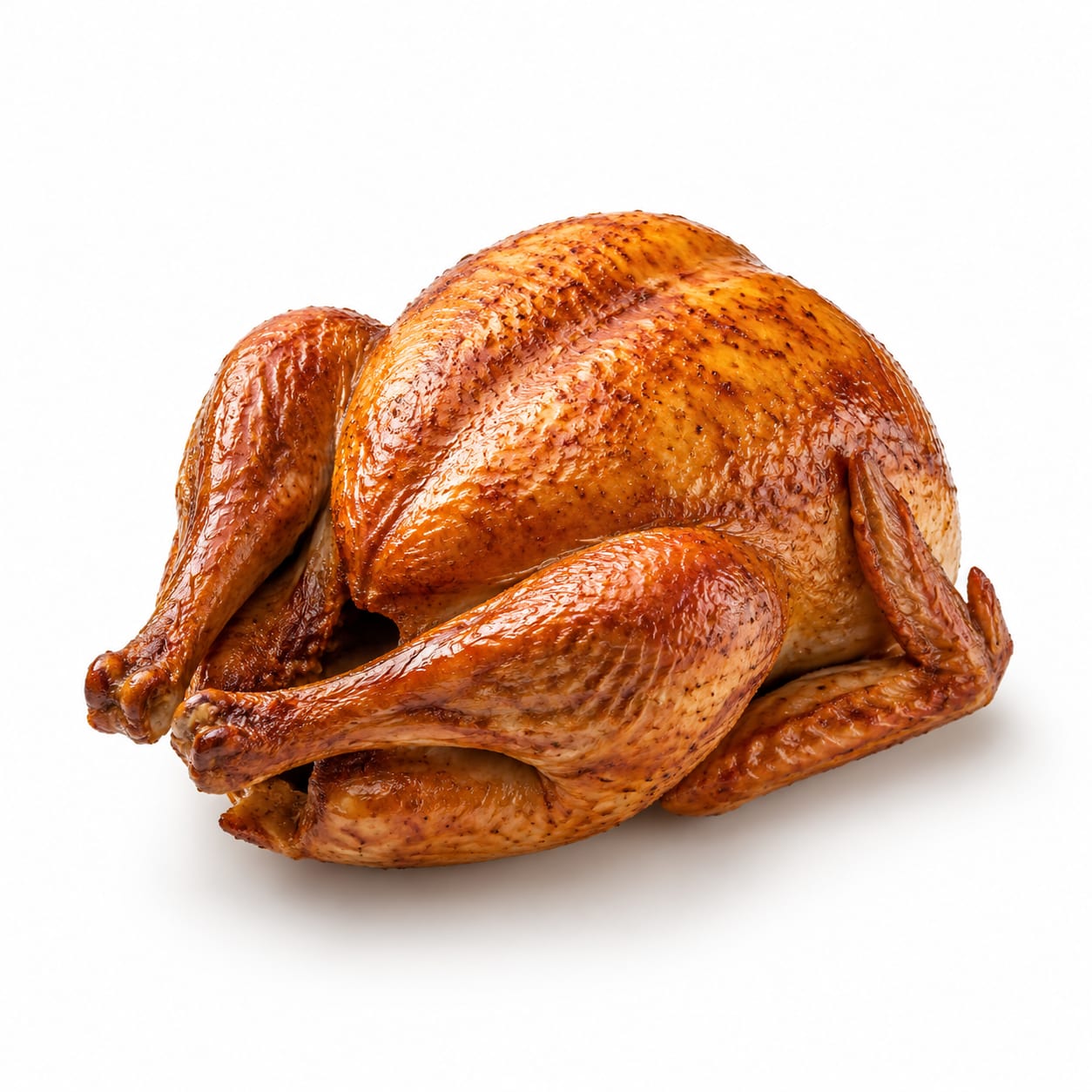
Turkey

Ground Beef 85% Lean
Turkey wins for everyday health due to dramatically less saturated fat and lower long-term disease risk, but Ground Beef 85% Lean delivers superior iron, zinc, and B12 with more satisfying flavor.
Turkey scores higher primarily due to its favorable fat profile and lower long-term health risks. Ground Beef remains nutritionally valuable but carries meaningful saturated fat and red meat consumption concerns that lower its score for regular use.
You trade cardiovascular safety and lower calories for richer micronutrients and better taste when choosing Ground Beef over Turkey.
At a glance
Executive summary
Overall
Turkey
Healthier
Turkey
More practical
It depends
Daily use
Turkey
Key comparison lenses
heart health and saturated fat
The single biggest difference between these two meats is saturated fat content, which directly impacts cardiovascular risk and cholesterol levels.
protein quality and micronutrients
Both are strong protein sources, but Ground Beef delivers significantly more iron, zinc, and B12 — nutrients many people lack.
weight management and calorie density
Turkey is substantially leaner, making it easier to fit into calorie-controlled eating without sacrificing portion size.
long term disease risk
Regular red meat consumption is linked to higher colorectal cancer risk, while poultry carries less concern.
meal satisfaction and flavor
Ground Beef delivers richer flavor and juiciness, which matters for meal enjoyment and dietary sustainability.
Best choice for
Turkey
- People managing cholesterol or heart disease risk
- Anyone counting calories who still wants a filling meal
- Those eating meat daily who want the safest long-term option
- People with a family history of cardiovascular issues
Ground Beef 85% Lean
- Individuals with iron deficiency or anemia risk
- Athletes needing higher zinc and B12 intake
- Those who find lean meats unsatisfying and struggle to stick with healthy eating
- People eating meat a few times per week rather than daily
Least suitable for
Turkey
- People with iron deficiency who need heme iron sources
- Those who find poultry dry and unsatisfying, leading to overeating later
- Anyone needing calorie-dense meals for weight gain
Ground Beef 85% Lean
- People with high LDL cholesterol or existing heart disease
- Anyone eating red meat more than 2-3 times per week
- Those at elevated colorectal cancer risk due to family history
Deep comparison
Dimension by dimension
Each lens scores both foods and breaks down who each option suits.
- Dimension 1 · Priority 95Turkey
Heart Health & Saturated Fat
Turkey · 90Ground Beef 85% Lean · 45Turkey has roughly one-third the saturated fat of 85% lean Ground Beef, making it significantly kinder to your cardiovascular system.
Tradeoff
Ground Beef's fat contributes to its juiciness and flavor, so you sacrifice some eating enjoyment for heart safety with Turkey.
Why it matters
Saturated fat directly raises LDL cholesterol. Eating it frequently compounds cardiovascular risk over years, not just weeks.
Real-world impact
Swapping Ground Beef for Turkey a few times per week can meaningfully lower your cholesterol numbers within months.
Turkey
- Managing existing high cholesterol
- Reducing heart attack and stroke risk long-term
- Keeping daily saturated fat under recommended limits
Better for
- Meals where fat contributes needed richness and mouthfeel
Worse for
Ground Beef 85% Lean
- Occasional meals where flavor matters more than daily health optimization
Better for
- Anyone with a cardiologist already advising lower saturated fat intake
- People eating red meat multiple times per week
Worse for
- Dimension 2 · Priority 85Ground Beef 85% Lean
Iron, Zinc & B12 Density
Turkey · 50Ground Beef 85% Lean · 92Ground Beef delivers substantially more heme iron, zinc, and vitamin B12 than Turkey — all nutrients that many people, especially women, struggle to get enough of.
Tradeoff
You absorb iron far more efficiently from red meat than poultry, but you also absorb more saturated fat along with it.
Why it matters
Heme iron from meat is 2-3 times more absorbable than plant iron. Low iron causes fatigue, brain fog, and poor exercise recovery.
Real-world impact
If you occasionally feel wiped out despite eating enough calories, Ground Beef a couple times per week may help more than daily Turkey.
Turkey
- People already meeting iron needs through supplements or other sources
Better for
- Those relying on meat as their primary iron source
Worse for
Ground Beef 85% Lean
- Women with heavy menstrual cycles prone to anemia
- Athletes with higher mineral demands
- Older adults with reduced B12 absorption
- Anyone who has tested low in iron or zinc
Better for
- People with hemochromatosis or iron overload conditions
Worse for
- Dimension 3 · Priority 80Turkey
Calorie Density & Weight Management
Turkey · 88Ground Beef 85% Lean · 55Turkey provides more food volume per calorie, letting you eat satisfying portions without overshooting your daily intake.
Tradeoff
Ground Beef is more calorie-dense, so portions look smaller for the same calories, which can feel less satisfying visually.
Why it matters
When cutting calories, portion perception matters. A 4oz Turkey patty feels substantial while a 4oz Ground Beef patty delivers 30% more calories.
Real-world impact
Over a year, swapping Ground Beef for Turkey twice weekly could save roughly 3-4 pounds worth of calories without changing portion sizes.
Turkey
- Active weight loss efforts
- Maintaining weight while eating larger portions
- Meal prep where you want more volume per container
Better for
- Hard gainers who need calorie-dense protein sources
Worse for
Ground Beef 85% Lean
- Bulking phases where calorie density is an advantage
- People who struggle to eat enough rather than too much
Better for
- Anyone tracking calories who finds portions frustratingly small
Worse for
- Dimension 4 · Priority 75Turkey
Long-Term Disease Risk
Turkey · 82Ground Beef 85% Lean · 48Regular red meat consumption is associated with increased colorectal cancer risk and higher all-cause mortality, while poultry carries minimal such concerns.
Tradeoff
The risk is dose-dependent — occasional Ground Beef is far less concerning than daily consumption. Context matters enormously.
Why it matters
The difference between eating red meat twice weekly versus daily is substantial for long-term cancer and cardiovascular risk.
Real-world impact
If you eat red meat most days, switching some meals to Turkey is one of the simplest health upgrades available to you.
Turkey
- Daily meat eaters looking to reduce red meat exposure
- People with family history of colorectal cancer
- Anyone following longevity-focused eating patterns
Better for
- Situations where avoiding red meat leads to nutrient shortfalls not addressed elsewhere
Worse for
Ground Beef 85% Lean
- Those eating red meat 1-2 times per week where cumulative risk remains low
Better for
- Habitual daily red meat consumption over years and decades
Worse for
- Dimension 5 · Priority 70Ground Beef 85% Lean
Flavor Satisfaction & Meal Enjoyment
Turkey · 52Ground Beef 85% Lean · 88Ground Beef simply tastes richer and satisfies more deeply due to its fat content, which carries flavor and creates juiciness.
Tradeoff
Turkey can taste dry and bland by comparison, especially in burgers or meatballs, unless you compensate with cooking technique and seasonings.
Why it matters
Meals that feel satisfying prevent snacking and overeating later. A technically healthier meal you dislike is not actually healthier in practice.
Real-world impact
A dry Turkey burger may leave you raiding the pantry an hour later, while a juicy Ground Beef burger keeps you full for hours.
Turkey
- Dishes with strong sauces and seasonings that mask mildness
- Chili, tacos, or casseroles where Turkey blends in well
Better for
- Stand-alone patties or burgers with minimal toppings
Worse for
Ground Beef 85% Lean
- Burgers where juiciness is central to the experience
- Meatballs and meatloaf where fat prevents dryness
- Meals where satisfaction matters for adherence to healthy eating
Better for
- Meals where you want something lighter and less greasy
Worse for
- Dimension 6 · Priority 68It depends
Satiety & Fullness Duration
Turkey · 72Ground Beef 85% Lean · 78Ground Beef keeps you slightly fuller due to higher fat slowing digestion, but Turkey's high protein content also delivers strong satiety.
Tradeoff
Fat-based satiety lasts longer but comes with more calories. Protein-based satiety from Turkey is efficient but may fade sooner.
Why it matters
The difference in fullness is modest but real, especially between meals spaced 4-5 hours apart.
Real-world impact
After a Turkey lunch you might feel hungry 30-60 minutes earlier than after a Ground Beef lunch with similar protein.
Turkey
- People who prefer lighter meals that do not sit heavy
- Eating closer to exercise when you want less digestive load
Better for
- Situations where you cannot eat again for 5-6 hours
Worse for
Ground Beef 85% Lean
- Long gaps between meals where sustained fullness matters
- Active individuals needing lasting energy from a single meal
Better for
- Meals right before activity where heaviness is uncomfortable
Worse for
Timeline
Health impact over time
Short-term
Hours to days
Turkey
- Lighter post-meal feeling with less digestive heaviness
- Steadier energy without the sluggishness that can follow a fatty meal
- Lower immediate sodium intake if prepared similarly
Ground Beef 85% Lean
- Longer-lasting fullness due to higher fat slowing gastric emptying
- More satisfying eating experience that reduces cravings shortly after
- Possible heavier or greasier feeling depending on preparation
Long-term
Months to years
Turkey
- Lower cumulative saturated fat intake supports healthier cholesterol over decades
- Reduced red meat exposure minimizes colorectal cancer risk
- Potential iron shortfall if not compensated with other iron-rich foods
- Easier weight maintenance due to consistently lower calorie intake
Ground Beef 85% Lean
- Higher saturated fat intake may gradually raise LDL cholesterol
- Regular red meat consumption increases colorectal cancer risk at higher frequencies
- Superior iron and B12 status supports energy and cognitive function long-term
- Better mineral reserves especially important for women and older adults
Risk profile
Safety & processing
Both Turkey and Ground Beef 85% Lean are whole, minimally processed protein sources. Neither typically contains artificial additives when purchased as plain raw meat. The main concern is not processing but rather the inherent fat composition and what each meat naturally contains.
Turkey
Salmonella contamination
mediumPoultry carries a higher baseline risk of Salmonella than beef. Always cook Turkey to 165°F and handle raw poultry with care to avoid cross-contamination.
Antibiotic residue exposure
lowConventional Turkey production uses antibiotics, though residues in meat are regulated. Choosing organic or antibiotic-free Turkey eliminates this concern entirely.
Ground Beef 85% Lean
E. coli contamination
mediumGround Beef has elevated E. coli risk because grinding distributes surface bacteria throughout the meat. Cook to 160°F and never eat 85% lean Ground Beef rare.
Heme iron and colorectal cancer promotion
mediumHeme iron from red meat can promote formation of N-nitroso compounds in the gut, which damage colon lining cells. This is a cumulative, dose-dependent risk.
Antibiotic and hormone exposure
lowConventional beef production may involve hormones and antibiotics. Residues are regulated but some consumers prefer grass-fed or organic to minimize exposure.
Who wins for whom
Audience fit
Same foods, different winners depending on your goal.
children
It dependsGround Beef provides iron and zinc crucial for growth, but Turkey is safer for regular consumption. Rotating both is ideal — Ground Beef a couple times weekly for minerals, Turkey more often for heart health.
daily consumption
TurkeyDaily red meat consumption carries cumulative health risks that daily poultry does not. If you eat meat every day, Turkey is the safer default.
diabetes
TurkeyTurkey's lower saturated fat content is better for insulin sensitivity. Both meats have minimal carbohydrate impact, but saturated fat worsens insulin resistance over time.
elderly
TurkeyOlder adults need to prioritize cardiovascular protection and easier digestion. Turkey is gentler on both fronts, though B12 from Ground Beef is also valuable for this group.
muscle gain
It dependsBoth provide excellent protein. Ground Beef offers more zinc and B12 which support testosterone and recovery, but Turkey provides leaner protein that fits more easily into a controlled macro plan.
weight loss
TurkeyTurkey provides more volume per calorie and significantly less saturated fat, making it easier to maintain a calorie deficit while still eating satisfying portions.
Your move
Decision guide
Choose Turkey
- You eat meat most days and want the safest long-term option
- Heart health, cholesterol, or blood pressure are concerns for you
- You are actively losing weight and want more food volume per calorie
- You have a family history of colorectal cancer and want to limit red meat
- You are meal-prepping for the week and want a versatile lean protein base
Choose Ground Beef 85% Lean
- You have tested low in iron, zinc, or B12
- You eat red meat only 1-2 times per week and want maximum nutritional impact
- Flavor and meal satisfaction are make-or-break for your healthy eating habits
- You are an athlete or very active person with higher mineral needs
- You are trying to gain weight and benefit from calorie density
Either works if
- You rotate proteins throughout the week and both fit your overall pattern
- You are healthy with no specific nutrient deficiencies or cardiovascular concerns
- You are cooking for a group with mixed preferences and health profiles
Avoid both if
- You are following a plant-based diet for ethical or health reasons
- You have gout and need to limit purine-rich meats
- You have severe kidney disease and must restrict protein intake
Final recommendation
Make Turkey your default daily protein and enjoy Ground Beef 85% Lean once or twice per week. This gives you the cardiovascular safety of poultry most days while still capturing the iron, zinc, and B12 benefits of red meat. The best diet is not one or the other — it is a smart rotation that minimizes risk without sacrificing the nutrients only red meat provides well.
Practical
Consumer tips
- 1
Mix half Turkey and half Ground Beef in recipes like meatloaf or chili to split the difference on fat and flavor
- 2
If cooking Turkey burgers, add finely diced onions or a splash of olive oil to prevent dryness
- 3
Choose grass-fed Ground Beef when possible — it has a better omega-3 to omega-6 ratio than conventional
- 4
Pair Ground Beef with vitamin C-rich foods like bell peppers or tomatoes to boost iron absorption even further
- 5
Ground Turkey labels can be misleading — check that it is breast meat, not just 'ground turkey' which may include dark meat and skin with fat levels rivaling beef
- 6
Use a meat thermometer for both: Turkey to 165°F, Ground Beef to 160°F to eliminate food safety concerns