
Nutrition comparison
Turkey vs Tofu: Which Protein Is Better for You?
Compare Turkey and Tofu on protein quality, heart health, iron absorption, cost, and environmental impact. Find out which fits your goals better.
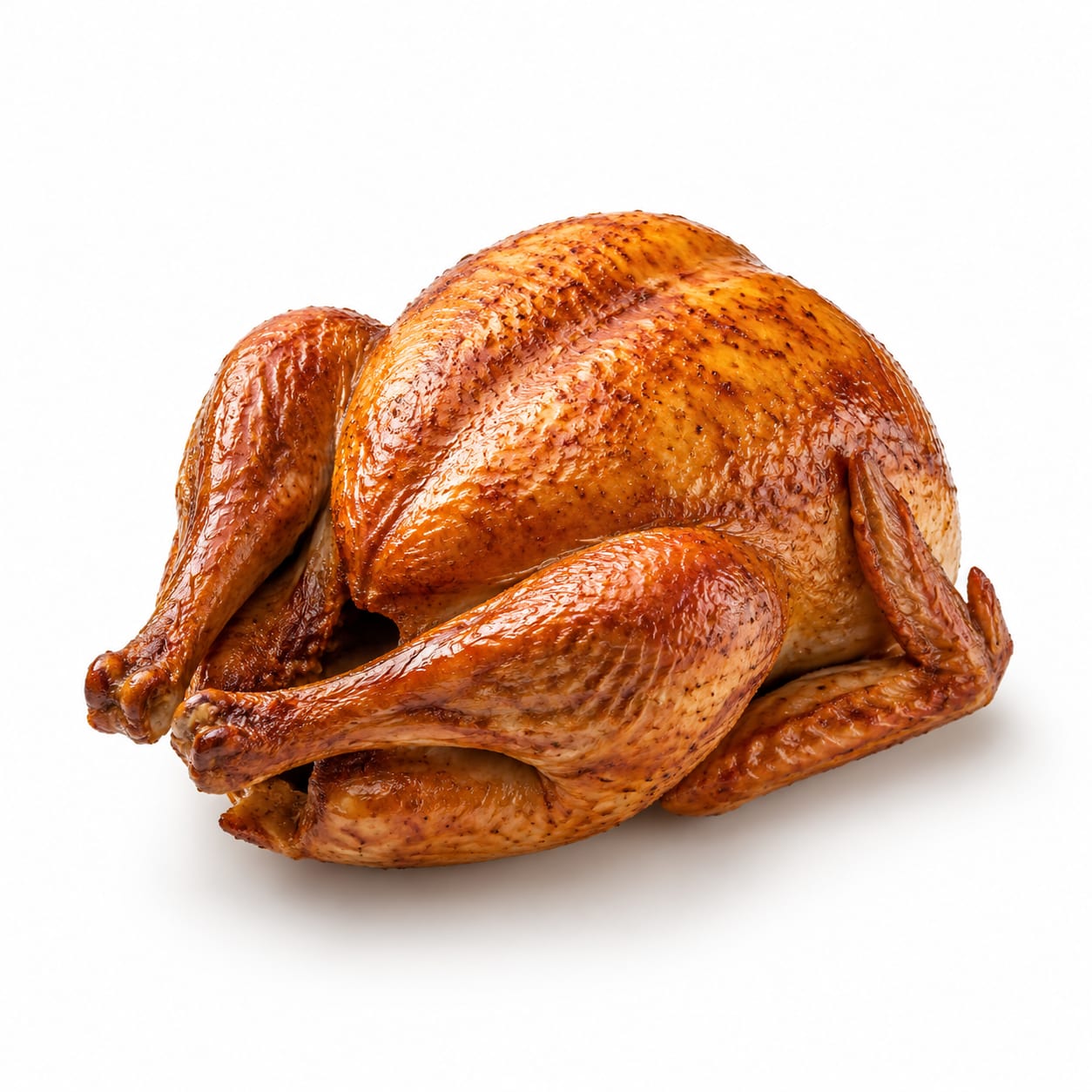
Turkey
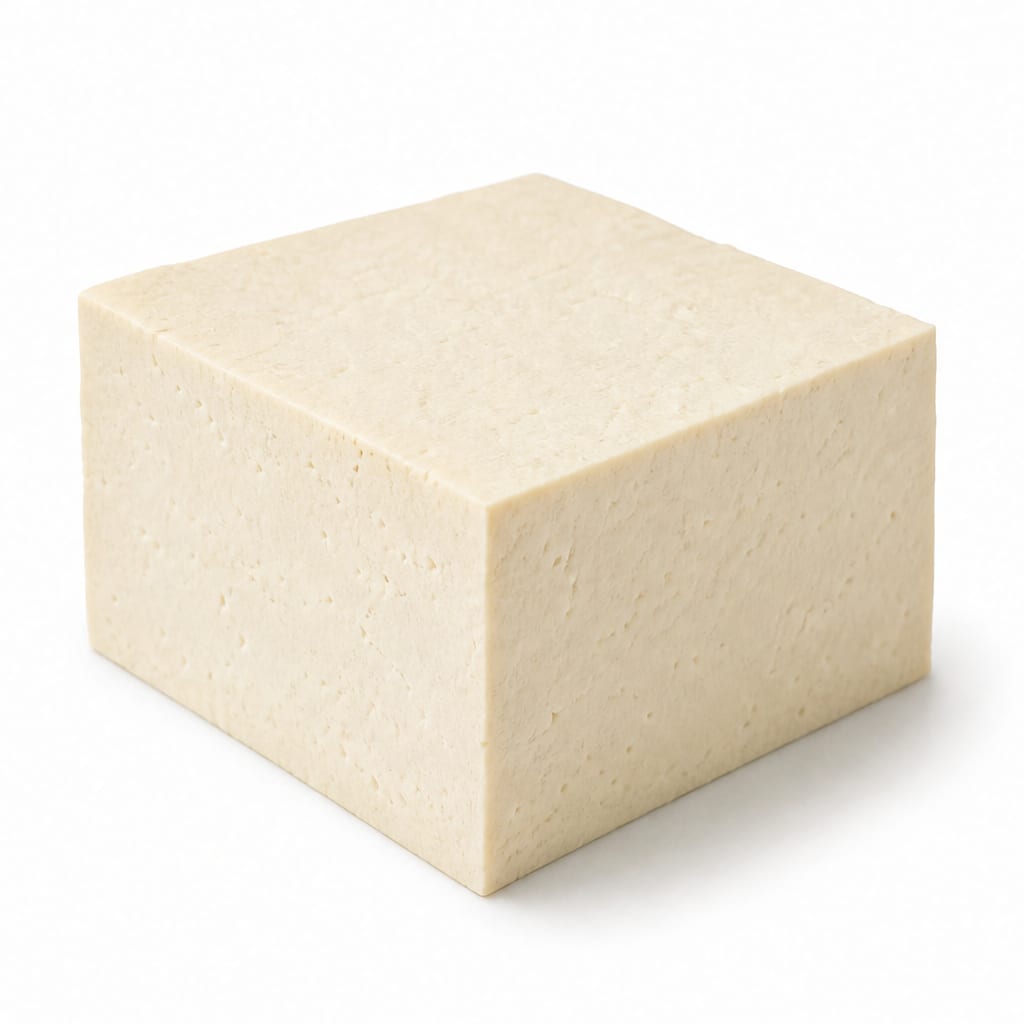
Tofu
Turkey wins on protein density and B-vitamin coverage; Tofu wins on heart health, calcium content, and plant-based flexibility. Your choice depends on what gap you are filling.
Turkey scores slightly higher due to superior protein quality and micronutrient density, but Tofu stays competitive through heart health benefits, calcium content, and daily sustainability. The narrow gap reflects that both are genuinely healthy choices serving different needs.
Complete animal protein with heme iron and B12 versus zero-cholesterol plant protein with isoflavones and calcium at a lower cost.
At a glance
Executive summary
Overall
It depends
Healthier
It depends
More practical
Turkey
Daily use
Tofu
Key comparison lenses
Animal vs plant protein quality and completeness
The core tension: Turkey delivers complete protein with all essential amino acids, while Tofu provides solid plant protein but with slightly lower methionine content.
Cholesterol and heart health implications
Turkey contains dietary cholesterol and saturated fat; Tofu has zero cholesterol and may actively improve lipid profiles through isoflavones.
Iron type and absorption differences
Turkey provides heme iron that absorbs efficiently, while Tofu offers non-heme iron that requires vitamin C for optimal uptake.
Plant-based lifestyle and ethical considerations
Many users comparing these foods are weighing animal versus plant-based eating patterns, which goes beyond pure nutrition.
Hormonal effects of soy consumption
Tofu contains phytoestrogens that concern some users, though evidence largely supports safety and potential benefits for most people.
B-vitamin coverage, especially B12
Turkey is rich in B12 and other B vitamins entirely absent in Tofu, making supplementation critical for plant-based eaters.
Best choice for
Turkey
- Athletes needing high-quality protein for recovery
- People with iron deficiency or low B12
- Anyone seeking maximum satiety per calorie
- Low-carb and keto dieters
- Older adults preventing muscle loss
Tofu
- Vegans and vegetarians building meals around plant protein
- People managing high cholesterol or heart disease risk
- Budget-conscious meal preppers
- Women seeking natural isoflavone benefits during menopause
- Anyone eating protein daily who wants variety and lower environmental impact
Least suitable for
Turkey
- Vegans and vegetarians
- People strictly limiting saturated fat or cholesterol
- Those concerned about antibiotic or hormone exposure in poultry
- Anyone seeking the lowest-cost protein source
Tofu
- People with soy allergies or sensitivities
- Those avoiding phytoestrogens due to specific hormonal conditions
- Anyone needing B12 from food sources alone
- Individuals who find the texture or flavor unappealing and would skip protein altogether
Deep comparison
Dimension by dimension
Each lens scores both foods and breaks down who each option suits.
- Dimension 1 · Priority 95Turkey
Protein Quality and Density
Turkey · 92Tofu · 72Turkey delivers more protein per serving with a complete amino acid profile and higher leucine content, which directly triggers muscle building.
Tradeoff
Tofu provides respectable protein but with slightly less methionine and lower leucine, meaning you may need larger portions to match Turkey's muscle-building signal.
Why it matters
Leucine threshold matters for muscle maintenance. Turkey hits it more easily per bite, especially important after workouts or as you age.
Real-world impact
A 4oz Turkey breast gives about 30g of complete protein. You need roughly 6oz of firm Tofu for similar protein, and still miss some B12 and heme iron.
Turkey
- Post-workout recovery meals
- Older adults fighting sarcopenia
- Anyone eating smaller portions who needs dense nutrition
Better for
- Vegan meal contexts where it simply cannot be used
Worse for
Tofu
- Plant-based eaters who combine Tofu with grains for complete amino acids
- Lighter meals where lower protein density feels more comfortable
Better for
- Meals where you need maximum protein in minimal volume
Worse for
- Dimension 2 · Priority 90Tofu
Heart Health and Cholesterol Impact
Turkey · 68Tofu · 91Tofu contains zero cholesterol and its isoflavones may actively improve LDL cholesterol levels. Turkey breast is lean but still carries dietary cholesterol and some saturated fat.
Tradeoff
Turkey breast is far leaner than most meats, but cannot match Tofu's cholesterol-free, potentially lipid-improving profile.
Why it matters
For anyone watching heart disease risk, daily protein choices compound over decades. Small cholesterol differences become meaningful over time.
Real-world impact
Swapping Turkey for Tofu a few times per week can meaningfully shift your lipid panel over months, especially if replacing higher-fat meats entirely.
Turkey
- Meals where lean animal protein fits an already heart-healthy Mediterranean pattern
Better for
- Strict low-cholesterol diets
Worse for
Tofu
- People with elevated LDL cholesterol
- Anyone with family history of heart disease
- Daily protein routines where cumulative cholesterol intake matters
Better for
- Situations where someone relies solely on Tofu and neglects B12 and heme iron
Worse for
- Dimension 3 · Priority 82Turkey
Iron Content and Absorption
Turkey · 85Tofu · 62Turkey provides heme iron that your body absorbs efficiently at around 25%. Tofu offers decent total iron but in non-heme form, absorbing at only 2-5% without vitamin C pairing.
Tradeoff
Tofu has respectable iron on paper, but real absorption is far lower. You need strategic pairing with bell peppers or citrus to get comparable uptake.
Why it matters
Iron deficiency is the most common nutrient deficiency worldwide, especially for women. Absorption rate matters more than label numbers.
Real-world impact
A Turkey stir-fry delivers iron your body actually uses. A Tofu stir-fry needs broccoli or bell peppers added to unlock similar benefit.
Turkey
- Women with heavy menstrual cycles
- Anyone with diagnosed iron deficiency
- Meals where you want reliable iron without planning pairings
Better for
- People who need to restrict heme iron for medical reasons
Worse for
Tofu
- People with iron overload conditions like hemochromatosis who benefit from lower absorption
Better for
- Anyone at risk for iron deficiency who does not consistently pair with vitamin C
Worse for
- Dimension 4 · Priority 78Turkey
Micronutrient Profile
Turkey · 84Tofu · 73Turkey is rich in B3, B6, B12, selenium, and zinc. Tofu counters with calcium (if calcium-set), manganese, and modest magnesium, but lacks B12 entirely.
Tradeoff
Turkey covers B-vitamins that many people lack, especially B12. Tofu provides minerals Turkey misses, but the B12 gap is critical for plant-based eaters.
Why it matters
B12 deficiency develops slowly but causes irreversible nerve damage. Anyone eating Tofu as a primary protein must supplement B12.
Real-world impact
Turkey at dinner quietly covers your B12 needs. Tofu at dinner requires a separate B12 habit to stay safe long-term.
Turkey
- Anyone not taking a multivitamin or B12 supplement
- Older adults with reduced B12 absorption
- Pregnant women needing reliable B12 intake
Better for
- Situations where someone eats only Turkey and neglects plant-source minerals
Worse for
Tofu
- People needing extra calcium who eat calcium-set Tofu
- Anyone already supplementing B12 who wants mineral diversity
Better for
- Unsupplemented vegans who assume Tofu covers all micronutrient needs
Worse for
- Dimension 5 · Priority 75Turkey
Satiety and Fullness
Turkey · 86Tofu · 70Turkey's dense protein triggers stronger satiety hormones per calorie. Tofu is filling but less dense, so you may feel hungry sooner after equivalent portions.
Tradeoff
Tofu's lighter satiety can be a pro or con depending on whether you want to feel satisfied longer or prefer a lighter meal.
Why it matters
Protein density directly affects how long you stay full. For weight management, this translates to fewer snacks between meals.
Real-world impact
A Turkey lunch keeps most people full until dinner. A Tofu lunch may need a handful of nuts or fruit to bridge the gap.
Turkey
- People trying to reduce between-meal snacking
- Larger meals where lasting fullness matters
- Anyone recovering from illness who needs to eat efficiently
Better for
- Occasions where a lighter meal feels better
Worse for
Tofu
- Hot weather meals where heavy protein feels unpleasant
- Smaller, more frequent eating patterns
Better for
- Weight loss diets where between-meal hunger leads to off-plan eating
Worse for
- Dimension 6 · Priority 70Tofu
Cost and Accessibility
Turkey · 60Tofu · 88Tofu typically costs half to one-third the price of Turkey per gram of protein, making it one of the most affordable protein sources available.
Tradeoff
Turkey costs more but delivers more nutrition per serving. Tofu costs less but may require complementary foods to match the nutritional completeness.
Why it matters
For families or individuals on tight budgets, protein cost directly affects dietary quality over weeks and months.
Real-world impact
A week of Tofu-based dinners might cost $12-15 in protein. The same week of Turkey dinners could run $25-35 depending on cut and quality.
Turkey
- Situations where budget is flexible and nutritional density per meal matters more
Better for
- Tight food budgets where every dollar of protein counts
Worse for
Tofu
- Students and families on tight grocery budgets
- Bulk meal prep where cost per serving drives decisions
- Anyone eating protein multiple times daily who needs an affordable staple
Better for
- Areas where Tofu availability is limited or unfamiliar
Worse for
- Dimension 7 · Priority 68Tofu
Environmental and Ethical Impact
Turkey · 48Tofu · 85Tofu generates roughly 3-5 times less greenhouse gas emissions than Turkey and requires significantly less land and water per gram of protein.
Tradeoff
Turkey has a larger carbon footprint, though it is among the more efficient meats. Tofu is not perfect either, as soy farming has deforestation concerns in some regions.
Why it matters
For environmentally conscious eaters, protein choices are one of the most impactful daily decisions they can make.
Real-world impact
Choosing Tofu over Turkey twice a week for a year meaningfully reduces your dietary carbon footprint, comparable to driving several hundred fewer miles.
Turkey
- Pasture-raised, local Turkey that supports sustainable farming
Better for
- Conventional factory-farmed Turkey with high environmental cost
Worse for
Tofu
- Anyone prioritizing lower environmental impact
- Plant-forward eating patterns for ethical reasons
Better for
- Soy sourced from deforested regions, which undermines the environmental benefit
Worse for
- Dimension 8 · Priority 65It depends
Digestive Tolerance
Turkey · 75Tofu · 72Turkey is generally easy to digest for most people. Tofu is also well-tolerated but can cause bloating in those sensitive to soy or oligosaccharides.
Tradeoff
Both are gentler than beef or beans, but individual tolerance varies. Soy sensitivity is common enough to matter, while Turkey is rarely a digestive trigger.
Why it matters
Post-meal comfort affects quality of life and whether you actually want to eat a food regularly.
Real-world impact
Some people feel gassy after Tofu stir-fries but fine after Turkey. Others digest both easily. Personal experimentation is the only reliable guide here.
Turkey
- People with known soy sensitivity
- Anyone with IBS who tolerates poultry well
Better for
- Rare individuals with poultry-specific digestive reactions
Worse for
Tofu
- People who find heavy animal proteins slow to digest
- Those who tolerate soy without issues
Better for
- People with soy intolerance or FODMAP sensitivity
Worse for
Timeline
Health impact over time
Short-term
Hours to days
Turkey
- Strong satiety shortly after eating due to dense complete protein
- Steady energy without blood sugar spikes when eaten without carbs
- Potential for slight sluggishness if consuming higher-fat Turkey cuts like thighs or ground
Tofu
- Lighter post-meal feeling that some prefer for daytime meals
- Moderate satiety that may require a snack within 3-4 hours
- Possible mild bloating for those unaccustomed to soy
Long-term
Months to years
Turkey
- Consistent high-quality protein intake supports muscle preservation into older age
- Heme iron accumulation could be concerning for people with hemochromatosis
- Regular poultry consumption correlates with modest heart health benefits when replacing red meat
- Absence of isoflavones means missing potential bone and menopause benefits that soy provides
Tofu
- Isoflavones may reduce hot flashes and support bone density in postmenopausal women
- Zero cholesterol intake supports healthier lipid panels over decades
- B12 deficiency risk if Tofu replaces all animal proteins without supplementation
- Phytoestrogen effects remain controversial but current evidence supports safety and possible benefit for most people
Risk profile
Safety & processing
Whole Turkey breast is essentially unprocessed meat. Tofu undergoes curdling and pressing, making it more processed than raw soybeans but far less processed than most protein alternatives. Neither typically contains concerning additives when you choose plain varieties.
Turkey
Salmonella and Campylobacter contamination
mediumPoultry is a leading source of foodborne illness. Proper cooking to 165°F eliminates risk, but cross-contamination in the kitchen remains common.
Antibiotic residues in conventionally raised Turkey
lowAntibiotic use in poultry farming has decreased, but residues can still appear in conventional products. Organic or antibiotic-free Turkey eliminates this concern.
Hormone and arsenic exposure
lowHormones are legally banned in US poultry, but some conventional operations have historically used arsenic-based feed additives. This practice has been largely phased out.
Tofu
GMO soy exposure
lowMost conventional Tofu is made from GMO soybeans. While current evidence does not show health harm from GMO soy, choosing organic Tofu avoids the concern entirely.
Pesticide residues on conventional soy
lowSoy is among the more pesticide-treated crops. Organic Tofu significantly reduces this exposure.
Soy allergen risk
mediumSoy is a top 8 allergen. Reactions range from mild hives to anaphylaxis in sensitive individuals. Always check when cooking for others.
Who wins for whom
Audience fit
Same foods, different winners depending on your goal.
children
TurkeyGrowing children benefit from Turkey's complete amino acids, heme iron, and B12 for development. Tofu is safe in moderation but should not be the sole protein source for kids without B12 supplementation.
daily consumption
TofuTofu's zero cholesterol, lower cost, and lighter environmental footprint make it more sustainable as a daily staple. Turkey is healthy but eating it daily raises cumulative cholesterol intake and cost concerns.
diabetes
It dependsBoth have minimal impact on blood sugar when eaten alone. Turkey edges ahead slightly due to higher protein slowing gastric emptying, but Tofu's lower calorie density also helps with weight management, which is the bigger driver of diabetes risk.
elderly
TurkeyOlder adults need leucine-rich protein to prevent sarcopenia and B12 for nerve health. Turkey delivers both efficiently in portions that are easy to consume.
muscle gain
TurkeyTurkey provides more complete protein per serving with higher leucine content, which is the primary trigger for muscle protein synthesis.
weight loss
TurkeyTurkey's higher protein density and stronger satiety signal help reduce overall calorie intake by keeping you fuller longer between meals.
Your move
Decision guide
Choose Turkey
- You prioritize maximum protein quality and muscle support
- You have low iron or B12 levels and want food-based solutions
- Satiety and staying full between meals is a daily struggle
- You follow a low-carb or keto eating pattern
- You are an older adult focused on preventing muscle loss
Choose Tofu
- You are vegan or moving toward plant-based eating
- Heart health and cholesterol management are top priorities
- Grocery budget is a significant constraint
- You want a daily protein staple with lower environmental impact
- You are a postmenopausal woman interested in natural isoflavone benefits
Either works if
- You eat a varied diet and rotate protein sources throughout the week
- Neither food is your sole protein source and you supplement B12 if needed
- You enjoy both and want to alternate based on the meal or recipe
Avoid both if
- You have both a soy allergy and poultry allergy, which is rare but possible
- You are seeking a raw protein source, as both require cooking for safety and digestibility
Final recommendation
The smartest approach is rotation. Eat Turkey 2-3 times per week for B12, heme iron, and muscle-building protein. Eat Tofu 2-3 times per week for heart health, calcium, and isoflavones. This gives you the strengths of both while minimizing the weaknesses of relying on either one alone.
Practical
Consumer tips
- 1
Choose organic Tofu to avoid GMO soy and pesticide residues without a large price increase
- 2
Buy Turkey breast rather than ground or thigh meat for the leanest protein with least saturated fat
- 3
Pair Tofu with vitamin C vegetables like bell peppers or broccoli to boost iron absorption significantly
- 4
If eating Tofu as your primary protein, take a B12 supplement daily without exception
- 5
Press Tofu before cooking for better texture and flavor absorption, which makes it far more enjoyable
- 6
Freeze and thaw Tofu before marinating to create a spongier texture that soaks up sauces like a sponge
- 7
Avoid pre-seasoned or flavored Tofu products that add sodium and sugar you do not need
- 8
Use a meat thermometer with Turkey to ensure it reaches 165°F without overcooking and drying out