
Nutrition comparison
Turkey vs Salmon: Which Protein Is Better for Your Health Goals?
Compare Turkey and Salmon side by side. Discover which is better for weight loss, heart health, muscle gain, and daily nutrition. Expert breakdown with real-world advice.
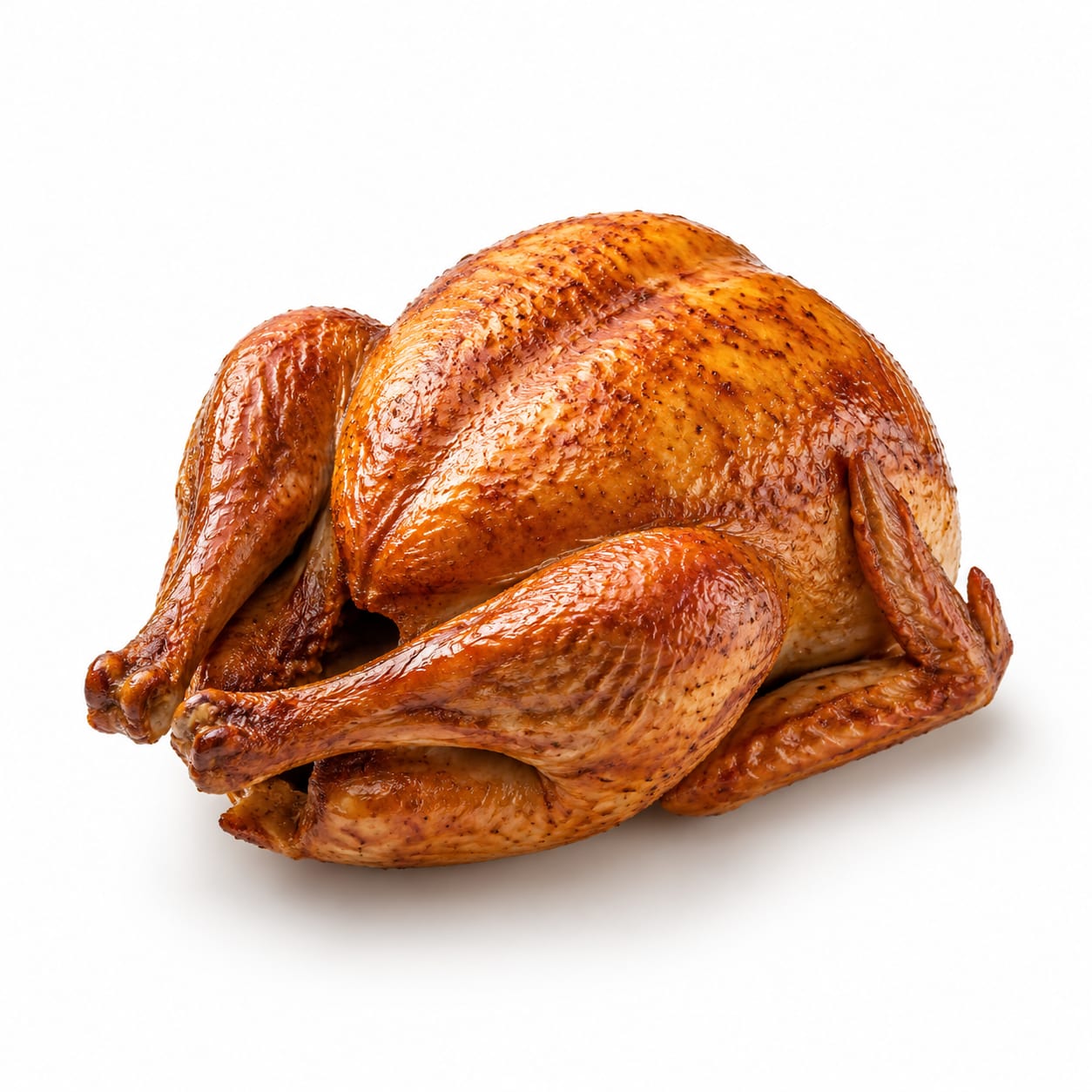
Turkey
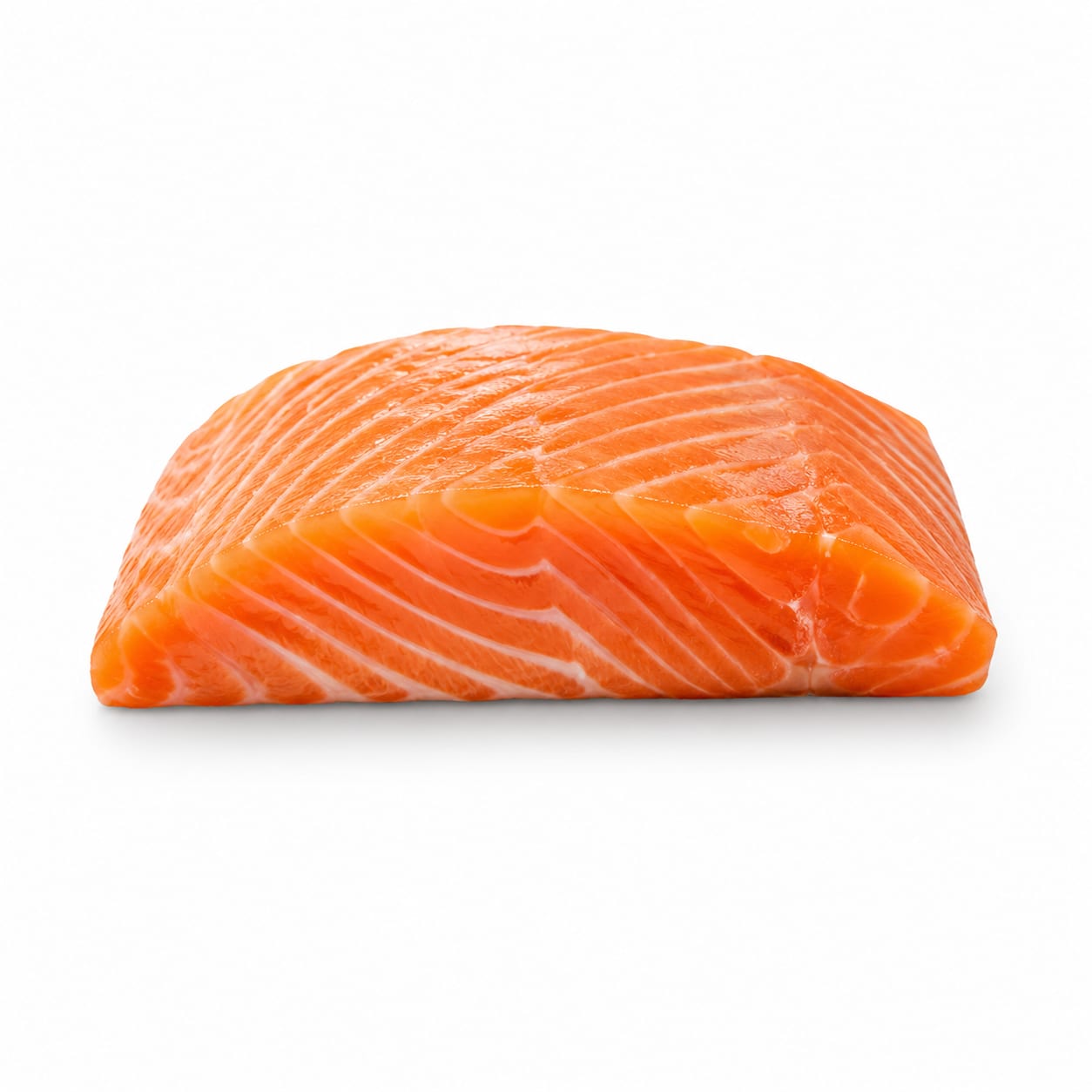
Salmon
Salmon wins for heart and brain health; Turkey wins for lean protein and calorie control. Your priority decides the winner.
Salmon edges ahead due to omega-3s, vitamin D, and anti-inflammatory benefits that Turkey simply cannot match. However, Turkey's leanness, affordability, and everyday practicality keep it competitive.
Salmon gives you powerful omega-3s and healthy fats but at higher calories. Turkey delivers maximum protein with minimal fat but lacks those brain-boosting fats entirely.
At a glance
Executive summary
Overall
It depends
Healthier
Salmon
More practical
Turkey
Daily use
Turkey
Key comparison lenses
heart health and omega3
Salmon's omega-3 content is the single biggest differentiator and the main reason people choose it over other proteins
lean protein vs fatty protein
Turkey is prized for leanness while Salmon delivers healthy fats — this tradeoff drives most real-world decisions
brain and cognitive health
DHA from Salmon directly supports brain function, making this a key concern for families and aging adults
weight management calorie density
Calorie and fat differences matter significantly for anyone tracking intake or managing weight
contamination and safety
Mercury in Salmon and antibiotic concerns in farmed Turkey are realistic worries for regular consumers
anti inflammatory benefits
Salmon's omega-3s actively reduce inflammation while Turkey is more neutral on this front
Best choice for
Turkey
- People counting calories or tracking macros precisely
- Anyone prioritizing lean protein after workouts
- Households wanting an affordable everyday protein
- Those watching fat intake for medical reasons
- People meal-prepping in bulk on a budget
Salmon
- People focused on heart health and cardiovascular protection
- Anyone wanting brain-supporting DHA intake
- Those dealing with chronic inflammation or joint pain
- Pregnant women needing omega-3s (low-mercury sources)
- Older adults preserving cognitive function
Least suitable for
Turkey
- People who need omega-3s and eat little to no fish
- Those with inflammation-driven conditions seeking dietary relief
- Anyone deficient in vitamin D or healthy fats
- Strict budgeters in regions where poultry is expensive but fish is local
Salmon
- People strictly limiting calories or dietary fat
- Those with fish allergies or sensitivities
- Anyone concerned about mercury exposure from frequent fish consumption
- Budget-conscious families needing cheap daily protein
Deep comparison
Dimension by dimension
Each lens scores both foods and breaks down who each option suits.
- Dimension 1 · Priority 95Salmon
heart_health
Turkey · 60Salmon · 95Salmon is one of the best heart-healthy foods you can eat. Turkey is heart-healthy too, but in a more passive way.
Tradeoff
Salmon actively protects your heart with omega-3s. Turkey simply does not harm it by being lean.
Why it matters
Heart disease remains the leading cause of death. Eating Salmon twice weekly is linked to significantly lower cardiovascular risk.
Real-world impact
Regular Salmon eaters tend to have lower triglycerides and better cholesterol ratios within weeks of consistent intake.
Turkey
- Keeping saturated fat low while maintaining protein intake
- Post-heart-surgery diets requiring minimal fat
Better for
- Does not provide omega-3s that actively reduce heart disease risk
- Missing the DHA and EPA that cardiologists specifically recommend
Worse for
Salmon
- Lowering triglycerides meaningfully
- Raising HDL cholesterol over time
- Reducing arterial plaque formation risk
- Supporting healthy blood pressure
Better for
- Higher total fat may conflict with very low-fat cardiac diets in rare cases
Worse for
- Dimension 2 · Priority 90Turkey
protein_quality_and_leanness
Turkey · 92Salmon · 78Turkey delivers more protein per calorie with almost no fat. Salmon has excellent protein but comes packaged with significant fat.
Tradeoff
Turkey maximizes your protein-to-calorie ratio. Salmon gives you great protein too, but you carry the fat along with it.
Why it matters
For anyone tracking macros, cutting, or building lean muscle, protein density per calorie is the key metric.
Real-world impact
A 4oz serving of Turkey breast gives you roughly 35g protein for 150 calories. The same protein from Salmon costs you roughly 240 calories.
Turkey
- Bodybuilders in a cutting phase
- Anyone hitting protein targets on limited calories
- Keto-curious people who still want lean options
- Post-workout meals where fat slows digestion
Better for
- Very lean meat can feel dry and less satisfying without added fats
- Missing the healthy fats that support hormone production
Worse for
Salmon
- Endurance athletes needing sustained energy from fats
- Anyone who finds fatty meals more satiating and satisfying
Better for
- Fat content adds up fast if you eat large portions
- Less protein per calorie makes macro tracking harder on a cut
Worse for
- Dimension 3 · Priority 85Salmon
brain_and_cognitive_support
Turkey · 45Salmon · 94Salmon is a top-tier brain food thanks to DHA. Turkey has some B vitamins but cannot compete here.
Tradeoff
Eating Salmon is like giving your brain direct fuel. Turkey supports energy metabolism but misses the structural brain-building fats.
Why it matters
DHA makes up roughly 40% of polyunsaturated fats in your brain. Your body cannot make it efficiently — you must eat it.
Real-world impact
Regular Salmon consumption is linked to better memory, slower cognitive decline, and improved mood in multiple large studies.
Turkey
- Providing B6 and B12 for energy and nerve function
- Supporting focus through steady protein without fat-induced sluggishness
Better for
- Contains zero DHA or EPA omega-3s
- Not a meaningful source of the fats your brain is actually made of
Worse for
Salmon
- Supplying DHA directly for brain cell membrane health
- Supporting memory retention as you age
- Reducing risk of depression and cognitive decline
- Helping kids' brain development during growth years
Better for
- High fat content can feel heavy before mentally demanding tasks for some people
Worse for
- Dimension 4 · Priority 70Salmon
anti_inflammatory_effect
Turkey · 50Salmon · 90Salmon actively fights inflammation. Turkey is essentially neutral — it does not cause inflammation but does not fight it either.
Tradeoff
Salmon is medicine on a plate for inflamed bodies. Turkey is just clean fuel.
Why it matters
Chronic inflammation drives arthritis, heart disease, diabetes, and even depression. Dietary choices compound over years.
Real-world impact
People with joint pain or autoimmune flare-ups often notice improvement within weeks of eating Salmon regularly.
Turkey
- Being a clean protein that does not trigger inflammatory responses
- Suitable for elimination diets testing inflammation triggers
Better for
- No active anti-inflammatory compounds
- Conventional Turkey may contain omega-6-heavy feed that is mildly pro-inflammatory
Worse for
Salmon
- Reducing systemic inflammation through EPA and DHA
- Lowering inflammatory markers like CRP
- Easing joint stiffness and morning stiffness
- Supporting recovery from intense exercise-induced inflammation
Better for
- Overcooking Salmon can oxidize its delicate fats, reducing anti-inflammatory benefits
Worse for
- Dimension 5 · Priority 75Salmon
vitamin_and_mineral_density
Turkey · 68Salmon · 88Salmon delivers vitamin D, astaxanthin, and selenium in a more bioavailable package. Turkey has strong B vitamins and selenium but lacks the unique compounds.
Tradeoff
Salmon covers more nutritional ground per bite, especially nutrients most people are deficient in.
Why it matters
Vitamin D deficiency affects roughly 1 billion people worldwide. Salmon is one of the few natural food sources.
Real-world impact
Eating Salmon twice a week can meaningfully improve vitamin D status, especially in winter or northern climates.
Turkey
- Excellent B6 and B12 for energy metabolism
- Good zinc and selenium for immune function
- Niacin content supports skin and nervous system
Better for
- No vitamin D to speak of
- Missing the unique antioxidant astaxanthin
Worse for
Salmon
- One of the few natural vitamin D sources
- Astaxanthin provides unique antioxidant protection
- Superior selenium bioavailability
- B12 absorption is excellent from fish
Better for
- Lower B6 content than Turkey
- Fewer B vitamins overall per serving
Worse for
- Dimension 6 · Priority 80Turkey
affordability_and_accessibility
Turkey · 88Salmon · 55Turkey is significantly cheaper and more available year-round. Quality Salmon is expensive and harder to source reliably.
Tradeoff
Turkey fits any budget, any day. Salmon demands more money and more careful shopping to get the real benefits.
Why it matters
The healthiest food only works if you can afford to eat it consistently. Cost determines real-world adherence.
Real-world impact
Ground Turkey costs roughly $4-6 per pound. Wild Salmon runs $12-25 per pound depending on source and season.
Turkey
- Feeding a family on a budget
- Meal prepping large quantities affordably
- Available at every grocery store without special sourcing
- Works in countless recipes from tacos to chili
Better for
- Cheap Turkey is often from factory farms with welfare and antibiotic concerns
Worse for
Salmon
- Canned Salmon is surprisingly affordable and retains omega-3s
- Frozen wild Salmon can be found at reasonable prices with effort
Better for
- Wild-caught Salmon is expensive and seasonal
- Farmed Salmon is cheaper but raises health and environmental concerns
- Not accessible in many inland or low-income areas
Worse for
- Dimension 7 · Priority 72It depends
satiety_and_satisfaction
Turkey · 75Salmon · 82Salmon keeps you full longer due to its fat content. Turkey fills you up with protein volume but can leave you wanting more sooner.
Tradeoff
Salmon delivers deeper, longer-lasting satisfaction. Turkey gives you a lighter, cleaner fullness that fades faster.
Why it matters
Meals that truly satisfy prevent snacking and overeating later. Fat plays a key role in that lasting fullness.
Real-world impact
A Salmon dinner tends to prevent late-night fridge raids. A Turkey dinner might leave you hunting for something else within two hours.
Turkey
- Lighter meals where you do not want to feel heavy
- Pre-workout meals where fat would slow digestion
- Hot weather eating when rich food feels unappealing
Better for
- Lean protein alone often leaves a psychological hunger gap
- You may crave fats or carbs shortly after a lean Turkey meal
Worse for
Salmon
- Staying full for 4-5 hours after eating
- Preventing evening snacking and cravings
- Making one satisfying meal feel like enough
Better for
- Richness can feel heavy or greasy if you are not used to fatty fish
- Too filling before active pursuits
Worse for
Timeline
Health impact over time
Short-term
Hours to days
Turkey
- Steady energy without heaviness after meals
- Quick protein absorption supports post-workout recovery
- Light on the stomach, easy to digest for most people
- May leave you hungry sooner if eaten without fat or fiber
Salmon
- Deeper satiety that lasts hours after eating
- Omega-3s begin modulating inflammation within hours
- Rich mouthfeel makes meals feel more satisfying and complete
- Can feel heavy if you eat a large portion before physical activity
Long-term
Months to years
Turkey
- Consistent lean protein intake supports muscle maintenance with aging
- Low fat intake may require intentional healthy fat sources elsewhere
- B vitamin support for energy metabolism compounds over years
- Missing omega-3s long-term is a real gap if you eat little fish
Salmon
- Cardiovascular protection builds significantly over months and years
- Brain volume and cognitive preservation benefits documented in aging populations
- Anti-inflammatory effects compound, reducing chronic disease risk meaningfully
- Mercury and contaminant exposure requires mindful sourcing for frequent eaters
Risk profile
Safety & processing
Both Turkey and Salmon are whole foods in their natural form. However, conventional Turkey often receives antibiotics and may have sodium solutions added during processing. Wild Salmon is about as natural as protein gets. Farmed Salmon raises more concerns about feed quality and contaminant accumulation.
Turkey
Antibiotic residue in conventional Turkey
mediumFactory-farmed Turkey is routinely given antibiotics, which may contribute to antibiotic resistance. Choose organic or antibiotic-free when possible.
Added sodium in processed Turkey products
mediumMany pre-packaged Turkey breasts and ground Turkey contain sodium solutions injected during processing. Check labels carefully.
Salmonella contamination
mediumPoultry carries salmonella risk requiring proper handling and thorough cooking. Cross-contamination in kitchens is common.
Salmon
Mercury and heavy metal accumulation
mediumSalmon is lower in mercury than tuna but still accumulates some. Wild Salmon generally has less than farmed. Limit to 2-3 servings weekly for safety.
PCBs and dioxins in farmed Salmon
mediumFarmed Salmon can contain higher levels of industrial contaminants stored in its fat. Wild-caught is significantly cleaner in this regard.
Parasites in raw or undercooked Salmon
lowSushi-grade Salmon must be previously frozen to kill parasites. Home preparation of raw Salmon carries risk without proper freezing.
Who wins for whom
Audience fit
Same foods, different winners depending on your goal.
children
SalmonDHA is critical for brain development in growing kids. Low-mercury wild Salmon in appropriate portions provides nutrients Turkey simply cannot match for development.
daily consumption
TurkeyTurkey is affordable, versatile, and safe to eat daily without mercury concerns. Salmon is best limited to 2-3 times per week due to contaminant accumulation, making it less suitable as a daily staple.
diabetes
SalmonSalmon's omega-3s improve insulin sensitivity and reduce inflammation that worsens diabetes. Both are zero-carb, but Salmon offers active metabolic benefits beyond just not raising blood sugar.
elderly
SalmonCognitive preservation, heart protection, and anti-inflammatory benefits matter most with aging. Salmon addresses all three directly. Turkey's leanness is less critical for most older adults.
muscle gain
TurkeyMore protein per calorie and per dollar makes Turkey the practical choice for building muscle, especially in caloric surpluses where you are eating large quantities.
weight loss
TurkeyTurkey's high protein-to-calorie ratio makes it easier to stay in a deficit while feeling full. Salmon's healthy fats are beneficial but add calories that can challenge strict cutting.
Your move
Decision guide
Choose Turkey
- You are counting calories or tracking macros closely
- Budget is a primary concern for your household
- You need a versatile protein that works in any recipe
- You eat Salmon or other fatty fish already a couple times per week
- You prefer lighter meals that do not sit heavy
Choose Salmon
- Heart health is a top priority for you or your family
- You rarely eat fish and are missing omega-3s entirely
- You struggle with inflammation, joint pain, or autoimmune issues
- You want to support brain health and cognitive function long-term
- You live in a region where quality Salmon is accessible and affordable
Either works if
- You simply need high-quality complete protein and both are available
- You rotate proteins throughout the week for dietary diversity
- Neither food is your sole protein source
Avoid both if
- You have gout flares triggered by purine-rich foods — both are moderate-to-high in purines
- You have specific allergies to poultry or fish
- Your doctor has advised a very low-protein diet for kidney issues
Final recommendation
The smartest approach is eating both. Turkey as your affordable daily protein, Salmon two to three times weekly for omega-3s. If you must pick one, choose Salmon for health impact or Turkey for practicality. Neither is wrong — they solve different problems.
Practical
Consumer tips
- 1
Buy wild-caught Salmon when possible. Farmed Salmon has more contaminants and fewer omega-3s per calorie than most people assume.
- 2
Choose organic or antibiotic-free Turkey to avoid residue concerns. The price difference is small but the health difference is real.
- 3
Canned Salmon with bones is a budget-friendly way to get omega-3s plus calcium. It tastes great in patties or salads.
- 4
Ground Turkey breast is leaner than regular ground Turkey, which often includes dark meat and skin. Read the label carefully.
- 5
Freeze Salmon portions individually so you can thaw only what you need without waste.
- 6
If Salmon is too expensive, canned Salmon and sardines deliver similar omega-3 benefits at a fraction of the cost.
- 7
Pair Turkey with avocado, olive oil, or nuts to add the healthy fats that make meals more satisfying and nutritionally complete.
- 8
Avoid Turkey deli meat for daily use — it is highly processed with sodium and nitrates. Fresh Turkey breast is a completely different food.