
Nutrition comparison
Turkey vs Duck Breast: Nutrition, Taste, and Health Comparison
Compare turkey and duck breast side by side — protein, fat, calories, iron, and more. Find out which is better for weight loss, muscle gain, and everyday meals.
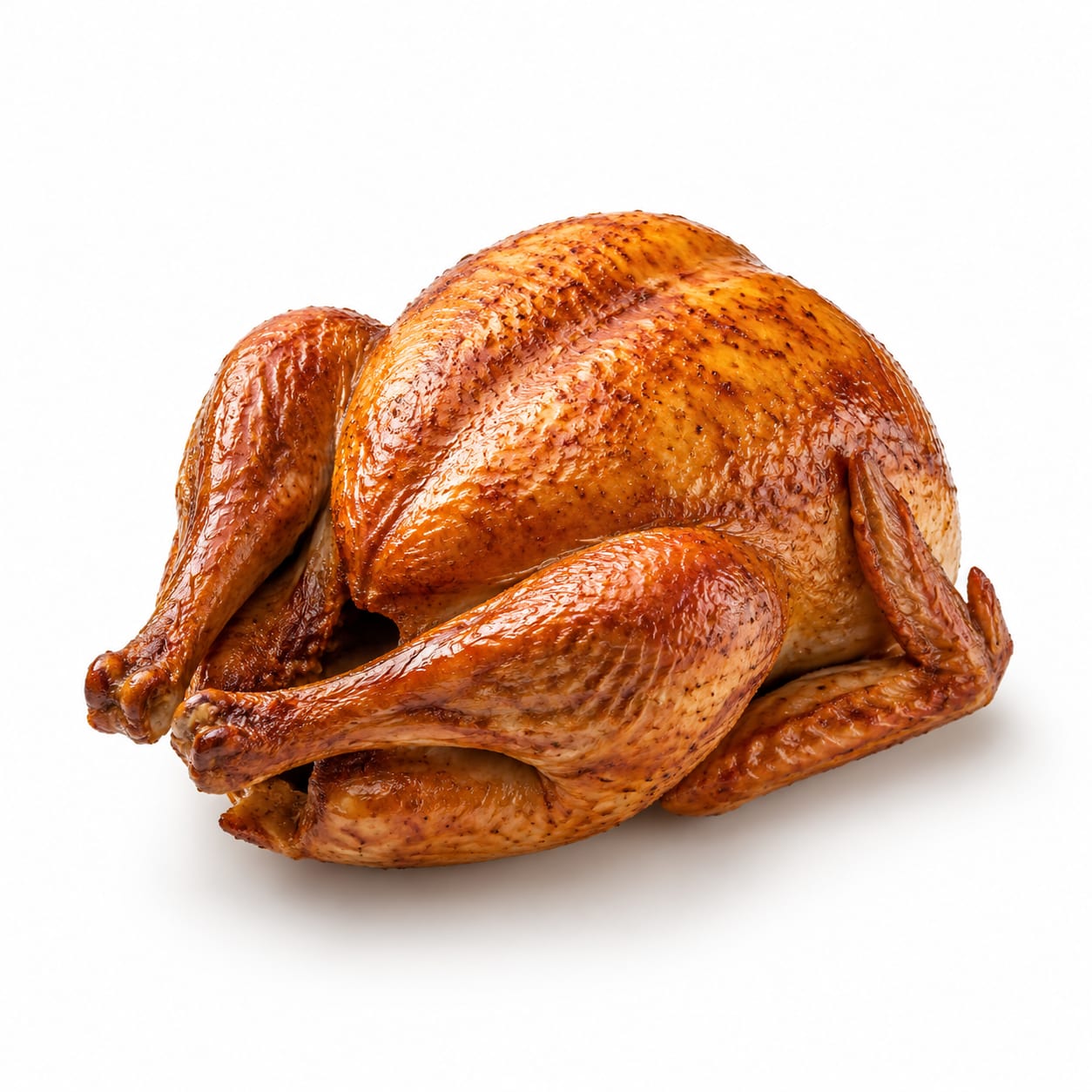
Turkey
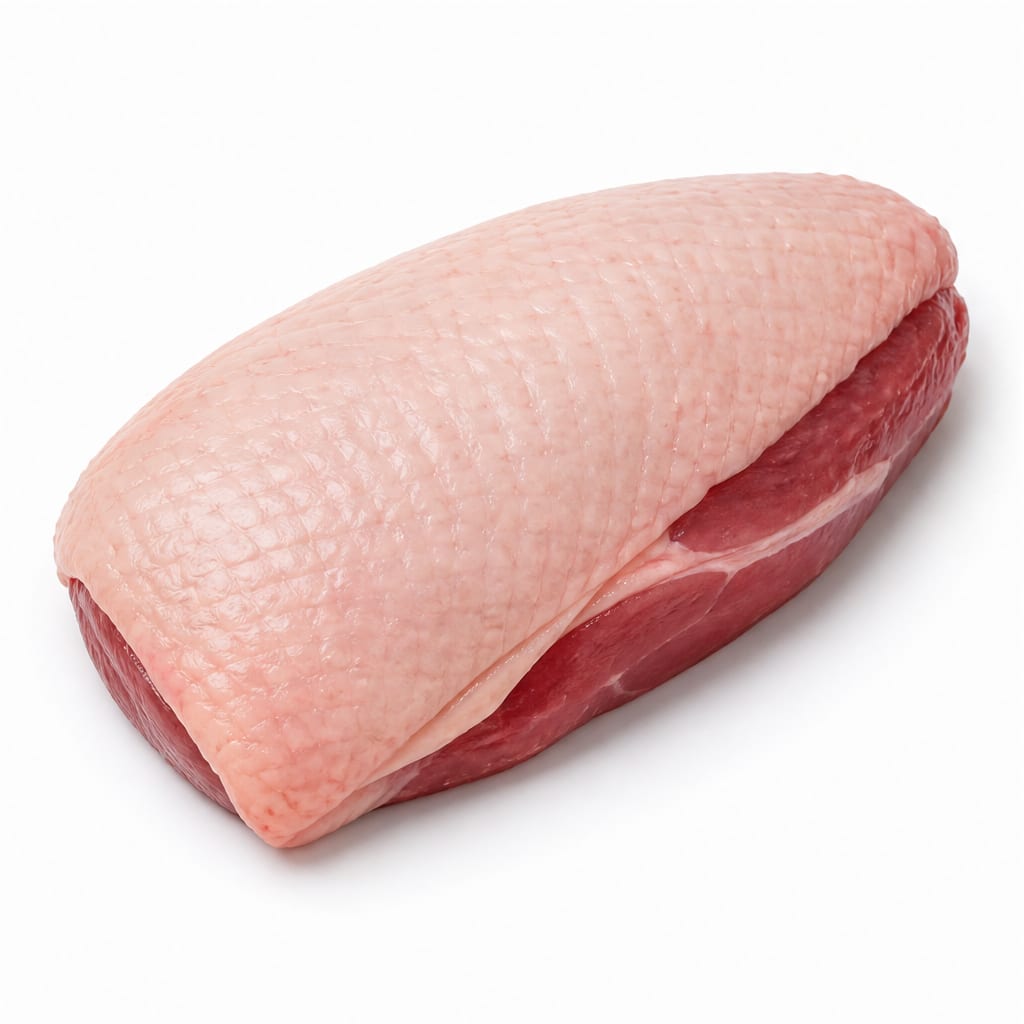
Duck Breast
Turkey wins for lean, everyday protein; duck breast wins for richer flavor and iron content with surprisingly heart-healthy fat.
Turkey scores higher overall due to its lean profile, affordability, and everyday versatility. Duck breast scores well on micronutrients and satisfaction but loses ground on calorie density and practicality for daily use.
Turkey gives you more protein per calorie with virtually no fat, while duck breast delivers deeper satisfaction and better micronutrients at the cost of higher calories.
At a glance
Executive summary
Overall
It depends
Healthier
Turkey
More practical
Turkey
Daily use
Turkey
Key comparison lenses
lean protein vs flavorful protein for weight management
Turkey is a go-to lean protein while duck breast offers richer flavor with more fat, making this a classic leanness vs satisfaction tradeoff
heart health and fat quality comparison
Duck breast contains significantly more fat than turkey, though much of it is monounsaturated, creating nuanced heart health considerations
everyday meal protein selection
Consumers often choose between these two as centerpiece proteins and need to understand practical differences in daily eating
athletic and fitness nutrition
Both are quality animal proteins but differ substantially in calorie-to-protein ratio, affecting meal planning for athletes
Best choice for
Turkey
- Calorie-conscious eaters tracking macros
- Heart patients needing ultra-lean protein
- Athletes in cutting phases
- Families wanting affordable weekly protein
- People meal-prepping in bulk
Duck Breast
- Iron-deficient individuals needing heme iron
- Home cooks wanting restaurant-quality meals
- People on low-carb or keto diets who welcome healthy fat
- Those finding lean meats unsatisfying and bland
- Special occasion dinners where indulgence matters
Least suitable for
Turkey
- People bored by bland protein who struggle to stick to lean diets
- Those needing calorie-dense meals for weight gain
- Iron-deficient individuals relying solely on one protein source
Duck Breast
- Strict calorie counters trying to maximize protein per calorie
- People on low-fat diets for gallbladder or pancreatic conditions
- Budget-conscious shoppers feeding large families daily
Deep comparison
Dimension by dimension
Each lens scores both foods and breaks down who each option suits.
- Dimension 1 · Priority 95Turkey
Protein Efficiency
Turkey · 94Duck Breast · 72Turkey delivers significantly more protein per calorie, making it far more efficient for building and maintaining muscle without excess calories.
Tradeoff
Duck breast still provides solid protein but comes bundled with substantially more calories from fat, reducing its protein-to-calorie ratio.
Why it matters
If you are tracking macros or trying to hit protein goals without overshooting calories, turkey makes it easy while duck requires more planning.
Real-world impact
A 4oz serving of turkey breast gives you roughly 35g protein for 170 calories. The same portion of duck breast gives you about 28g protein for 250 calories.
Turkey
- Cutting phases where every calorie counts
- High-protein diets with calorie limits
- Post-workout meals needing lean recovery fuel
Better for
- Hard-gainers needing calorie surplus
Worse for
Duck Breast
- Meals where moderate protein with satisfying fat keeps you full longer
Better for
- Anyone trying to maximize protein while minimizing calories
Worse for
- Dimension 2 · Priority 90It depends
Fat Quality and Heart Health
Turkey · 82Duck Breast · 80Turkey is ultra-lean with minimal fat, while duck breast has more total fat but over half is monounsaturated — the same heart-friendly type found in olive oil.
Tradeoff
Less total fat makes turkey easier on daily calorie budgets, but duck's fat profile is surprisingly heart-healthy for a meat that tastes rich.
Why it matters
People often assume duck is unhealthy because it tastes fatty, but the fat type matters more than the amount for heart health.
Real-world impact
Duck breast fat is roughly 50% monounsaturated. Turkey has almost no fat to evaluate, which is great for calorie control but means you miss those beneficial fatty acids.
Turkey
- Low-fat diet requirements
- Managing total daily calorie intake
- Cardiac patients advised to minimize all dietary fat
Better for
- Very low-carb eaters who need fat for energy and satiety
Worse for
Duck Breast
- Mediterranean-style eating patterns that welcome monounsaturated fat
- Low-carb diets where healthy fat is encouraged
Better for
- People who overconsume calories because rich-tasting food is harder to moderate
Worse for
- Dimension 3 · Priority 85Duck Breast
Micronutrient Density
Turkey · 70Duck Breast · 86Duck breast outshines turkey on iron, zinc, and several B vitamins, making it more micronutrient-dense per serving.
Tradeoff
Turkey offers more selenium per serving but falls short on iron and B12, which many people — especially women — actually need more of.
Why it matters
Iron deficiency is one of the most common nutrient gaps worldwide. Duck provides substantially more heme iron, which the body absorbs efficiently.
Real-world impact
A serving of duck breast provides roughly 50% more iron and significantly more B12 than turkey. For anyone borderline anemic, this is a meaningful difference.
Turkey
- People needing selenium for thyroid and immune support
- Those already meeting iron needs through other sources
Better for
- Those relying on a single lean protein for all micronutrients, especially iron
Worse for
Duck Breast
- Women of reproductive age at risk for iron deficiency
- Anyone with diagnosed low B12 or iron
- People eating limited red meat who still want heme iron
Better for
- People with hemochromatosis who must limit iron intake
Worse for
- Dimension 4 · Priority 82Duck Breast
Satiety and Meal Satisfaction
Turkey · 68Duck Breast · 88Duck breast keeps you fuller and more satisfied per meal due to its fat content and richer flavor, while lean turkey can leave you hungry sooner.
Tradeoff
That satisfaction comes with more calories. Turkey fills you up with protein volume but lacks the staying power that dietary fat provides.
Why it matters
Meals that actually satisfy you reduce snacking and overeating later. Bland lean protein often leads to compensation within hours.
Real-world impact
A duck breast dinner tends to feel like a complete, indulgent meal. A turkey breast dinner often needs sides with healthy fats to feel equally satisfying.
Turkey
- Large-volume eaters who prefer bigger portions of lean food
- Grazers eating multiple small meals per day
Better for
- Anyone who finds lean meat boring and ends up snacking later
Worse for
Duck Breast
- People who feel hungry again quickly after lean meals
- One-meal-a-day eaters needing maximum satiety
- Emotional eaters who find rich food more psychologically rewarding
Better for
- People who cannot stop at one serving of rich-tasting food
Worse for
- Dimension 5 · Priority 80Turkey
Practicality and Affordability
Turkey · 92Duck Breast · 48Turkey is affordable, widely available, and easy to cook. Duck breast is expensive, harder to find, and requires more cooking skill.
Tradeoff
You pay a premium for duck's flavor and nutrient density, both at the register and in preparation effort.
Why it matters
The best protein for you is the one you can consistently buy and cook well. Duck's barriers make it unrealistic as a daily staple for most people.
Real-world impact
Ground turkey costs roughly $4-6 per pound. Duck breast typically runs $12-20 per pound and may require a specialty butcher or online order.
Turkey
- Weekly grocery budgets under $100 per person
- Beginner cooks wanting forgiving proteins
- Bulk meal-prep sessions
- Families cooking for picky eaters
Better for
- Fine dining experiences where presentation and richness matter
Worse for
Duck Breast
- Special occasions worth the splurge
- Experienced cooks comfortable rendering fat and hitting medium-rare
Better for
- Weeknight dinners when you need something fast and cheap
- Anyone without a reliable source for quality duck
Worse for
- Dimension 6 · Priority 72Turkey
Culinary Versatility
Turkey · 85Duck Breast · 62Turkey works in sandwiches, soups, stir-fries, tacos, and salads. Duck breast is more of a centerpiece protein that dominates the plate.
Tradeoff
Turkey blends into almost any dish. Duck demands to be the star and pairs poorly with casual or quick-prep meals.
Why it matters
Proteins that adapt to many recipes get eaten more consistently and waste less. Specialty proteins often sit in the freezer waiting for the right occasion.
Real-world impact
Leftover turkey becomes lunch wraps, soup, or salad topping. Leftover duck breast is harder to repurpose without drying it out or losing its appeal.
Turkey
- Meal-preppers wanting one protein for multiple recipes
- Households with diverse taste preferences
- Quick weeknight cooking
Better for
- Impressing guests with a memorable main course
Worse for
Duck Breast
- Date nights and dinner parties
- Adventurous home cooks exploring new techniques
Better for
- Casual lunches and quick dinners
- Recipe variety throughout the week
Worse for
Timeline
Health impact over time
Short-term
Hours to days
Turkey
- Light, clean energy without digestive heaviness
- Quick protein absorption for post-workout recovery
- Unlikely to cause post-meal sluggishness due to near-zero fat
Duck Breast
- Longer-lasting fullness that delays next hunger cue
- Rich mouthfeel that satisfies cravings in fewer bites
- Slightly heavier digestion that may cause mild sluggishness in sensitive people
Long-term
Months to years
Turkey
- Consistent lean protein intake supports healthy body composition when paired with adequate healthy fats elsewhere
- Very low saturated fat intake benefits cardiovascular markers over time
- Risk of nutrient gaps if turkey replaces all iron-rich and fat-rich foods without compensation
Duck Breast
- Superior heme iron intake supports prevention of anemia, especially in menstruating women
- Monounsaturated fat contributes to healthy lipid profiles when portions are controlled
- Higher calorie density requires mindful portions to avoid gradual weight gain
Risk profile
Safety & processing
Both turkey and duck breast are whole, minimally processed proteins when purchased as raw meat. The main concern is that some commercial turkey products are injected with saline solution, so check labels for added sodium. Duck breast is typically sold without additives but may have higher environmental contaminant exposure depending on farming practices.
Turkey
Salmonella contamination
mediumGround turkey and turkey parts carry salmonella risk requiring thorough cooking to 165°F. Proper handling and kitchen hygiene are essential.
Antibiotic residue in conventionally raised turkey
mediumConventional turkey farming uses antibiotics more frequently than duck farming. Choose organic or antibiotic-free when possible.
Sodium injection in processed turkey breast
mediumMany commercial turkey breasts are plumped with saline solution, adding 200-400mg sodium per serving. Read labels carefully.
Duck Breast
Undercooking risk from medium-rare preparation
lowDuck breast is often cooked medium-rare, which is generally safe for whole muscle cuts but requires quality sourcing and proper handling.
Environmental contaminant accumulation
lowDucks forage in wetland environments and may accumulate more environmental contaminants than land-raised poultry. Farm-raised duck mitigates this but introduces feed quality questions.
Higher cholesterol per serving
lowDuck breast contains more dietary cholesterol than turkey. For most people this has minimal blood cholesterol impact, but those with hypercholesterolemia should be mindful.
Who wins for whom
Audience fit
Same foods, different winners depending on your goal.
children
TurkeyMilder flavor, softer texture when cooked, lower cost for growing appetites, and easier to prepare safely. Duck's gamey flavor often gets rejected by kids.
daily consumption
TurkeyAffordability, availability, cooking ease, and lower calorie density make turkey realistic as a daily protein staple. Duck is better reserved for a few times per month.
diabetes
TurkeyBoth are zero-carb proteins, but turkey's lower calorie and fat content makes portion and weight management easier, which is critical for insulin sensitivity.
elderly
It dependsTurkey is easier to chew and digest for fragile digestive systems. However, duck breast's superior iron and B12 content benefits elderly individuals at risk for anemia and deficiency.
muscle gain
TurkeyMore protein per calorie and per dollar makes turkey the practical choice for athletes needing high protein intake across multiple daily meals.
weight loss
TurkeyTurkey's dramatically lower calorie density allows larger portions and easier macro management, which most people find more sustainable for weight loss.
Your move
Decision guide
Choose Turkey
- You track calories or macros and need maximum protein with minimum calories
- You feed a family on a budget and need versatile, crowd-pleasing protein
- You meal-prep weekly and want a protein that works across many recipes
- You have heart health concerns requiring ultra-lean protein choices
- You are an athlete in a cutting phase or managing weight for competition
Choose Duck Breast
- You are iron-deficient or at risk for anemia and need heme iron sources
- You find lean meats boring and unsatisfying, leading to snacking
- You follow a low-carb or keto diet and welcome healthy dietary fat
- You are cooking for a special occasion and want something impressive
- You eat red meat rarely but occasionally want something richer than chicken or turkey
Either works if
- You simply want high-quality complete protein and have no specific calorie or fat constraints
- You rotate proteins throughout the week for nutrient diversity
- You are generally healthy and eat a balanced diet with plenty of vegetables
Avoid both if
- You follow a vegetarian or vegan diet
- You have gout and are sensitive to purine-rich meats, particularly duck
- You have severe poultry allergies
Final recommendation
Make turkey your everyday workhorse protein and treat duck breast as your nutrient-dense indulgence a few times per month. This combination gives you the calorie efficiency of turkey for daily meals plus the iron, B-vitamins, and satisfaction of duck when it matters. If you can only pick one, turkey wins on practicality and leanness — but you would be missing out on duck's genuine nutritional strengths.
Practical
Consumer tips
- 1
Check turkey labels for 'enhanced with up to X% solution' — this means added sodium you did not sign up for
- 2
Score duck breast skin in a crosshatch pattern and start it skin-down in a cold pan for the crispiest result
- 3
Pair turkey with avocado, olive oil, or nuts to add the healthy fats it lacks on its own
- 4
Save rendered duck fat from cooking — it is excellent for roasting vegetables and adds incredible flavor
- 5
Buy whole turkey breasts when possible instead of deli-sliced, which contains more sodium and preservatives
- 6
If duck breast is too expensive, try it in stir-fries where a small amount goes further
- 7
Let duck breast rest 8-10 minutes after cooking before slicing to keep it juicy
- 8
Freeze turkey portions individually so you can thaw only what you need without waste