
Nutrition comparison
Turkey vs Pork Tenderloin: Which Lean Protein is Healthier?
Compare Turkey and Pork Tenderloin for protein, fat, calories, and taste. Discover which lean meat is better for weight loss, meal prep, and heart health.
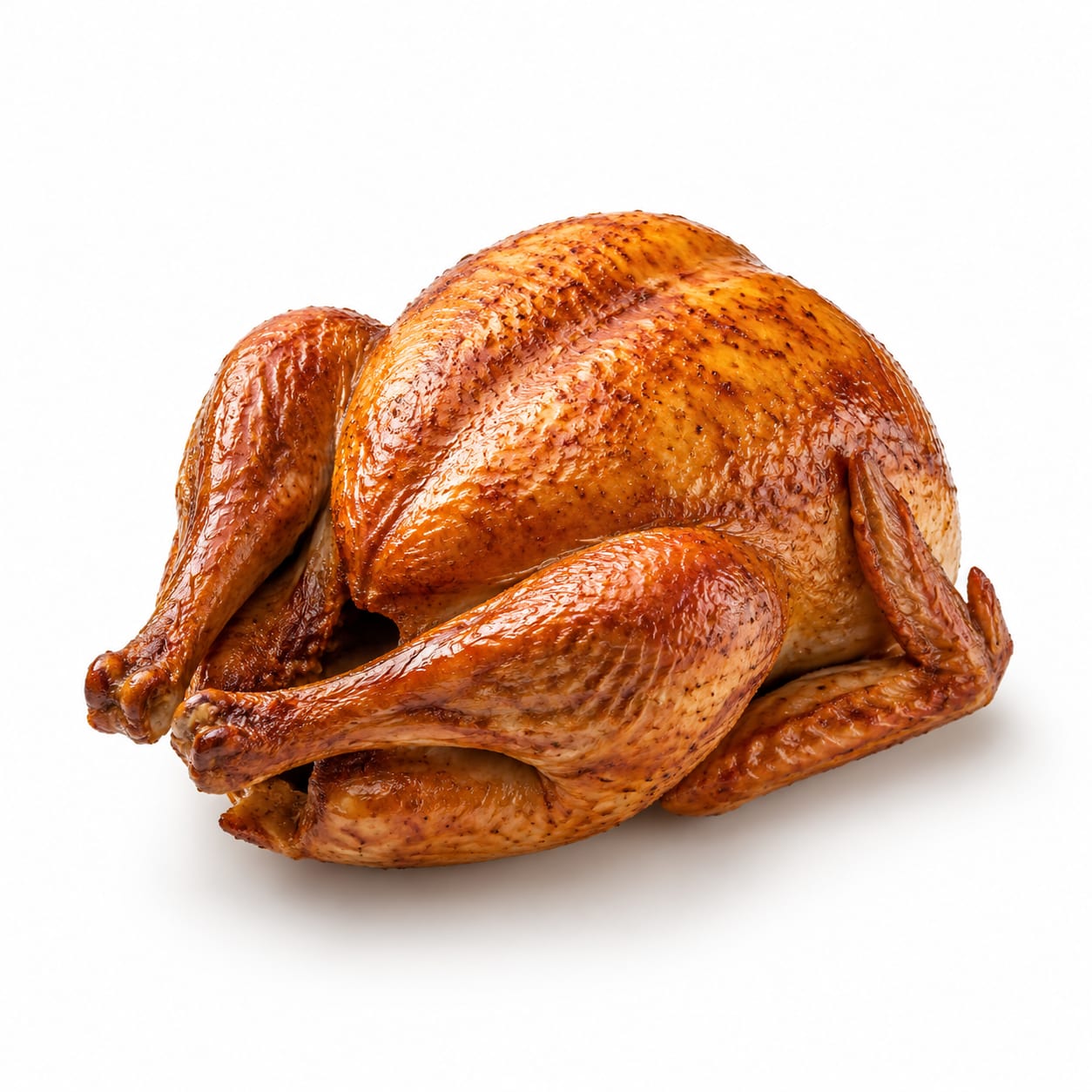
Turkey
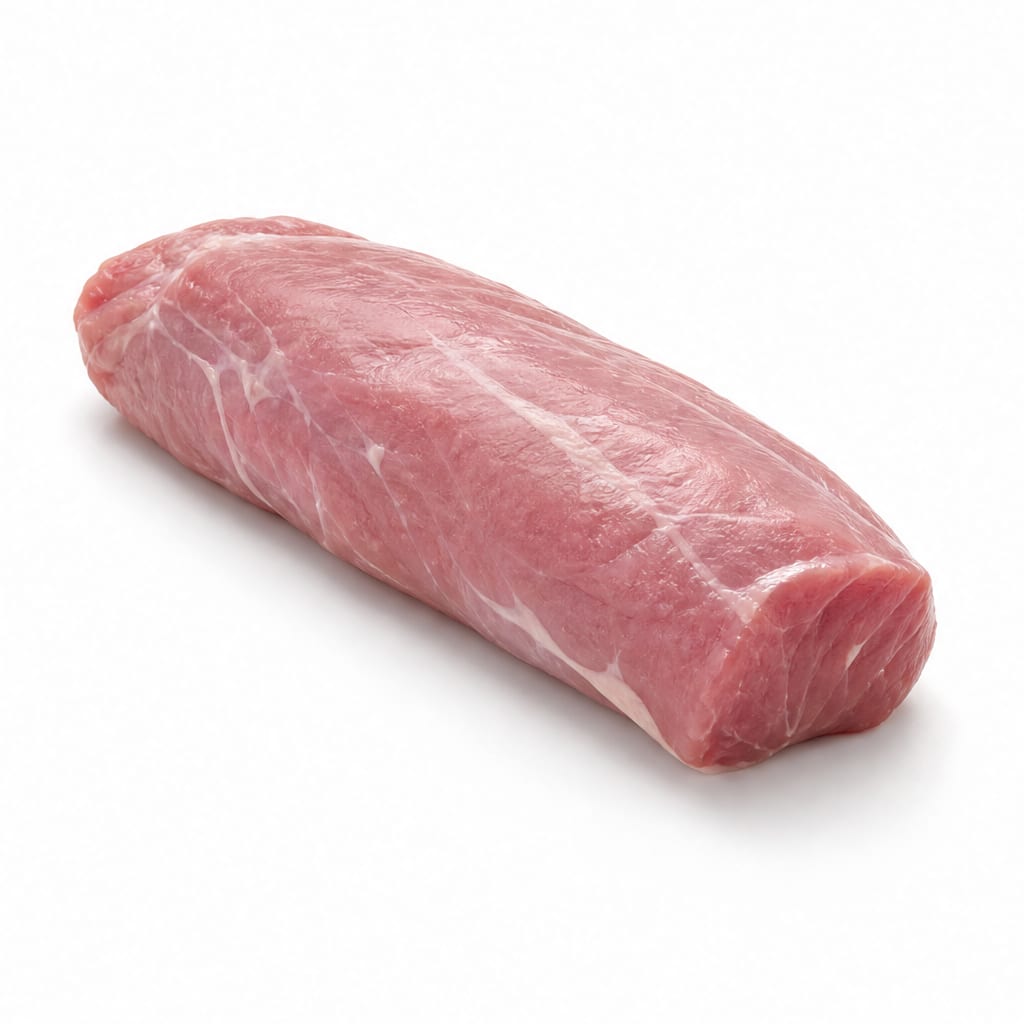
Pork Tenderloin
Turkey edges ahead for sheer leanness and calorie control, while Pork Tenderloin offers superior tenderness and a richer B-vitamin profile.
Turkey scores slightly higher due to its marginally better fat profile and lower calorie density, but Pork Tenderloin remains an elite lean protein choice that trades a tiny fat difference for significantly better cooking tolerance and taste.
Slightly fewer calories and less fat in Turkey versus a more forgiving cooking experience and better thiamin levels in Pork Tenderloin.
At a glance
Executive summary
Overall
It depends
Healthier
Turkey
More practical
Pork Tenderloin
Daily use
Turkey
Key comparison lenses
Lean protein source selection for weight loss or muscle gain
Both Turkey and Pork Tenderloin are top-tier lean proteins, making them direct competitors for fitness and diet goals.
Heart health and saturated fat intake
Cardiovascular health often drives the choice between white meat and red meat, even when the red meat is exceptionally lean.
Cooking practicality and meal prep versatility
How easily the meat cooks without drying out heavily influences which one people actually stick with long-term.
Micronutrient optimization
While similar in macronutrients, their vitamin and mineral profiles differ enough to sway health-conscious consumers.
Best choice for
Turkey
- Strict calorie counters
- People limiting saturated fat for heart health
- Meal preppers on a tight budget
Pork Tenderloin
- Home cooks tired of dry poultry
- Those needing a natural thiamin and B-vitamin boost
- People seeking a more satisfying mouthfeel in lean meals
Least suitable for
Turkey
- Those who easily overcook lean meats and hate dry textures
- Diners wanting a rich, savory flavor without added sauces
Pork Tenderloin
- Individuals avoiding pork for religious or personal reasons
- Those strictly monitoring even minor saturated fat differences
Deep comparison
Dimension by dimension
Each lens scores both foods and breaks down who each option suits.
- Dimension 1 · Priority 95It depends
Protein Quality & Density
Turkey · 90Pork Tenderloin · 90Both deliver top-tier complete protein with all essential amino acids, making them equally excellent for muscle repair and satiety.
Tradeoff
The protein quality is virtually identical, so the choice here comes down to which flavor and texture you prefer eating regularly.
Why it matters
Consistent high-quality protein intake is crucial for maintaining muscle mass and keeping you full between meals.
Real-world impact
You will feel equally satisfied and fueled after a serving of Turkey or Pork Tenderloin, provided portion sizes are similar.
Turkey
- Individuals who prefer milder tasting protein for smoothies or heavy saucing
Better for
- People who get bored of bland proteins easily
Worse for
Pork Tenderloin
- Those who find richer meat flavors more satisfying on a calorie deficit
Better for
- Anyone assuming pork cannot be a high-quality lean protein
Worse for
- Dimension 2 · Priority 85Turkey
Fat Profile & Heart Health
Turkey · 92Pork Tenderloin · 82Turkey has slightly less total fat and saturated fat than Pork Tenderloin, making it the marginally better choice for cardiovascular health.
Tradeoff
While Pork Tenderloin is incredibly lean for a red meat, it still carries a few more grams of saturated fat per serving compared to Turkey breast.
Why it matters
Even small reductions in saturated fat can benefit heart health over years of daily eating habits.
Real-world impact
Choosing Turkey over Pork Tenderloin saves you a gram or two of saturated fat per meal, which adds up over a week of eating.
Turkey
- People actively lowering their cholesterol
- Those following a heart-healthy Mediterranean approach
Better for
- Diners who find ultra-lean meat too dry without added oils
Worse for
Pork Tenderloin
- Anyone needing more flavor and juiciness without adding cooking fats
Better for
- Individuals strictly limiting all saturated fat intake
Worse for
- Dimension 3 · Priority 70Pork Tenderloin
Micronutrient Density
Turkey · 82Pork Tenderloin · 88Pork Tenderloin is an exceptional source of thiamin and other B-vitamins, while Turkey provides more selenium and niacin.
Tradeoff
Turkey wins on antioxidants and selenium, but Pork Tenderloin absolutely dominates the B-vitamin spectrum, especially energy-producing thiamin.
Why it matters
B-vitamins are essential for converting food into energy and combating daily fatigue.
Real-world impact
Eating Pork Tenderloin can give you a noticeable edge in energy metabolism, while Turkey better supports thyroid and immune function.
Turkey
- Those focusing on immune support and thyroid health
Better for
- Those relying on meat as their primary thiamin source
Worse for
Pork Tenderloin
- People combating fatigue or needing better energy metabolism
Better for
- Anyone specifically boosting selenium intake
Worse for
- Dimension 4 · Priority 80Pork Tenderloin
Cooking Practicality & Palatability
Turkey · 70Pork Tenderloin · 88Pork Tenderloin is far more forgiving to cook and stays juicier, whereas Turkey dries out very quickly if overcooked by even a few minutes.
Tradeoff
You get fewer calories with Turkey, but you risk a dry, chewy meal if your timing is slightly off.
Why it matters
If a healthy food is difficult to cook well, you are less likely to stick with it long-term.
Real-world impact
A perfectly cooked Pork Tenderloin is effortlessly tender for weeknight dinners, while Turkey breast often requires brining or precise temperature control to avoid tasting like cardboard.
Turkey
- Experienced cooks comfortable with precise meat thermometers
Better for
- Beginners who tend to overcook lean meats
Worse for
Pork Tenderloin
- Busy home cooks needing a reliable, juicy weeknight protein
Better for
- Cooks who prefer very quick, high-heat searing methods
Worse for
Timeline
Health impact over time
Short-term
Hours to days
Turkey
- Provides steady, light energy without feeling heavy in the stomach
- Highly filling for very few calories, aiding portion control
Pork Tenderloin
- Delivers quick energy support thanks to high B-vitamin content
- Feels more satisfying and meal-like due to its natural juiciness
Long-term
Months to years
Turkey
- Supports cardiovascular health with consistently low saturated fat intake
- Helps maintain muscle mass efficiently without excess calories
Pork Tenderloin
- Promotes long-term nervous system health through exceptional thiamin levels
- Prevents diet fatigue, making lean eating habits easier to sustain
Risk profile
Safety & processing
Both Turkey and Pork Tenderloin are whole, unprocessed muscle meats. However, always check labels, as some commercial Turkey is injected with saline, and some Pork Tenderloin is sold in pre-marinated, high-sodium solutions.
Turkey
Salmonella contamination
mediumPoultry carries a higher baseline risk of salmonella, requiring strict kitchen hygiene and cooking to 165°F.
Pork Tenderloin
Trichinella parasite
lowModern farming practices have virtually eliminated this risk, but it historically made people fearful of undercooking pork. Cooking to 145°F is now considered safe.
Sodium solutions
mediumMany store-bought Pork Tenderloins are pre-brined or marinated, significantly increasing sodium intake if you do not read the packaging.
Who wins for whom
Audience fit
Same foods, different winners depending on your goal.
children
Pork TenderloinPork Tenderloin is easier to chew and more naturally flavorful, making it more appealing and safer for kids who struggle with dry meats.
daily consumption
TurkeyThe slightly lower saturated fat content makes Turkey a marginally better choice for everyday, long-term heart health.
diabetes
It dependsBoth are zero-carb foods that will not spike blood sugar, though Pork Tenderloin's higher fat content may slightly slow digestion.
elderly
Pork TenderloinThe natural tenderness of Pork Tenderloin is much easier on aging teeth and swallowing difficulties compared to easily-dried Turkey.
muscle gain
It dependsBoth provide excellent, complete protein profiles necessary for muscle repair and growth, making them equally viable.
weight loss
TurkeyTurkey offers slightly fewer calories and less fat per serving, giving it a minor edge for aggressive calorie deficits.
Your move
Decision guide
Choose Turkey
- You want the absolute leanest protein available
- You are closely tracking calories and saturated fat
- You do not mind using marinades or brines to keep meat moist
Choose Pork Tenderloin
- You want a juicier, more forgiving cut of meat for weeknight cooking
- You want to boost your B-vitamin and thiamin intake naturally
- You are tired of dry poultry and need a tastier lean option
Either works if
- You just need a solid, zero-carb protein base for a salad or grain bowl
- You are meal-prepping for the week and value lean protein variety
Avoid both if
- You have a poultry or pork allergy
- You strictly follow a plant-based or vegan diet
Final recommendation
Let your cooking habits decide. If you are a precise cook watching every gram of fat, Turkey is your best bet. If you want a reliably juicy, flavorful dinner that keeps you satisfied without reaching for snacks later, Pork Tenderloin is the smarter, more sustainable choice for daily life.
Practical
Consumer tips
- 1
Always brine Turkey breast before cooking to prevent it from drying out in the oven.
- 2
Cook Pork Tenderloin to 145°F and let it rest for 3-5 minutes to maintain maximum juiciness.
- 3
Read packaging carefully to avoid pre-marinated Pork Tenderloin or saline-injected Turkey, which can secretly double your sodium intake.
- 4
Slice Pork Tenderloin into medallions for faster, more even weeknight cooking.