
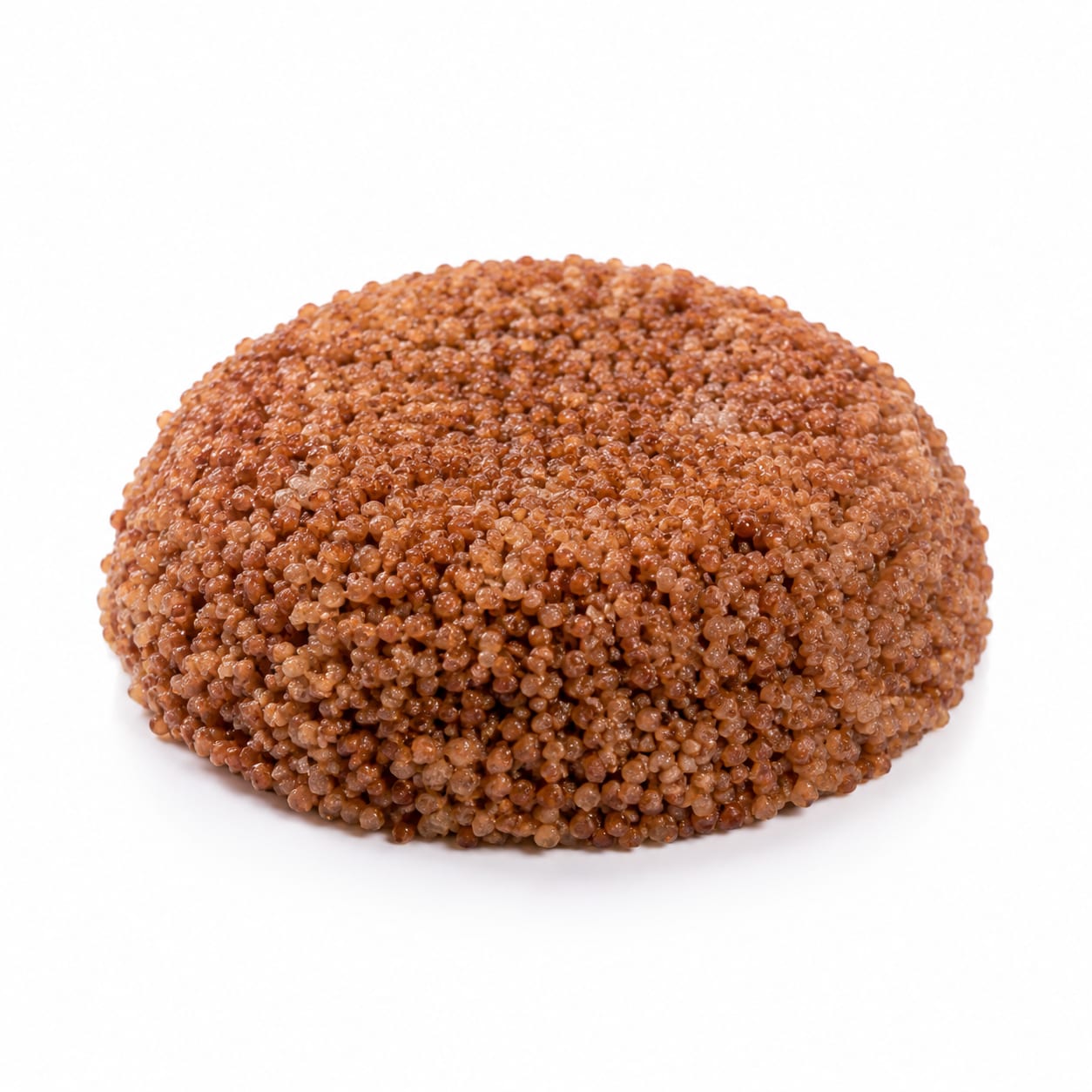
Whole Grain
Teff
A nutrient-dense, naturally gluten-free ancient grain high in fiber, iron, and protein.
An ancient gluten-free grain native to Ethiopia, known for its tiny size and high nutritional density, particularly in iron, calcium, and protein.
fiber-rich gluten-free whole grain
Typical serving · 100g
Common varieties · brown teff, ivory teff, red teff, mixed teff
Overall context score across nutrition, safety, and diet fit
At a glance
Quick facts
Simple indicators based on nutrition, processing, and diet fit.
The story
What makes it unique
Teff is a slow-digesting complex carbohydrate with a moderate glycemic index. Its high resistant starch and fiber content promote prolonged satiety and support gut microbiome health. The macronutrient profile features a favorable protein-to-carb ratio compared to common cereals.
Varieties: brown teff · ivory teff · red teff · mixed teff
Per 100g
Nutrition breakdown
Macro balance and key metrics at a glance.
Energy
Density 3.67 kcal/g
Protein
Carbs
Fat
Fiber
Sugar
1.6 g
Sodium
12 mg
Potassium
428 mg
Glycemic index
57
Glycemic load
35
Water content
9.5%
Standout compounds
Nutrient highlights
Iron
highSupports oxygen transport and prevents anemia
Fiber
highPromotes digestive health and satiety
Calcium
moderateStrengthens bones and teeth
Resistant Starch
highFeeds gut bacteria and improves insulin sensitivity
Protein
moderateSupports muscle repair and growth
Wellness map
Health scores & processing
NOVA processing scale
Minimally processed · Whole food
Whole grain consumed in its natural state, typically only cleaned and packaged, retaining all bran and germ components.
Diet compatibility
- Weight loss
- Muscle gain
- Diabetes
- Gut health
- Low carb
- High protein
- Heart health
Relative standing
Food rankings
Qualitative ranks compared to similar whole foods.
- Satietyexcellent
- Blood sugargood
- Nutrient densityexcellent
- Fitness fuelgood
- Processing qualityexcellent
Eat with confidence
Food safety profile
Teff is considered highly safe with minimal pesticide or contamination risks due to traditional farming practices. Rinsing before cooking removes natural dust.
Evidence confidence 90%
- Pesticideslow
- Antibioticslow
- Heavy metalslow
- Contaminationlow
Watch for
- agricultural dust
Safer choices
Organic certified teff for guaranteed pesticide-free farming.
Prep tips
Rinse teff grains under cold water before cooking to remove any residual field dust.
None significant; generally grown with minimal chemical inputs.
Deep dive
Health analysis
How this food may fit different goals and preparation choices.
Weight loss
High fiber and resistant starch content increase satiety, reducing overall calorie intake by keeping you full longer.
Blood sugar
Moderate glycemic index combined with high fiber prevents rapid blood sugar spikes, offering steady energy release.
Fitness & energy
Provides sustained complex carbohydrates for endurance activities, paired with a decent protein profile for muscle support.
Gut health
Resistant starch and insoluble fiber act as prebiotics, promoting a healthy gut microbiome and regular bowel movements.
Processing quality
A true whole grain with minimal processing, ensuring maximum nutrient retention and no artificial additives.
Food safety
Very low risk of contamination or pesticide exposure; traditionally cultivated with minimal synthetic chemicals.
Common mistakes
Assuming all teff products (like injera made with added wheat flour) are gluten-free; always check labels for pure teff.
Best preparation
Boiling as a porridge, cooking as a side dish similar to polenta, or using the flour for gluten-free baking and flatbreads.
Practical guide
Best use cases
When and how this food fits real eating patterns.
Gluten-free baking and flatbreads
Teff flour is excellent for making injera, pancakes, and gluten-free baked goods with a robust nutritional profile.
Pre-workout complex carb loading
Provides sustained energy release for endurance activities without causing rapid blood sugar crashes.
Iron-boosting breakfast porridge
A warm teff porridge offers a highly bioavailable iron source to start the day, particularly beneficial for plant-based diets.
High-fiber side dish alternative to rice
Cooked whole teff can replace rice or quinoa in bowls and side dishes, significantly boosting fiber and mineral intake.
Balance sheet
Pros & cons
Upsides
- Naturally gluten-free and safe for celiacs
- High in resistant starch for gut health
- Excellent source of iron and calcium for a grain
- Provides sustained energy without blood sugar crashes
- Very versatile for both sweet and savory dishes
Trade-offs
- Can be expensive compared to common grains
- Not suitable for strict low-carb or keto diets
- Contains phytic acid which can slightly inhibit mineral absorption
- May be difficult to find in standard grocery stores
Fit check
Who is it for?
Great match
- gluten-free diets
- plant-based iron supplementation
- endurance athletes needing sustained carbs
- gut microbiome support
Consider alternatives
- strict ketogenic diets
- low-fiber acute digestive flare-ups
- budget-conscious bulk eating
Side by side
How it compares
Open the full head-to-head analysis for nutrition, safety, and practical tradeoffs.
This food
Teff
VS90% alike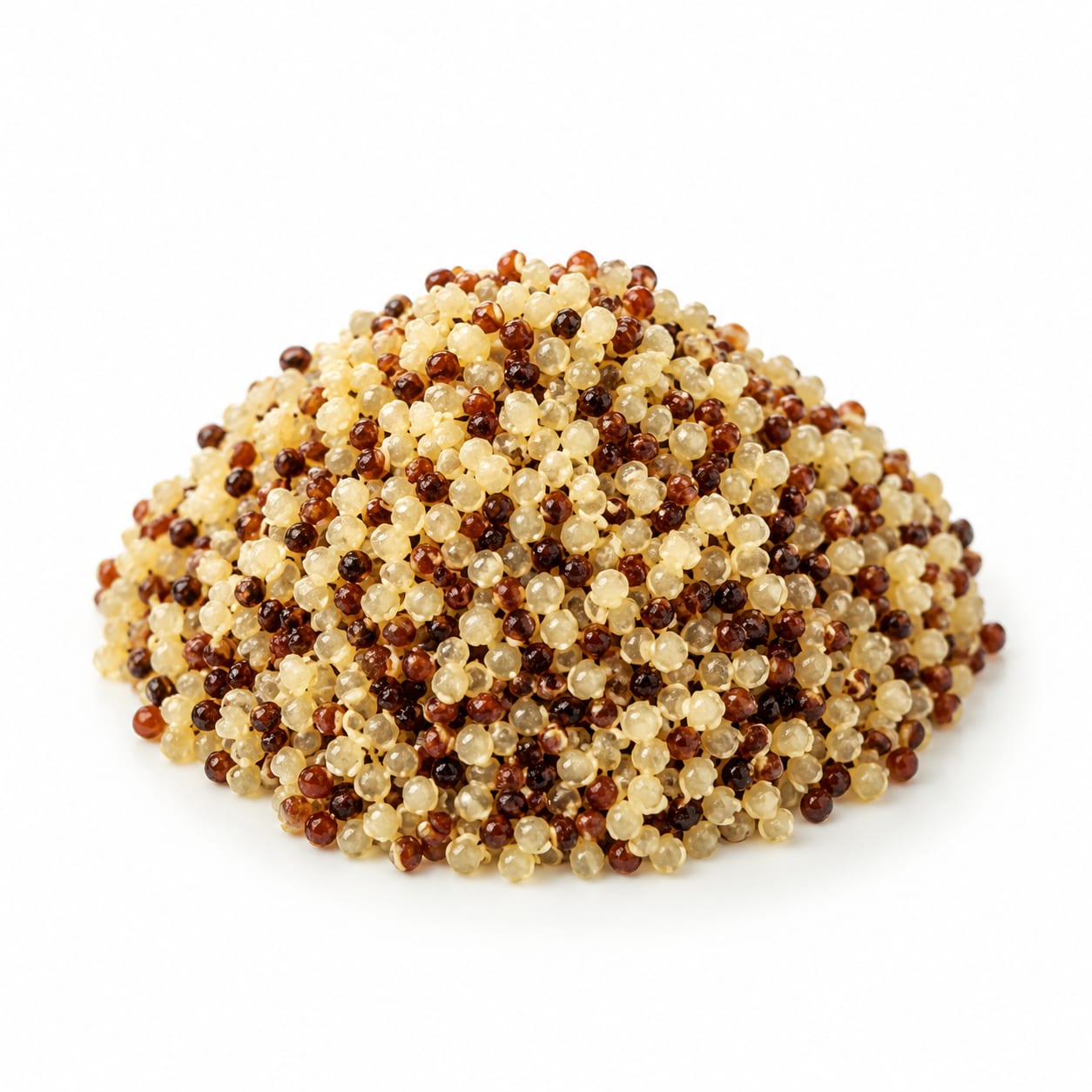
Compare with
Quinoa
Teff offers more iron and calcium, while quinoa provides slightly more protein and is a complete protein source.
Teff is richer in iron and calcium, while quinoa offers slightly more complete protein.
This food
Teff
VS80% alike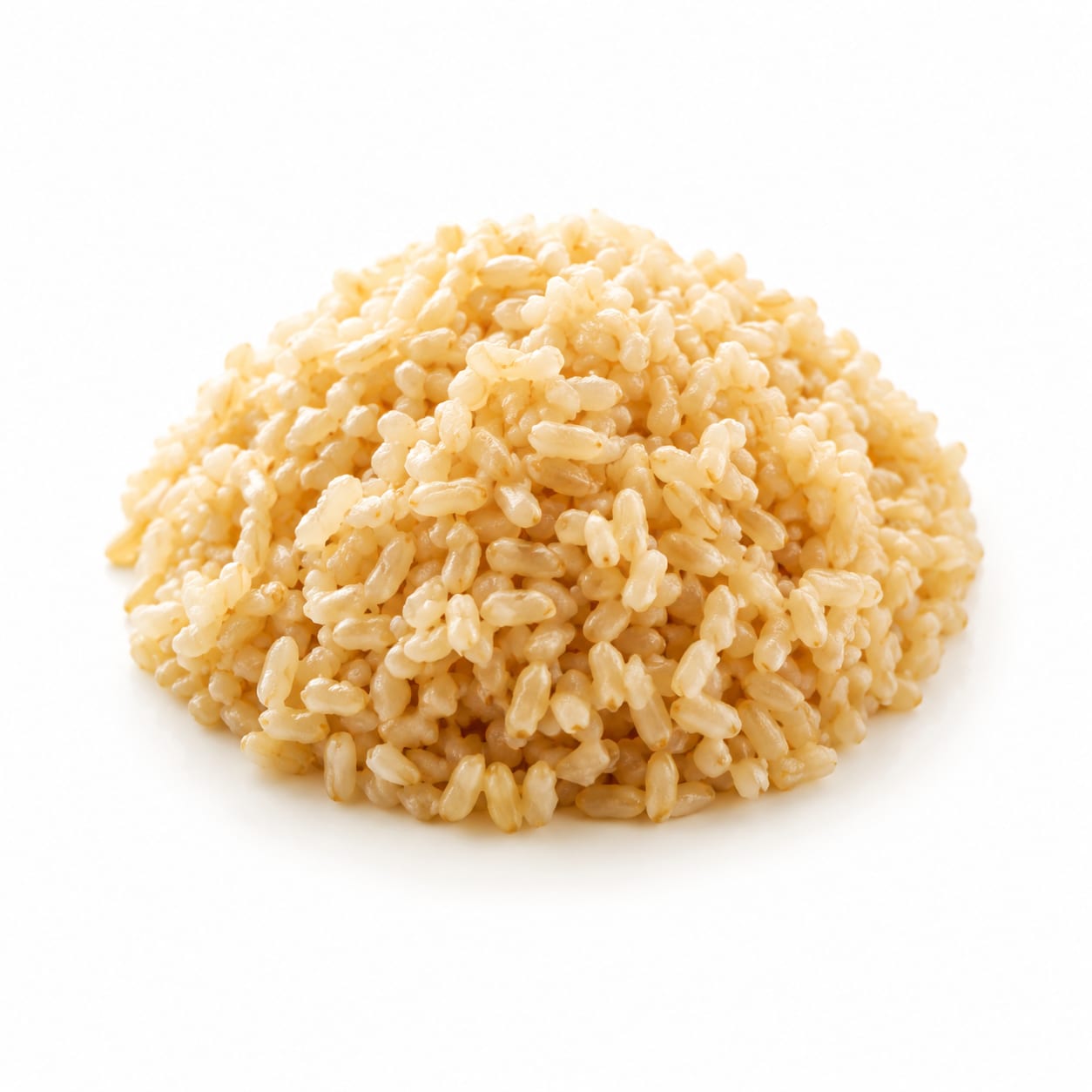
Compare with
Brown Rice
Teff is significantly higher in fiber, protein, iron, and calcium than brown rice.
Teff outperforms brown rice in protein, fiber, and mineral content.
This food
Teff
VS85% alike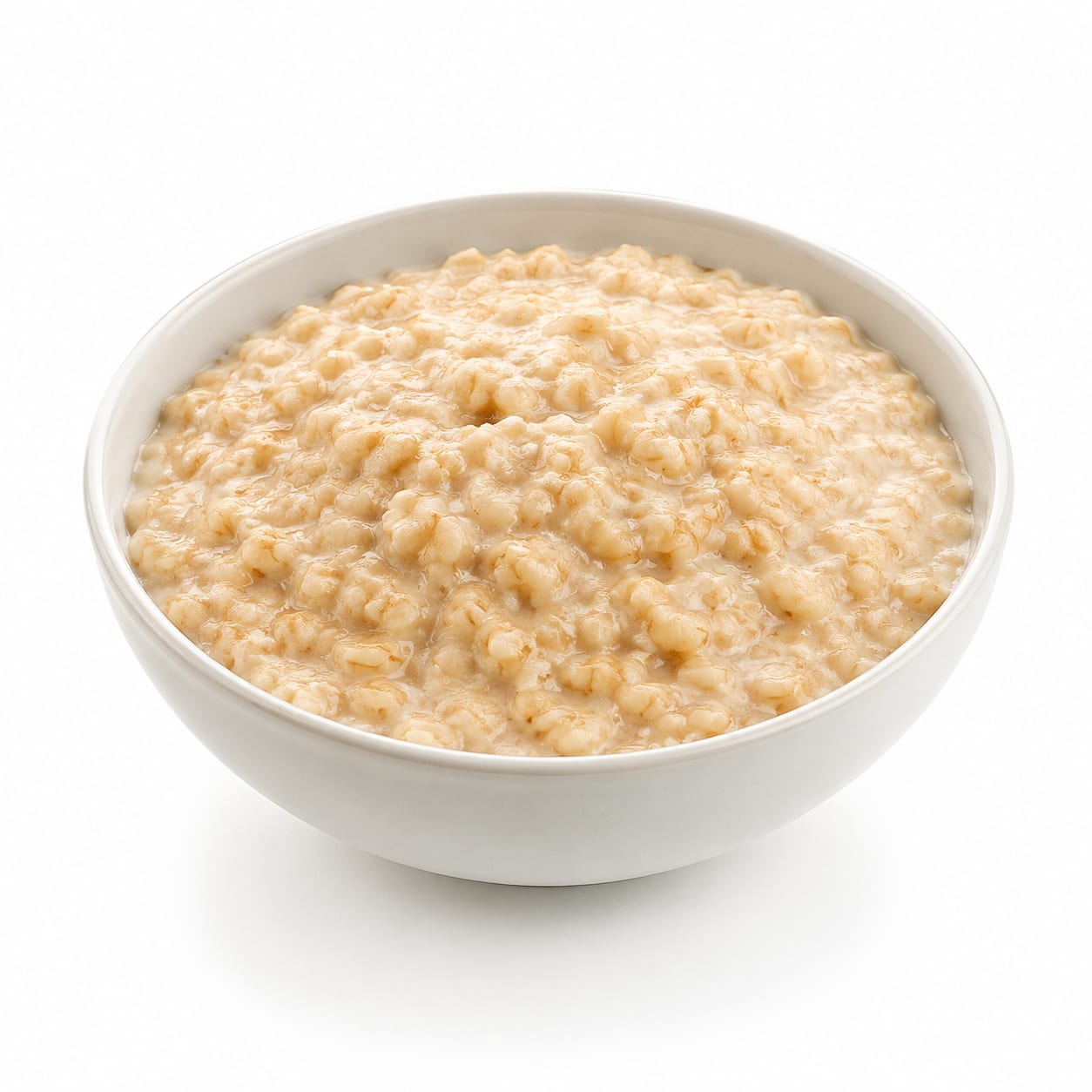
Compare with
Oats
Oats are higher in beta-glucan for cholesterol, while teff is gluten-free and richer in iron.
Oats are better for heart health via beta-glucan, while teff is better for gluten-free iron needs.
This food
Teff
VS88% alike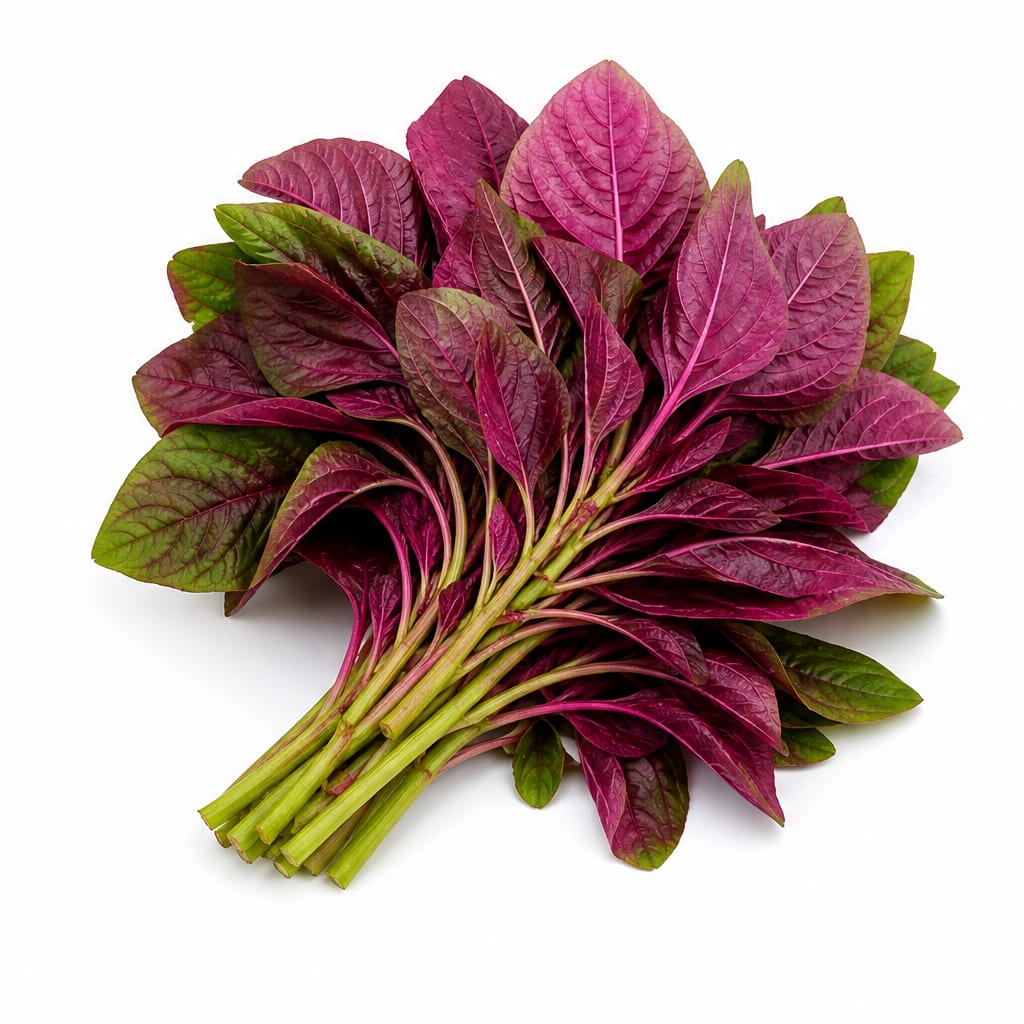
Compare with
Amaranth
Amaranth has slightly more protein, but teff offers more resistant starch and a milder flavor for baking.
Amaranth provides slightly more protein, while teff offers superior resistant starch for gut health.
This food
Teff
VS85% alike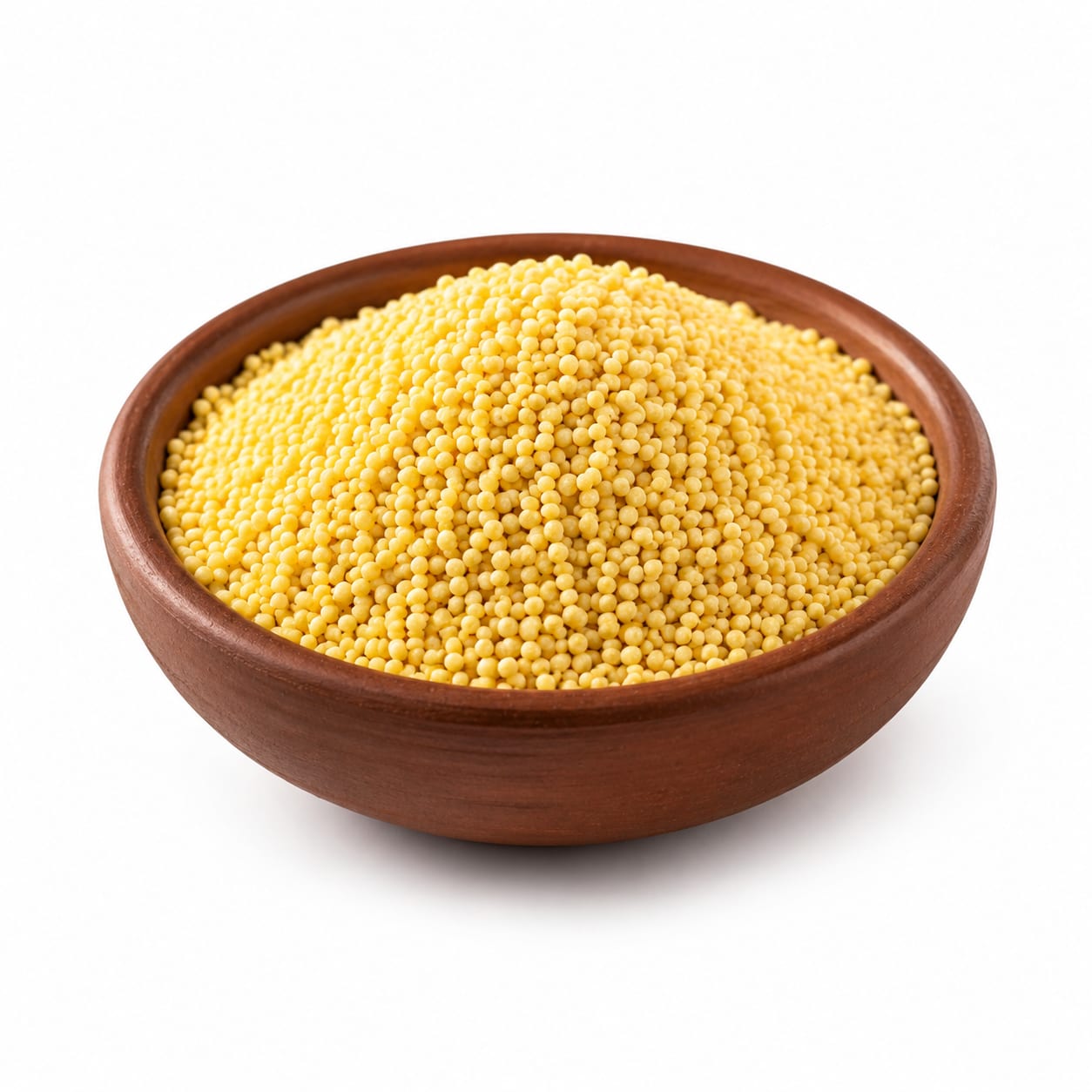
Compare with
Millet
Teff has a higher mineral content (iron and calcium) compared to millet, though both provide good energy.
Teff is more nutrient-dense than millet, particularly in iron and calcium.
This food
Teff
VS82% alike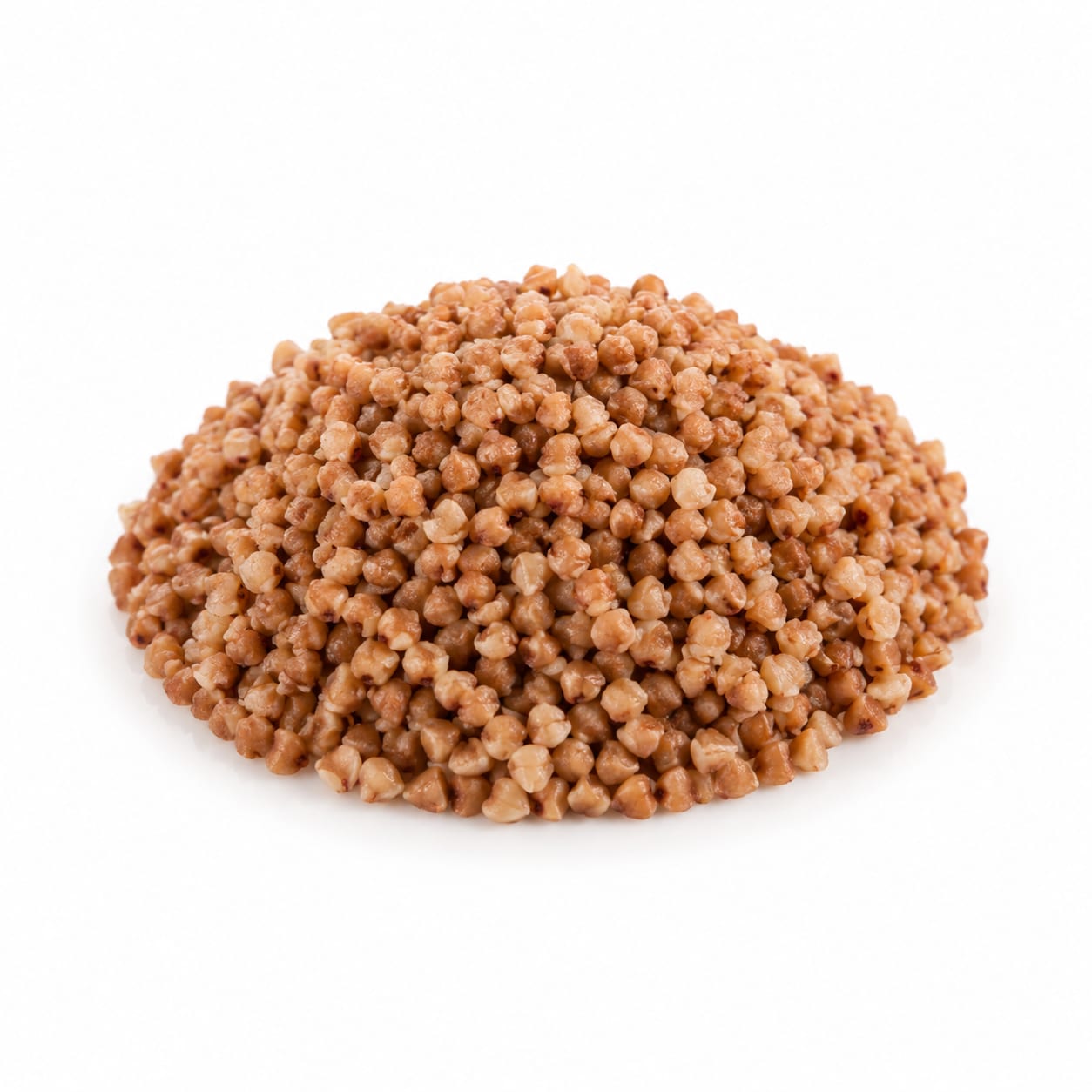
Compare with
Buckwheat
Buckwheat has a lower glycemic index, but teff provides more iron and calcium.
Buckwheat is slightly better for blood sugar, while teff wins for iron and calcium intake.
This food
Teff
VS75% alike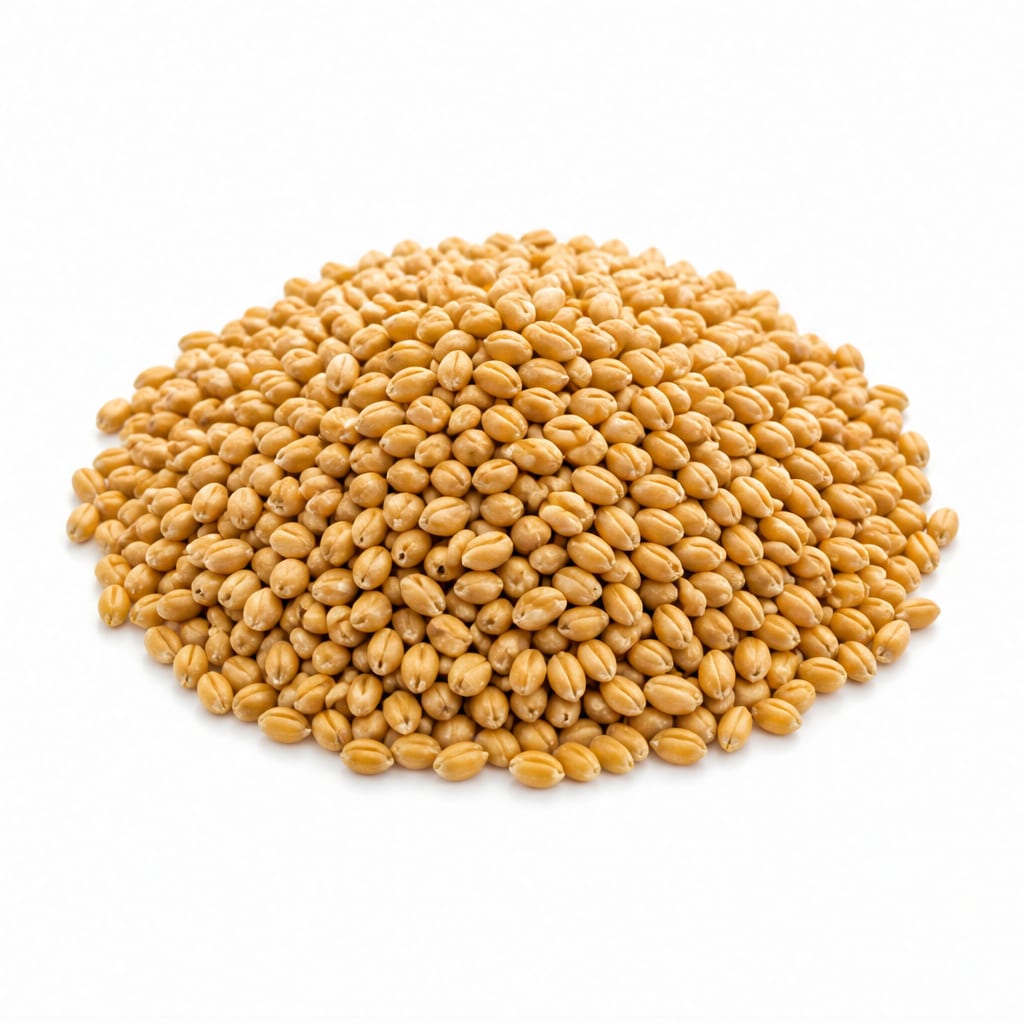
Compare with
Wheat Berries
Teff is gluten-free, whereas wheat berries contain gluten but offer more protein per serving.
Teff is the gluten-free choice, while wheat berries offer higher protein for those who tolerate gluten.
This food
Teff
VS83% alike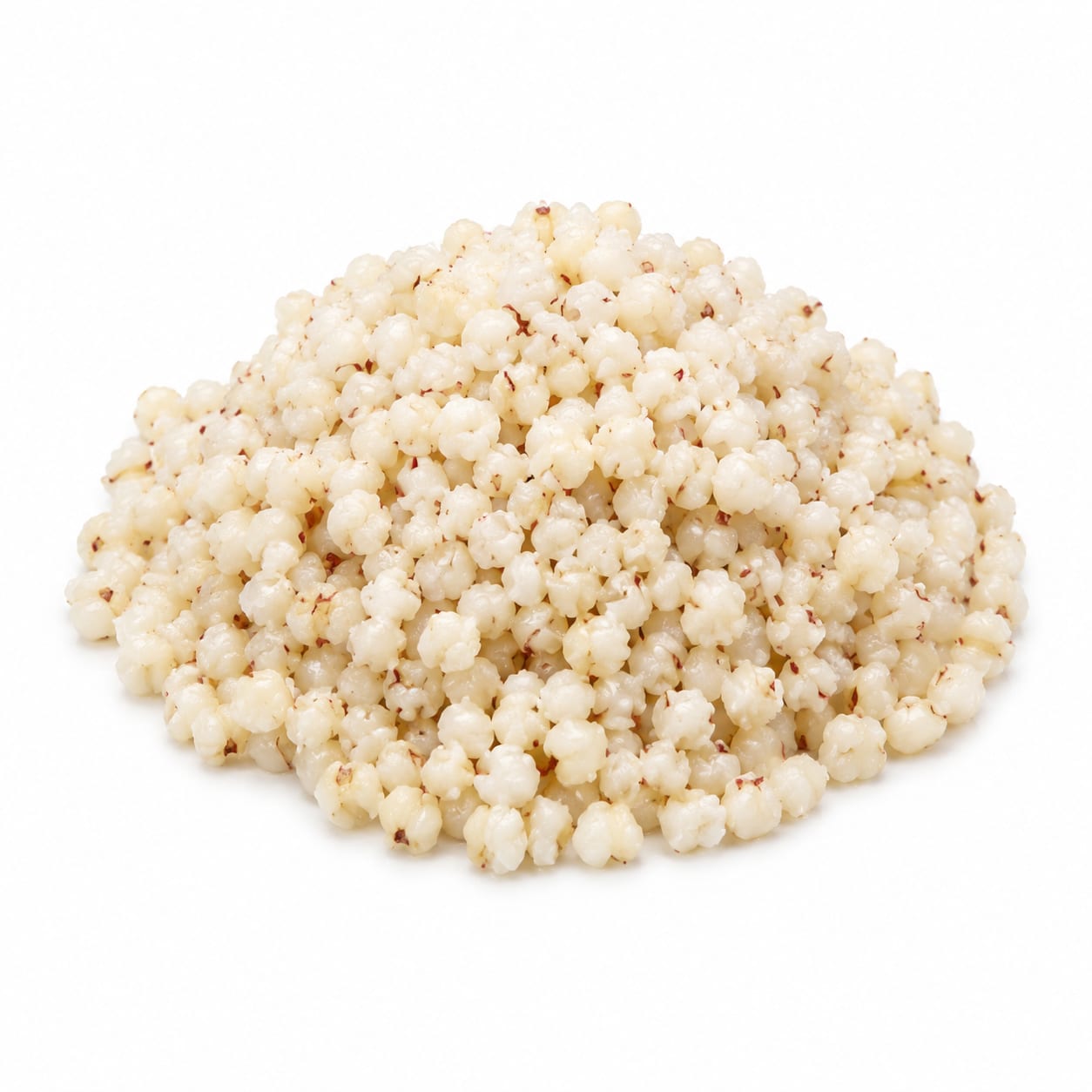
Compare with
Sorghum
Teff is higher in iron and calcium, while sorghum is slightly higher in protein and more affordable.
Teff provides more minerals, while sorghum is a more budget-friendly high-protein gluten-free grain.
This food
Teff
VS78% alike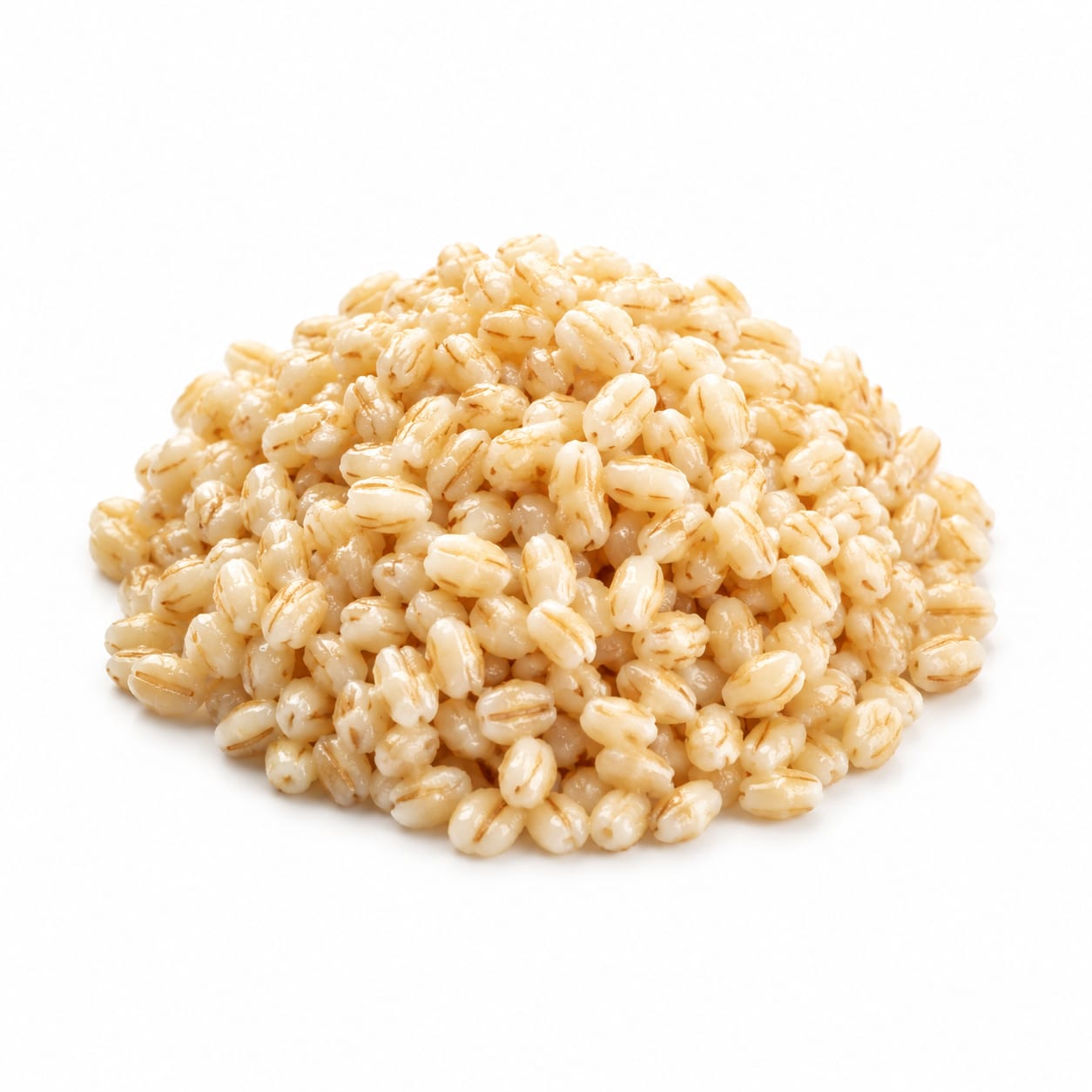
Compare with
Barley
Barley is extremely high in soluble fiber for heart health, but contains gluten; teff is gluten-free with more iron.
Barley is better for cholesterol control, but teff is the gluten-free option with superior iron.
This food
Teff
VS70% alike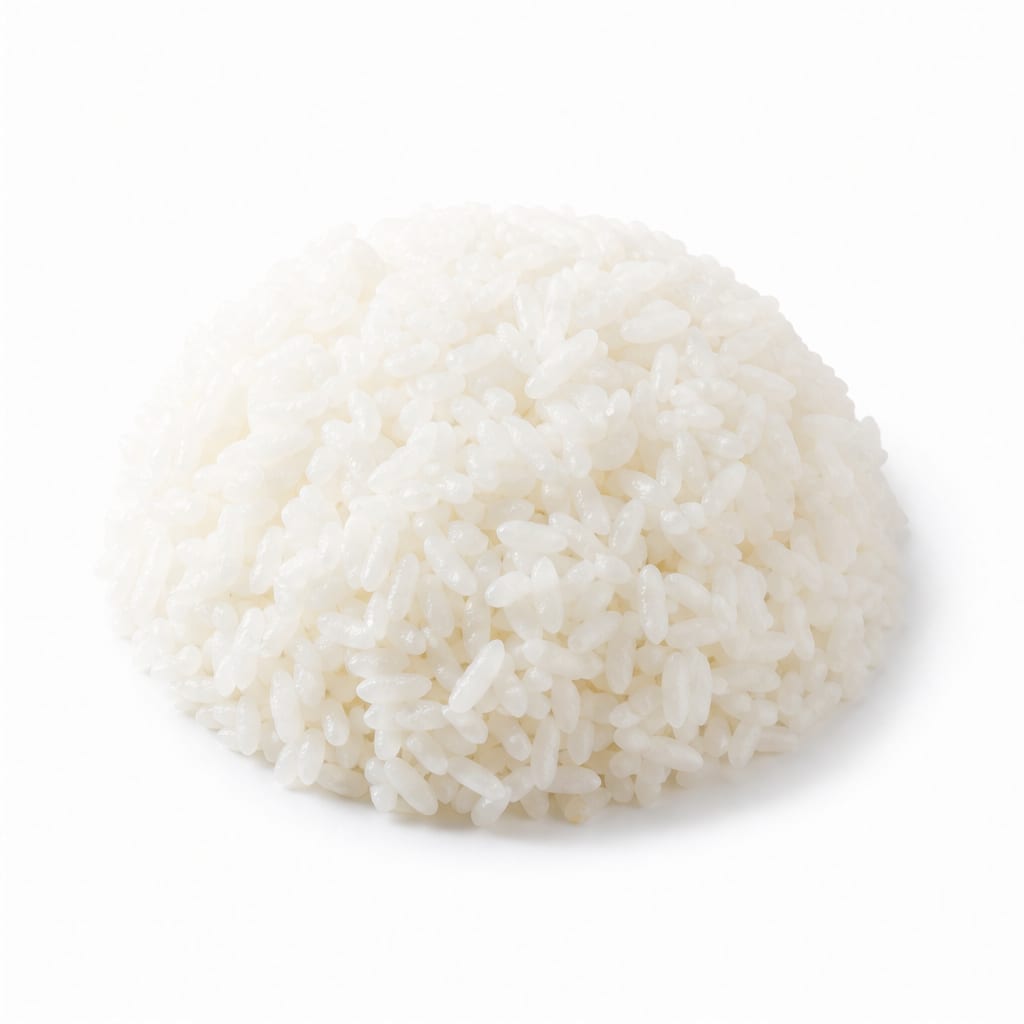
Compare with
White Rice
Teff is vastly superior in fiber, protein, and micronutrients compared to refined white rice.
Teff is significantly more nutritious than white rice, offering far more fiber, protein, and minerals.
Common questions
FAQ
Answers aligned with how people search for this food.
Is teff gluten-free?
Yes, pure teff is naturally gluten-free, making it a safe grain choice for those with celiac disease or gluten intolerance.
Is teff good for weight loss?
Teff can support weight loss due to its high fiber and resistant starch content, which increase satiety and reduce overall calorie consumption.
Is teff better for you than rice?
Teff is generally more nutrient-dense than white rice, offering significantly more fiber, protein, iron, and calcium per serving.
Can diabetics eat teff?
Yes, teff has a moderate glycemic index and high fiber content, which helps prevent blood sugar spikes and improves insulin sensitivity.
What does teff taste like?
Teff has a mild, earthy, and slightly nutty flavor, with darker varieties having a richer, cocoa-like taste.
How do you cook whole grain teff?
Rinse the grains, then combine with water in a 1:3 ratio, bring to a boil, and simmer for 15-20 minutes until water is absorbed and grains are tender.
Is teff high in iron?
Yes, teff is notably high in iron compared to other grains, which can help prevent iron-deficiency anemia, especially in gluten-free diets.
Is teff a good source of protein?
Teff provides a good amount of plant-based protein for a grain, containing all essential amino acids, making it beneficial for muscle maintenance.
Transparency
Data confidence
Estimated confidence for nutrition data, interpretation, safety notes, and comparisons.
Nutrition data
Health analysis
Food safety
Comparisons