
Nutrition comparison
Teff vs Brown Rice: Nutrition, Arsenic Risk, and Which is Healthier
Compare teff and brown rice to see which gluten-free grain is better for blood sugar, iron levels, and arsenic safety. Discover the nutritional tradeoffs and find out which is right for you.
Overall winner · Teff
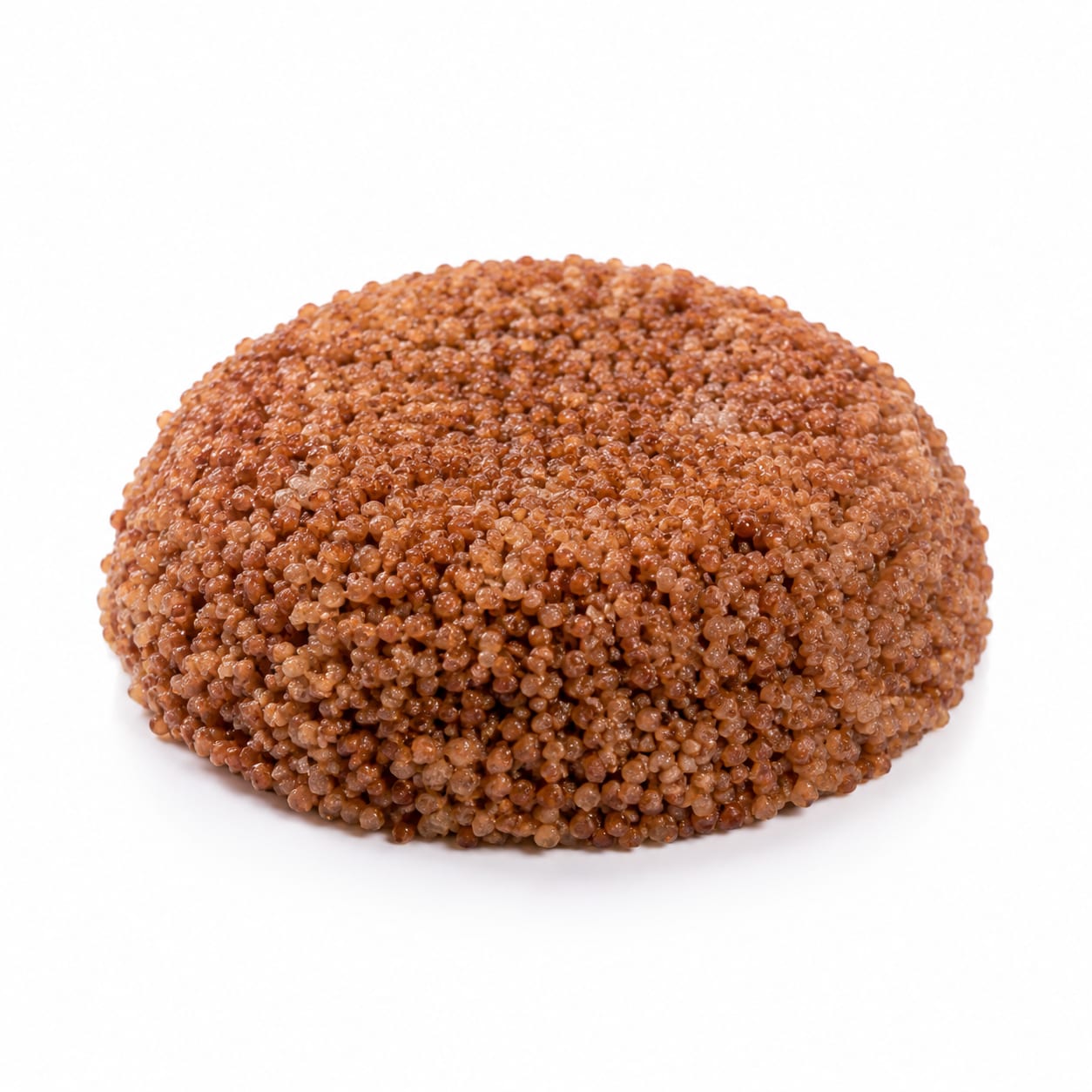
Teff
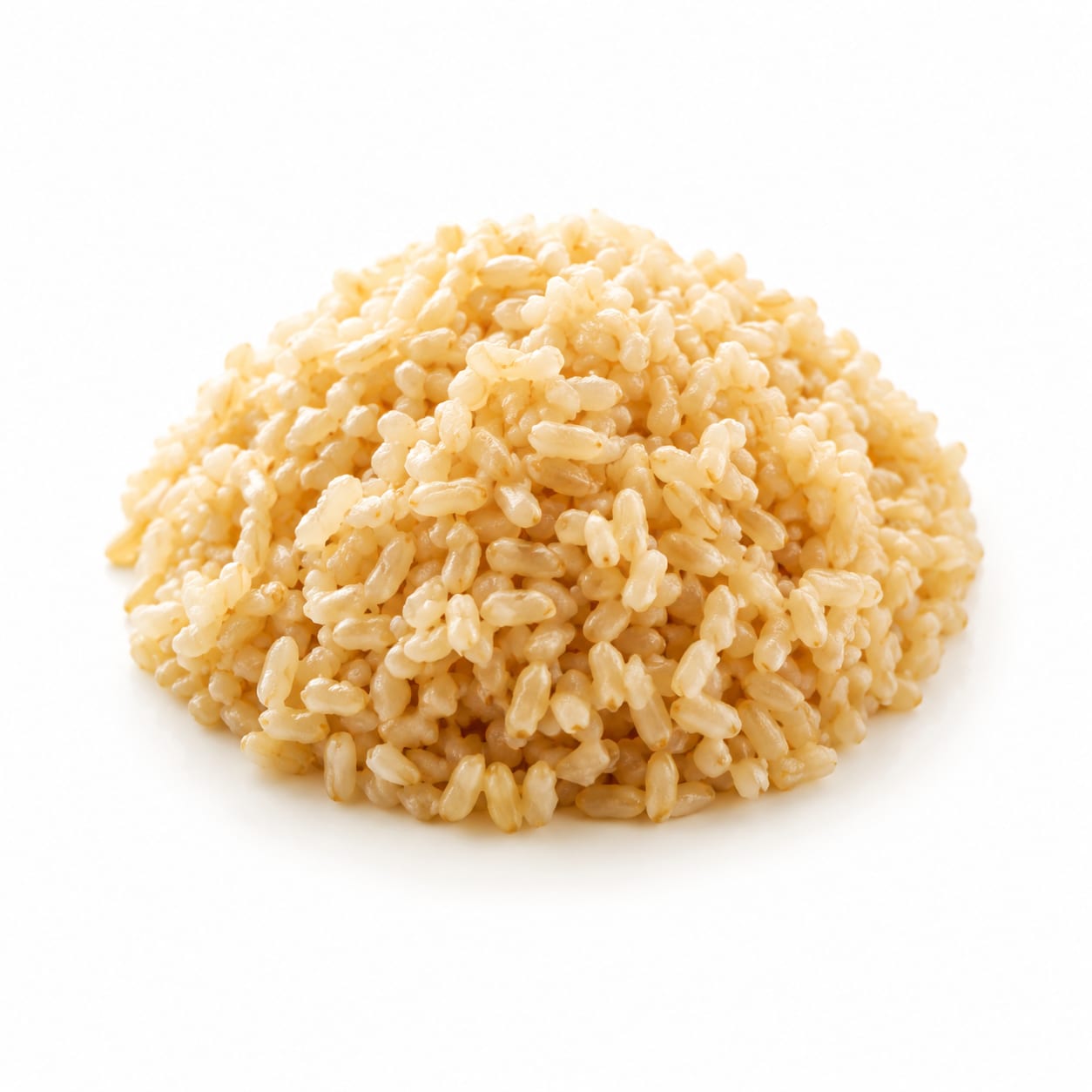
Brown Rice
Teff wins on nutritional density and safety, offering more iron, calcium, and resistant starch with virtually no arsenic risk, while brown rice wins on affordability and everyday convenience.
Teff scores higher due to its exceptional mineral content, resistant starch, and lack of arsenic concerns. Brown rice remains a solid, accessible choice but loses points on heavy metal accumulation and lower micronutrient density.
Superior micronutrients and blood sugar stability in teff versus the low cost and easy availability of brown rice.
At a glance
Executive summary
Overall
Teff
Healthier
Teff
More practical
Brown Rice
Daily use
Teff
Key comparison lenses
Blood sugar management
Teff has significantly more resistant starch and a lower glycemic index than brown rice, making it a key differentiator for energy stability.
Mineral density and anemia prevention
Teff is remarkably high in iron and calcium compared to most grains, while brown rice offers less of these specific minerals.
Heavy metal and arsenic exposure
Brown rice is known to accumulate arsenic, whereas teff poses a much lower heavy metal risk, which is a major safety factor for daily consumption.
Budget and accessibility
Brown rice is a cheap, universal pantry staple, while teff remains an expensive specialty grain for most consumers.
Best choice for
Teff
- Managing blood sugar spikes
- Boosting iron and calcium naturally
- Avoiding arsenic in the diet
- Gluten-free baking with structural integrity
Brown Rice
- Budget-friendly family meals
- Easy meal prep and bulk cooking
- Accessible gluten-free carb sourcing
Least suitable for
Teff
- Tight grocery budgets
- Quick cooking needs on busy weeknights
Brown Rice
- Arsenic-conscious diets
- Those relying on grains for iron and calcium intake
Deep comparison
Dimension by dimension
Each lens scores both foods and breaks down who each option suits.
- Dimension 1 · Priority 90Teff
Blood Sugar Stability
Teff · 88Brown Rice · 65Teff provides steadier energy with fewer crashes thanks to its resistant starch and lower glycemic index.
Tradeoff
You get better blood sugar control with teff, but it takes more effort to source and prepare.
Why it matters
Stable blood sugar means fewer afternoon energy crashes and reduced cravings.
Real-world impact
Eating teff instead of brown rice can help you avoid that sleepy feeling an hour after lunch.
Teff
- Teff is better for sustained energy without crashes
- Teff is better for managing insulin resistance
Better for
- Teff is worse for quick post-workout glycogen reloading
Worse for
Brown Rice
- Brown rice is better when you need quick carb replenishment after intense exercise
Better for
- Brown rice is worse for keeping blood sugar steady throughout the day
Worse for
- Dimension 2 · Priority 85Teff
Mineral Density
Teff · 92Brown Rice · 60Teff is a powerhouse for iron and calcium, far surpassing brown rice in these critical minerals.
Tradeoff
You gain significant iron and calcium support with teff, giving up the broader selenium and magnesium profile of brown rice.
Why it matters
Iron prevents fatigue, and calcium supports bone health, making teff a functional food for deficiency prevention.
Real-world impact
Choosing teff can naturally help combat anemia and support bone density without relying on supplements.
Teff
- Teff is better for preventing iron-deficiency anemia
- Teff is better for dairy-free calcium intake
Better for
- Teff is worse for selenium intake compared to brown rice
Worse for
Brown Rice
- Brown rice is better for selenium intake, which supports thyroid function
Better for
- Brown rice is worse for boosting dietary iron and calcium
Worse for
- Dimension 3 · Priority 80Teff
Safety and Contamination
Teff · 95Brown Rice · 50Teff carries minimal heavy metal risk, while brown rice is a known accumulator of inorganic arsenic.
Tradeoff
Choosing teff gives you peace of mind regarding heavy metals, whereas brown rice requires careful sourcing and cooking methods to mitigate risk.
Why it matters
Long-term arsenic exposure affects heart health and cancer risk, a hidden danger in daily brown rice consumption.
Real-world impact
If you eat grains daily, teff is a much safer staple to avoid heavy metal buildup over the years.
Teff
- Teff is better for long-term daily consumption without arsenic worries
- Teff is better for children's diets where heavy metal exposure is a higher concern
Better for
- Teff has no notable safety downsides compared to rice
Worse for
Brown Rice
- Brown rice is better only if you strictly source from low-arsenic regions like California
Better for
- Brown rice is worse for daily heavy metal exposure, especially if sourced from the southern US
Worse for
- Dimension 4 · Priority 75Brown Rice
Practicality and Cost
Teff · 40Brown Rice · 90Brown rice is cheap and available everywhere, while teff is expensive and often requires specialty stores.
Tradeoff
You save money and time with brown rice, but you miss out on the superior nutritional profile of teff.
Why it matters
Consistency in healthy eating often depends on affordability and how easy it is to find your food.
Real-world impact
Brown rice is an easy choice for family dinners on a budget, while teff might be reserved for special recipes or health-focused shopping trips.
Teff
- Teff is better for investing in high-nutrient specialty meals
Better for
- Teff is worse for affordable, bulk buying
- Teff is worse for convenience and easy availability
Worse for
Brown Rice
- Brown rice is better for tight grocery budgets
- Brown rice is better for one-stop shopping at any supermarket
Better for
- Brown rice is worse if you are looking for a nutrient-dense culinary upgrade
Worse for
Timeline
Health impact over time
Short-term
Hours to days
Teff
- Teff provides longer-lasting satiety and steadier energy after meals
- Teff offers a denser, nuttier flavor that makes meals feel more substantial
Brown Rice
- Brown rice digests a bit faster, which can lead to earlier hunger
- Brown rice is very gentle on the stomach for those with severe digestive issues
Long-term
Months to years
Teff
- Teff supports better bone density and blood health due to high calcium and iron
- Teff reduces the risk of heavy metal accumulation
Brown Rice
- Brown rice provides good manganese and selenium support for antioxidant defense
- Brown rice carries a risk of arsenic accumulation if consumed as a daily staple without variation
Risk profile
Safety & processing
Both teff and brown rice are whole, minimally processed grains with no artificial additives, making them clean carbohydrate sources.
Teff
Contamination with other grains
lowBecause teff is often processed in facilities handling wheat, those with severe celiac disease should look for certified gluten-free labels.
Brown Rice
Inorganic arsenic
highBrown rice absorbs more arsenic from soil than most grains. Daily consumption can increase exposure, so it should be rotated with other grains and rinsed thoroughly before cooking.
Who wins for whom
Audience fit
Same foods, different winners depending on your goal.
children
TeffTeff's high calcium and iron support growing bodies, and its low arsenic risk makes it safer for smaller, developing systems.
daily consumption
TeffTeff is safer for daily use due to the absence of arsenic concerns, whereas brown rice should be eaten in rotation to limit heavy metal exposure.
diabetes
TeffTeff has a lower glycemic index and more resistant starch, preventing the sharp blood sugar spikes common with rice.
elderly
TeffThe calcium in teff supports bone density, and the iron helps prevent anemia common in older adults, all without the arsenic risk.
muscle gain
TeffTeff provides slightly more protein and iron, which are crucial for muscle recovery and oxygen transport.
weight loss
TeffTeff's resistant starch and higher protein content keep you fuller for longer, naturally reducing overall calorie intake.
Your move
Decision guide
Choose Teff
- You want to maximize iron and calcium intake naturally
- You are concerned about arsenic exposure from rice
- You need a low-glycemic carb for stable blood sugar
- You enjoy experimenting with new flavors and textures
Choose Brown Rice
- You are feeding a family on a strict budget
- You need a familiar grain available at any grocery store
- You want an easy base for stir-fries and meal prep bowls
- You already rotate your grains and eat rice only occasionally
Either works if
- You just need a gluten-free carbohydrate source
- You are focusing on whole foods over refined grains
- You want to increase your daily fiber intake
Avoid both if
- You are on a strict low-carb or ketogenic diet
- You have severe digestive issues that require a low-fiber diet
Final recommendation
Make teff your go-to grain if nutrition and safety are your top priorities, especially for daily eating. Stick with brown rice if budget and convenience matter more, but be sure to rinse it well and rotate it with other grains to limit arsenic exposure.
Practical
Consumer tips
- 1
Rinse brown rice thoroughly and cook it in excess water like pasta to reduce arsenic levels by up to 50%.
- 2
Mix teff into your oatmeal or use it as a base for warm porridge to stretch your budget while getting its nutritional benefits.
- 3
Look for brown rice sourced from California or India, which typically has lower arsenic levels than rice from the southern United States.
- 4
Use teff flour as a nutrient-dense thickener for soups and stews, or to make traditional injera bread.