
Nutrition comparison
Teff vs Buckwheat: Which Gluten-Free Grain Is Better for You?
Compare Teff and Buckwheat nutrition, health benefits, and practical differences. Discover which gluten-free grain wins for iron, blood sugar, heart health, and everyday use.
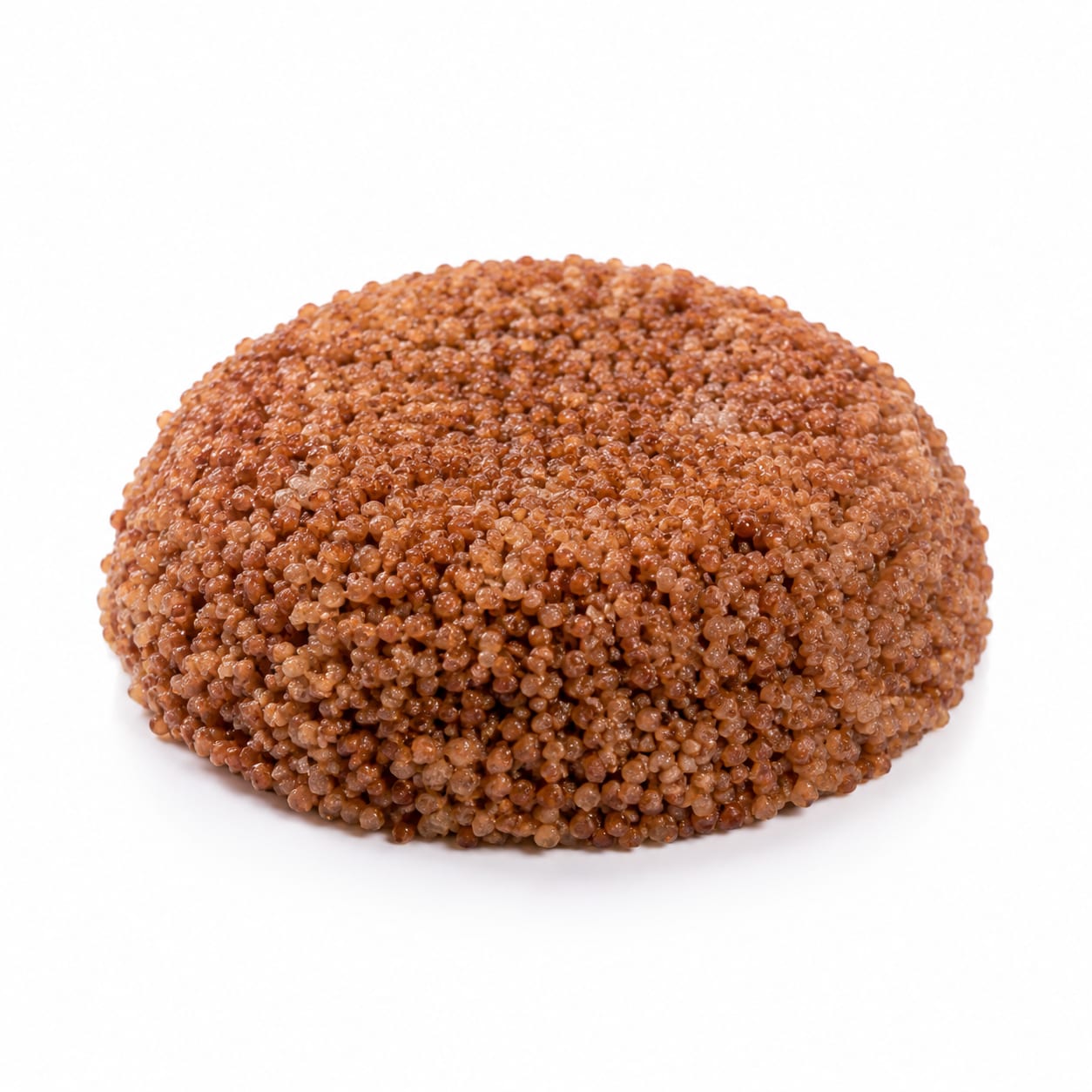
Teff
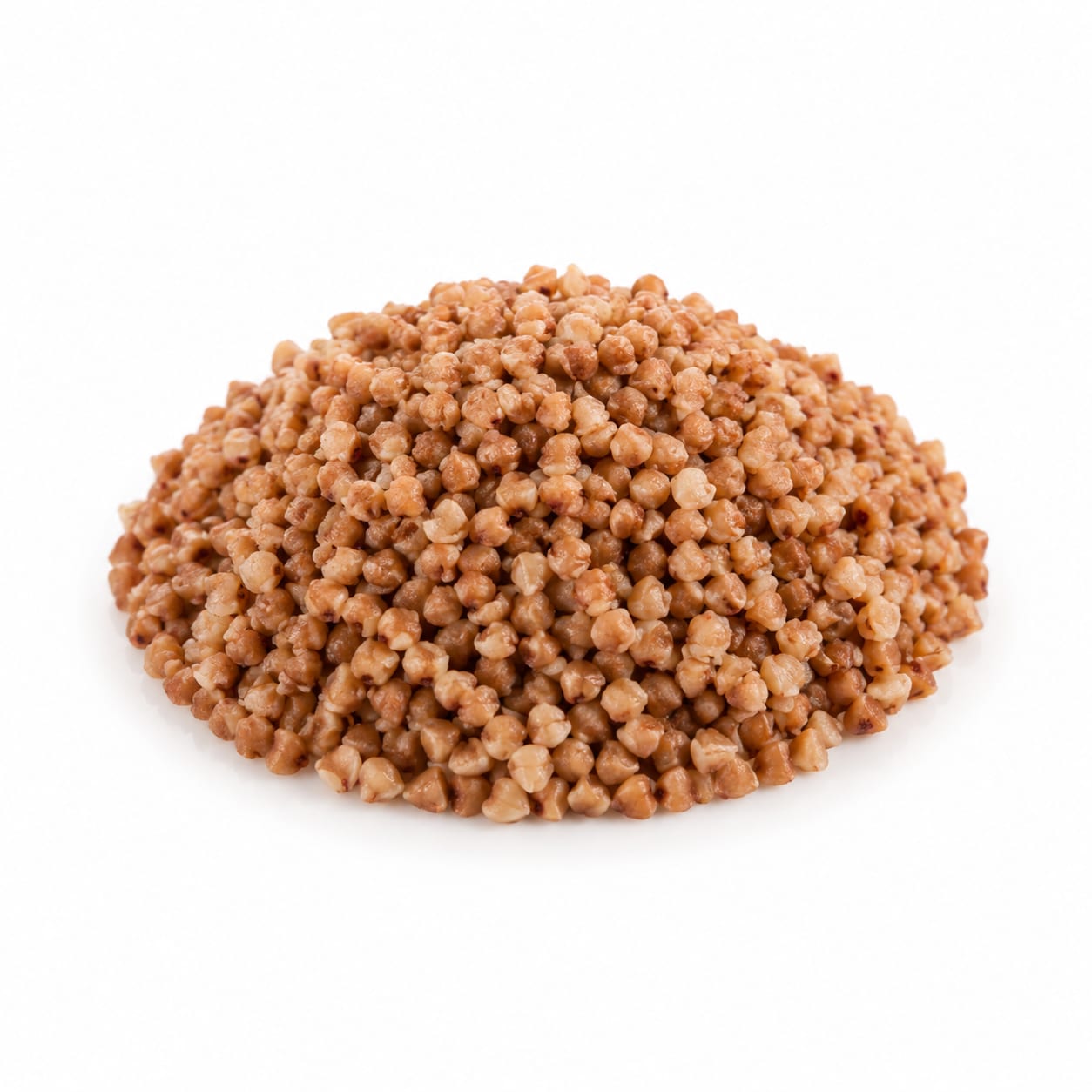
Buckwheat
Teff dominates on minerals and sustained energy, while Buckwheat leads on heart health and accessibility. Choose based on your priority.
Teff edges ahead on mineral density and blood sugar stability, but Buckwheat's cardiovascular benefits, lower cost, and wider availability keep it nearly tied. The near-equal scores reflect that neither is universally superior.
Teff delivers superior iron and calcium but costs more and is harder to find. Buckwheat offers unique cardiovascular benefits and wider availability at a lower price.
At a glance
Executive summary
Overall
It depends
Healthier
It depends
More practical
Buckwheat
Daily use
Buckwheat
Key comparison lenses
gluten-free grain alternative selection
Both are naturally gluten-free pseudocereals commonly compared by people avoiding wheat
blood sugar management
Both have low glycemic indices and are popular among diabetics seeking carb alternatives
mineral density and anemia prevention
Teff is exceptionally high in iron and calcium, making mineral content a key differentiator
heart health and circulation
Buckwheat contains rutin, a unique flavonoid that supports vascular health
practical availability and cooking versatility
Buckwheat is more widely available and familiar in Western cooking
Best choice for
Teff
- Athletes and active individuals needing sustained energy
- People with iron-deficiency anemia
- Those seeking calcium from plant sources
- Endurance performers wanting slow-release carbs
- Pregnant women needing extra iron and calcium
Buckwheat
- People focused on heart and vascular health
- Those with circulation issues or high blood pressure
- Budget-conscious shoppers wanting gluten-free grains
- Home cooks wanting versatile ingredient options
- Anyone managing metabolic syndrome
Least suitable for
Teff
- People on tight grocery budgets
- Those who need ingredients available at regular stores
- Anyone unfamiliar with cooking small grains
Buckwheat
- People with buckwheat allergies (more common than teff allergies)
- Those primarily seeking iron supplementation from food
- Anyone sensitive to high rutin intake
Deep comparison
Dimension by dimension
Each lens scores both foods and breaks down who each option suits.
- Dimension 1 · Priority 90Teff
Mineral Density
Teff · 92Buckwheat · 68Teff is a mineral powerhouse, especially for iron and calcium, far surpassing Buckwheat.
Tradeoff
Teff delivers dramatically more iron and calcium, but Buckwheat provides more magnesium and copper.
Why it matters
Iron deficiency is the world's most common nutrient gap. Teff offers a rare plant-based iron source that actually moves the needle.
Real-world impact
Regular Teff consumption can meaningfully improve energy levels in iron-deficient individuals, while Buckwheat better supports nerve and muscle function through magnesium.
Teff
- Preventing and managing iron-deficiency anemia
- Supporting bone density without dairy
- Pregnant women needing iron and calcium
- Vegans struggling to hit iron targets
Better for
- Meeting magnesium needs without other sources
Worse for
Buckwheat
- Magnesium intake for muscle recovery
- Copper for connective tissue health
- Manganese for bone formation and metabolism
Better for
- Reversing low iron levels through diet alone
- Getting sufficient calcium from a single grain source
Worse for
- Dimension 2 · Priority 88Teff
Blood Sugar Stability
Teff · 86Buckwheat · 80Both are low-glycemic, but Teff's resistant starch content gives it a slight edge for steadier blood sugar.
Tradeoff
Teff provides more resistant starch for slower glucose release, while Buckwheat offers D-chiro-inositol which improves insulin sensitivity through a different mechanism.
Why it matters
Steady blood sugar means fewer energy crashes, less cravings, and better long-term metabolic health.
Real-world impact
A Teff porridge breakfast keeps you fuller longer without the mid-morning slump. Buckwheat still performs well but may not sustain energy quite as long.
Teff
- Sustained energy through long workdays
- Reducing afternoon cravings and snacking
- Diabetics wanting the slowest glucose release
- Endurance athletes needing steady fuel
Better for
- Direct insulin sensitivity improvement
Worse for
Buckwheat
- Improving insulin sensitivity over time
- PCOS management through D-chiro-inositol
- Metabolic syndrome support
Better for
- Maximum satiety between meals
Worse for
- Dimension 3 · Priority 85Buckwheat
Heart and Vascular Health
Teff · 65Buckwheat · 90Buckwheat is clearly superior for cardiovascular protection, primarily due to its exceptional rutin content.
Tradeoff
Buckwheat's rutin strengthens blood vessels and reduces inflammation, while Teff offers more general mineral support without targeted cardiovascular compounds.
Why it matters
Rutin is one of the most evidence-supported flavonoids for vascular health, and Buckwheat is among the richest food sources available.
Real-world impact
Regular Buckwheat consumption can visibly reduce leg swelling in people with poor circulation and support healthier blood pressure over months.
Teff
- General mineral support for heart muscle function
Better for
- Targeted cardiovascular protection
Worse for
Buckwheat
- Strengthening capillary walls
- Reducing vascular inflammation
- Supporting healthy blood pressure
- Improving circulation in extremities
- Lowering LDL cholesterol oxidation
Better for
- None significant for this dimension
Worse for
- Dimension 4 · Priority 78Teff
Protein Quality and Content
Teff · 82Buckwheat · 75Teff has slightly more protein with a well-balanced amino acid profile, making it marginally better for protein needs.
Tradeoff
Teff offers more total protein per serving, but Buckwheat still provides all essential amino acids in respectable amounts.
Why it matters
For plant-based eaters, every gram of quality protein matters, and grain choices add up over the day.
Real-world impact
Teff can contribute meaningfully to daily protein targets, especially in vegan diets where protein sources require more intentionality.
Teff
- Plant-based athletes needing more protein from grains
- Vegans trying to hit higher protein targets
- Growing children needing protein-dense foods
Better for
- Should not be relied on as a primary protein source
Worse for
Buckwheat
- Still adequate for moderate protein needs
- More lysine than most grains, supporting tissue repair
Better for
- Slightly less helpful for hitting high protein goals
Worse for
- Dimension 5 · Priority 82Buckwheat
Practicality and Availability
Teff · 50Buckwheat · 85Buckwheat is far easier to find, cheaper, and more versatile in everyday cooking.
Tradeoff
Teff is often a specialty item requiring online orders or health food stores, while Buckwheat sits on regular grocery shelves at lower prices.
Why it matters
The healthiest grain only works if you can actually buy and cook it regularly without hassle.
Real-world impact
Buckwheat can become a weekly staple without extra effort or expense. Teff requires planning, specialty shopping, and a bigger budget.
Teff
- Unique dishes like injera that Buckwheat cannot replicate
Better for
- Hard to find outside specialty or online stores
- Significantly more expensive per pound
- Limited recipe resources for beginners
- Small grain size requires specific cooking techniques
Worse for
Buckwheat
- Easy availability at most grocery stores
- Lower cost per serving
- Multiple familiar forms: groats, flour, soba noodles
- Simple cooking methods most people already know
- Wider recipe ecosystem and community support
Better for
- None significant for this dimension
Worse for
- Dimension 6 · Priority 76Buckwheat
Antioxidant Profile
Teff · 68Buckwheat · 88Buckwheat offers a more diverse and potent antioxidant profile, with rutin as its standout compound.
Tradeoff
Buckwheat's antioxidants are more researched for specific health outcomes, while Teff's antioxidants are less studied but still present.
Why it matters
Antioxidants reduce cellular damage and inflammation, which underlies nearly every chronic disease.
Real-world impact
Buckwheat eaters get targeted vascular protection and anti-inflammatory benefits that Teff cannot match through its antioxidant content alone.
Teff
- General antioxidant support from phenolic compounds
Better for
- Less research on specific antioxidant benefits
- No standout compound comparable to rutin
Worse for
Buckwheat
- Rutin for vascular-specific antioxidant protection
- Broader range of flavonoids
- More evidence for anti-inflammatory effects
- Better studied for measurable health outcomes
Better for
- None significant for this dimension
Worse for
- Dimension 7 · Priority 72It depends
Digestive Tolerance
Teff · 78Buckwheat · 75Both are gluten-free and well-tolerated, but individual reactions vary. Teff's resistant starch feeds gut bacteria, while Buckwheat's fiber is gentler for some.
Tradeoff
Teff's resistant starch is excellent for gut microbiome health but may cause bloating in sensitive people. Buckwheat fiber is generally easier to digest initially.
Why it matters
A healthy grain that causes discomfort gets abandoned quickly. Tolerance determines long-term adherence.
Real-world impact
Some people feel gassy when first eating Teff regularly due to resistant starch fermenting in the gut. Buckwheat usually causes less initial adjustment.
Teff
- Feeding beneficial gut bacteria long-term
- Producing short-chain fatty acids for colon health
Better for
- Potential bloating when first increasing intake
- Requires gradual introduction for sensitive individuals
Worse for
Buckwheat
- Easier initial digestion for sensitive stomachs
- Less bloating during the adjustment period
Better for
- Less prebiotic benefit for gut microbiome
Worse for
Timeline
Health impact over time
Short-term
Hours to days
Teff
- Sustained energy without blood sugar spikes for hours after eating
- Possible mild bloating if unaccustomed to resistant starch
- Noticeable satiety that reduces between-meal snacking
Buckwheat
- Steady energy with moderate blood sugar stability
- Comfortable digestion for most people
- Mild diuretic effect from rutin that may reduce water retention
Long-term
Months to years
Teff
- Improved iron status reducing fatigue and weakness
- Better calcium intake supporting bone density over decades
- Enhanced gut microbiome diversity from resistant starch
- More stable HbA1c for diabetics consuming it regularly
Buckwheat
- Stronger capillary walls reducing bruising and spider veins
- Lower cardiovascular disease risk from regular rutin intake
- Improved insulin sensitivity benefiting metabolic health
- Reduced chronic inflammation markers over time
Risk profile
Safety & processing
Both Teff and Buckwheat are whole, minimally processed foods when purchased as whole grains or flour. Neither typically contains additives in their basic form. Buckwheat groats and Teff grains are about as natural as grains get.
Teff
Cross-contamination with gluten grains
mediumTeff is often processed in facilities that handle wheat. Certified gluten-free Teff is essential for celiacs.
Phytic acid reducing mineral absorption
lowTeff contains phytic acid that can bind some of its own minerals. Soaking or fermenting improves absorption significantly.
Buckwheat
Buckwheat allergy
mediumBuckwheat allergy is more common than Teff allergy and can cause severe reactions in sensitive individuals, especially in Asia where consumption is higher.
Cross-contamination with gluten grains
mediumLike Teff, Buckwheat is often processed alongside wheat. Certified gluten-free versions are necessary for celiacs.
Fagopyrism in livestock, theoretical human concern
lowBuckwheat contains fagopyrin which causes photosensitivity in animals eating large amounts of green buckwheat. Grain consumption poses negligible risk to humans.
Who wins for whom
Audience fit
Same foods, different winners depending on your goal.
children
BuckwheatBuckwheat is easier to find, cheaper, and available in kid-friendly forms like pancakes and soba noodles. Teff's small grain texture can be unfamiliar and harder to incorporate.
daily consumption
BuckwheatBuckwheat's availability, affordability, and cooking versatility make it more sustainable as a daily staple for most people.
diabetes
It dependsTeff offers slower glucose release for immediate blood sugar control, while Buckwheat's D-chiro-inositol improves insulin sensitivity over time. Both are excellent choices with different mechanisms.
elderly
BuckwheatBuckwheat's cardiovascular benefits, easier digestibility, and rutin content align well with the health priorities of older adults.
muscle gain
TeffTeff provides slightly more protein per serving and better iron availability, both important for muscle function and recovery.
weight loss
TeffTeff's resistant starch and higher protein content create stronger satiety signals, making it easier to eat less overall without feeling deprived.
Your move
Decision guide
Choose Teff
- You have or are at risk for iron-deficiency anemia
- You want maximum mineral density from your grains
- Blood sugar stability is your top priority
- You enjoy exploring traditional Ethiopian cuisine
- You can access and afford specialty grains regularly
Choose Buckwheat
- Heart and vascular health is a primary concern
- You want a gluten-free grain available at regular stores
- Budget matters for your food choices
- You value cooking versatility and familiar recipes
- You want cardiovascular protection from rutin
Either works if
- You need a gluten-free grain alternative
- You want a low-glycemic carb source
- You are looking for complete plant protein from grains
- You want to diversify your whole grain intake
Avoid both if
- You have a confirmed allergy to either grain
- You require a grain-free or strict paleo protocol
- You cannot tolerate resistant starch or high-fiber foods due to digestive conditions
Final recommendation
For most people, Buckwheat is the more practical daily choice due to availability and heart health benefits. However, if you struggle with iron deficiency or want the most mineral-dense grain possible, Teff is worth seeking out. Ideally, rotate both to capture their complementary strengths.
Practical
Consumer tips
- 1
Soak Teff overnight to reduce phytic acid and improve mineral absorption significantly
- 2
Try Buckwheat groats toasted (kasha) for a nuttier flavor or raw for milder dishes
- 3
Start with small portions of Teff if you are new to resistant starch to avoid bloating
- 4
Look for certified gluten-free labels on both grains if you have celiac disease
- 5
Combine Teff flour with Buckwheat flour in pancakes for a mineral-rich, heart-healthy breakfast
- 6
Store both grains in airtight containers in a cool place to prevent rancidity of their natural oils
- 7
Buy Buckwheat in bulk to save money, but purchase Teff in smaller quantities until you know you enjoy it