
Nutrition comparison
Teff vs Wheat Berries: Nutrition, Gluten, and Which Grain Is Better for You
Compare Teff and wheat berries side by side. Discover which grain wins for gluten-free diets, iron intake, protein, satiety, and everyday practicality.
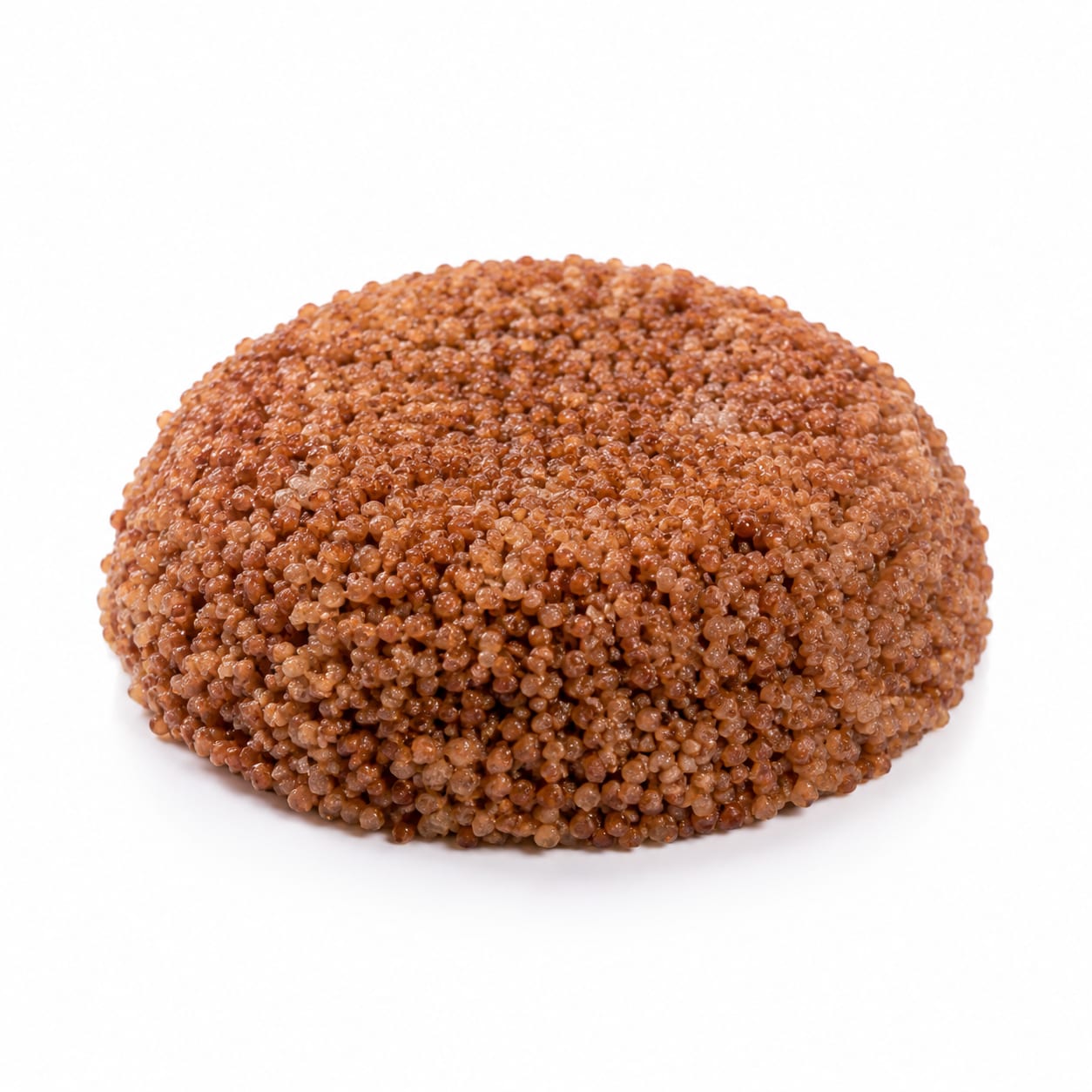
Teff
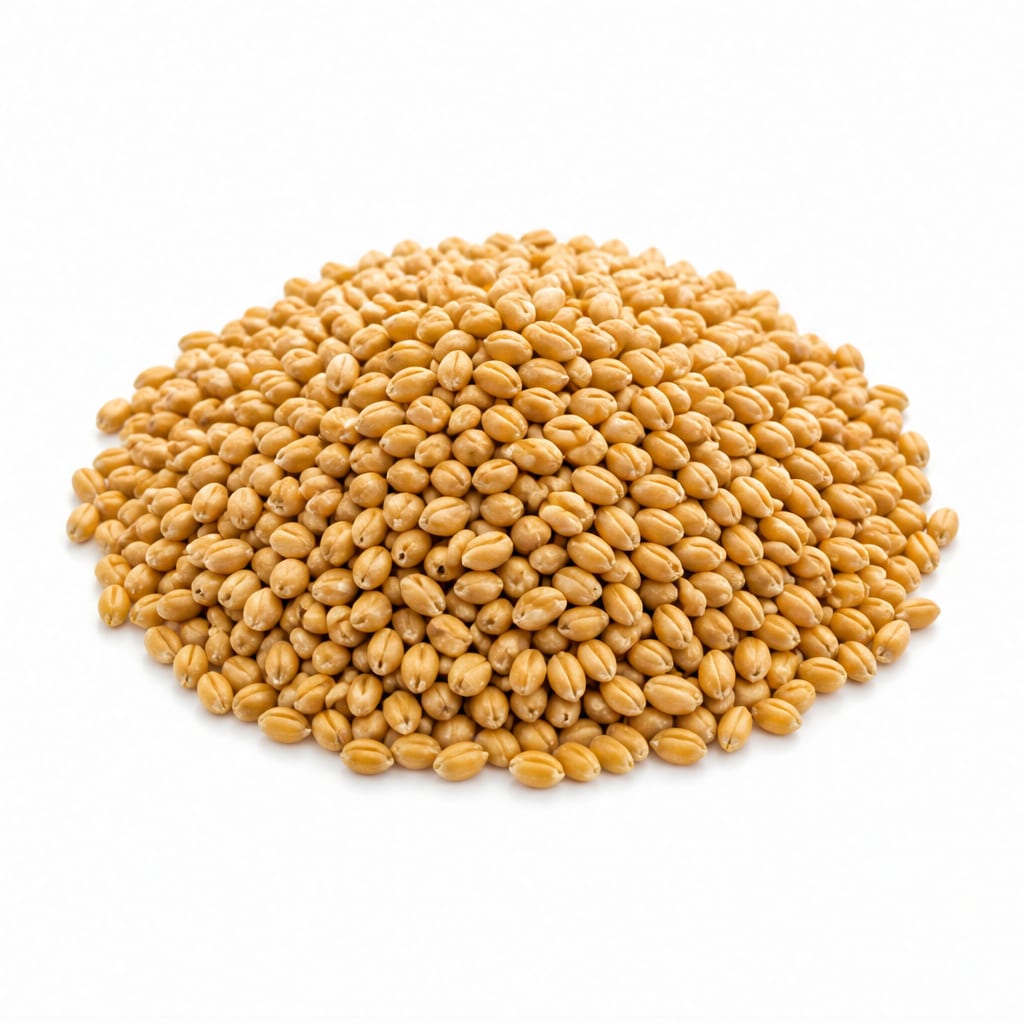
Wheat Berries
Teff wins for gluten-free needs, iron intake, and quick cooking. Wheat berries win for protein, satiety, and budget-friendly meal prep.
Teff edges ahead slightly due to its gluten-free advantage and superior mineral profile, but wheat berries are close behind with better protein, lower cost, and broader availability. The right choice depends almost entirely on whether you need to avoid gluten.
Teff gives you mineral density and gluten-free safety at a higher price. Wheat berries deliver more protein and satisfying chew at a lower cost but contain gluten.
At a glance
Executive summary
Overall
It depends
Healthier
It depends
More practical
Teff
Daily use
Wheat Berries
Key comparison lenses
gluten sensitivity and digestive tolerance
Teff is naturally gluten-free while wheat berries contain gluten — this is the single most decisive difference for many consumers
mineral density and anemia prevention
Teff is remarkably high in iron and calcium compared to most grains, making mineral content a key differentiator
blood sugar stability
Both are whole grains with complex carbs, but their glycemic profiles differ enough to matter for diabetics and energy seekers
cooking convenience and practicality
Teff cooks much faster than wheat berries, which require long soaking and simmering — a real everyday consideration
protein quality and satiety
Wheat berries offer more protein per serving and a chewier bite that keeps you fuller longer
Best choice for
Teff
- People with celiac disease or gluten sensitivity
- Anyone prone to iron deficiency or anemia
- Those wanting a fast-cooking whole grain for busy weeknights
- Calcium-focused eaters who avoid dairy
Wheat Berries
- Meal preppers who cook big batches once a week
- Budget-conscious families needing affordable whole grains
- Athletes and active people seeking higher protein from grains
- Anyone who loves a hearty, chewy grain bowl texture
Least suitable for
Teff
- People on a tight grocery budget
- Those who dislike porridge-like or small-grain textures
- Anyone needing very high protein from grain sources alone
Wheat Berries
- Anyone with celiac disease or gluten intolerance
- People with wheat allergies
- Those wanting a quick-cooking grain on busy nights
Deep comparison
Dimension by dimension
Each lens scores both foods and breaks down who each option suits.
- Dimension 1 · Priority 95Teff
gluten_and_digestive_tolerance
Teff · 95Wheat Berries · 30Teff is naturally gluten-free and well-tolerated by nearly everyone. Wheat berries contain gluten and are unsuitable for anyone with celiac or significant gluten sensitivity.
Tradeoff
Choosing wheat berries means accepting gluten exposure, which is a dealbreaker for a meaningful portion of the population.
Why it matters
Roughly 1-7% of people have gluten-related disorders, and many more report feeling better without gluten. This alone can decide the comparison.
Real-world impact
If gluten causes you bloating, brain fog, or digestive distress, Teff is the clear winner. If you tolerate wheat well, this dimension matters less.
Teff
- Celiac and gluten-sensitive individuals
- People with IBS who suspect gluten triggers
- Anyone exploring elimination diets
Better for
- No significant downside on this dimension
Worse for
Wheat Berries
- Gluten-tolerant people who prefer wheat's familiar taste and texture
Better for
- Celiac disease patients
- Non-celiac gluten sensitive individuals
- People with wheat allergies
Worse for
- Dimension 2 · Priority 88Teff
mineral_density
Teff · 90Wheat Berries · 65Teff is exceptionally rich in iron and calcium, often containing 2-3 times more iron than wheat. Wheat berries provide decent minerals but cannot match Teff's iron and calcium levels.
Tradeoff
Teff's mineral advantage is most valuable for people at risk of anemia or low bone density. For well-nourished eaters, the gap matters less.
Why it matters
Iron deficiency is the most common nutrient deficiency worldwide. A grain that naturally delivers significant iron is a genuine asset.
Real-world impact
Eating Teff regularly can meaningfully contribute to your daily iron intake, especially for women of reproductive age, vegetarians, and children.
Teff
- Women with heavy periods needing more iron
- Vegetarians and vegans seeking plant-based iron
- Older adults concerned about calcium intake
- Growing children who need both iron and calcium
Better for
- Those with hemochromatosis who must limit iron intake
Worse for
Wheat Berries
- People who already eat iron-rich foods and do not need extra mineral support
Better for
- Anyone relying heavily on grains as a primary iron source
Worse for
- Dimension 3 · Priority 80Wheat Berries
protein_and_satiety
Teff · 68Wheat Berries · 82Wheat berries deliver more protein per serving and their firm, chewy texture makes meals more physically satisfying. Teff provides moderate protein but its softer texture is less filling.
Tradeoff
You get more staying power from wheat berries, but you must tolerate gluten to access that benefit.
Why it matters
Higher protein grains help stabilize blood sugar longer and reduce between-meal snacking, which supports weight management.
Real-world impact
A wheat berry bowl at lunch is more likely to keep you full until dinner than a Teff porridge, which may leave you reaching for a snack by mid-afternoon.
Teff
- Light eaters who prefer smaller, less heavy meals
Better for
- Very active people relying on grains for substantial protein
Worse for
Wheat Berries
- Athletes needing more protein from carb sources
- Big eaters who want grains that actually fill them up
- Anyone trying to reduce snacking between meals
Better for
- Those who find heavy meals cause afternoon sluggishness
Worse for
- Dimension 4 · Priority 82It depends
blood_sugar_stability
Teff · 78Wheat Berries · 80Both are whole grains with low-to-moderate glycemic impact. Wheat berries have a slight edge due to their denser, chewier structure which slows digestion more effectively.
Tradeoff
The difference is modest. Both are far better than refined grains for blood sugar. Portion size matters more than which grain you pick.
Why it matters
Steadier blood sugar means fewer energy crashes, less cravings, and better long-term metabolic health.
Real-world impact
Either grain paired with protein and healthy fat creates a blood-sugar-friendly meal. The grain choice alone is not the deciding factor here.
Teff
- Those who eat smaller portions where the glycemic difference is negligible
Better for
- Large portions of Teff porridge eaten alone could spike blood sugar faster than wheat berries
Worse for
Wheat Berries
- Diabetics who want every slight glycemic advantage
- Those who find that chewier grains digest more slowly for them personally
Better for
- No significant downside on this dimension
Worse for
- Dimension 5 · Priority 78Teff
cooking_convenience
Teff · 85Wheat Berries · 45Teff cooks in 15-20 minutes with no soaking required. Wheat berries need 30-60 minutes of simmering after overnight soaking, making them far less convenient for spontaneous meals.
Tradeoff
Teff's quick cooking makes weeknight dinners realistic. Wheat berries reward planning and batch cooking but punish last-minute decisions.
Why it matters
Convenience is one of the strongest predictors of whether people actually eat whole grains regularly or revert to refined options.
Real-world impact
You can decide to make Teff at 6 PM and be eating by 6:20. Wheat berries require thinking ahead the night before.
Teff
- Busy professionals cooking on weeknights
- Anyone who does not meal prep on weekends
- Spontaneous cooks who decide dinner same-day
Better for
- Those who prefer make-ahead grains that hold texture for days
Worse for
Wheat Berries
- Meal preppers who cook large batches once a week
- Slow cooker and pressure cooker enthusiasts
- Anyone who enjoys hands-on cooking as a weekend activity
Better for
- Last-minute weeknight cooks
- Anyone unwilling to plan meals a day ahead
Worse for
- Dimension 6 · Priority 72Wheat Berries
cost_and_accessibility
Teff · 40Wheat Berries · 80Wheat berries are widely available and affordable at most grocery stores. Teff is often a specialty item found at health food stores or online, typically costing 2-3 times more per pound.
Tradeoff
Teff's nutritional advantages come at a real financial premium. For families on a budget, wheat berries deliver strong nutrition at a fraction of the cost.
Why it matters
If a healthy grain is too expensive to eat regularly, its nutritional profile becomes theoretical rather than practical.
Real-world impact
A family of four eating whole grains daily will notice a significant grocery bill difference between Teff and wheat berries over a month.
Teff
- Those with flexible grocery budgets prioritizing specific nutrients
- People who eat smaller portions of grains and need less volume
Better for
- Families struggling with grocery costs
- Anyone without access to specialty or online stores
Worse for
Wheat Berries
- Budget-conscious households
- Anyone buying in bulk for large families
- People who want reliable availability at any standard grocery store
Better for
- No significant downside on this dimension beyond not being gluten-free
Worse for
Timeline
Health impact over time
Short-term
Hours to days
Teff
- Quick-cooking Teff provides fast energy without gluten-related bloating
- The iron content can help energy levels within days for mildly deficient individuals
- Soft texture is gentle on the stomach and easy to digest
Wheat Berries
- Wheat berries provide sustained fullness that reduces between-meal hunger
- The chewy texture slows eating pace, which supports better portion awareness
- Gluten-sensitive individuals may experience bloating or discomfort within hours
Long-term
Months to years
Teff
- Regular iron and calcium intake from Teff supports bone density and reduces anemia risk over years
- Gluten-free nature eliminates chronic low-grade inflammation risk for sensitive individuals
- The resistant starch in Teff supports healthy gut bacteria populations over time
Wheat Berries
- Consistent whole grain consumption from wheat berries is linked to lower cardiovascular disease risk
- The higher protein intake supports muscle maintenance, especially important as you age
- Ferulic acid and other wheat antioxidants provide long-term cellular protection
Risk profile
Safety & processing
Both Teff and wheat berries are whole, intact grains with minimal processing. Neither typically contains additives, preservatives, or artificial ingredients when sold in their basic form. This is a tie — both are as natural as grains get.
Teff
Cross-contamination with gluten
mediumTeff is often processed in facilities that handle wheat. If you have celiac disease, look for certified gluten-free Teff to avoid trace gluten exposure.
Phytic acid reducing mineral absorption
lowLike all whole grains, Teff contains phytic acid which can slightly reduce iron and zinc absorption. Soaking or fermenting (as in injera) mitigates this significantly.
Wheat Berries
Gluten exposure for sensitive individuals
highWheat berries contain gluten and are categorically unsafe for anyone with celiac disease. Even small amounts trigger intestinal damage in celiac patients.
Glyphosate residue
mediumConventional wheat is often sprayed with glyphosate as a pre-harvest desiccant. Choosing organic wheat berries eliminates this concern.
Phytic acid reducing mineral absorption
lowSoaking wheat berries before cooking reduces phytic acid and improves mineral bioavailability, which is standard practice anyway for cooking them.
Who wins for whom
Audience fit
Same foods, different winners depending on your goal.
children
TeffTeff's soft texture is easier for young children to eat, and its iron and calcium content supports growing bodies. The quick cooking time also fits busy family schedules.
daily consumption
Wheat BerriesWheat berries are more affordable, widely available, and provide consistent protein and fiber for daily use — assuming you tolerate gluten well.
diabetes
It dependsBoth are solid low-glycemic whole grain choices. Wheat berries have a slight glycemic edge due to denser structure, but Teff's smaller portions are easier to control. Individual blood sugar response varies.
elderly
TeffTeff is easier to chew and digest, and its iron and calcium content addresses common deficiencies in older adults. The softer texture is safer for those with dental concerns.
muscle gain
Wheat BerriesWheat berries provide more protein per serving, which supports muscle repair and growth when combined with adequate overall protein intake.
weight loss
Wheat BerriesWheat berries' higher protein and chewier texture create stronger satiety signals, making it easier to eat less overall. The longer cooking time also discourages impulsive extra servings.
Your move
Decision guide
Choose Teff
- You are gluten-free by necessity or choice and need a nutrient-dense grain
- You want to boost iron or calcium intake through food rather than supplements
- You cook on weeknights and need a grain ready in under 20 minutes
- You have children or elderly family members who need softer, easier-to-chew grains
Choose Wheat Berries
- You tolerate gluten and want maximum protein and satiety from your grains
- You meal prep on weekends and want grains that hold texture for days
- You are feeding a family on a budget and need affordable whole grains
- You love hearty, chewy grain bowls and do not mind longer cooking times
Either works if
- You simply want a whole grain instead of refined grains and both are available
- You rotate grains for dietary diversity, which is a great strategy anyway
- You pair grains with plenty of vegetables, protein, and healthy fat regardless
Avoid both if
- You are on a strict low-carb or ketogenic diet — both are carb-dense grains
- You have a severe grain allergy that extends beyond gluten or wheat
Final recommendation
Let gluten tolerance be your deciding factor. If you need gluten-free, Teff is an outstanding choice with bonus iron and calcium. If gluten is fine for you, wheat berries offer better protein, satiety, and value for daily eating. The best approach may be keeping both in rotation — Teff for quick meals and mineral boosts, wheat berries for hearty batch-cooked bowls.
Practical
Consumer tips
- 1
If you have celiac disease, always buy certified gluten-free Teff to avoid cross-contamination from shared processing facilities
- 2
Soak wheat berries overnight to cut cooking time in half and improve mineral absorption
- 3
Make Teff porridge with milk or fortified plant milk for an extra calcium and protein boost at breakfast
- 4
Buy wheat berries in bulk from the bulk bin section for the best per-pound price
- 5
Try fermenting Teff batter overnight for injera-style flatbreads — fermentation increases iron availability and adds probiotics
- 6
Choose organic wheat berries to avoid glyphosate residue from conventional pre-harvest spraying
- 7
Cook a large batch of wheat berries on Sunday and refrigerate — they reheat well for up to 5 days