
Nutrition comparison
Teff vs Barley: Which Ancient Grain Is Healthier?
Compare Teff and Barley nutrition, including gluten, fiber, and mineral content. Find out which grain is better for diabetes, weight loss, and gluten-free diets.
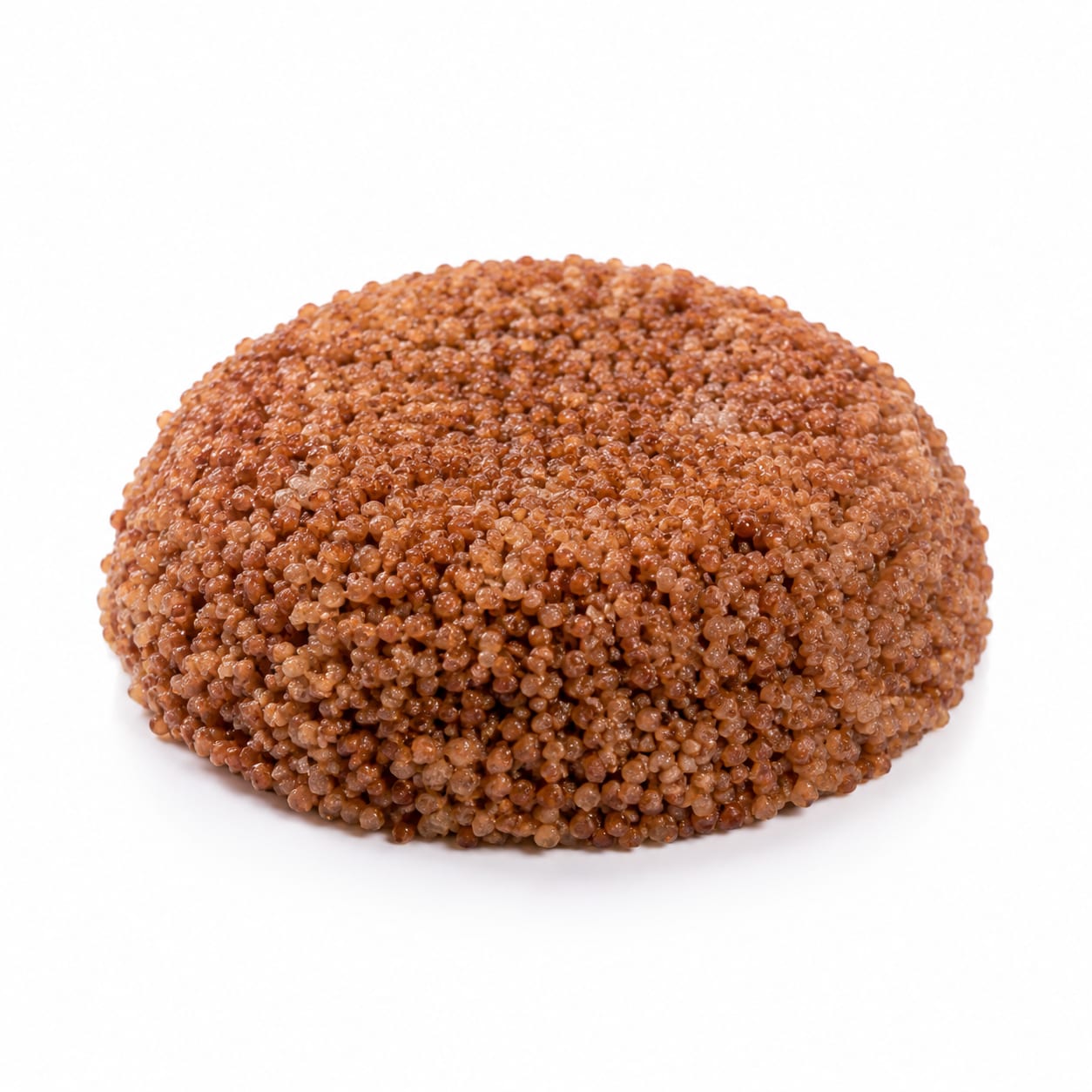
Teff
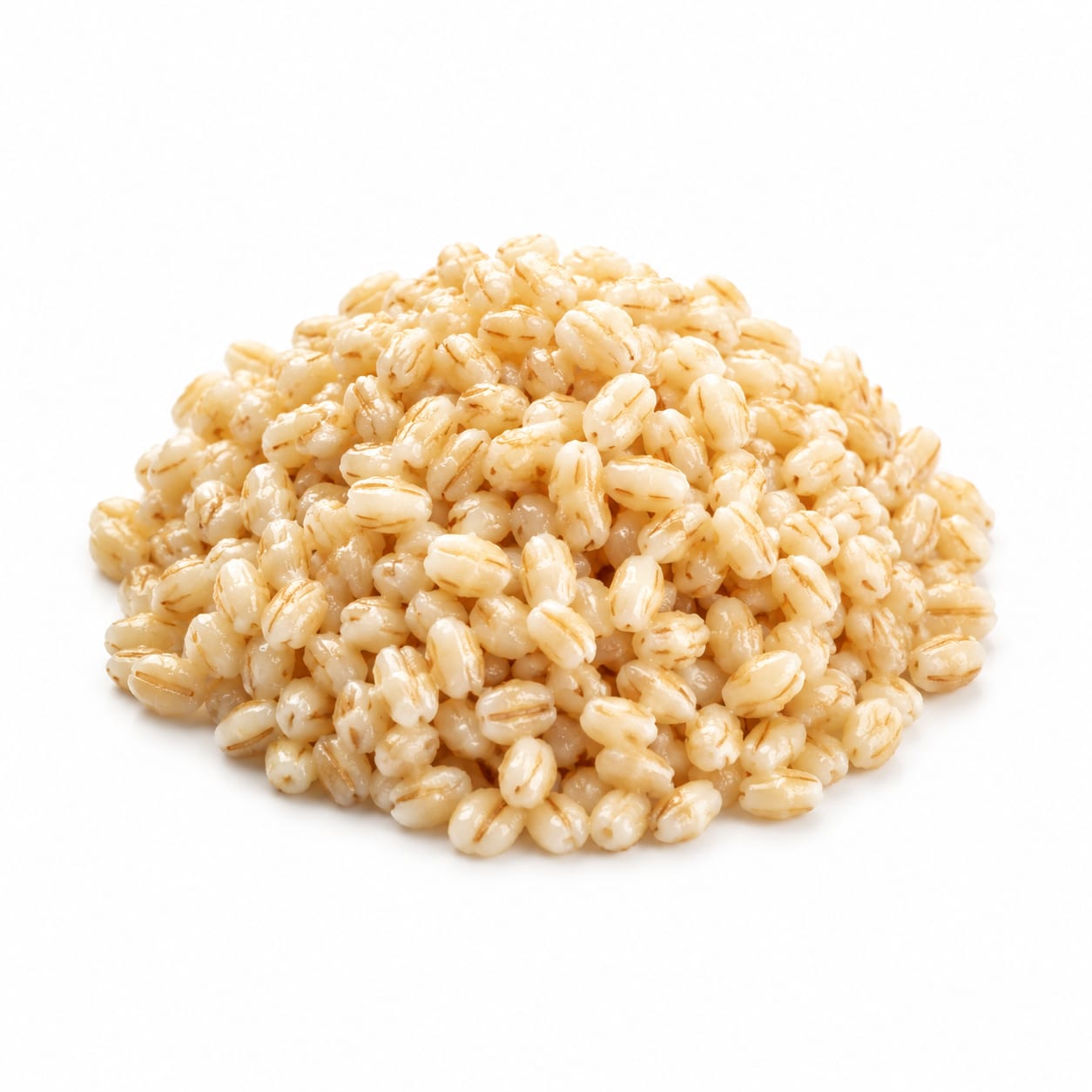
Barley
Teff wins for gluten-free diets and iron intake, while Barley dominates for blood sugar control and heart health.
Barley slightly edges out Teff due to its exceptional beta-glucan content and broader accessibility, but Teff remains a top-tier choice for those avoiding gluten or needing extra iron.
Gluten-free mineral density (Teff) versus cholesterol-lowering soluble fiber (Barley).
At a glance
Executive summary
Overall
It depends
Healthier
It depends
More practical
Barley
Daily use
It depends
Key comparison lenses
Gluten sensitivity and celiac safety
Teff is naturally gluten-free while Barley contains gluten, making this a critical deciding factor for many consumers.
Blood sugar management and heart health
Barley is uniquely rich in beta-glucan fiber, which has clinically proven effects on lowering cholesterol and stabilizing blood sugar.
Mineral density and anemia prevention
Teff is exceptionally high in iron and calcium compared to most grains, making it a standout for specific nutrient needs.
Budget and everyday practicality
Barley is a cheap, accessible staple globally, whereas Teff is often imported and expensive, impacting daily sustainability.
Best choice for
Teff
- Celiacs and gluten-sensitive individuals
- Women needing an iron and calcium boost
- Those seeking a versatile gluten-free flour for baking
Barley
- People managing type 2 diabetes
- Those focused on lowering LDL cholesterol
- Anyone wanting a filling, budget-friendly grain for soups and bowls
Least suitable for
Teff
- People on a tight grocery budget
- Those looking for quick-cooking whole grains
Barley
- Anyone with celiac disease or gluten intolerance
- People who dislike chewy, dense grain textures
Deep comparison
Dimension by dimension
Each lens scores both foods and breaks down who each option suits.
- Dimension 1 · Priority 95Teff
Gluten & Digestive Tolerance
Teff · 100Barley · 20Teff is naturally gluten-free, making it safe for celiacs. Barley contains gluten and must be avoided by those with sensitivities.
Tradeoff
Choosing Teff guarantees a gluten-free meal, while Barley risks triggering inflammation for sensitive individuals.
Why it matters
Gluten intolerance affects a significant portion of the population, making grain selection critical for digestive comfort.
Real-world impact
Eating Barley with celiac disease causes severe bloating and damage, whereas Teff feels soothing and safe on the stomach.
Teff
- Celiacs and gluten-sensitive individuals
- Those with wheat allergies
Better for
- Those looking for a chewy, rice-like grain texture
Worse for
Barley
- People without gluten issues looking for maximum fiber
Better for
- Anyone with celiac disease or gluten intolerance
Worse for
- Dimension 2 · Priority 90Barley
Blood Sugar & Heart Health
Teff · 75Barley · 95Barley is packed with beta-glucan, a soluble fiber that dramatically slows sugar absorption and lowers cholesterol. Teff has a lower glycemic index than many grains but lacks the sheer volume of beta-glucan found in Barley.
Tradeoff
Barley offers superior cardiovascular and diabetic protection, while Teff provides good but less targeted blood sugar support.
Why it matters
Beta-glucan is one of the most researched fibers for heart health, giving Barley a distinct medicinal advantage.
Real-world impact
A bowl of Barley keeps your blood sugar flat for hours, preventing the afternoon energy crash that lesser grains might allow.
Teff
- People wanting a low-glycemic gluten-free grain
Better for
- Those needing the absolute best grain for cholesterol reduction
Worse for
Barley
- Diabetics needing strict blood sugar control
- People trying to lower LDL cholesterol
Better for
- People who experience blood sugar drops from gluten-containing foods
Worse for
- Dimension 3 · Priority 85Teff
Micronutrient Density
Teff · 90Barley · 70Teff is remarkably rich in iron and calcium, two minerals often lacking in grain-based diets. Barley provides decent nutrients but cannot match Teff's mineral profile.
Tradeoff
Teff delivers a major boost for blood and bone health, whereas Barley's strengths lie more in fiber than minerals.
Why it matters
Iron deficiency is the most common nutrient shortfall globally, making Teff a valuable dietary addition.
Real-world impact
Swapping your morning oatmeal for Teff porridge can genuinely help fight fatigue if you are prone to low iron.
Teff
- Vegans and vegetarians needing plant-based iron
- Women looking to boost calcium intake
Better for
- Those who get plenty of iron from red meat and do not need excess
Worse for
Barley
- People focused primarily on B-vitamins
Better for
- Individuals at risk of iron deficiency anemia
Worse for
- Dimension 4 · Priority 75Barley
Practicality & Cost
Teff · 60Barley · 90Barley is inexpensive and widely available. Teff is often imported and carries a premium price tag, making it less practical for everyday bulk eating.
Tradeoff
Barley is a budget-friendly staple, while Teff is more of a specialty purchase that can strain your grocery bill.
Why it matters
Consistency in healthy eating depends on affordability and accessibility.
Real-world impact
You can buy a bag of Barley for pennies per serving at any grocery store, but Teff might require a trip to a specialty shop or a pricier online order.
Teff
- Home bakers wanting a unique gluten-free flour
Better for
- Those who need affordable staple grains
Worse for
Barley
- Families on a budget
- Bulk meal preppers
Better for
- People looking for fast-cooking grains (hulled barley takes a long time)
Worse for
Timeline
Health impact over time
Short-term
Hours to days
Teff
- Provides steady, jitter-free energy without gluten-triggered inflammation
- Can be very filling due to its fine texture absorbing water
Barley
- Highly satiating, keeps hunger at bay for hours
- Prevents post-meal blood sugar spikes effectively
Long-term
Months to years
Teff
- Supports healthy red blood cell production due to high iron
- Maintains bone density better than most grains thanks to calcium
Barley
- Significantly reduces cardiovascular risk by lowering LDL cholesterol
- Improves long-term insulin sensitivity
Risk profile
Safety & processing
Both Teff and Barley are whole grains typically sold in their natural state with minimal processing and no artificial additives.
Teff
Cross-contamination with gluten
mediumTeff is often processed in facilities that handle wheat, so celiacs must verify certified gluten-free labels to avoid accidental exposure.
Barley
Gluten exposure
highBarley contains gluten and will trigger autoimmune responses in people with celiac disease or severe gluten intolerance.
Who wins for whom
Audience fit
Same foods, different winners depending on your goal.
children
TeffTeff's mild flavor and high calcium and iron make it an excellent, allergy-friendly nutrient source for growing kids.
daily consumption
It dependsChoose Teff if you are gluten-free or need an iron boost; choose Barley if you want heart health and blood sugar stability.
diabetes
BarleyBarley's massive soluble fiber content is clinically proven to blunt blood sugar spikes better than almost any other grain.
elderly
BarleyBarley's cholesterol-lowering effects and digestive benefits are highly protective for aging cardiovascular systems.
muscle gain
TeffTeff offers slightly more protein and significantly more iron, which supports oxygen delivery to working muscles.
weight loss
BarleyBarley's beta-glucan fiber creates a viscous gel in the gut, keeping you full far longer than most other grains.
Your move
Decision guide
Choose Teff
- You have celiac disease or gluten sensitivity
- You need to boost your iron or calcium intake
- You want a gluten-free flour alternative for baking
Choose Barley
- You want to lower your cholesterol naturally
- You are managing type 2 diabetes or insulin resistance
- You want a budget-friendly, filling grain for meal prep
Either works if
- You want a satisfying whole grain to replace white rice
- You are looking to increase your daily fiber intake
Avoid both if
- You are on a strict low-carb or ketogenic diet
Final recommendation
Let your primary health goal decide: Teff is your gluten-free mineral powerhouse, while Barley is your heart-healthy fiber champion.
Practical
Consumer tips
- 1
If buying Teff for celiac disease, always look for a certified gluten-free label to avoid cross-contamination.
- 2
Pearl barley has had its bran removed; choose hulled barley for maximum fiber and nutrient retention.
- 3
Teff flour makes excellent pancakes and flatbreads, while whole Teff grains cook into a creamy, polenta-like porridge.