
Nutrition comparison
Teff vs Oats: Nutrition, Health Benefits, and Which is Better
Compare Teff vs Oats to see which grain wins for blood sugar, heart health, and gluten-free diets. Discover the nutritional tradeoffs and best uses.
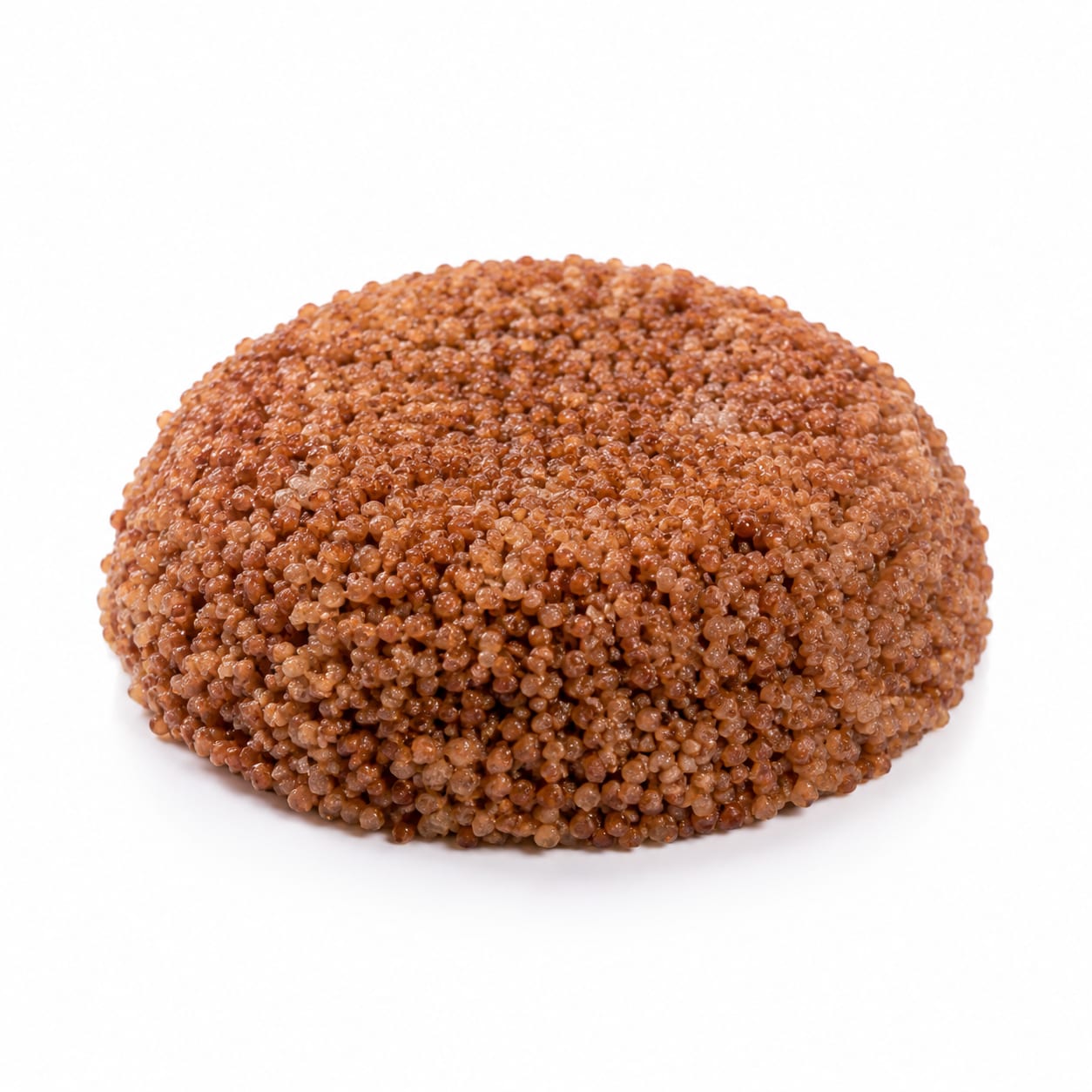
Teff
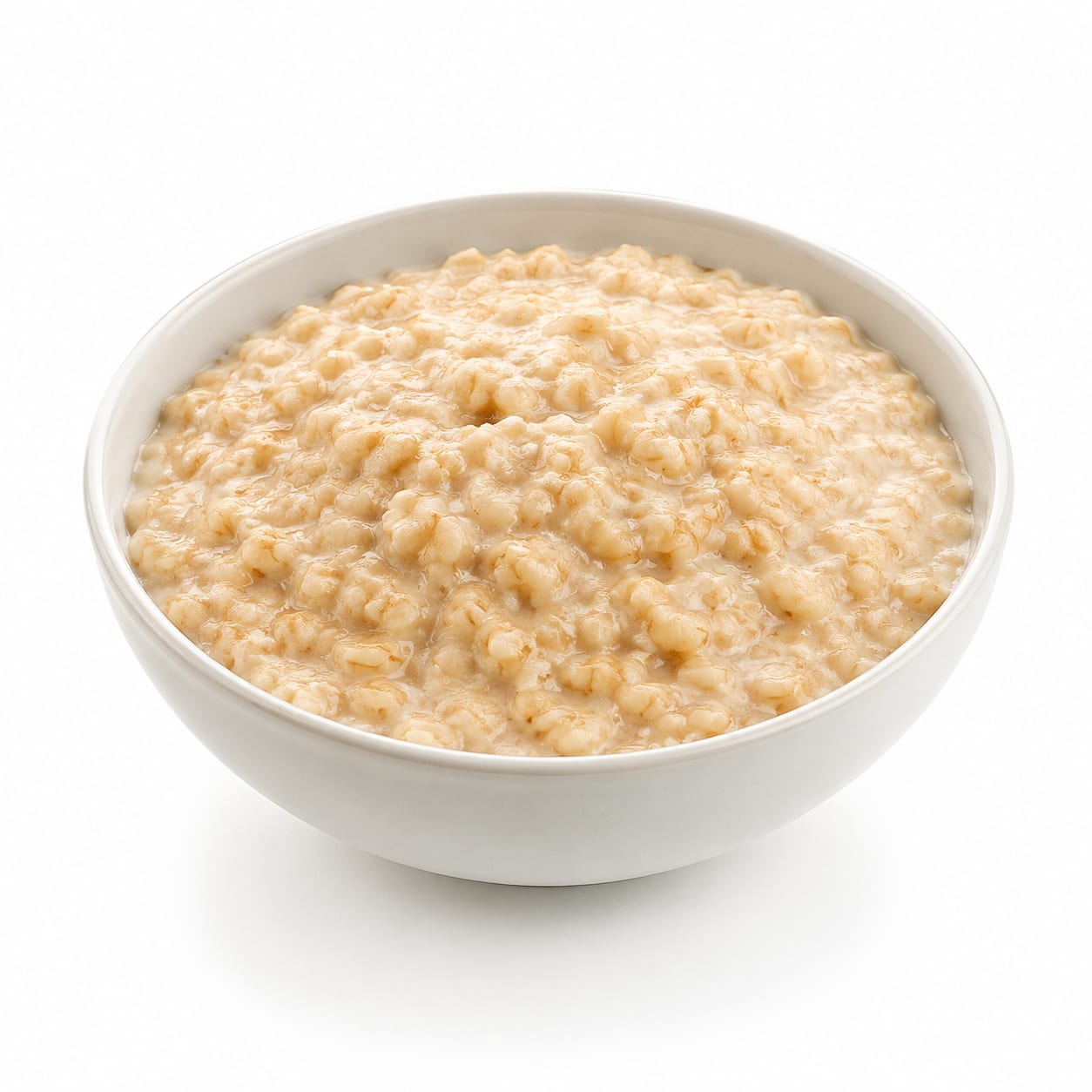
Oats
Teff wins for gluten-free safety and mineral content, while Oats dominate for heart health, cost, and everyday convenience.
Oats score slightly higher due to unmatched heart health benefits and everyday practicality, though Teff is superior for specific needs like gluten avoidance and iron deficiency.
The mineral density and gluten-free benefits of Teff versus the cholesterol-lowering power and affordability of Oats.
At a glance
Executive summary
Overall
It depends
Healthier
It depends
More practical
Oats
Daily use
Oats
Key comparison lenses
Gluten-free suitability and digestive tolerance
Teff is naturally gluten-free while Oats are often cross-contaminated and contain avenin, a major decision factor for those with sensitivities.
Blood sugar management
Both are whole grains, but Teff has a lower glycemic index and more resistant starch, making it highly relevant for diabetics.
Heart health and cholesterol
Oats are uniquely rich in beta-glucan, a soluble fiber clinically proven to lower cholesterol, which Teff lacks.
Mineral density and anemia prevention
Teff is remarkably high in iron and calcium compared to Oats, making it a go-to for those needing a mineral boost.
Everyday practicality and cost
Oats are a cheap, accessible staple, whereas Teff is an expensive specialty grain, heavily impacting long-term sustainability.
Best choice for
Teff
- People with celiac disease or gluten sensitivity
- Women needing an iron boost
- Those looking for steady energy without blood sugar spikes
Oats
- Budget-conscious shoppers
- People focused on lowering cholesterol
- Anyone needing a quick, cheap, and filling breakfast
Least suitable for
Teff
- Families on a tight grocery budget
- People who need a quick instant breakfast
Oats
- People with severe celiac disease or gluten sensitivity
- Those looking for high iron from grains
Deep comparison
Dimension by dimension
Each lens scores both foods and breaks down who each option suits.
- Dimension 1 · Priority 90Teff
Blood Sugar Stability
Teff · 88Oats · 80Teff has a lower glycemic index and more resistant starch than Oats, leading to steadier blood sugar levels.
Tradeoff
Oats still offer good blood sugar support through soluble fiber, but Teff provides a slight edge for avoiding energy crashes.
Why it matters
Preventing blood sugar spikes helps control cravings and sustains focus throughout the morning.
Real-world impact
Eating Teff instead of Oats might mean feeling less hungry before lunch and avoiding the mid-morning energy slump.
Teff
- People with insulin resistance
- Those who experience energy crashes after carbs
Better for
- Those who prefer a very light, quickly digested pre-workout meal
Worse for
Oats
- People who want a familiar, comforting breakfast that still has decent fiber
Better for
- Diabetics looking for the absolute lowest glycemic grain option
Worse for
- Dimension 2 · Priority 95Oats
Heart Health & Cholesterol
Teff · 70Oats · 95Oats are famous for beta-glucan, a soluble fiber clinically proven to lower LDL cholesterol and protect the heart.
Tradeoff
While Teff is heart-healthy due to its fiber and mineral content, it lacks the specific cholesterol-lowering power of Oats.
Why it matters
Heart disease is a leading health risk, and daily beta-glucan intake is one of the most effective dietary defenses.
Real-world impact
A bowl of Oats every morning can actively reduce your cholesterol numbers over time, something Teff cannot match.
Teff
- Those who already have optimal cholesterol but want general cardiovascular support
Better for
- Individuals relying on diet alone to lower high cholesterol
Worse for
Oats
- People with high LDL cholesterol
- Anyone with a family history of heart disease
Better for
- Those who cannot tolerate gluten or avenin
Worse for
- Dimension 3 · Priority 85Teff
Mineral Density
Teff · 92Oats · 65Teff is a mineral powerhouse, providing significantly more iron and calcium than Oats.
Tradeoff
You gain crucial minerals for blood and bone health with Teff, but miss out on the soluble fiber benefits of Oats.
Why it matters
Iron deficiency is common, especially in women, and calcium is vital for long-term bone density.
Real-world impact
Choosing Teff can help fight fatigue associated with low iron and support bone health without needing dairy.
Teff
- Women with low iron
- Vegans needing calcium
- People prone to anemia
Better for
- Those at risk of iron overload
Worse for
Oats
- People who get their minerals from other abundant dietary sources
Better for
- Individuals relying on a single grain for a significant portion of their mineral intake
Worse for
- Dimension 4 · Priority 88Teff
Digestive Tolerance & Gluten
Teff · 95Oats · 60Teff is naturally gluten-free, making it safe for celiacs, whereas Oats contain avenin and are often cross-contaminated with gluten.
Tradeoff
Oats are generally well-tolerated by most, but pose a real risk for the gluten-sensitive, where Teff offers complete peace of mind.
Why it matters
For those with celiac disease or gluten sensitivity, consuming gluten causes inflammation, bloating, and digestive distress.
Real-world impact
Eating Teff guarantees a comfortable, bloat-free morning for gluten-sensitive individuals, while Oats require careful sourcing.
Teff
- People with celiac disease
- Those with non-celiac gluten sensitivity
Better for
- None, unless you simply dislike the taste
Worse for
Oats
- People with no gluten sensitivities who digest Oats perfectly fine
Better for
- Anyone with a confirmed gluten intolerance or wheat allergy
Worse for
- Dimension 5 · Priority 80Oats
Practicality & Cost
Teff · 50Oats · 95Oats are incredibly cheap, widely available, and quick to cook, while Teff is expensive and harder to find.
Tradeoff
You pay a premium for Teff's unique nutritional profile and gluten-free status, whereas Oats are one of the most affordable health foods available.
Why it matters
A healthy food only works if you can afford it and easily incorporate it into your routine.
Real-world impact
You can buy Oats in bulk for pennies per serving at any grocery store; Teff often requires a trip to a specialty store or online ordering.
Teff
- Those willing to spend more for specific health benefits
- People seeking culinary variety
Better for
- Families on a tight food budget
- Those who value convenience above all
Worse for
Oats
- Budget-conscious shoppers
- People who need a quick breakfast in under 5 minutes
Better for
- Those looking for exotic flavors or unique culinary experiences
Worse for
Timeline
Health impact over time
Short-term
Hours to days
Teff
- Steady energy release without a sugar crash
- Gentle on the digestive system for those avoiding gluten
Oats
- High satiety from soluble fiber keeps you full
- May cause bloating if you ramp up fiber intake too quickly
Long-term
Months to years
Teff
- Improved iron levels and bone density from high calcium
- Safe, sustainable staple for celiacs
Oats
- Reduced cardiovascular risk and lower LDL cholesterol
- Improved gut microbiome diversity from beta-glucan
Risk profile
Safety & processing
Both Teff and Oats are whole grains with minimal processing, making them clean, nutrient-dense choices free of artificial additives.
Teff
Mycotoxin contamination
lowLike all grains, Teff can develop mold if stored in humid conditions, but proper storage eliminates this risk.
Oats
Gluten cross-contamination
mediumStandard Oats are frequently processed on equipment shared with wheat, making them unsafe for celiacs unless certified gluten-free.
Who wins for whom
Audience fit
Same foods, different winners depending on your goal.
children
OatsOats are milder, sweeter, and much easier to get kids to eat happily.
daily consumption
OatsOats are far more affordable and accessible for everyday eating.
diabetes
TeffTeff has a lower glycemic index and more resistant starch, preventing sharp blood sugar spikes.
elderly
OatsOats are softer to chew and offer critical heart-health benefits for aging cardiovascular systems.
muscle gain
It dependsTeff offers more iron for oxygen transport to muscles, while Oats provide a cheaper, easily digestible carb source.
weight loss
It dependsTeff's resistant starch helps blood sugar while Oats' beta-glucan keeps you full longer; both are excellent choices.
Your move
Decision guide
Choose Teff
- You have celiac disease or gluten sensitivity
- You need a dietary iron boost
- You want a lower glycemic grain for blood sugar control
Choose Oats
- You want to lower your cholesterol
- You are on a tight grocery budget
- You need a quick and convenient breakfast
Either works if
- You want a high-fiber whole grain breakfast
- You are looking for complex carbs to fuel a workout
Avoid both if
- You are on a strict ketogenic or very low-carb diet
- You have severe grain intolerances beyond gluten
Final recommendation
Choose Oats for everyday heart health, budget, and convenience, but switch to Teff if you are gluten-sensitive, anemic, or looking for steadier energy without the spikes.
Practical
Consumer tips
- 1
Always buy certified gluten-free Oats if you have celiac disease, as standard Oats are often cross-contaminated with wheat.
- 2
Use Teff flour to make delicious gluten-free pancakes or flatbreads.
- 3
Soaking Oats overnight improves digestibility and reduces phytic acid.
- 4
Mix a spoonful of Teff into your Oatmeal to get the mineral benefits of Teff with the creamy texture of Oats.