
Nutrition comparison
Teff vs White Rice: Which Grain is Better for Energy and Health?
Compare teff and white rice on nutrition, blood sugar impact, and digestion. Find out which grain offers better long-term health benefits and steady energy.
Overall winner · Teff
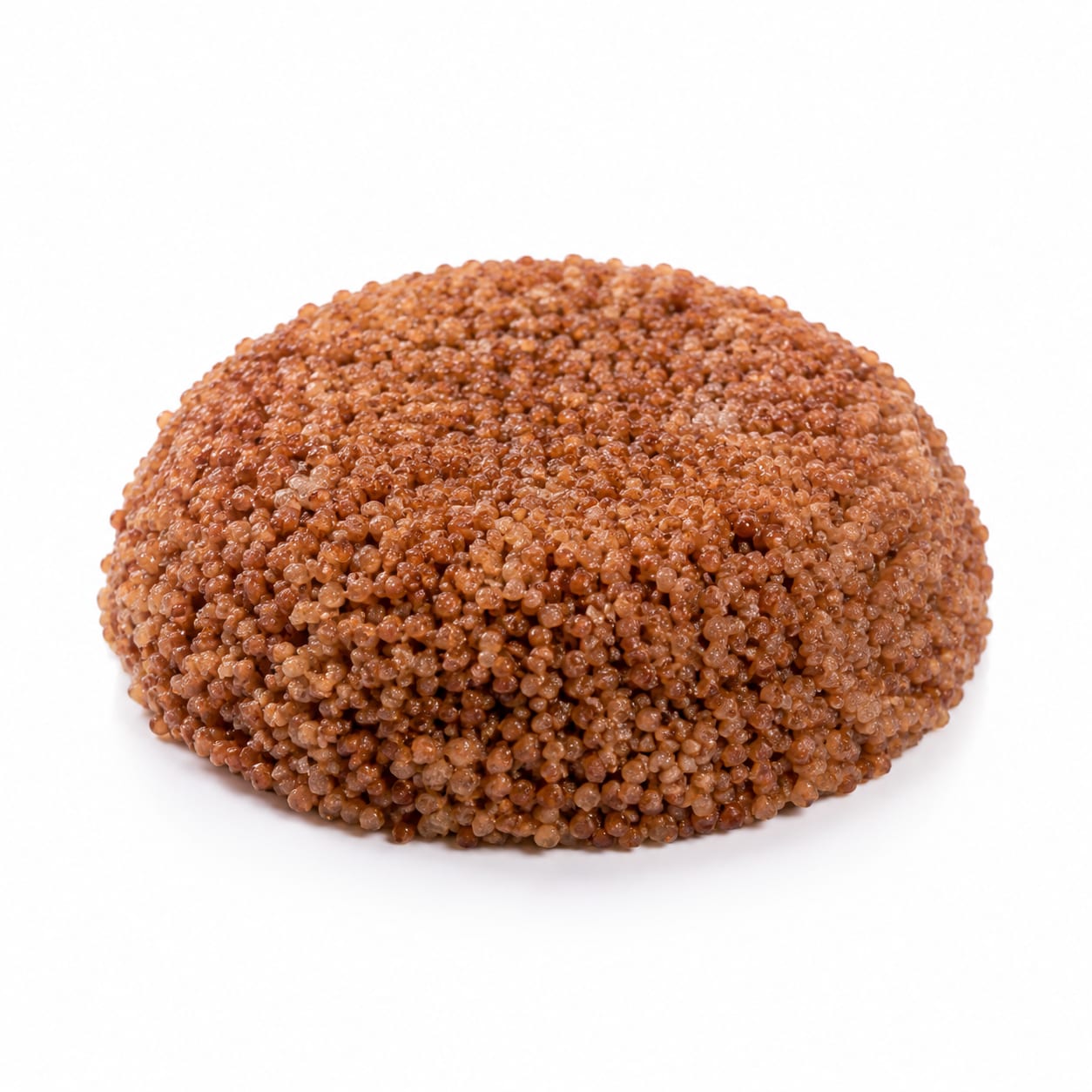
Teff
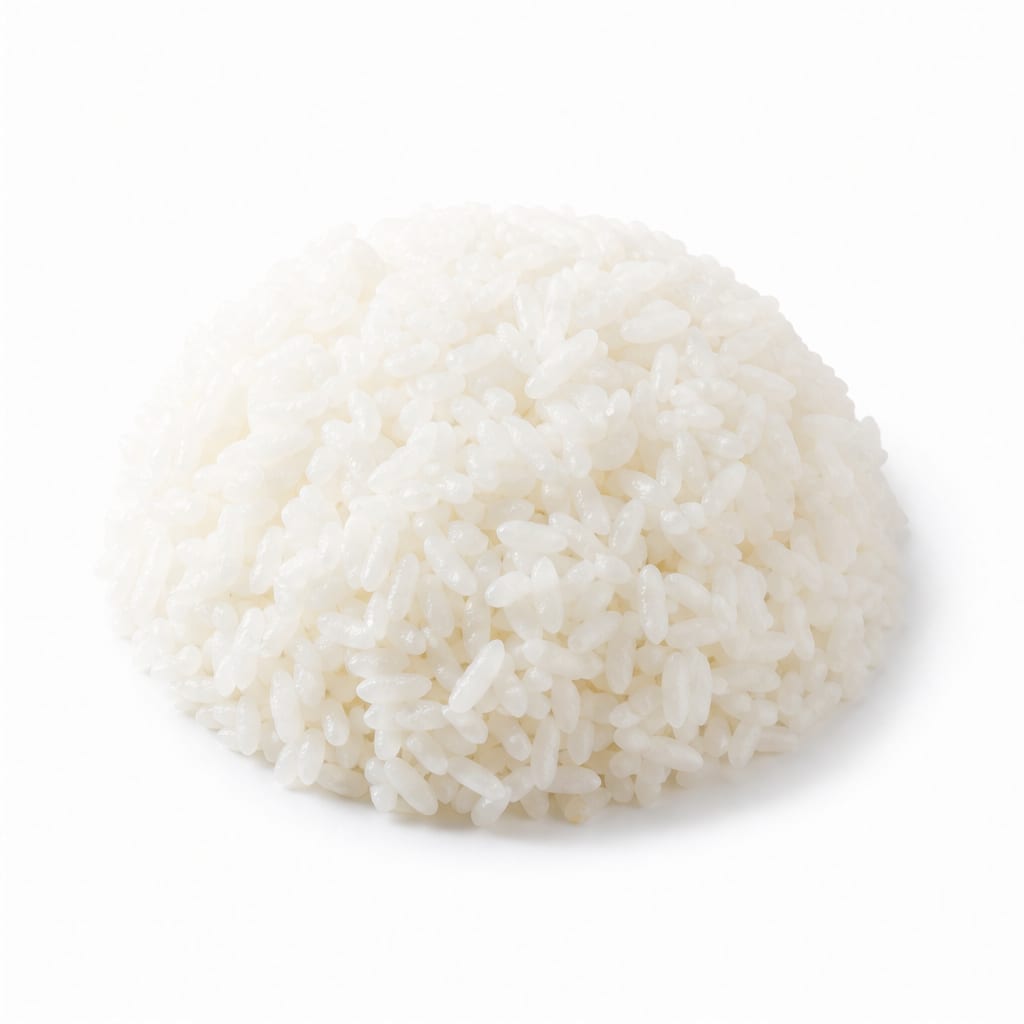
White Rice
Teff dominates for nutrition and steady energy, but white rice wins on convenience and gentle digestion.
Teff scores significantly higher due to its superior micronutrient profile, high fiber, and blood sugar stability. White rice falls behind nutritionally but remains relevant for specific digestive and convenience needs.
You trade quick cooking and stomach-soothing simplicity for deeper nutrition and blood sugar stability.
At a glance
Executive summary
Overall
Teff
Healthier
Teff
More practical
White Rice
Daily use
Teff
Key comparison lenses
Blood sugar management and glycemic impact
White rice causes rapid blood sugar spikes, while teff provides slow-releasing, steady energy due to its whole grain fiber.
Nutrient density and mineral intake
Teff is remarkably rich in iron and calcium for a grain, whereas white rice is stripped of most micronutrients during milling.
Digestive comfort and tolerance
White rice is a go-to for sensitive stomachs, while teff's high fiber can be heavy if your gut isn't used to it.
Convenience and everyday practicality
White rice is universally available, cheap, and fast to cook; teff requires more sourcing effort and slightly more prep.
Best choice for
Teff
- People managing diabetes or insulin resistance
- Anyone needing an iron or calcium boost
- Those seeking long-lasting satiety between meals
- Gluten-free eaters looking for whole grain benefits
White Rice
- Post-workout carb loading for rapid glycogen refill
- Recovering from stomach illness or digestive flare-ups
- Budget-conscious households needing cheap calories
- Busy weeknights requiring a 15-minute meal base
Least suitable for
Teff
- Those severely constipated who need low-fiber foods temporarily
- People completely new to cooking whole grains who might find the texture unfamiliar
White Rice
- People trying to reverse metabolic syndrome or prediabetes
- Those who get hungry again an hour after eating carbs
Deep comparison
Dimension by dimension
Each lens scores both foods and breaks down who each option suits.
- Dimension 1 · Priority 95Teff
Blood Sugar Stability
Teff · 88White Rice · 25Teff provides slow, steady energy; white rice causes rapid spikes and crashes.
Tradeoff
White rice gives you a quick energy surge, but you will likely feel sluggish an hour later. Teff keeps energy flat and stable but won't give you that immediate carb rush.
Why it matters
Frequent blood sugar spikes from white rice drive cravings, fatigue, and long-term insulin resistance.
Real-world impact
Eating teff at lunch means avoiding the 3 PM afternoon energy crash that often follows a white rice meal.
Teff
- Sustained focus through the workday
- Preventing afternoon cravings
- Managing prediabetes
Better for
- Moments when you need immediate, fast-acting energy
Worse for
White Rice
- Quick fuel right before or after intense exercise
Better for
- Sitting at a desk all day
- Late-night eating that might disrupt sleep hormones
Worse for
- Dimension 2 · Priority 90Teff
Nutrient Density
Teff · 95White Rice · 20Teff is a nutritional powerhouse packed with iron, calcium, and protein; white rice is mostly empty starch.
Tradeoff
You get far more vitamins and minerals per calorie with teff, but white rice is often enriched with synthetic folic acid and iron, which can sometimes be absorbed differently.
Why it matters
Eating nutrient-dense carbs means your body gets the cofactors it needs to actually process that energy effectively.
Real-world impact
Choosing teff helps you meet your daily iron needs naturally, which is especially crucial for women prone to fatigue.
Teff
- Preventing anemia and low energy
- Supporting bone health with natural calcium
- Getting more protein from carb sources
Better for
- Those who need strictly controlled iron intake due to hemochromatosis
Worse for
White Rice
- Folate needs if relying on enriched rice
Better for
- Anyone eating a mostly refined diet lacking in whole-food minerals
Worse for
- Dimension 3 · Priority 75White Rice
Digestive Comfort
Teff · 60White Rice · 90White rice is famously easy on the stomach; teff's high fiber requires a healthy, adaptable gut.
Tradeoff
White rice is soothing when your digestive system is upset, but its lack of fiber harms your gut microbiome long-term. Teff feeds good gut bacteria but can cause bloating if you aren't used to it.
Why it matters
Short-term gut comfort is different from long-term gut health. White rice solves the first, teff solves the second.
Real-world impact
If you are recovering from a stomach bug, white rice is a safe haven. If you want to stay regular daily, teff is the better choice.
Teff
- Long-term gut microbiome health
- Preventing constipation
Better for
- During an active IBS flare-up
- When transitioning too quickly from a low-fiber diet
Worse for
White Rice
- Soothing an active stomach upset
- Easing back into eating after illness
Better for
- Chronic constipation
- Long-term microbiome diversity
Worse for
- Dimension 4 · Priority 70White Rice
Convenience and Practicality
Teff · 55White Rice · 95White rice is cheap, ubiquitous, and cooks quickly; teff is pricier, harder to find, and takes more effort.
Tradeoff
White rice fits seamlessly into any budget and schedule, while teff requires seeking out health food stores or online shopping and costs noticeably more per serving.
Why it matters
The healthiest food only works if you can actually access and afford to eat it regularly.
Real-world impact
You can grab a bowl of white rice at almost any restaurant or takeout spot, whereas finding teff usually means cooking at home.
Teff
- Meal prep when you have time to batch-cook grains
Better for
- Food deserts or areas with limited specialty grocery access
Worse for
White Rice
- Tight grocery budgets
- 15-minute weeknight dinners
- Eating out or traveling
Better for
- Those willing to invest more in nutrient density
Worse for
Timeline
Health impact over time
Short-term
Hours to days
Teff
- Steady, prolonged energy without a crash
- Feeling full and satisfied for hours
- Potential mild bloating if your body is adjusting to higher fiber
White Rice
- Quick burst of energy that fades fast
- Feeling hungry again within an hour or two
- Immediate digestive relief if dealing with an upset stomach
Long-term
Months to years
Teff
- Better blood sugar regulation and lower diabetes risk
- Improved gut health and regularity from fiber
- Stronger bones and better iron status from natural minerals
White Rice
- Increased risk of type 2 diabetes with frequent consumption
- Potential for chronic constipation from lack of fiber
- Possible mineral deficiencies if relying on it as a primary carb without varied diet
Risk profile
Safety & processing
Teff is a whole grain eaten in its natural state with only the hull removed. White rice is milled and polished, stripping away the bran and germ, which removes most of the fiber and nutrients.
Teff
Contamination with other grains
lowIf strictly gluten-free, ensure teff is certified, as cross-contamination can occur in processing facilities.
White Rice
Arsenic exposure
mediumWhite rice, particularly grown in certain regions, can accumulate inorganic arsenic, which is a concern for long-term health and especially risky for children.
Who wins for whom
Audience fit
Same foods, different winners depending on your goal.
children
TeffTeff offers growing bodies essential iron, calcium, and protein, while avoiding the arsenic exposure risks associated with white rice.
daily consumption
TeffTeff provides a far stronger nutritional foundation for daily eating without the metabolic downsides of refined grains.
diabetes
TeffTeff's low glycemic index and high fiber prevent dangerous blood sugar spikes, making it far safer for insulin management.
elderly
It dependsTeff is better for maintaining bone density and preventing constipation, but white rice is easier to chew and digest if appetite or digestion is very weak.
muscle gain
It dependsWhite rice is excellent for quick post-workout carb loading, but teff provides more overall protein and minerals for sustained muscle recovery.
weight loss
TeffTeff's high fiber and protein content keep you full much longer, naturally reducing overall calorie intake.
Your move
Decision guide
Choose Teff
- You want steady energy without the afternoon crash
- You need to boost your iron or calcium intake naturally
- You are managing blood sugar issues or trying to prevent them
- You want a whole grain that keeps you full for hours
Choose White Rice
- You are recovering from a stomach bug and need gentle food
- You need cheap, fast calories after an intense workout
- You are cooking on a very tight budget
- You only have 15 minutes to get dinner on the table
Either works if
- You are mixing grains into a bowl with plenty of vegetables and protein
- You want variety in your weekly carb rotation
Avoid both if
- You are strictly keto or following a very low-carb diet
- You have severe grain allergies or sensitivities
Final recommendation
Make teff your default grain for daily meals to lock in the nutritional benefits and blood sugar stability. Keep white rice as an occasional tool for post-workout recovery or when your stomach needs a break. The long-term health tradeoffs heavily favor teff.
Practical
Consumer tips
- 1
Swap white rice for teff in porridge, pilafs, or as a base for grain bowls to easily upgrade your meal's nutrition.
- 2
If you find teff too heavy or filling at first, mix it half-and-half with white rice while your digestive system adapts to the extra fiber.
- 3
To reduce arsenic in white rice, wash it thoroughly before cooking and cook it in excess water like pasta, then drain.
- 4
Look for whole grain teff flour to boost the nutrition of your baking, replacing up to a quarter of your regular flour.