
Nutrition comparison
Teff vs Sorghum: Which Ancient Grain Is Better for You?
Compare teff and sorghum nutrition, protein quality, iron content, and practicality. Find out which gluten-free ancient grain fits your health goals and budget.
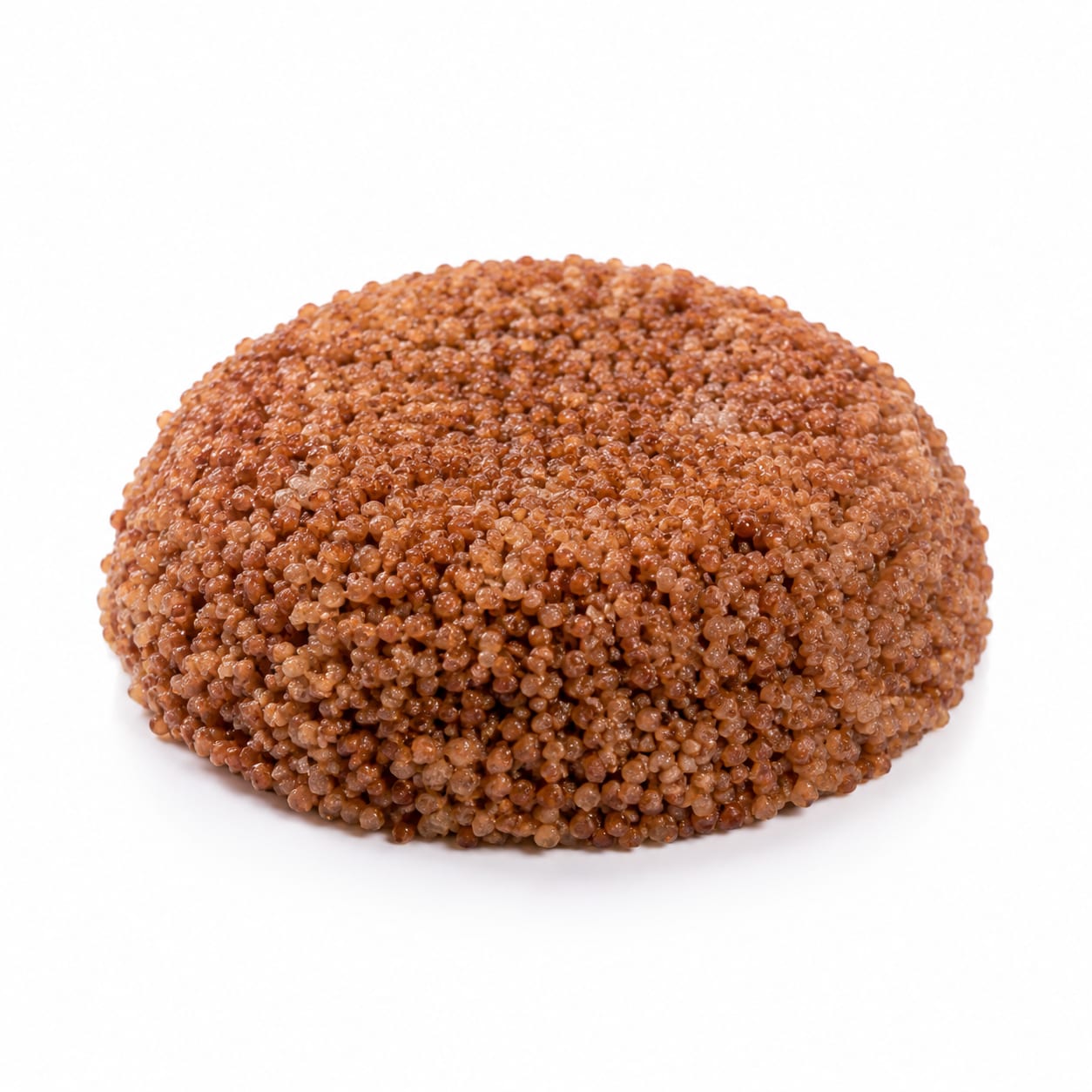
Teff
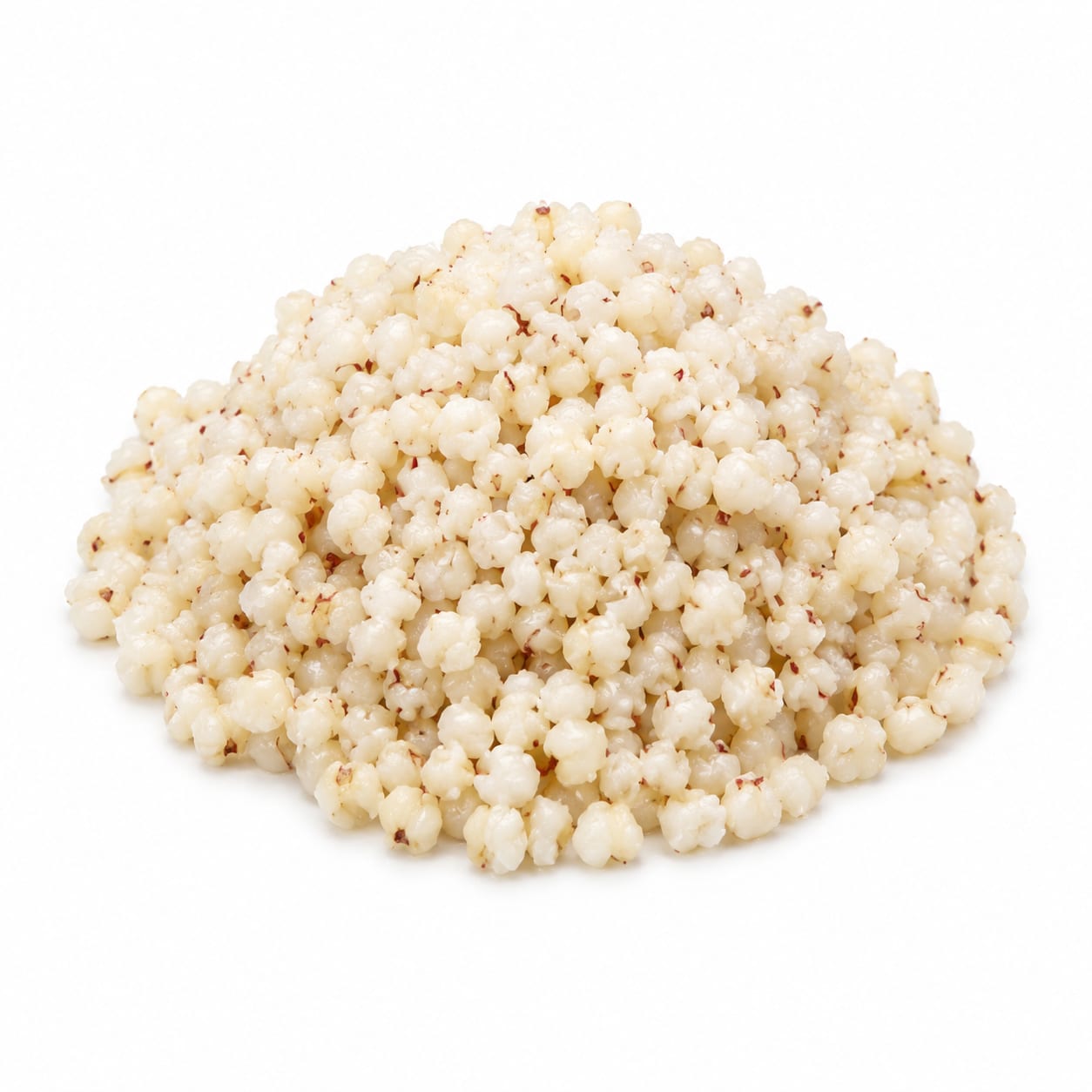
Sorghum
Teff wins on mineral density and protein quality, while sorghum wins on availability, affordability, and antioxidant power. Choose based on what your diet needs most.
Teff edges ahead nutritionally with superior iron, calcium, and complete protein, but sorghum's accessibility, affordability, and antioxidant content keep it nearly tied. The close scores reflect that both are excellent choices with different strengths.
Teff delivers superior iron and calcium but costs more and is harder to find. Sorghum is more practical daily with stronger antioxidants but less mineral punch per serving.
At a glance
Executive summary
Overall
It depends
Healthier
Teff
More practical
Sorghum
Daily use
Sorghum
Key comparison lenses
ancient grain nutritional density comparison
Both are nutrient-dense ancient grains, so users want to know which delivers more nutrition per serving
gluten-free grain selection
Both are naturally gluten-free, making them direct competitors for celiac and gluten-sensitive users
blood sugar management
Ancient grain users often care about glycemic impact and sustained energy
practicality and accessibility
Teff is harder to find and more expensive, while sorghum is widely available
cooking versatility
Users want to know which grain fits more recipes and meal prep routines
Best choice for
Teff
- Anyone low in iron or calcium
- Gluten-free bakers making injera or flatbreads
- Endurance athletes needing sustained mineral intake
- Vegans and vegetarians seeking complete protein from grains
- People with anemia concerns
Sorghum
- Budget-conscious shoppers wanting an ancient grain
- Home cooks wanting one grain for multiple recipes
- People seeking antioxidant-rich whole grains
- Families needing affordable gluten-free staples
- Meal preppers who value shelf stability and versatility
Least suitable for
Teff
- Those on tight grocery budgets
- People without access to specialty stores
- Anyone wanting a grain they can pop or use like rice easily
- Consumers who dislike earthy, dense flavors
Sorghum
- Those specifically needing high iron intake from food
- People wanting a complete protein grain source
- Bakers focused on traditional injera or specific Ethiopian dishes
- Anyone sensitive to tannins in darker sorghum varieties
Deep comparison
Dimension by dimension
Each lens scores both foods and breaks down who each option suits.
- Dimension 1 · Priority 95Teff
mineral density
Teff · 92Sorghum · 65Teff is a mineral powerhouse, delivering significantly more iron and calcium than sorghum per serving.
Tradeoff
You get more minerals from teff, but you will pay more and search harder to find it.
Why it matters
Iron deficiency is the world's most common nutrient gap. Teff's iron content makes it genuinely therapeutic for anyone at risk.
Real-world impact
Eating teff regularly can meaningfully move the needle on iron intake, especially for menstruating women and vegans. Sorghum helps but won't move the needle as much.
Teff
- Anemia prevention
- Bone health support
- Pregnancy mineral needs
- Vegan iron intake
Better for
- Situations where cost prevents consistent consumption
Worse for
Sorghum
- General mineral maintenance when budget matters
- Everyday nutrition without specialty shopping
Better for
- Anyone already struggling with low iron or calcium
Worse for
- Dimension 2 · Priority 88Teff
protein quality
Teff · 85Sorghum · 70Teff contains all essential amino acids, making it a rare complete protein among grains. Sorghum is good but incomplete.
Tradeoff
Teff's complete protein profile matters more for plant-based eaters. Sorghum still provides solid protein but needs pairing with legumes for balance.
Why it matters
Complete proteins are uncommon in grains. This makes teff especially valuable for anyone reducing animal products.
Real-world impact
A teff bowl gives you balanced amino acids without needing to think about food combining. With sorghum, pair it with beans or lentils for the same effect.
Teff
- Vegan and vegetarian diets
- Single-grain meals without protein pairing
- Athletic recovery meals
Better for
- High cost limits how often you can rely on it as a protein source
Worse for
Sorghum
- Meals already including legumes or dairy
- Diets with ample protein from other sources
Better for
- Plant-based eaters who forget to combine with complementary proteins
Worse for
- Dimension 3 · Priority 82Sorghum
antioxidant content
Teff · 68Sorghum · 88Sorghum, especially darker varieties, is loaded with antioxidants like tannins and phenolic compounds that teff cannot match.
Tradeoff
Sorghum's antioxidants support long-term disease prevention, but its tannins can slightly reduce mineral absorption.
Why it matters
Antioxidants from whole grains correlate with lower rates of chronic disease. This is sorghum's standout advantage.
Real-world impact
Regular sorghum consumption contributes to cellular defense over decades. The benefit is cumulative and subtle, not something you feel immediately.
Teff
- Short-term mineral replenishment priorities
Better for
- Those prioritizing antioxidant diversity in their diet
Worse for
Sorghum
- Long-term disease risk reduction
- Anti-inflammatory eating patterns
- Aging and cellular health concerns
- Colon health support
Better for
- Situations where tannin interference with iron absorption is problematic
Worse for
- Dimension 4 · Priority 85It depends
blood sugar stability
Teff · 80Sorghum · 80Both grains have moderate glycemic loads and provide steady energy. They perform similarly here with slight preparation-based differences.
Tradeoff
Teff's resistant starch helps blood sugar, while sorghum's fiber and tannins slow digestion similarly. Neither spikes glucose like refined grains.
Why it matters
Steady blood sugar means fewer afternoon crashes and better hunger control throughout the day.
Real-world impact
Either grain keeps you fuller longer than rice or wheat. You will not notice a meaningful difference between them for energy stability.
Teff
- Smaller, more frequent meals where resistant starch shines
Better for
- Overcooking can reduce resistant starch benefits
Worse for
Sorghum
- Larger meals where tannins slow digestion effectively
Better for
- Refined sorghum flour loses the blood sugar advantage
Worse for
- Dimension 5 · Priority 78Sorghum
availability and cost
Teff · 40Sorghum · 90Sorghum is widely available, affordable, and shelf-stable. Teff is a specialty item with premium pricing and limited availability.
Tradeoff
You can find sorghum in most grocery stores at a reasonable price. Teff often requires specialty shops or online ordering at double the cost.
Why it matters
The healthiest grain only matters if you can actually buy and eat it consistently.
Real-world impact
Sorghum fits into a weekly grocery run easily. Teff requires planning and budget allocation, which makes consistent use harder.
Teff
- Specialty cooking projects where cost is secondary
Better for
- Anyone who needs to stick to a grocery budget
- Last-minute meal planning
Worse for
Sorghum
- Weekly meal prep on a budget
- Families needing affordable staples
- Rural areas with limited specialty store access
- Bulk buying and long-term storage
Better for
- None significant for this dimension
Worse for
- Dimension 6 · Priority 75Sorghum
cooking versatility
Teff · 60Sorghum · 85Sorghum can be boiled, popped, ground into flour, or used whole. Teff is more limited, primarily used as porridge or flour for flatbreads.
Tradeoff
Sorghum adapts to more dishes and cooking methods, while teff excels in specific traditional preparations but feels one-note elsewhere.
Why it matters
A versatile grain reduces kitchen boredom and increases the chance you will actually eat it regularly.
Real-world impact
You can pop sorghum like popcorn for snacks, cook it like risotto, or bake with its flour. Teff works beautifully for injera and porridge but feels awkward in other roles.
Teff
- Traditional Ethiopian and Eritrean dishes
- Warm breakfast porridges
- Dense, hearty baked goods
Better for
- Cooks wanting one grain for everything
- Snack preparation
Worse for
Sorghum
- Grain bowls and salads
- Popped snack alternatives
- Pilafs and side dishes
- Gluten-free flour blends
Better for
- Authentic injera making
Worse for
Timeline
Health impact over time
Short-term
Hours to days
Teff
- Provides sustained energy without blood sugar spikes
- High iron content can help with fatigue in iron-deficient individuals
- Dense texture promotes satiety and fullness
- May cause digestive adjustment if you are not used to high-fiber grains
Sorghum
- Delivers steady energy with excellent satiety
- Antioxidants begin supporting cellular health from first servings
- Tannins may slightly reduce mineral absorption from the same meal
- Very gentle on digestion for most people
Long-term
Months to years
Teff
- Consistent iron intake supports prevention of anemia over time
- Calcium contribution helps bone density maintenance
- Resistant starch feeds beneficial gut bacteria for improved microbiome health
- Complete protein supports muscle preservation during aging
Sorghum
- Antioxidant compounds accumulate to support reduced chronic disease risk
- Policosanols may contribute to healthier cholesterol levels over years
- Fiber intake supports consistent digestive health and colon protection
- Anti-inflammatory properties contribute to long-term cellular health
Risk profile
Safety & processing
Both teff and sorghum are whole, minimally processed ancient grains with no artificial additives when purchased as whole grains. The main concern is refined flour versions of either, which strip away fiber and mineral benefits.
Teff
cross-contamination with gluten grains
mediumTeff is often processed in facilities that handle wheat. Celiac patients must verify certified gluten-free labeling.
agricultural contaminant exposure
lowTeff is typically grown with minimal pesticide use due to traditional farming methods, but sourcing transparency varies.
Sorghum
tannin interference with nutrient absorption
lowDarker sorghum varieties contain tannins that can reduce iron and protein absorption. This is manageable by pairing with vitamin C-rich foods.
cross-contamination with gluten grains
mediumLike teff, sorghum requires certified gluten-free verification for celiac safety due to shared processing facilities.
Who wins for whom
Audience fit
Same foods, different winners depending on your goal.
children
SorghumSorghum's milder flavor, versatility, and lower cost make it easier to incorporate into kid-friendly meals. Popped sorghum is a fun, safe snack alternative to popcorn.
daily consumption
SorghumSorghum's affordability, availability, and cooking versatility make it far more sustainable as a daily staple. Teff's cost and limited availability make it better as a rotational grain.
diabetes
It dependsBoth have moderate glycemic loads and support stable blood sugar. Sorghum's tannins slow digestion, while teff's resistant starch feeds gut bacteria that improve glucose metabolism. Either works well.
elderly
TeffTeff's superior iron and calcium content addresses common deficiencies in older adults. Its complete protein also helps prevent age-related muscle loss.
muscle gain
TeffTeff's complete protein profile gives it an advantage for muscle support, especially in plant-based diets where amino acid variety matters more.
weight loss
It dependsBoth grains support satiety and stable blood sugar. Teff's higher protein may edge it ahead slightly, but sorghum's lower calorie density and fiber keep it competitive. The difference is negligible.
Your move
Decision guide
Choose Teff
- You are iron-deficient or at risk for anemia
- You eat plant-based and want a complete protein grain
- You love making injera or traditional Ethiopian dishes
- Budget is not a constraint and you want maximum mineral density
- You are pregnant and need concentrated iron and calcium sources
Choose Sorghum
- You want an affordable ancient grain you can eat daily
- You value cooking versatility and want one grain for many recipes
- You are focused on long-term antioxidant intake and disease prevention
- You need something easy to find at regular grocery stores
- You want a gluten-free grain the whole family will eat without complaint
Either works if
- You just want a nutritious gluten-free grain and both are available
- You are rotating grains for dietary diversity anyway
- Blood sugar management is your primary concern
Avoid both if
- You have a specific grain allergy or sensitivity to either
- You are looking for a low-carb grain alternative — both are carbohydrate-rich
- You need a quick-cooking grain — both require longer cook times than white rice
Final recommendation
Keep sorghum as your everyday staple grain for its practicality, affordability, and antioxidant benefits. Add teff as a rotational grain a few times per week to boost iron and calcium intake. This combination gives you the best of both worlds without breaking your budget or sacrificing nutritional diversity.
Practical
Consumer tips
- 1
Pair sorghum with vitamin C-rich vegetables to offset tannin-related mineral absorption reduction
- 2
Buy teff in bulk online to reduce the per-serving cost significantly
- 3
Try popped sorghum as a lower-risk alternative to popcorn for young children — no kernel hulls to choke on
- 4
Soak teff overnight to reduce cooking time and improve mineral bioavailability
- 5
Store both grains in airtight containers in a cool, dark place — both last over a year when kept dry
- 6
Mix teff and sorghum flours together for gluten-free baking with balanced flavor and nutrition
- 7
If buying pre-ground flour, choose stone-ground varieties to preserve more nutrients
- 8
Look for certified gluten-free labels on both grains if celiac safety matters for you