
Nutrition comparison
Teff vs Quinoa: Which Ancient Grain Is Healthier?
Compare Teff and Quinoa to find out which grain wins for protein, blood sugar, iron, and weight loss. Discover the nutritional tradeoffs and best uses.
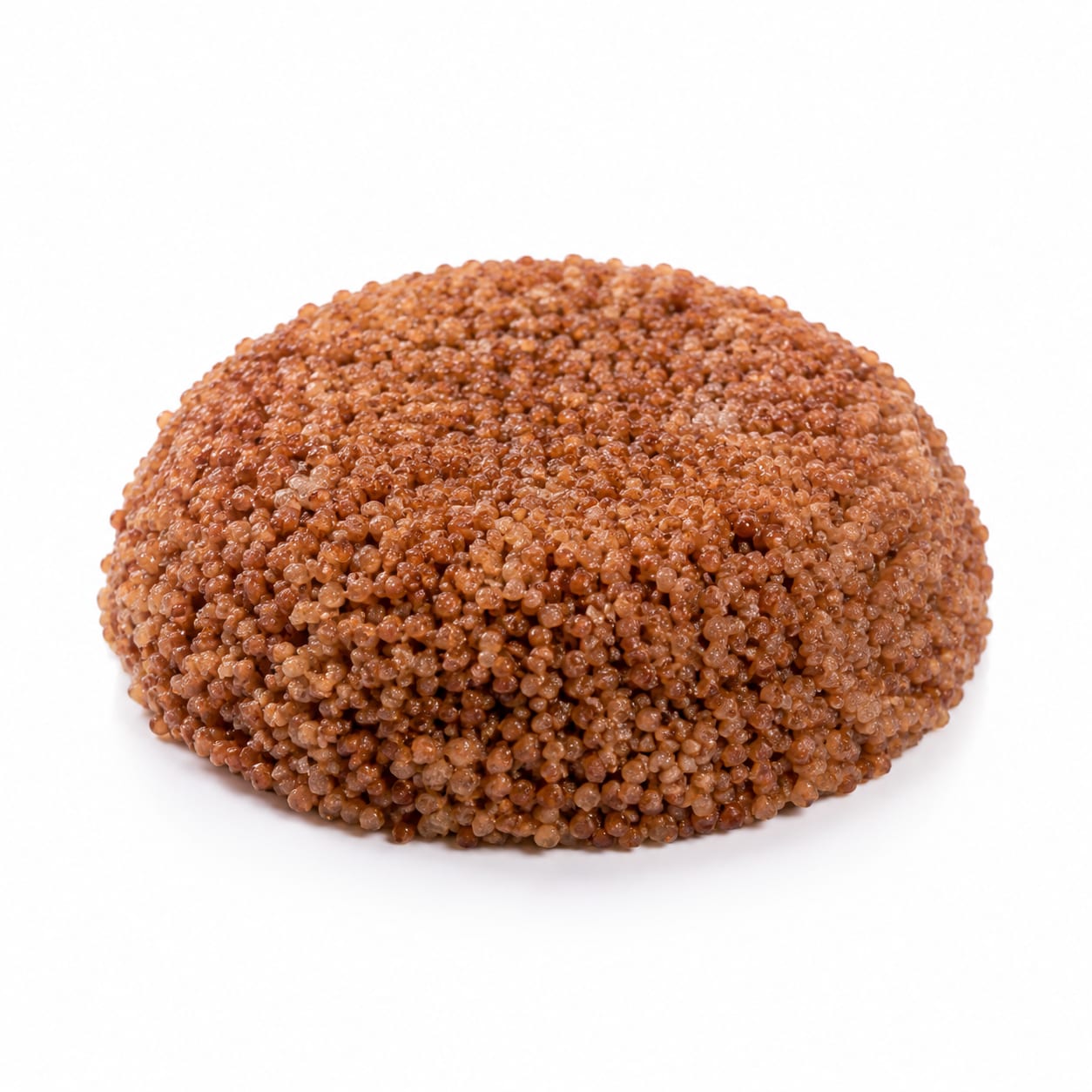
Teff
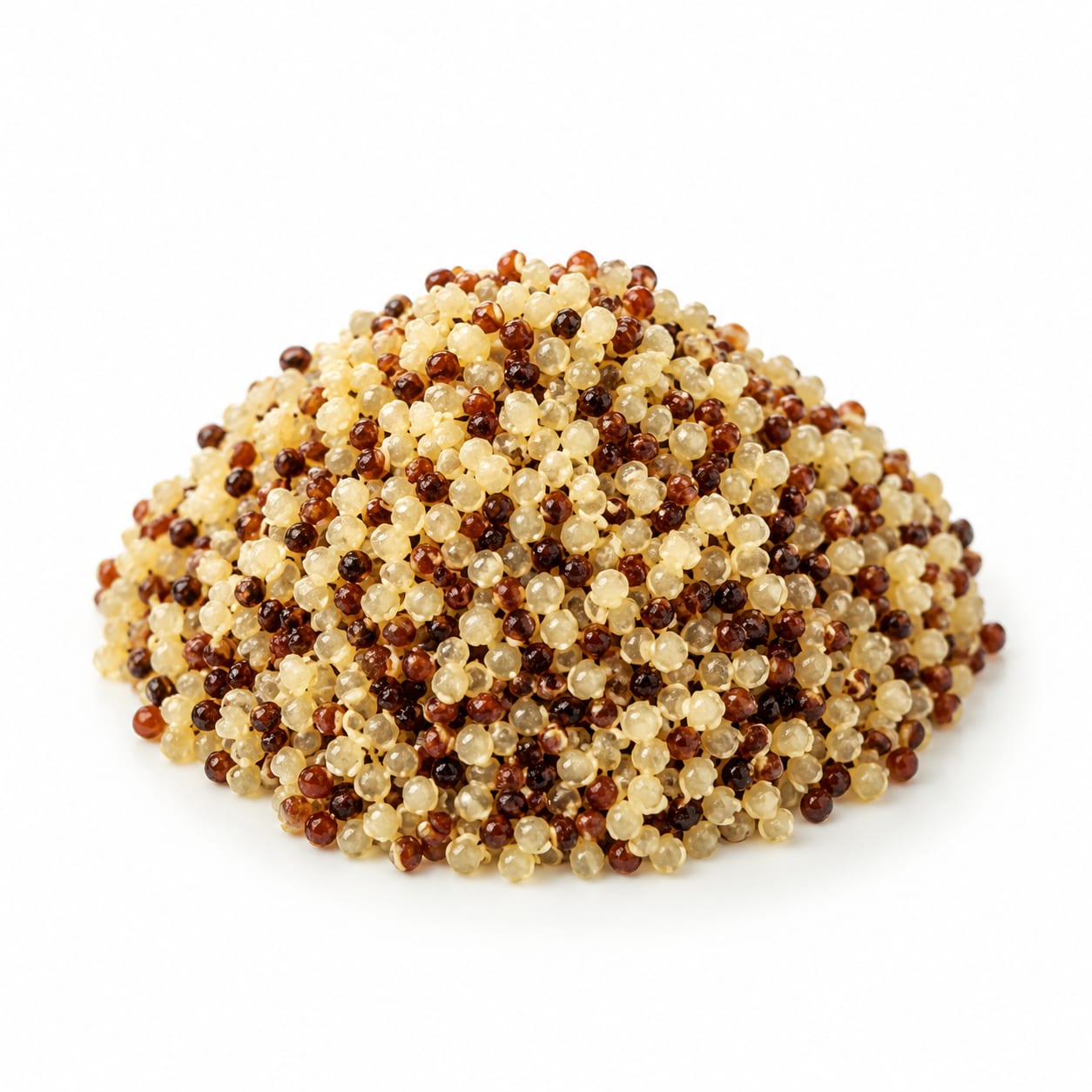
Quinoa
Quinoa delivers superior protein quality and versatility, while Teff excels at blood sugar stability and mineral density.
Quinoa edges ahead slightly due to its complete amino acid profile and broader culinary ease, but Teff's mineral density and blood sugar benefits make it a near-tie depending on your specific health goals.
Complete protein and easy fluffiness versus steadier energy and higher iron.
At a glance
Executive summary
Overall
It depends
Healthier
It depends
More practical
Quinoa
Daily use
It depends
Key comparison lenses
Protein quality and amino acid profile
Quinoa is a rare plant-based complete protein, while Teff falls short on lysine, making this a key differentiator for vegans and vegetarians.
Blood sugar control and resistant starch
Teff is exceptionally rich in resistant starch, which digests slowly and prevents energy crashes, a major factor for daily energy management.
Mineral density, especially iron and calcium
Teff is a powerhouse for iron and calcium, crucial for populations avoiding dairy or prone to anemia.
Culinary versatility and convenience
Quinoa cooks quickly into a fluffy side dish, whereas Teff is often limited to porridges or flatbreads, impacting everyday practicality.
Digestive tolerance and gut health
Teff's resistant starch feeds beneficial gut bacteria, while Quinoa's natural saponins can cause digestive upset if not properly rinsed.
Best choice for
Teff
- Anemia management
- Blood sugar control
- Gluten-free baking
- Gut microbiome support
Quinoa
- Complete plant protein
- Quick weeknight dinners
- Muscle recovery
- Salad bowls
Least suitable for
Teff
- People needing quick-cooking grains
- Those wanting a light, fluffy texture
- Budget-conscious shoppers
Quinoa
- People sensitive to saponins
- Those strictly managing blood sugar spikes
- Individuals avoiding oxalates
Deep comparison
Dimension by dimension
Each lens scores both foods and breaks down who each option suits.
- Dimension 1 · Priority 90Quinoa
Protein Quality & Muscle Support
Teff · 70Quinoa · 92Quinoa is a rare plant-based complete protein, while Teff lacks sufficient lysine.
Tradeoff
You sacrifice some amino acid completeness with Teff but still get a solid protein dose.
Why it matters
Complete proteins are crucial for muscle repair and satiety without combining foods.
Real-world impact
Quinoa keeps you fuller for longer after a workout, whereas Teff might need pairing with beans or legumes.
Teff
- Bodybuilders
- Vegans relying on single grain sources
Worse for
Quinoa
- Vegans needing complete protein
- Athletes recovering from training
- People who don't pair proteins
Better for
- Dimension 2 · Priority 88Teff
Blood Sugar Stability & Gut Health
Teff · 91Quinoa · 78Teff is rich in resistant starch, which digests slowly and feeds beneficial gut bacteria.
Tradeoff
Teff provides steadier, longer-lasting energy, while Quinoa digests a bit faster.
Why it matters
Resistant starch prevents the afternoon energy crash and supports a healthy microbiome.
Real-world impact
A Teff porridge keeps your blood sugar calm until lunch, whereas Quinoa might leave you hungry an hour earlier.
Teff
- Prediabetics
- People prone to energy crashes
- Gut health optimizers
Better for
Quinoa
- Those needing extremely slow-digesting carbs
Worse for
- Dimension 3 · Priority 85Teff
Mineral Density (Iron & Calcium)
Teff · 94Quinoa · 72Teff is exceptionally high in iron and calcium, far surpassing Quinoa.
Tradeoff
Teff is a mineral powerhouse, especially valuable for those avoiding dairy and red meat.
Why it matters
Iron fights fatigue, and calcium supports bone health—both are common deficiencies.
Real-world impact
Eating Teff regularly can noticeably boost energy if you are prone to iron-deficiency anemia.
Teff
- Women with heavy periods
- Vegans needing iron
- Dairy-free dieters needing calcium
Better for
Quinoa
- People with hemochromatosis (iron overload)
Worse for
- Dimension 4 · Priority 80Quinoa
Convenience & Culinary Versatility
Teff · 65Quinoa · 90Quinoa cooks into a light, fluffy grain in 15 minutes and is widely available; Teff is often limited to porridge or injera.
Tradeoff
Quinoa works effortlessly in salads and bowls, while Teff requires more recipe creativity.
Why it matters
You are more likely to eat a healthy food regularly if it is easy to prepare and versatile.
Real-world impact
Quinoa is a seamless weeknight side dish; Teff is more of a specialized pantry ingredient.
Teff
- Bakers making injera or flatbreads
- Hot cereal lovers
Better for
- Those wanting a quick side dish
Worse for
Quinoa
- Busy professionals
- Meal preppers
- Salad enthusiasts
Better for
Timeline
Health impact over time
Short-term
Hours to days
Teff
- Steady energy without a sugar crash
- Very filling due to resistant starch
Quinoa
- Quick satiety from high protein
- May cause mild stomach upset if not rinsed
Long-term
Months to years
Teff
- Improved bone density from high calcium
- Better iron status
- Healthier gut microbiome
Quinoa
- Easier muscle maintenance from complete protein
- Sustained plant-based diet adherence
Risk profile
Safety & processing
Both Teff and Quinoa are whole, minimally processed ancient grains with no artificial additives.
Teff
Cross-contamination with gluten
mediumBecause Teff is often processed in shared facilities, cross-contamination with gluten can occur, which matters for those with celiac disease.
Quinoa
Saponin irritation
mediumQuinoa naturally coats itself in bitter saponins that can cause digestive distress and mild toxicity if not thoroughly rinsed before cooking.
Who wins for whom
Audience fit
Same foods, different winners depending on your goal.
children
QuinoaQuinoa's fluffy texture and complete protein make it more appealing and nutritionally supportive for growing kids.
daily consumption
It dependsQuinoa is easier to incorporate into varied daily meals, but Teff offers deeper mineral replenishment for daily needs.
diabetes
TeffTeff's resistant starch causes a slower, lower blood sugar rise compared to Quinoa.
elderly
TeffTeff's high calcium and iron content supports bone density and prevents anemia, which are common concerns in older adults.
muscle gain
QuinoaQuinoa provides all essential amino acids necessary for muscle repair, making it superior for post-workout recovery.
weight loss
It dependsTeff's resistant starch keeps you fuller longer, but Quinoa's higher protein also drives satiety. It depends on whether you respond better to fiber or protein.
Your move
Decision guide
Choose Teff
- You need an iron or calcium boost
- You want the steadiest blood sugar possible
- You love hot breakfast cereals or Ethiopian cuisine
- You have digestive sensitivity to saponins
Choose Quinoa
- You need a complete plant protein
- You want a quick, versatile side dish
- You meal prep salads and bowls
- You want a light, fluffy grain texture
Either works if
- You are avoiding gluten
- You want a nutrient-dense carb source
- You are looking to diversify your whole grains
Avoid both if
- You are on a strict very-low-carb or keto diet
Final recommendation
Keep both in rotation. Use Quinoa for savory lunches and post-workout bowls where protein matters, and rely on Teff for comforting breakfasts or days when you need rock-solid blood sugar stability.
Practical
Consumer tips
- 1
Always rinse Quinoa under cold water for 30 seconds to remove bitter saponins.
- 2
Look for certified gluten-free Teff if you have celiac disease, as cross-contamination is common.
- 3
Teff makes an excellent creamy breakfast porridge when cooked with milk or plant-based milk.
- 4
Toast Quinoa in a dry pan for 2 minutes before boiling to bring out a nuttier flavor.
- 5
Mix Teff flour into your regular baking for a massive iron and calcium upgrade.