
Nutrition comparison
Teff vs Millet: Which Ancient Grain Is Better for You?
Compare Teff and Millet nutrition, including iron, calcium, protein, and glycemic impact. Find out which gluten-free grain fits your health goals and budget.
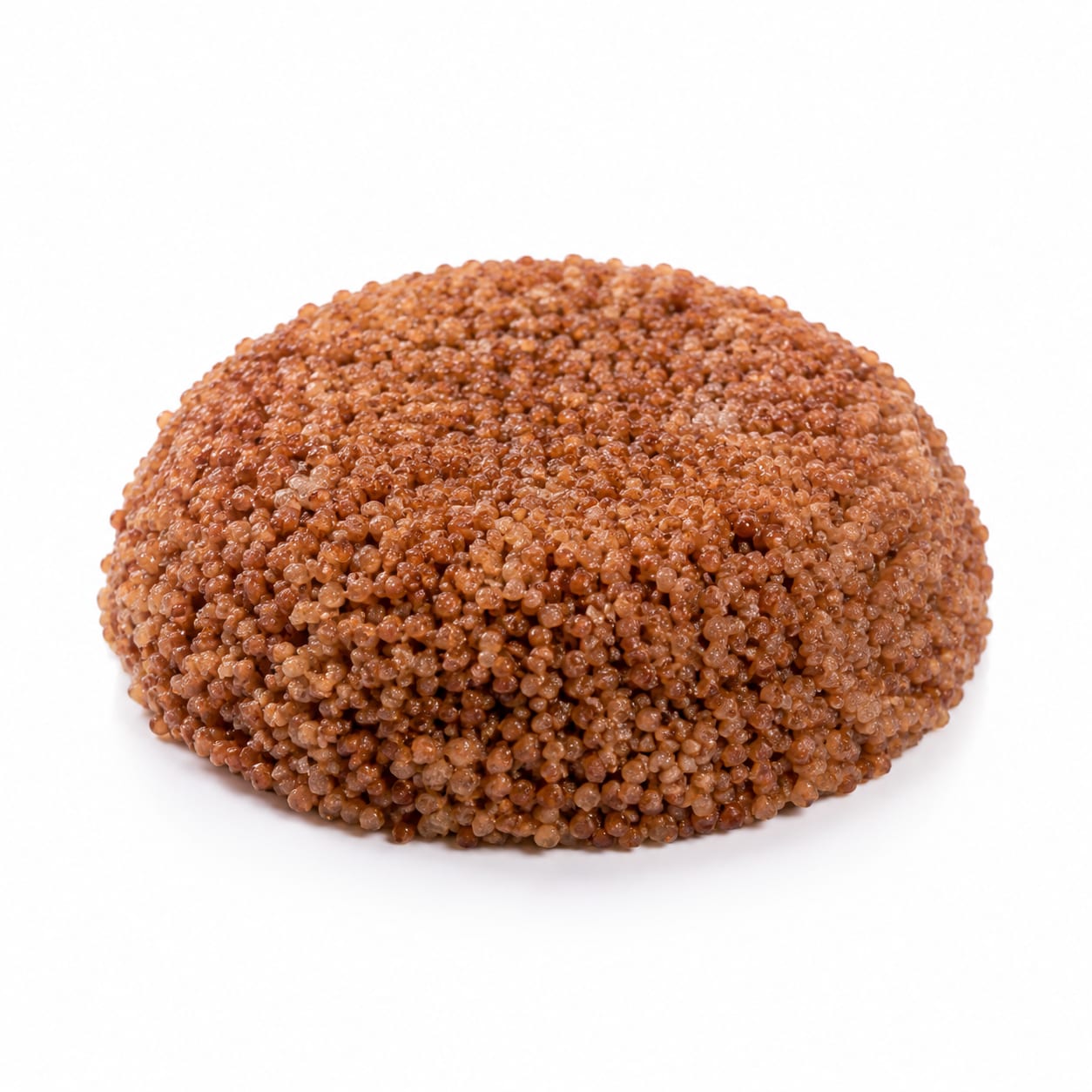
Teff
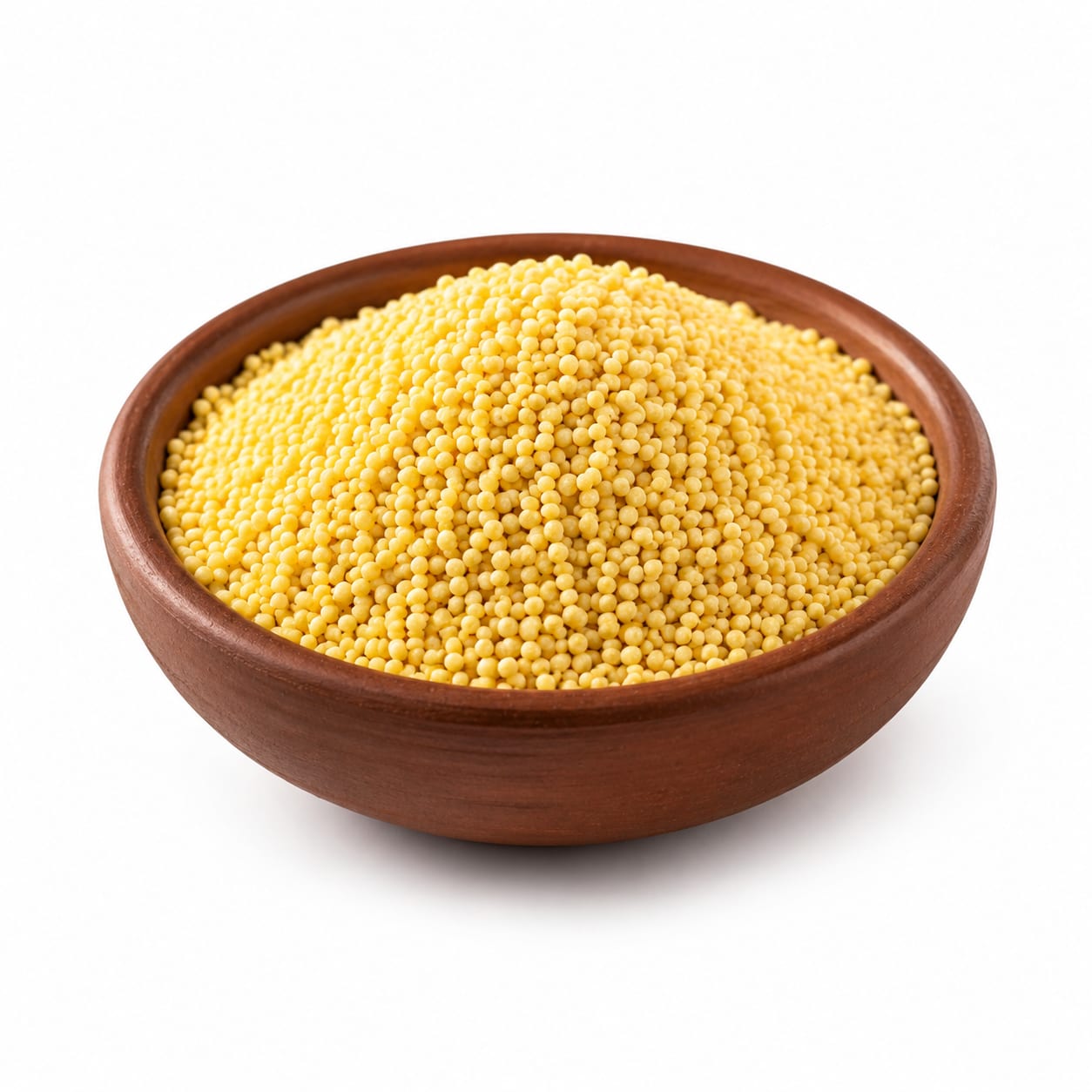
Millet
Teff wins on mineral density and protein quality, while Millet wins on affordability and accessibility. Both are excellent gluten-free grains.
Teff scores higher for nutritional density, especially iron and calcium, but Millet remains competitive due to strong practical advantages and solid baseline nutrition.
Teff delivers superior iron and calcium but costs significantly more. Millet offers solid nutrition at a fraction of the price.
At a glance
Executive summary
Overall
It depends
Healthier
Teff
More practical
Millet
Daily use
Millet
Key comparison lenses
gluten-free grain selection for mineral density
Both are naturally gluten-free ancient grains, so users are likely choosing between them for celiac-safe nutrition
iron deficiency and anemia support
Teff is famously iron-rich, making this a critical differentiator for anemic users
blood sugar management with whole grains
Both have low glycemic indices, so users want to know which stabilizes energy better
budget-friendly ancient grain options
Millet is significantly cheaper and more available, a major practical concern
bone health and calcium intake
Teff has notably high calcium for a grain, relevant for dairy-free diets
Best choice for
Teff
- People with iron deficiency or anemia
- Dairy-free individuals needing calcium
- Those seeking complete plant protein
- Athletes needing mineral replenishment
- Pregnant women needing iron and folate
Millet
- Budget-conscious households
- Those new to ancient grains
- People who want easy-to-find pantry staples
- Meal preppers cooking large batches
- Families needing affordable gluten-free options
Least suitable for
Teff
- Tight grocery budgets
- Those who need widely available ingredients
- People unfamiliar with cooking small grains
Millet
- Those with severe iron deficiency
- People prioritizing calcium from non-dairy sources
- Anyone needing the highest protein quality per calorie
Deep comparison
Dimension by dimension
Each lens scores both foods and breaks down who each option suits.
- Dimension 1 · Priority 95Teff
Mineral Density (Iron & Calcium)
Teff · 93Millet · 58Teff is dramatically richer in iron and calcium, making it one of the most mineral-dense grains available.
Tradeoff
You pay a premium for Teff's mineral content, which Millet cannot match even at triple the serving size.
Why it matters
Iron deficiency is the most common nutrient deficiency worldwide. Teff provides roughly 5-7mg iron per cup cooked versus Millet's 1.5mg.
Real-world impact
If you are anemic, fatigued, or dairy-free, Teff can meaningfully move the needle on your iron and calcium intake in ways Millet simply cannot.
Teff
- Anemia recovery
- Dairy-free calcium needs
- Pregnancy nutrition
- Menstruating women with low iron
Better for
- Those with hemochromatosis who must limit iron
Worse for
Millet
- Those who get iron and calcium from other sources
- Balanced diets where mineral density is less critical
Better for
- Anyone relying on a single grain for mineral intake
Worse for
- Dimension 2 · Priority 85Teff
Protein Quality & Amino Acid Profile
Teff · 84Millet · 68Teff contains all essential amino acids in better proportions, making it closer to a complete protein than Millet.
Tradeoff
Neither grain is a protein powerhouse, but Teff's amino acid balance means your body uses more of what it provides.
Why it matters
Plant-based eaters need to think about amino acid completeness. Teff reduces the need for protein combining.
Real-world impact
A Teff porridge breakfast keeps you fuller longer than Millet porridge, partly because your body can actually use more of the protein.
Teff
- Vegans and vegetarians
- Plant-based athletes
- Anyone not combining multiple protein sources
Better for
- Those expecting high total protein amounts
Worse for
Millet
- Omnivores who get complete protein elsewhere
Better for
- Plant-based eaters who rely heavily on one grain
Worse for
- Dimension 3 · Priority 85Teff
Blood Sugar Stability
Teff · 82Millet · 76Both grains have low glycemic indices, but Teff's higher resistant starch content slows digestion further.
Tradeoff
The difference is moderate. Millet still beats most refined grains easily, but Teff provides steadier energy.
Why it matters
Resistant starch feeds beneficial gut bacteria and reduces blood sugar spikes after meals.
Real-world impact
After a Teff-based meal, you are less likely to hit that mid-morning energy crash compared to Millet, though both perform well.
Teff
- Prediabetics
- Those prone to energy crashes
- PCOS management
Better for
- Those who want quicker energy release before workouts
Worse for
Millet
- Active people who need faster energy availability
Better for
- Anyone strictly managing post-meal glucose
Worse for
- Dimension 4 · Priority 90Millet
Affordability & Accessibility
Teff · 35Millet · 88Millet is widely available and inexpensive. Teff is a specialty item with premium pricing.
Tradeoff
Teff's nutritional advantages come at 3-5 times the cost per pound compared to Millet.
Why it matters
The best grain is the one you can actually afford to eat regularly. Consistency matters more than perfection.
Real-world impact
A family of four could eat Millet daily for the same cost as eating Teff twice a week. That frequency gap matters for long-term health.
Teff
- Those with flexible food budgets
- Special occasion nutrition boosts
Better for
- Anyone who needs cost-effective nutrition
- Large families
Worse for
Millet
- Households on a budget
- Bulk buying and meal prep
- Regular daily consumption
Better for
- Those willing to invest in maximum nutrient density
Worse for
- Dimension 5 · Priority 75Millet
Cooking Versatility & Ease
Teff · 62Millet · 80Millet cooks into fluffy grains, creamy porridge, or ground flour more predictably. Teff is trickier due to its tiny size.
Tradeoff
Teff's minuscule grain size makes it excellent for flatbreads and porridge but poor for pilafs or grain bowls.
Why it matters
If a grain is hard to cook well, you will use it less. Practicality drives consistency.
Real-world impact
Millet works as a rice substitute in most dishes. Teff really shines in injera and porridge but feels limiting beyond that.
Teff
- Traditional Ethiopian cooking
- Warm breakfast porridges
- Dense, satisfying flatbreads
Better for
- Anyone wanting a rice-like texture
- Salad grain applications
Worse for
Millet
- Grain bowls and pilafs
- Rice replacement dishes
- Baking as a flour substitute
- Side dish versatility
Better for
- Traditional injera making
Worse for
- Dimension 6 · Priority 80Teff
Digestive Tolerance & Gut Health
Teff · 83Millet · 74Teff's resistant starch and prebiotic fiber feed gut bacteria more effectively. Millet is gentle but less impactful.
Tradeoff
Both are well-tolerated gluten-free options, but Teff actively supports gut microbiome health more.
Why it matters
Resistant starch acts like soluble fiber, feeding beneficial bacteria that produce short-chain fatty acids for colon health.
Real-world impact
Regular Teff eaters may notice better digestion and less bloating over time compared to Millet, though both are gentle on the stomach.
Teff
- IBS sufferers tolerating fiber
- Gut microbiome optimization
- Post-antibiotic gut recovery
Better for
- Sudden large increases in resistant starch can cause temporary gas
Worse for
Millet
- Those with very sensitive digestion who need gentle fiber
- Transitioning from low-fiber diets
Better for
- Those wanting maximum prebiotic benefit
Worse for
- Dimension 7 · Priority 70It depends
Antioxidant & Anti-inflammatory Potential
Teff · 76Millet · 78Millet edges ahead with certain polyphenols, while Teff brings different antioxidant compounds. Both are solid.
Tradeoff
Millet's phenolic compounds are better studied for anti-inflammatory effects, but Teff's variety adds complementary benefits.
Why it matters
Chronic inflammation drives most modern disease. Grain antioxidants contribute meaningfully when eaten daily.
Real-world impact
Rotating both grains gives you broader antioxidant coverage than eating either alone.
Teff
- Variety in antioxidant sources
- Complementary phytonutrient profiles
Better for
- Those seeking the most studied anti-inflammatory grain
Worse for
Millet
- Targeted anti-inflammatory diets
- Those focusing on phenolic acid intake
Better for
- Those missing Teff's unique antioxidant compounds
Worse for
Timeline
Health impact over time
Short-term
Hours to days
Teff
- Sustained energy with minimal blood sugar spikes
- High satiety from protein and resistant starch keeping you full for hours
- Possible mild bloating if suddenly increasing resistant starch intake
Millet
- Quick-prep energy that digests comfortably
- Light feeling after meals rather than heaviness
- Easy on the stomach for most people, even those with sensitive digestion
Long-term
Months to years
Teff
- Improved iron status reducing fatigue and brain fog
- Better calcium intake supporting bone density over decades
- Enhanced gut microbiome diversity from consistent prebiotic fiber
- Potential meaningful improvement in anemia markers
Millet
- Steady antioxidant intake supporting cellular health
- Affordable daily whole grain consumption protecting against chronic disease
- Consistent magnesium intake supporting heart and nerve function
- Maintained gluten-free compliance without nutritional compromise
Risk profile
Safety & processing
Both Teff and Millet are whole ancient grains typically sold with minimal processing. Neither commonly contains additives, preservatives, or artificial ingredients when purchased as whole grain or flour.
Teff
Cross-contamination with gluten grains
mediumTeff is often processed in facilities handling wheat. Celiacs must verify certified gluten-free labeling.
Goitrogenic compounds
lowTeff contains mild goitrogens that could affect thyroid function if consumed in extreme quantities, though normal intake is safe.
Millet
Cross-contamination with gluten grains
mediumSame concern as Teff. Always check for certified gluten-free status if celiac.
Goitrogenic compounds
mediumMillet contains more goitrogens than Teff, particularly when consumed in large amounts. Those with thyroid issues should moderate intake and ensure adequate iodine.
Phytic acid reducing mineral absorption
lowMillet's phytic acid can reduce iron and zinc absorption. Soaking or fermenting before cooking mitigates this significantly.
Who wins for whom
Audience fit
Same foods, different winners depending on your goal.
children
MilletMillet's milder flavor, fluffy texture, and lower cost make it more practical for kids who are picky about food textures and flavors.
daily consumption
MilletMillet's affordability, availability, and cooking versatility make it realistic for daily use without budget strain.
diabetes
TeffTeff's lower glycemic impact and higher resistant starch provide steadier blood sugar, though both are solid choices.
elderly
TeffTeff's exceptional iron and calcium content addresses the mineral deficiencies most common in aging populations.
muscle gain
TeffTeff's superior amino acid profile and higher iron content better support muscle recovery and oxygen transport during training.
weight loss
TeffTeff's higher protein and resistant starch create stronger satiety signals, helping control overall calorie intake more effectively.
Your move
Decision guide
Choose Teff
- You have diagnosed iron deficiency or are at risk for anemia
- You are dairy-free and need calcium from grain sources
- You eat primarily plant-based and want better protein quality
- You can afford a premium grain and want maximum nutrient density
- You enjoy traditional Ethiopian dishes like injera
Choose Millet
- You need an affordable gluten-free grain for daily meals
- You want a versatile rice substitute for grain bowls and sides
- You are feeding a family on a budget
- You are new to ancient grains and want an easy entry point
- You have thyroid concerns and want lower goitrogen exposure than some other grains
Either works if
- You want a low-glycemic gluten-free grain and both are available
- You are rotating grains for dietary diversity
- You are meal prepping and both fit your recipes
Avoid both if
- You have a confirmed grain allergy beyond gluten
- You are strictly limiting carbohydrates for ketosis
- You cannot verify gluten-free certification and have celiac disease
Final recommendation
If budget allows, Teff delivers measurably better nutrition per serving, especially for iron and calcium. If you need practical daily nutrition that you can actually sustain, Millet is the smarter choice. The best approach may be using Millet as your everyday grain and Teff as a targeted nutritional boost a few times per week.
Practical
Consumer tips
- 1
Soak Millet for 6-8 hours before cooking to reduce phytic acid and improve mineral absorption
- 2
Toast Millet in a dry pan before adding water for a nuttier flavor and fluffier texture
- 3
Teff flour works beautifully in pancakes and waffles for a mineral-rich breakfast upgrade
- 4
If buying Teff, look for whole grain rather than flour for longer shelf life and fresher nutrients
- 5
Rotate both grains weekly to get the broadest spectrum of antioxidants and minerals
- 6
Pair either grain with vitamin C rich foods like bell peppers or tomatoes to dramatically boost iron absorption
- 7
Check for certified gluten-free labels if you have celiac disease, as cross-contamination is common with both grains
- 8
Buy Millet in bulk for best value, but store in airtight containers to prevent rancidity