
Seafood
Swordfish
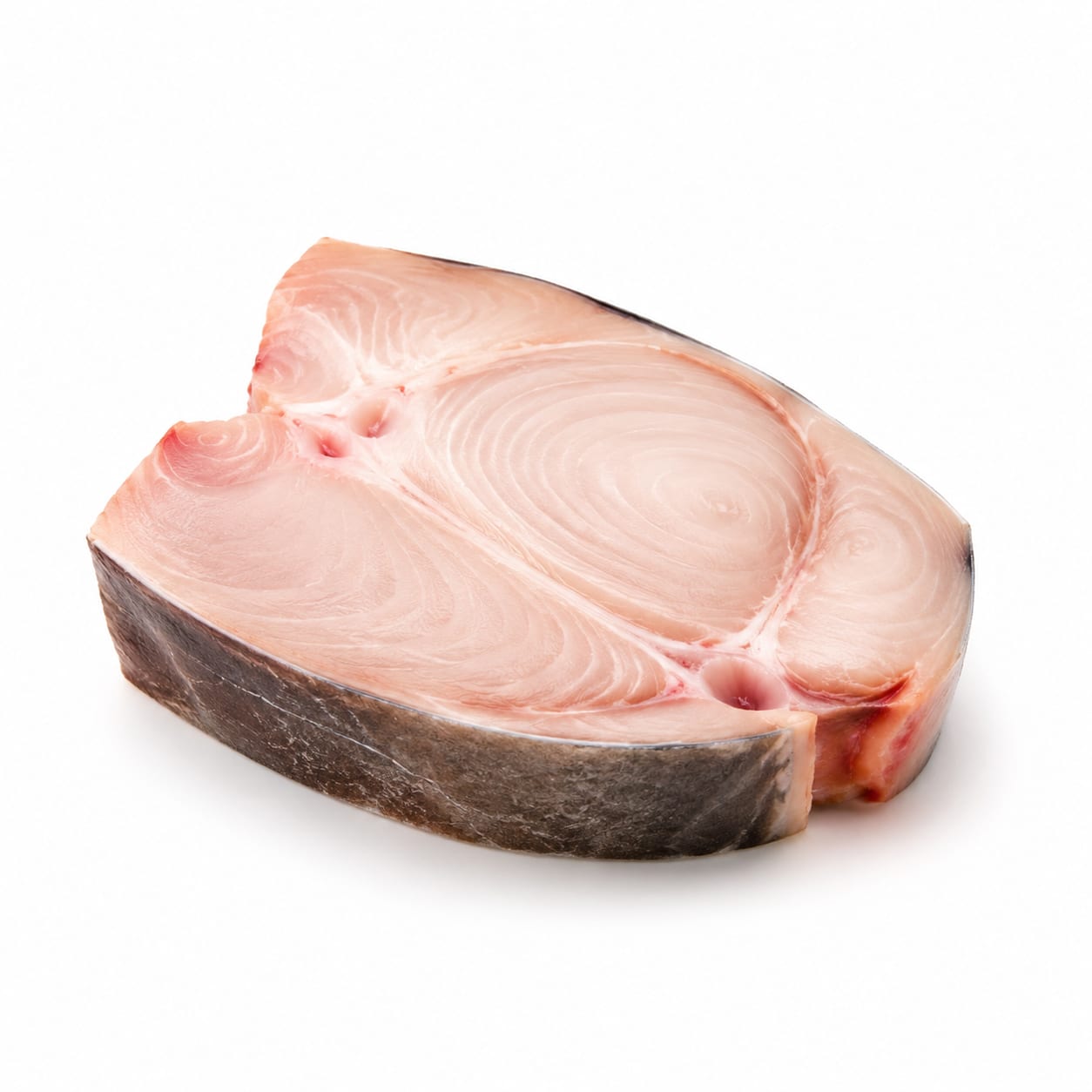
A large, meaty saltwater fish prized for its steak-like texture but noted for its high mercury content.
Swordfish is a large, highly migratory predatory fish known for its meaty texture and mild flavor. It is popular for grilling and steaking but carries a higher risk of mercury accumulation compared to smaller fish.
protein-dense predatory fish
Typical serving · 150g
Common varieties · north atlantic, pacific, mediterranean, broadbill
Overall context score across nutrition, safety, and diet fit
At a glance
Quick facts
Simple indicators based on nutrition, processing, and diet fit.
The story
What makes it unique
Swordfish provides a dense source of complete protein and omega-3 fatty acids with zero carbohydrates. It digests moderately slowly due to its dense muscle structure, promoting high satiety. As a top marine predator, it bioaccumulates heavy metals, specifically methylmercury, which dictates strict consumption frequency limits. It is typically consumed as a minimally processed fresh or frozen steak.
Varieties: north atlantic · pacific · mediterranean · broadbill
Per 100g
Nutrition breakdown
Macro balance and key metrics at a glance.
Energy
Density 1.72 kcal/g
Protein
Carbs
Fat
Fiber
Sugar
0 g
Sodium
90 mg
Potassium
400 mg
Glycemic index
0
Glycemic load
0
Water content
73%
Standout compounds
Nutrient highlights
Protein
highSupports muscle repair, immune function, and satiety
Selenium
highActs as an antioxidant and supports thyroid function
Vitamin D
moderatePromotes calcium absorption and bone health
Vitamin B12
highEssential for nerve function and red blood cell formation
Omega-3 Fatty Acids
moderateReduces inflammation and supports cardiovascular health
Wellness map
Health scores & processing
NOVA processing scale
minimally processed · Whole food
Typically sold as fresh or frozen whole muscle steaks with no added ingredients, representing an unprocessed whole food.
Diet compatibility
- Weight loss
- Muscle gain
- Diabetes
- Gut health
- Low carb
- High protein
- Heart health
Relative standing
Food rankings
Qualitative ranks compared to similar whole foods.
- Satietyexcellent
- Blood sugarexcellent
- Nutrient densitygood
- Fitness fuelgood
- Processing qualityexcellent
Eat with confidence
Food safety profile
Swordfish is a large predatory fish that accumulates significant levels of methylmercury. While safe for most adults in moderation, frequent consumption can lead to mercury toxicity. Raw consumption carries a parasite risk requiring proper freezing before preparation.
Evidence confidence 95%
- Pesticideslow
- Antibioticslow
- Heavy metalshigh
- Contaminationmoderate
Watch for
- methylmercury
- parasites
- pcbs
Safer choices
Salmon, sardines, anchovies, and trout offer similar omega-3 benefits with significantly lower mercury levels.
Prep tips
Cook to an internal temperature of 145°F (63°C) to eliminate parasites and pathogens. Avoid raw preparations unless fish has been previously frozen to parasite destruction standards.
FDA and EPA advise against consumption by pregnant women, nursing mothers, and young children due to high mercury levels. Adults are advised to limit intake to no more than one serving per week.
Deep dive
Health analysis
How this food may fit different goals and preparation choices.
Weight loss
High protein and moderate fat content promote strong satiety, helping to control overall calorie intake when consumed in appropriate portions.
Blood sugar
Contains zero carbohydrates, resulting in no glycemic impact and making it highly compatible with blood sugar management.
Fitness & energy
Offers a dense source of complete protein essential for muscle repair and growth, though it lacks fast-digesting carbohydrates for immediate workout fuel.
Gut health
Provides anti-inflammatory omega-3s but contains no dietary fiber. The heavy protein load requires robust digestive function.
Processing quality
Almost exclusively consumed as a whole, unprocessed food, preserving its natural nutrient profile without additives or fillers.
Food safety
Mercury bioaccumulation is the primary concern. Limiting intake to occasional consumption minimizes heavy metal exposure risks.
Common mistakes
Consuming swordfish multiple times a week assuming all fish are equally safe, or serving it to pregnant women and children due to its appealing steak-like texture.
Best preparation
Grilling, broiling, or baking. These methods preserve the nutrient density without adding excess calories from breading or deep-frying.
Practical guide
Best use cases
When and how this food fits real eating patterns.
Occasional High-Protein Dinner
Provides a dense, satisfying protein source with a steak-like texture ideal for grilling when you want a hearty seafood meal.
Keto Diet Meal Prep
Zero carbohydrates and moderate fat make it an easy fit for strict ketogenic macronutrient targets.
Blood Sugar Friendly Main Course
Complete absence of carbs ensures no glycemic impact, pairing well with fibrous vegetables for balanced meals.
Balance sheet
Pros & cons
Upsides
- Excellent source of complete protein
- Zero carbohydrates with no glycemic impact
- Rich in selenium and vitamin B12
- Meaty texture satisfies steak cravings
- Contains anti-inflammatory omega-3s
Trade-offs
- Very high in mercury compared to other seafood
- Not safe for frequent consumption
- Off-limits for pregnant women and children
- Overfishing concerns in some regions
- Can be expensive compared to other fish
Fit check
Who is it for?
Great match
- occasional keto meals
- high-protein diets
- blood sugar management
- grilling enthusiasts
Consider alternatives
- pregnant women
- young children
- frequent daily fish consumption
- strict low-mercury diets
Side by side
How it compares
Open the full head-to-head analysis for nutrition, safety, and practical tradeoffs.
This food
Swordfish
VS90% alike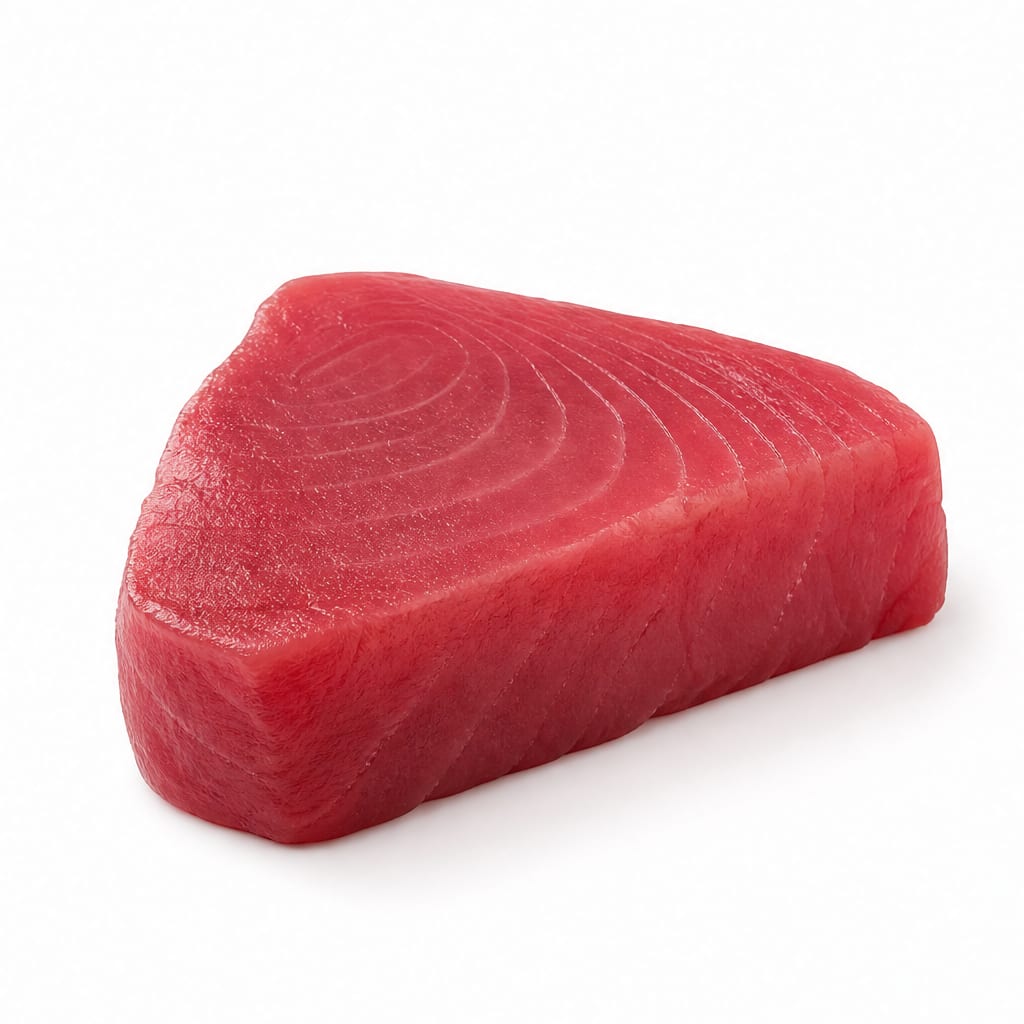
Compare with
Tuna Steak
Tuna is slightly leaner and more protein-dense, while swordfish has a higher fat content and slightly more moisture. Both carry high mercury warnings.
Tuna offers more protein and fewer calories for weight loss, while swordfish provides more fat and a richer texture for satiety, but both are high in mercury.
This food
Swordfish
VS85% alike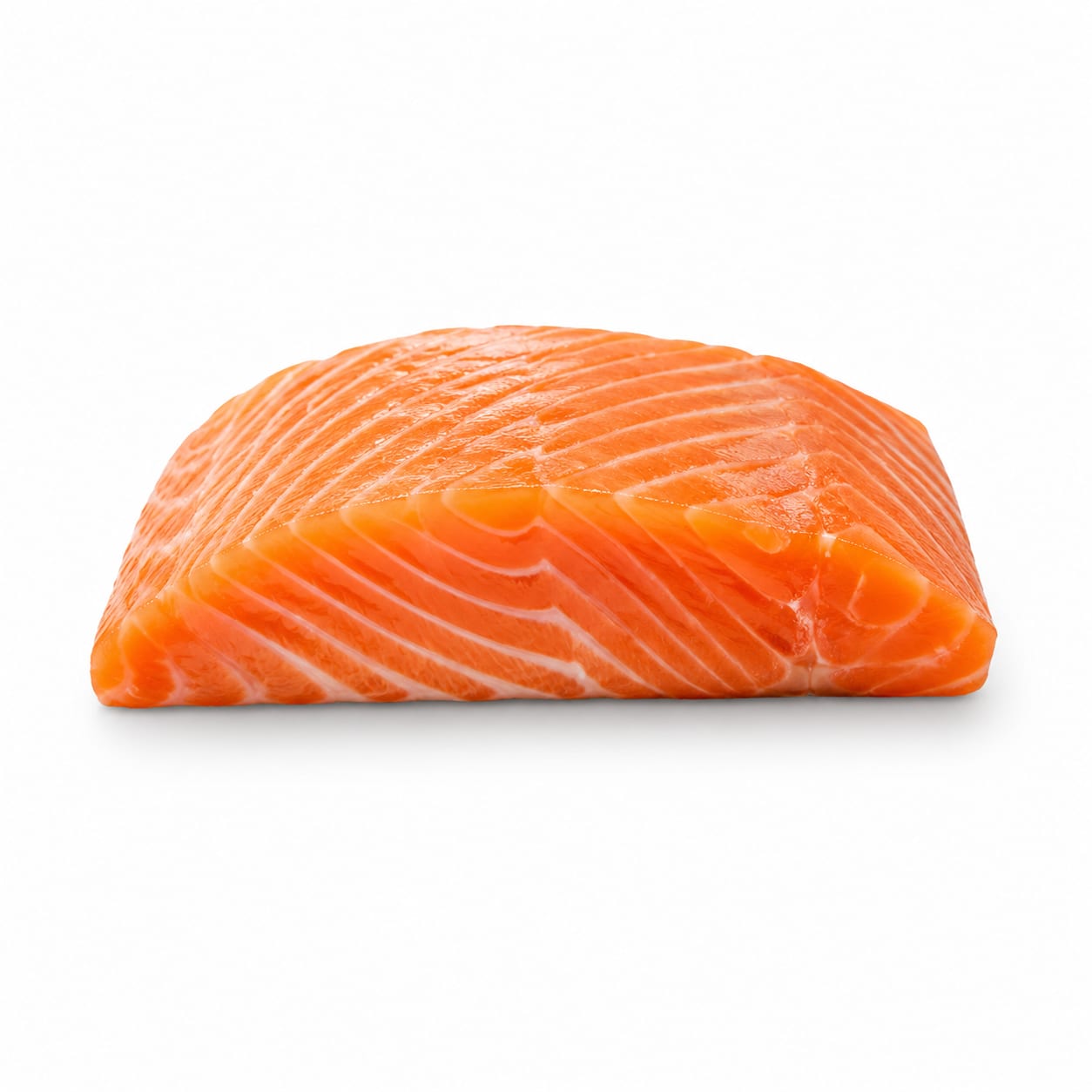
Compare with
Salmon
Salmon provides significantly more omega-3 fatty acids and much lower mercury, making it safer for regular consumption. Swordfish has a firmer, meatier texture.
Salmon is much lower in mercury and higher in omega-3s, making it better for regular eating, while swordfish is firmer and slightly lower in calories.
This food
Swordfish
VS80% alike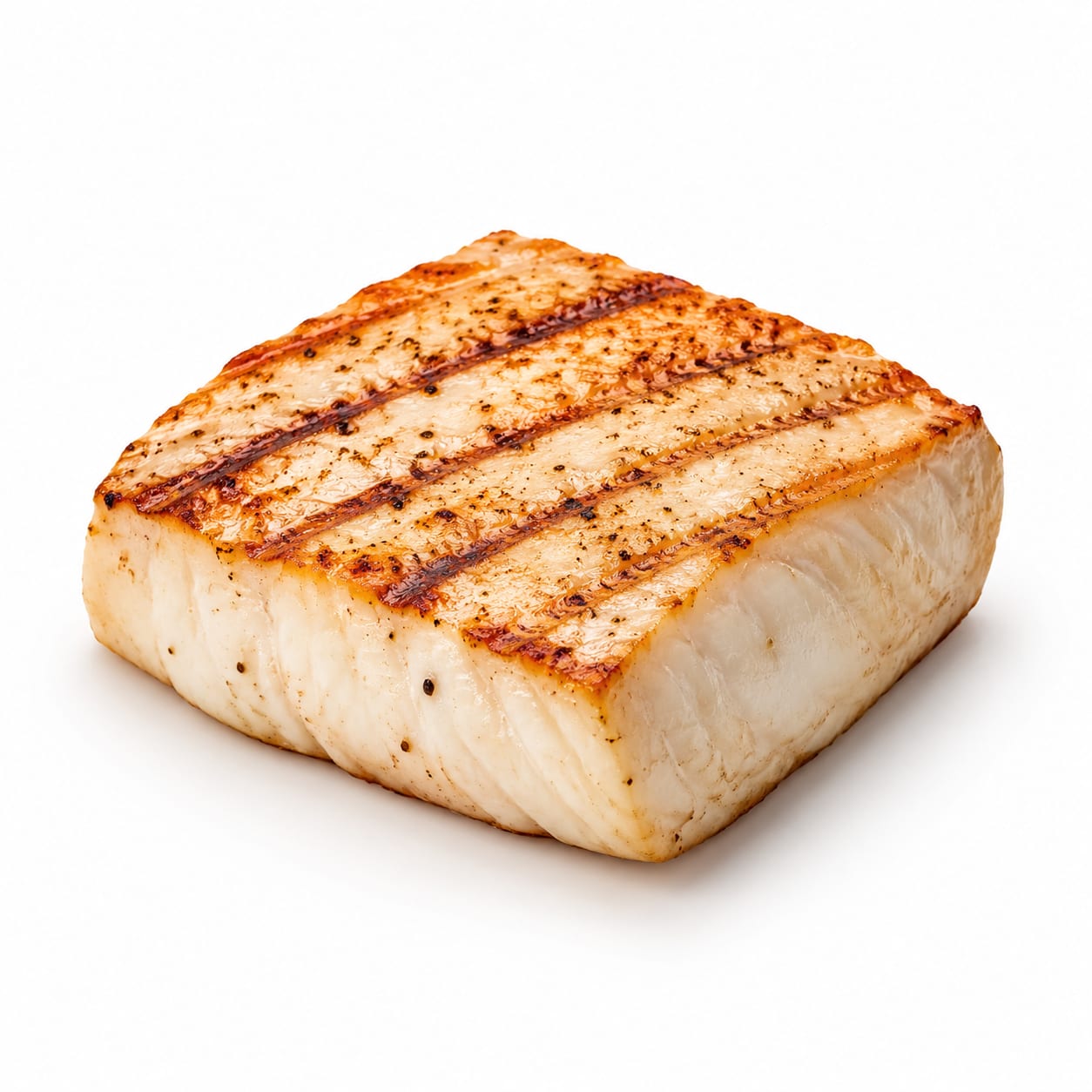
Compare with
Mahi-Mahi
Mahi-mahi is a leaner fish with considerably less mercury than swordfish, allowing for more frequent consumption. Swordfish offers a denser, fattier bite.
Mahi-mahi is a safer choice for frequent consumption due to lower mercury, while swordfish provides a denser, fattier steak experience.
This food
Swordfish
VS75% alike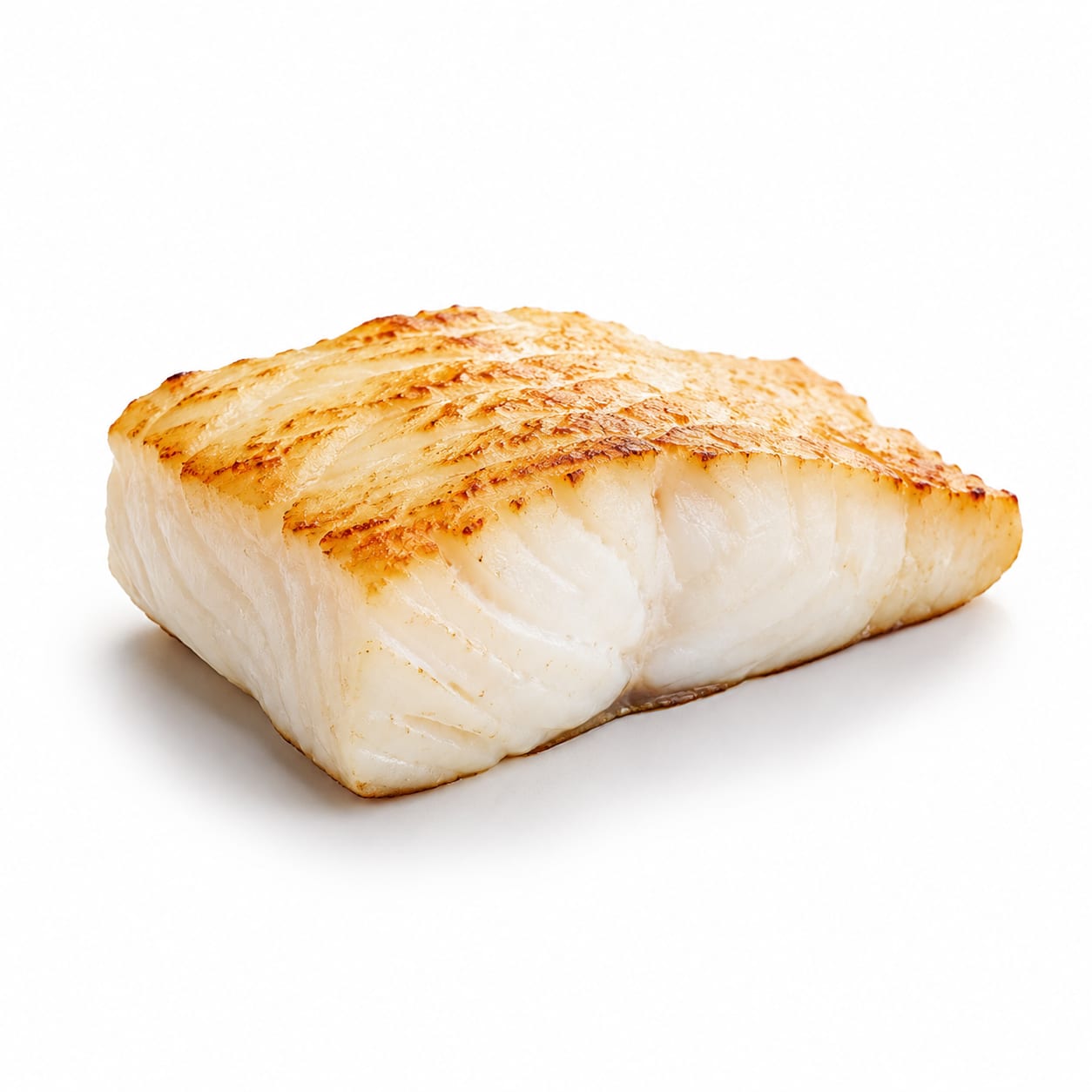
Compare with
Halibut
Halibut is leaner and has lower mercury than swordfish, making it a safer regular option. Swordfish is fattier and has a more pronounced flavor.
Halibut is leaner and lower in mercury, making it better for regular diets, whereas swordfish is richer and higher in calories.
This food
Swordfish
VS95% alike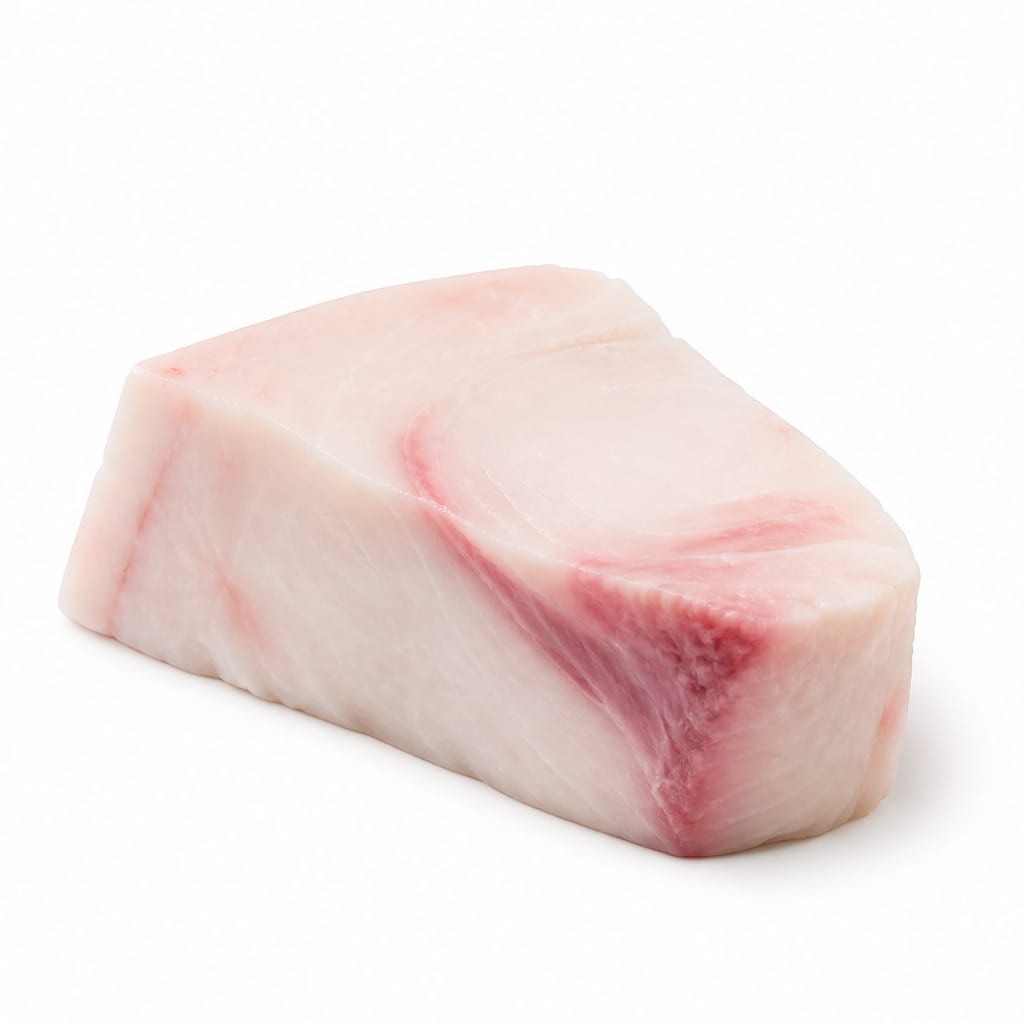
Compare with
Shark
Shark and swordfish have similarly high mercury levels, limiting both to rare consumption. Swordfish generally has a slightly wider commercial availability and milder flavor.
Both shark and swordfish are high-mercury apex predators that should be eaten rarely; swordfish is slightly more common and milder in flavor.
This food
Swordfish
VS60% alike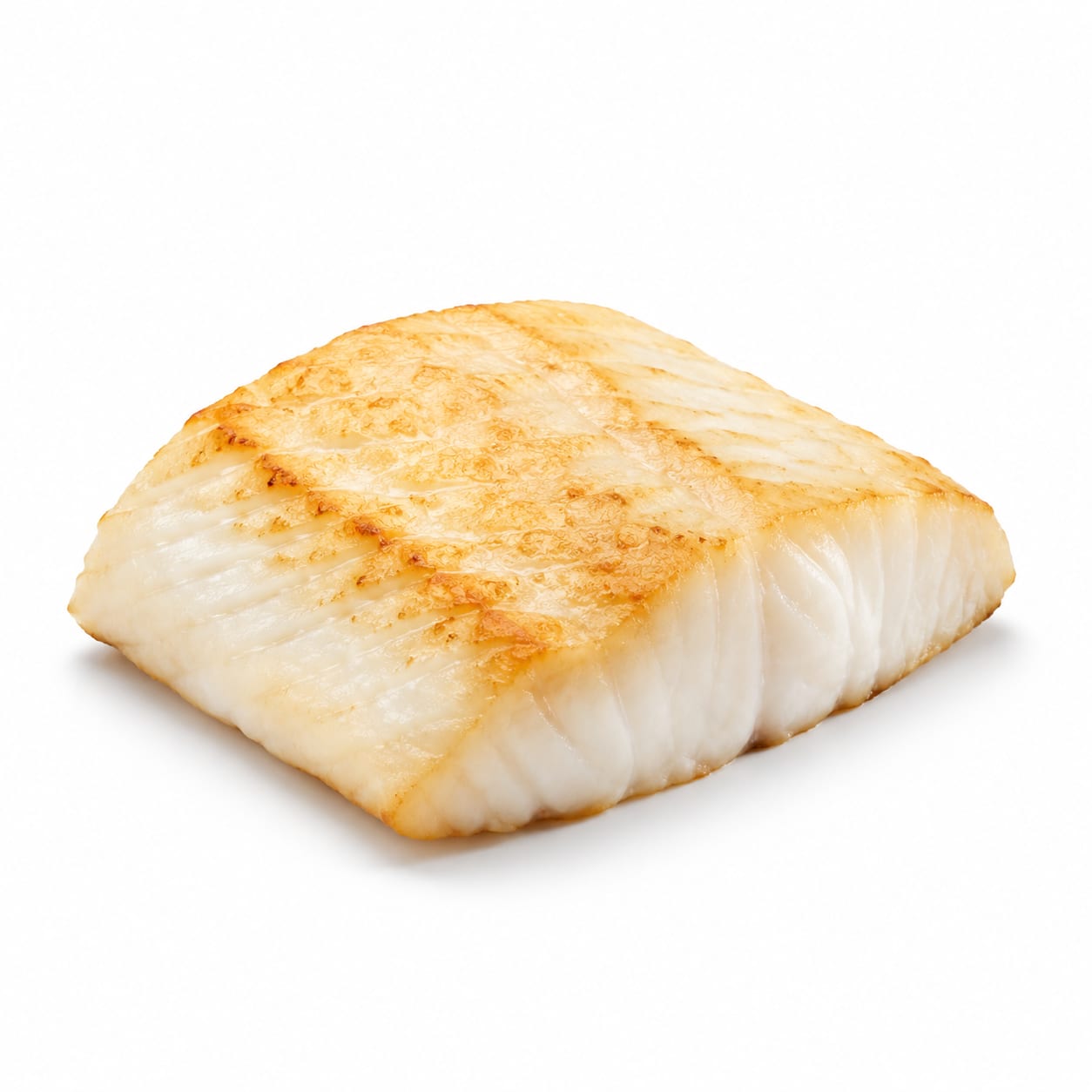
Compare with
Cod
Cod is a low-calorie, low-mercury fish safe for frequent consumption, whereas swordfish is a dense, high-mercury fish meant for occasional eating.
Cod is a lean, low-mercury fish you can eat often, while swordfish is a denser, high-mercury fish best reserved for occasional meals.
This food
Swordfish
VS70% alike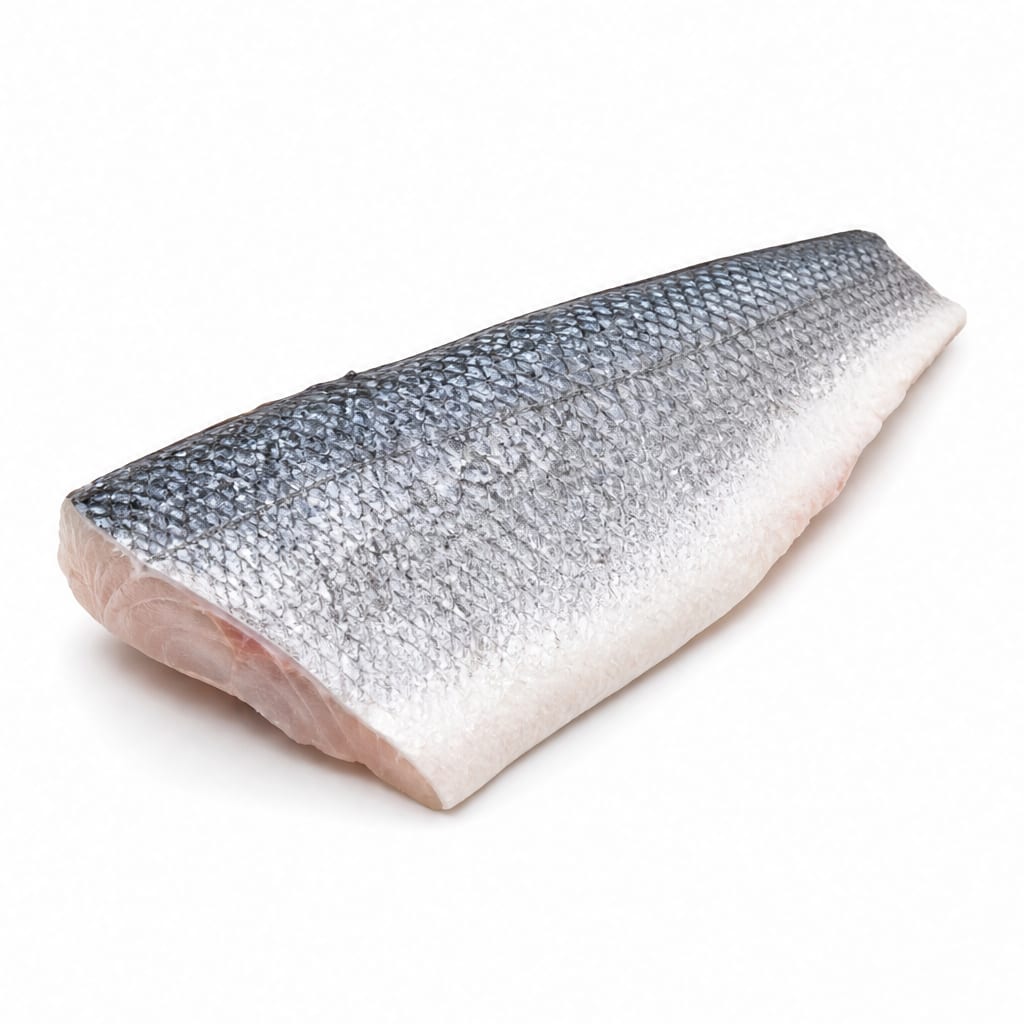
Compare with
Sea Bass
Chilean sea bass can also be high in mercury, but most sea bass varieties are lower than swordfish. Swordfish provides a firmer, steak-like chew.
Most sea bass is lower in mercury than swordfish, making it a safer choice, though swordfish offers a uniquely dense, steak-like texture.
This food
Swordfish
VS65% alike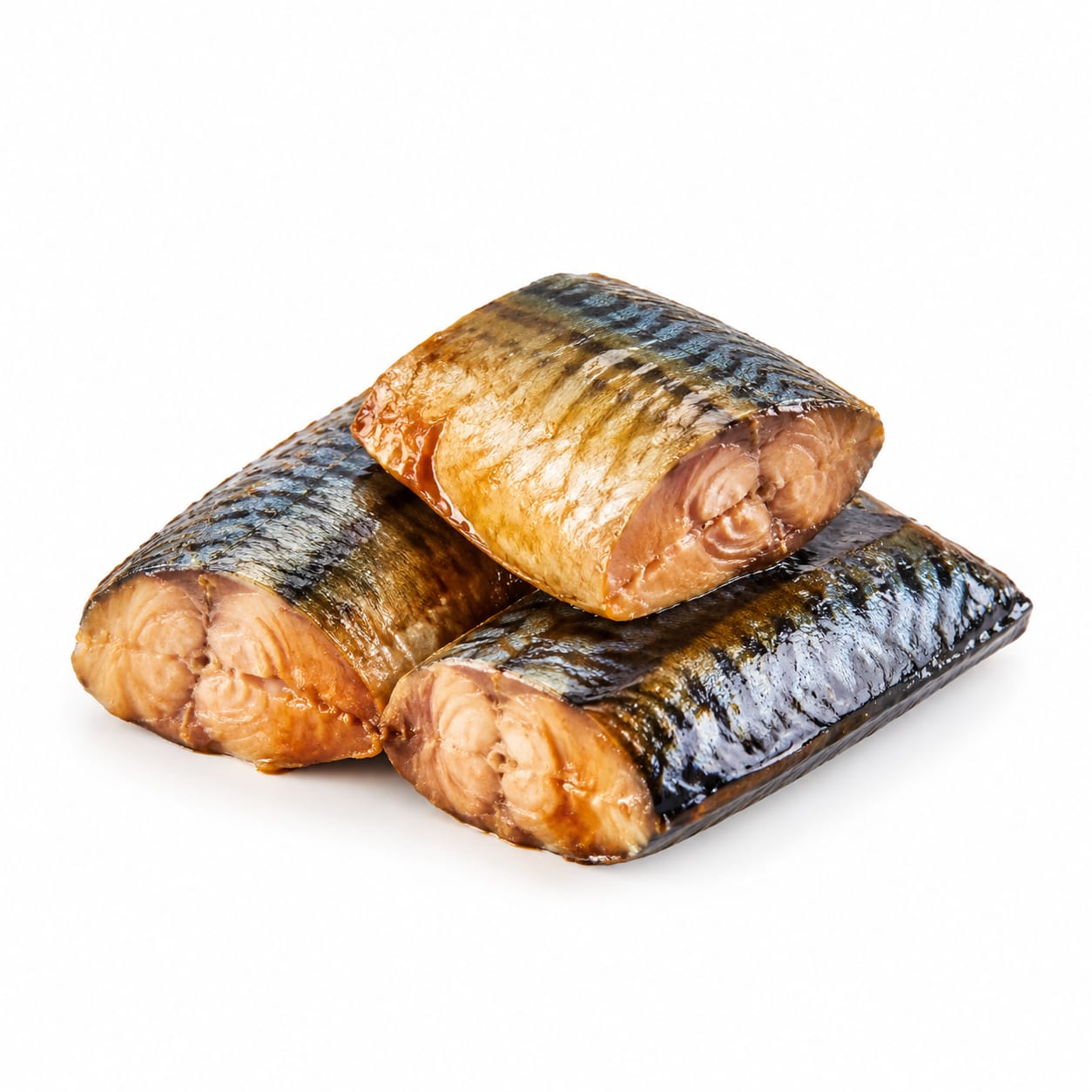
Compare with
Mackerel
King mackerel is extremely high in mercury like swordfish, but Atlantic mackerel is very low and safe to eat regularly. Swordfish has a much milder, less fishy flavor.
Atlantic mackerel is lower in mercury and higher in omega-3s, making it healthier for regular consumption than swordfish.
This food
Swordfish
VS75% alike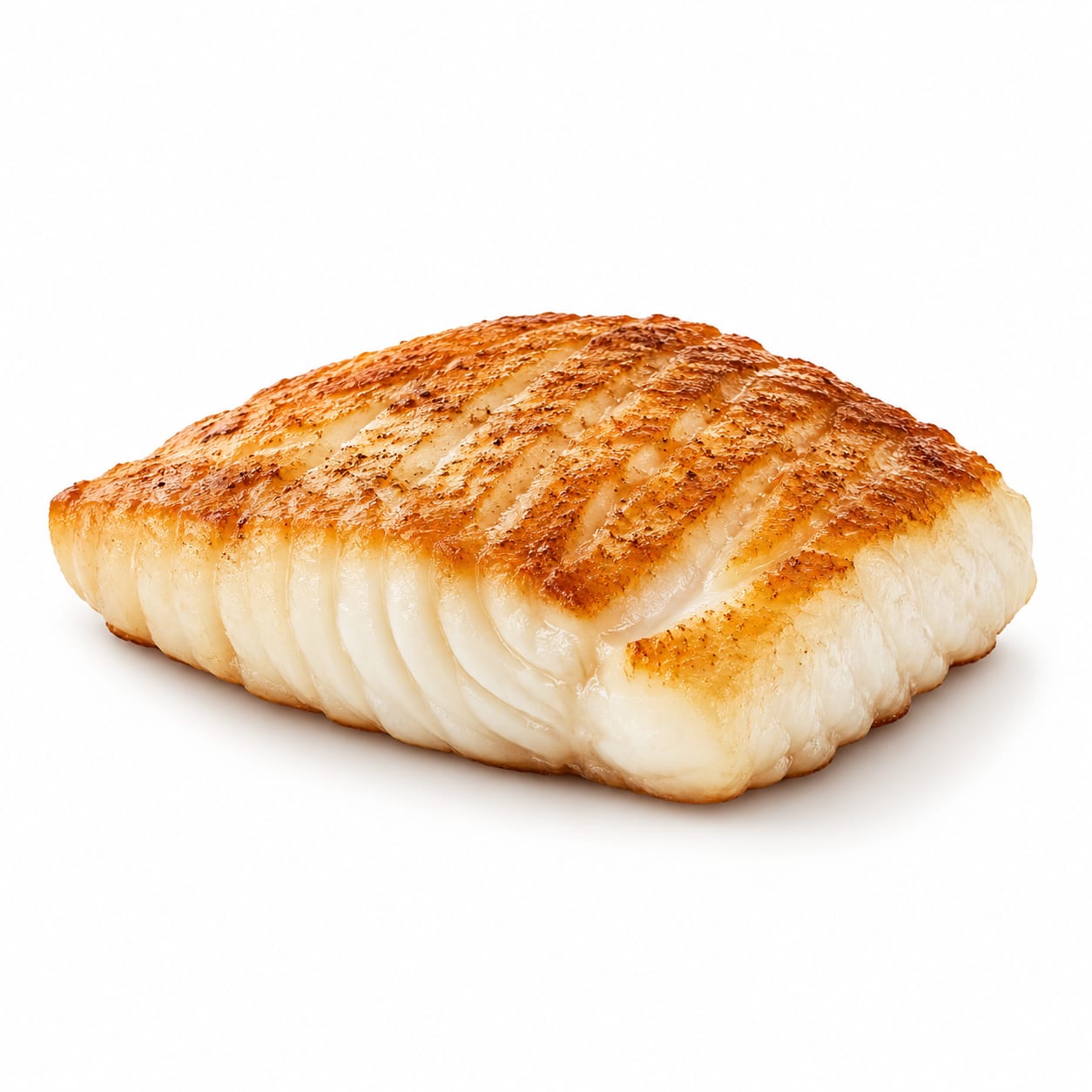
Compare with
Grouper
Grouper has moderate mercury levels, lower than swordfish, allowing for slightly more frequent consumption. Swordfish yields a thicker, meatier steak.
Grouper has lower mercury than swordfish, making it a safer choice for regular meals, while swordfish provides a heartier steak texture.
This food
Swordfish
VS40% alike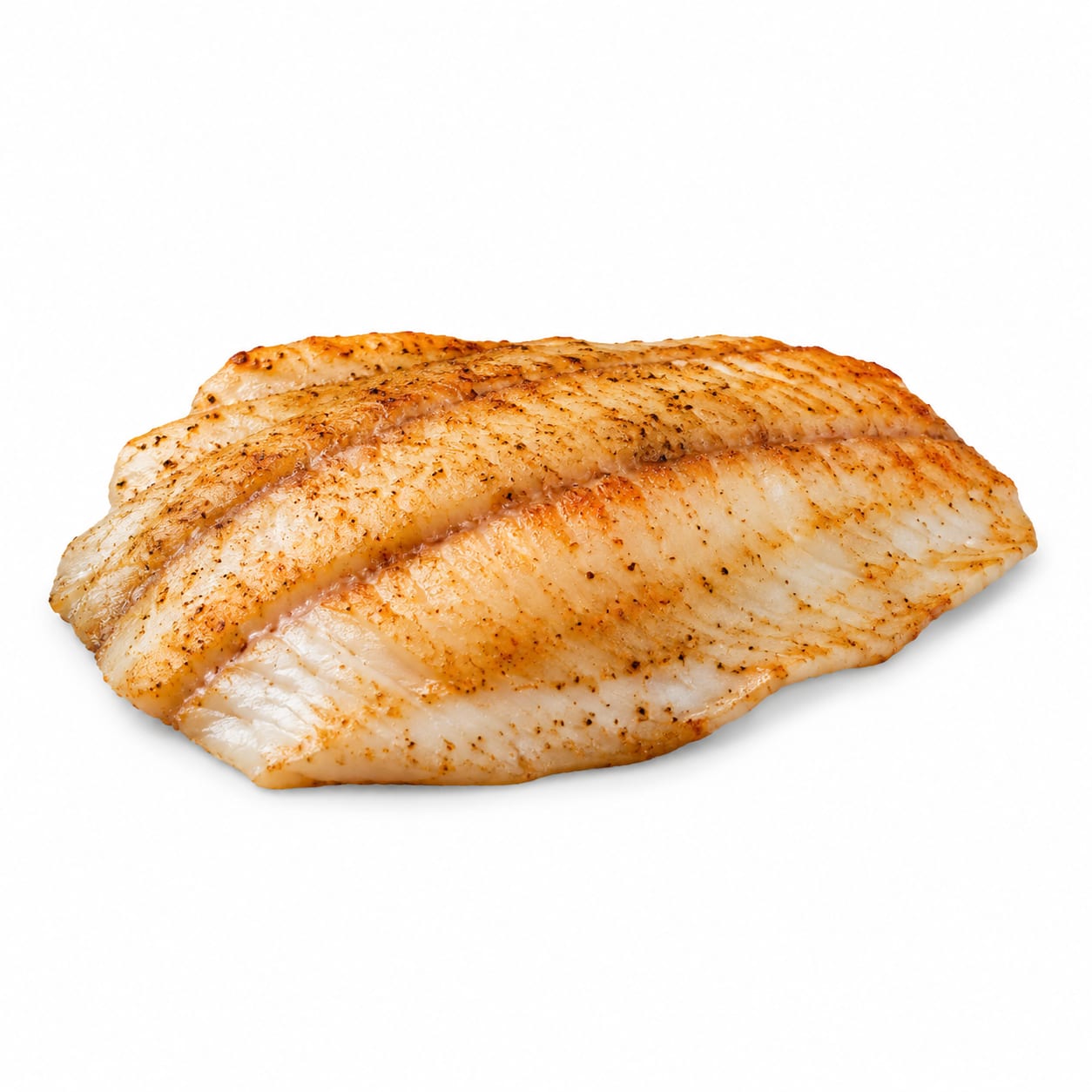
Compare with
Tilapia
Tilapia is a lean, low-mercury, farm-raised fish with mild flavor, safe for daily eating. Swordfish is a fatty, high-mercury, wild-caught fish restricted to occasional eating.
Tilapia is a low-calorie, low-mercury fish safe for frequent consumption, whereas swordfish is a dense, high-mercury fish best eaten occasionally.
Common questions
FAQ
Answers aligned with how people search for this food.
Is swordfish safe to eat?
Yes, for most adults swordfish is safe to eat in moderation. However, due to high mercury levels, it should be limited to one serving per week and avoided entirely by pregnant women and young children.
Why is swordfish high in mercury?
Swordfish are large, long-lived apex predators that accumulate mercury from their diet. As they eat smaller contaminated fish, mercury builds up in their flesh over time through a process called bioaccumulation.
Is swordfish good for weight loss?
Yes, swordfish is high in protein which increases satiety and preserves lean muscle mass, making it a good option for weight loss when portion sizes are controlled and preparation methods are healthy.
Can diabetics eat swordfish?
Yes, swordfish contains zero carbohydrates and will not spike blood sugar. Its protein and fat content also help stabilize post-meal glucose levels.
How often can you eat swordfish?
Most health guidelines recommend that adults eat swordfish no more than once a week to keep mercury exposure within safe limits.
Is swordfish keto-friendly?
Absolutely. Swordfish is carb-free and provides a good balance of protein and fat, making it an excellent protein choice for a ketogenic or low-carb diet.
Does swordfish have omega-3 fatty acids?
Yes, swordfish contains a moderate amount of omega-3 fatty acids, though not as much as salmon or mackerel. The health benefits are somewhat offset by its higher mercury content.
Can you eat swordfish raw?
Eating swordfish raw is not recommended unless it has been properly frozen to kill parasites. Even then, the high mercury content makes frequent raw consumption inadvisable.
Transparency
Data confidence
Estimated confidence for nutrition data, interpretation, safety notes, and comparisons.
Nutrition data
Health analysis
Food safety
Comparisons