
Nutrition comparison
Swordfish vs Shark: Mercury Levels, Safety, and Which to Choose
Compare swordfish and shark on mercury content, nutritional value, sustainability, and safety. Learn which large predatory fish is the better choice and how often you can safely eat either.
Overall winner · Swordfish
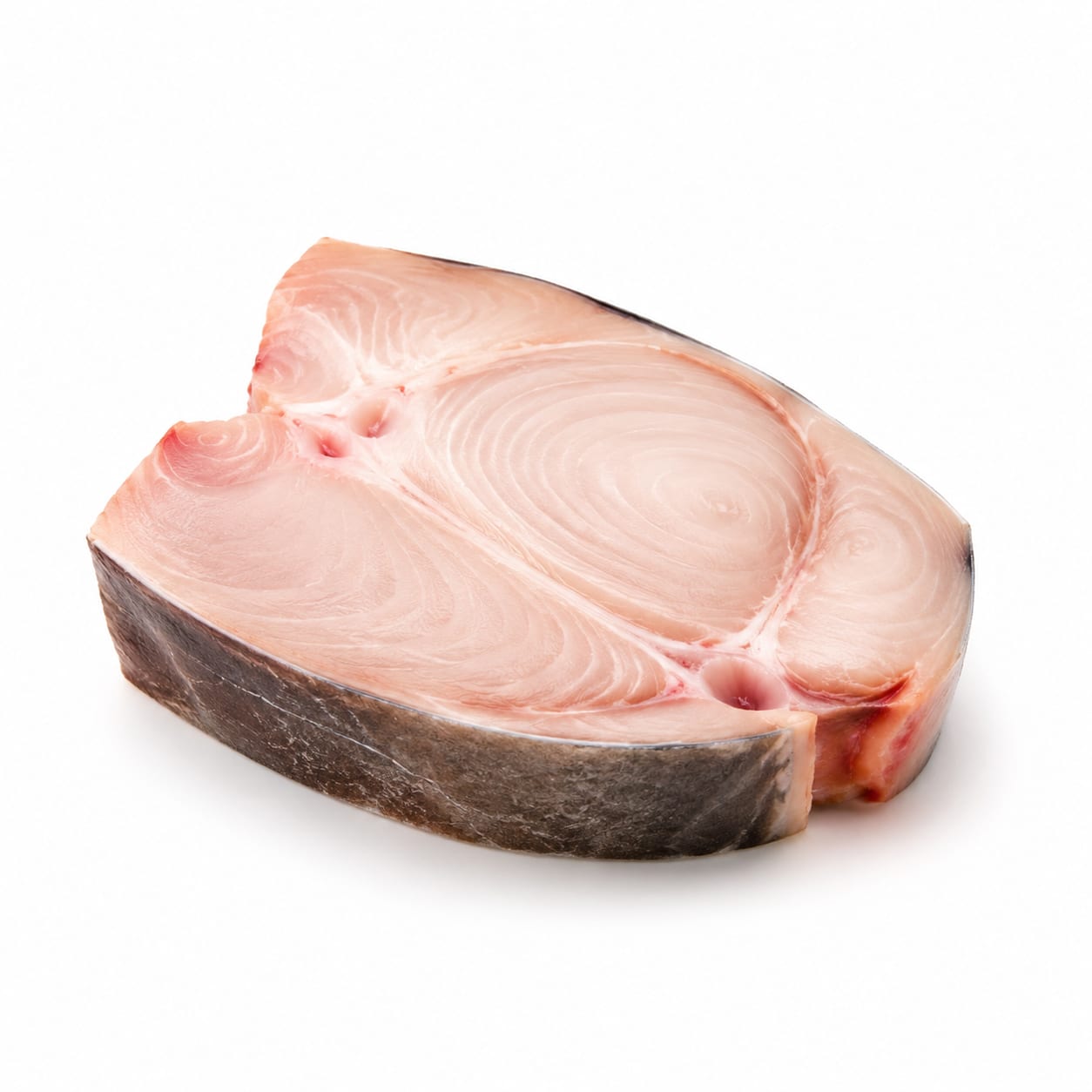
Swordfish
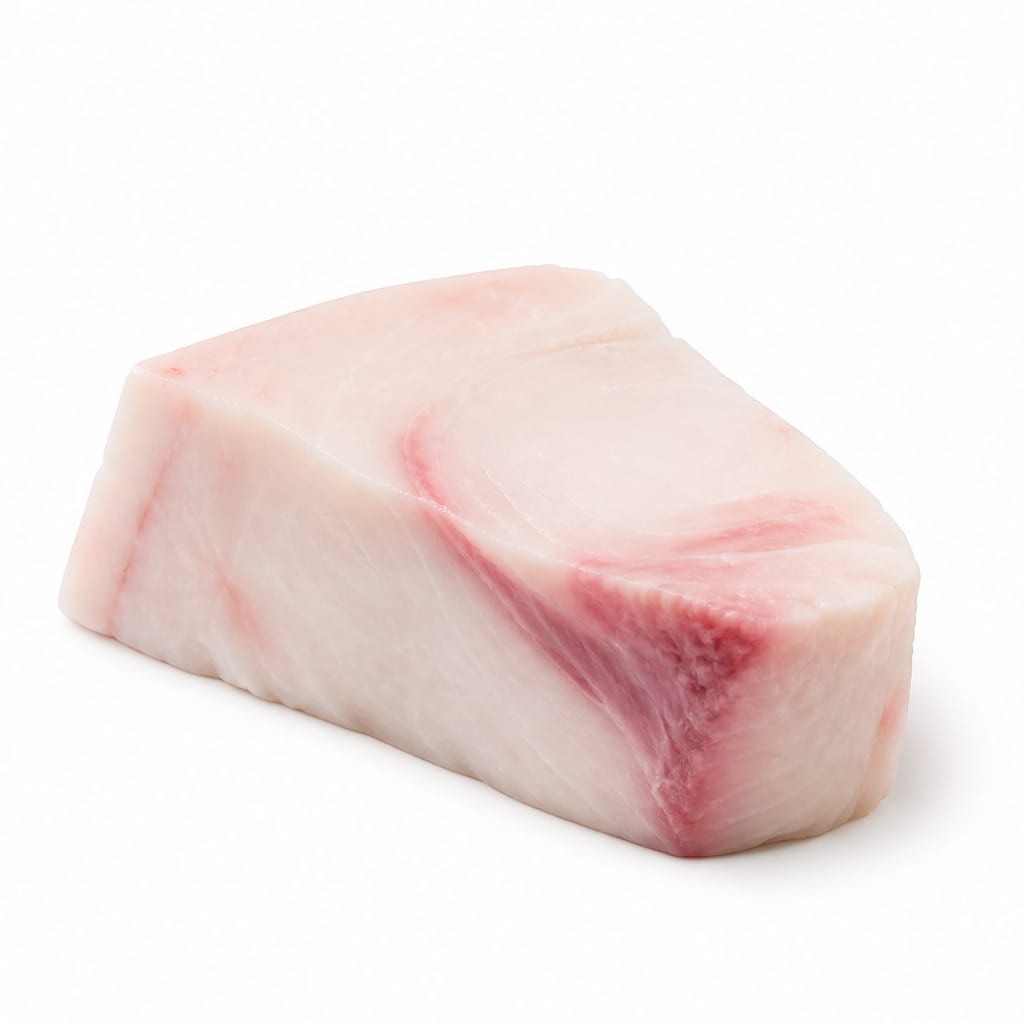
Shark
Swordfish wins narrowly due to slightly lower mercury and better availability, but both are occasional indulgences rather than regular meals
Both score poorly overall because mercury contamination severely limits how often either can be safely eaten. Swordfish scores higher due to moderately lower mercury, wider availability, and fewer sustainability red flags. Shark's extremely high mercury and endangered species concerns drag its score down significantly.
Swordfish offers somewhat safer mercury levels and easier access, while shark carries higher contamination risk and serious sustainability concerns
At a glance
Executive summary
Overall
Swordfish
Healthier
Swordfish
More practical
Swordfish
Daily use
It depends
Key comparison lenses
mercury and heavy metal safety
Both are apex predators that accumulate extremely high mercury levels, making this the dominant health concern for anyone comparing these two fish
frequency of safe consumption
Neither fish should be eaten regularly, so understanding how often each can safely be consumed matters greatly
sustainability and ethical concerns
Shark populations are severely threatened and many species are endangered, raising significant ethical and environmental questions
protein quality and nutrition
Both are dense protein sources but users want to know if one offers meaningfully better nutritional value
culinary usability and taste
Swordfish is more widely available and culinarily versatile, while shark is harder to find and prepare well
Best choice for
Swordfish
- Occasional high-protein dinner when you want a steak-like fish
- People who want the lower-mercury option between the two
- Grilling and hearty meal preparation
Shark
- Cultural or regional cuisines where shark is traditional
- Curiosity-driven one-time culinary experiences
Least suitable for
Swordfish
- Pregnant or breastfeeding women
- Children under 12
- Anyone eating fish multiple times per week
Shark
- Pregnant or breastfeeding women
- Children and adolescents
- Frequent fish consumers
- Anyone concerned about ocean sustainability
Deep comparison
Dimension by dimension
Each lens scores both foods and breaks down who each option suits.
- Dimension 1 · Priority 95Swordfish
Mercury and Contamination Safety
Swordfish · 30Shark · 15Swordfish has very high mercury, but shark typically has even more, often exceeding 1 ppm which places it among the most contaminated seafood available
Tradeoff
Neither is safe for frequent consumption, but if you must choose one, swordfish exposes you to somewhat less mercury per serving
Why it matters
Mercury damages the nervous system and is especially dangerous for developing brains in children and fetuses
Real-world impact
Eating shark regularly could push your mercury levels into dangerous territory within weeks, while swordfish might take a few months of regular consumption to do the same
Swordfish
- Lower mercury per typical serving compared to shark
- More established FDA consumption guidelines exist
Better for
- Still in the FDA's 'do not eat' category for pregnant women
- Mercury levels high enough to limit consumption to once per month or less
Worse for
Shark
- Often contains the highest mercury of any commercially available fish
- Additional heavy metals like lead and cadmium found in some species
- Urea content can convert to ammonia if not properly processed
Worse for
- Dimension 2 · Priority 70It depends
Protein and Nutritional Density
Swordfish · 65Shark · 62Both deliver excellent protein with similar calorie profiles, but the nutritional edge is minimal and overshadowed by contamination concerns
Tradeoff
The protein quality is nearly identical, so this dimension should not drive your decision between these two
Why it matters
If you are choosing fish primarily for protein, safer options like salmon or cod provide similar benefits without the mercury burden
Real-world impact
A 6-ounce serving of either gives you roughly 35-40 grams of protein, comparable to a chicken breast but with significantly more health risk
Swordfish
- Slightly higher selenium content which may help partially counteract mercury effects
- More consistent omega-3 content across different catches
Better for
- Omega-3 levels are modest compared to salmon or sardines
Worse for
Shark
- Comparable protein per serving
- Some species offer slightly more vitamin A
Better for
- Nutritional benefits are negated by the need to severely limit consumption frequency
Worse for
- Dimension 3 · Priority 80Swordfish
Sustainability and Environmental Impact
Swordfish · 35Shark · 10Shark populations have declined dramatically with many species endangered or vulnerable, while swordfish has somewhat better management though still problematic
Tradeoff
Choosing shark directly contributes to the decline of already threatened apex predators critical to ocean ecosystems
Why it matters
Sharks are keystone species whose removal disrupts entire marine food webs, and many species cannot reproduce fast enough to sustain fishing pressure
Real-world impact
Ordering shark at a restaurant or buying it at market creates economic incentive for practices that push species toward extinction
Swordfish
- US swordfish fisheries have improved sustainability practices
- Some swordfish populations have recovered from overfishing
- MSC certification available for certain swordfish sources
Better for
- Bycatch concerns including sea turtles and marine mammals
- Longline fishing methods remain environmentally damaging
Worse for
Shark
- Many shark species are endangered or vulnerable
- Sharks reproduce slowly, making population recovery extremely difficult
- Finning practices remain a global ethical catastrophe
- Removing sharks destabilizes entire ocean ecosystems
Worse for
- Dimension 4 · Priority 55Swordfish
Culinary Versatility and Accessibility
Swordfish · 70Shark · 35Swordfish is widely available, easy to cook, and has a satisfying meaty texture, while shark is harder to find and requires careful preparation
Tradeoff
Swordfish integrates easily into home cooking and restaurant menus, whereas shark demands specialty sourcing and handling knowledge
Why it matters
If you cannot find or properly prepare a food, its theoretical nutritional value becomes irrelevant
Real-world impact
You can find swordfish at most well-stocked fish counters, but shark usually requires specialty markets and comes with ammonia odor risks if not handled correctly
Swordfish
- Widely available at grocery stores and restaurants
- Steak-like texture holds up well to grilling and broiling
- Mild flavor accessible to most palates
Better for
- Limited cooking methods compared to flakier fish
Worse for
Shark
- Unique texture and flavor for adventurous eaters
- Traditional in certain Caribbean and Asian cuisines
Better for
- Ammonia smell if urea was not properly bled from flesh
- Very limited availability in most markets
- Requires immediate processing after catch for palatability
Worse for
- Dimension 5 · Priority 90Swordfish
Safe Consumption Frequency
Swordfish · 25Shark · 10Swordfish should be limited to roughly once per month for adults, while shark is best avoided entirely or consumed only rarely as a novelty
Tradeoff
Neither fish can be a regular part of your diet, but swordfish at least allows occasional enjoyment with manageable risk
Why it matters
A food you can only safely eat once a month or less is fundamentally different from a staple protein source
Real-world impact
If you eat either of these weekly, you are almost certainly accumulating mercury at levels that could cause symptoms over time
Swordfish
- Adults can safely enjoy one serving per month with minimal risk
- Clearer FDA guidance on consumption limits
Better for
- Still too high in mercury for regular inclusion in any diet
- Off-limits entirely for pregnant women and children
Worse for
Shark
- Best avoided entirely according to most health authorities
- No safe regular consumption level exists
- Mercury half-life means accumulation persists for months after a single serving
Worse for
Timeline
Health impact over time
Short-term
Hours to days
Swordfish
- High-quality protein supports satiety and muscle maintenance
- Rich selenium intake from a single serving
- Possible mild digestive heaviness due to dense flesh
Shark
- Similar protein benefits per serving
- Risk of ammonia taste or digestive discomfort if improperly processed
- Potential allergic reactions in sensitive individuals
Long-term
Months to years
Swordfish
- Mercury accumulation with repeated consumption leading to neurological symptoms
- Tingling, numbness, or cognitive changes with chronic exposure
- Cardiovascular concerns linked to heavy metal burden
Shark
- Significantly faster mercury accumulation than swordfish
- Higher risk of mercury toxicity symptoms even with infrequent consumption
- Potential reproductive health effects from persistent heavy metal exposure
Risk profile
Safety & processing
Both swordfish and shark are whole foods sold as fresh or frozen fillets with minimal processing. The concern is not what gets added to them but what they accumulate from ocean pollution during their long lives as apex predators.
Swordfish
Mercury contamination
highAverages 0.995 ppm mercury, placing it in the FDA's highest advisory category alongside shark and tilefish
Parasitic worms
mediumCan carry anisakis nematodes requiring proper freezing or cooking to eliminate
PCBs and dioxins
mediumLong-lived predatory fish accumulate persistent organic pollutants from contaminated waters
Shark
Mercury contamination
highOften exceeds 1.0 ppm mercury, frequently testing higher than swordfish and among the most contaminated seafood available
Additional heavy metals
highLead, cadmium, and arsenic found at elevated levels in many shark species compared to other seafood
Urea and ammonia
mediumSharks retain urea in their flesh for osmoregulation, which converts to ammonia if not bled and processed immediately after catch
Ciguatera toxin
mediumReef-dwelling shark species can carry ciguatera toxin which causes serious gastrointestinal and neurological illness
Who wins for whom
Audience fit
Same foods, different winners depending on your goal.
children
It dependsNeither is appropriate for children. The FDA explicitly advises that children avoid both swordfish and shark entirely due to mercury risks to developing nervous systems
daily consumption
It dependsNeither should be consumed daily. Both require strict consumption limits of once per month or less for adults
diabetes
It dependsBoth have zero carbs and will not spike blood sugar, but mercury concerns are amplified for people with metabolic challenges who may have impaired detoxification
elderly
SwordfishSwordfish has slightly lower mercury risk, which matters more for older adults who may already have diminished detoxification capacity, but both should be rare treats
muscle gain
It dependsProtein content is nearly identical and adequate for muscle support, but safer fish like salmon or tuna are better regular choices
weight loss
It dependsBoth are high-protein, low-carb options, but neither should be consumed frequently enough to serve as a weight loss staple
Your move
Decision guide
Choose Swordfish
- You want the lower-mercury option between these two apex predators
- You are planning a special occasion meal and want a steak-like fish
- You want something available at most quality fish counters
- You care about somewhat better sustainability practices
Choose Shark
- You are exploring a traditional cuisine where shark is culturally significant
- You want a novelty culinary experience and understand the risks
- No other options exist in your region and you need protein
Either works if
- You are a healthy adult limiting consumption to once per month or less
- You want a dense, meaty fish texture for grilling
Avoid both if
- You are pregnant, breastfeeding, or trying to conceive
- You are feeding children under 12
- You already eat fish regularly and are concerned about cumulative mercury
- You have neurological symptoms like tingling or numbness
- You care deeply about ocean sustainability and want low-impact seafood choices
Final recommendation
If you must choose between swordfish and shark, swordfish is the clearly better option with somewhat lower mercury, better availability, and fewer sustainability red flags. However, the honest recommendation is to choose neither on a regular basis. Salmon, sardines, anchovies, and mackerel provide omega-3s and protein with a fraction of the contamination risk. Save swordfish for an occasional treat, and consider avoiding shark entirely for both health and environmental reasons.
Practical
Consumer tips
- 1
Limit swordfish to one serving per month maximum if you are a healthy adult
- 2
Never eat shark if you are pregnant, planning pregnancy, or feeding children
- 3
Pair either fish with selenium-rich foods like Brazil nuts, which may help bind mercury
- 4
Check local fish advisories if sourcing from specific regions as contamination varies
- 5
Choose younger, smaller swordfish when possible as they accumulate less mercury
- 6
Seek out MSC-certified swordfish if sustainability matters to your purchasing decisions
- 7
Consider salmon, Arctic char, or black cod as safer alternatives with similar culinary appeal
- 8
If you experience tingling, muscle weakness, or unusual fatigue after eating these fish, consult a doctor about mercury testing