
Nutrition comparison
Swordfish vs Tilapia: Mercury, Omega-3, and Which Fish Is Safer to Eat
Compare Swordfish and Tilapia on mercury safety, omega-3 content, protein quality, and price. Find out which fish is better for daily eating, pregnancy, and your budget.
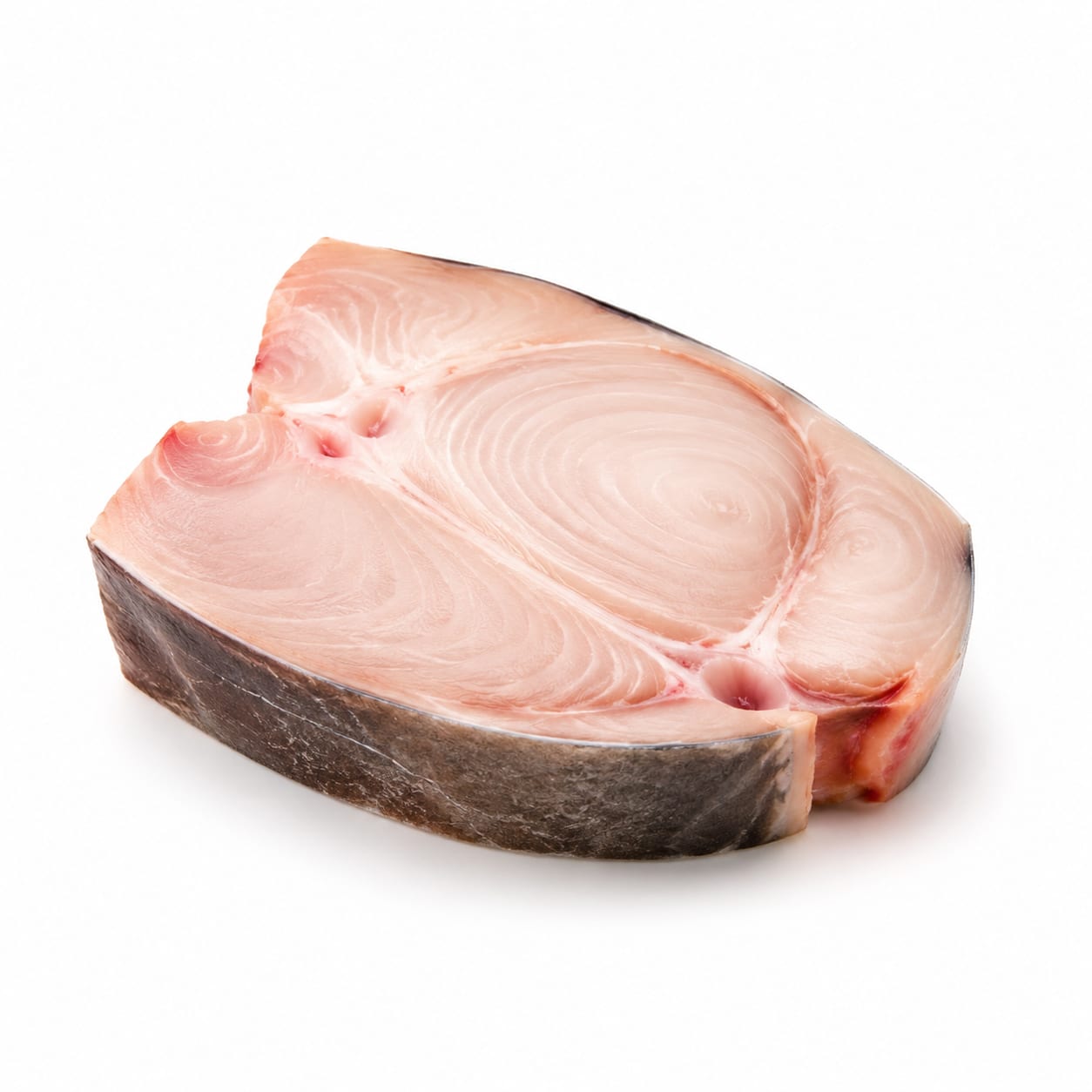
Swordfish
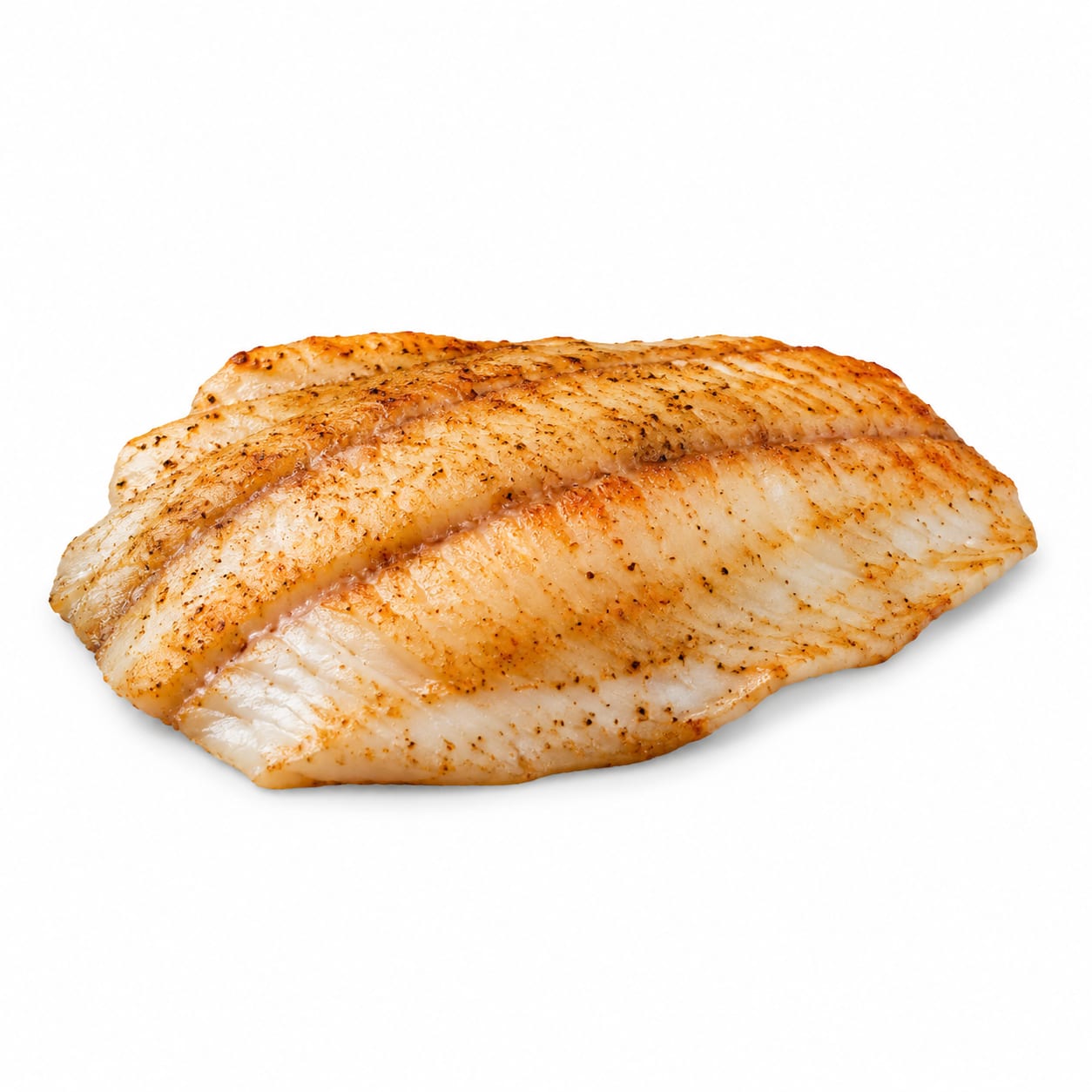
Tilapia
Tilapia is the safer everyday fish, but Swordfish delivers far more omega-3s and nutrients when eaten occasionally.
Tilapia scores higher overall because its safety profile and everyday usability outweigh Swordfish's nutritional edge. Swordfish loses significant points due to mercury risk, which restricts consumption frequency and excludes vulnerable populations entirely.
You choose between Tilapia's safety and affordability versus Swordfish's superior nutrition and richer flavor — but mercury limits how often Swordfish can responsibly be eaten.
At a glance
Executive summary
Overall
It depends
Healthier
Tilapia
More practical
Tilapia
Daily use
Tilapia
Key comparison lenses
mercury safety and frequent consumption risk
Swordfish is one of the highest-mercury fish available, while Tilapia is among the lowest — this is the dominant health concern for most eaters
vulnerable population safety
Pregnant women, children, and frequent fish eaters face real mercury risks with Swordfish that Tilapia avoids entirely
omega-3 nutritional benefit comparison
Swordfish delivers significantly more anti-inflammatory omega-3s, which is the main reason people choose fish over other proteins
budget and everyday practicality
Tilapia is one of the most affordable fish at the grocery store, while Swordfish is a premium-priced protein
sustainability and environmental impact
Tilapia farming has mixed environmental records, while Swordfish populations have recovered but still face bycatch concerns
Best choice for
Swordfish
- Occasional omega-3 boost for healthy adults
- Restaurant-quality seafood meals
- Athletes needing nutrient-dense protein
- People who rarely eat fish and want maximum benefit per serving
Tilapia
- Frequent fish eaters who need a safe staple
- Pregnant women and children
- Budget-conscious meal prep
- Anyone eating fish 3+ times per week
Least suitable for
Swordfish
- Pregnant or breastfeeding women
- Children under 12
- Anyone eating fish daily
- People with mercury sensitivity concerns
Tilapia
- Those seeking high omega-3 intake from food alone
- Diners wanting a premium steak-like fish experience
- People avoiding farmed seafood
Deep comparison
Dimension by dimension
Each lens scores both foods and breaks down who each option suits.
- Dimension 1 · Priority 95Tilapia
Mercury and Contaminant Safety
Swordfish · 20Tilapia · 92Swordfish consistently ranks among the highest-mercury commercial fish, while Tilapia ranks among the lowest.
Tradeoff
Swordfish's deep-ocean predatory diet accumulates mercury; Tilapia's plant-based diet and short lifespan keep mercury minimal.
Why it matters
High mercury exposure damages neurological function and is especially dangerous for developing brains in fetuses and children.
Real-world impact
Eating Swordfish weekly can push mercury levels above EPA safe limits. Tilapia can be eaten daily without meaningful mercury concern.
Swordfish
- No advantage in this category
Better for
- Not safe for pregnant or breastfeeding women
- Should be limited to once per week maximum for adults
- Cumulative mercury buildup with frequent consumption
Worse for
Tilapia
- Safe for pregnant women and children
- No consumption frequency limits needed
- Peace of mind for regular fish eaters
Better for
- May contain antibiotic residues from some farming operations
Worse for
- Dimension 2 · Priority 85Swordfish
Omega-3 and Anti-Inflammatory Value
Swordfish · 82Tilapia · 30Swordfish delivers roughly 4-5 times more omega-3 fatty acids than Tilapia per serving.
Tradeoff
You get real anti-inflammatory benefits from Swordfish, but you cannot access them frequently enough to make them a daily strategy.
Why it matters
Omega-3s support heart health, brain function, and joint comfort — the main reason health experts recommend eating fish.
Real-world impact
One Swordfish meal gives you a meaningful omega-3 dose. You would need multiple Tilapia meals to approach the same intake.
Swordfish
- Stronger anti-inflammatory support per serving
- Better for heart and brain health when eaten occasionally
- More efficient way to get EPA and DHA from food
Better for
- Cannot be eaten often enough to serve as a daily omega-3 strategy
Worse for
Tilapia
- Can be eaten frequently, allowing cumulative omega-3 intake over time
Better for
- Very low EPA and DHA per serving
- Not a reliable standalone omega-3 source
Worse for
- Dimension 3 · Priority 75Swordfish
Protein Quality and Nutrient Density
Swordfish · 85Tilapia · 68Swordfish packs more protein per calorie and delivers substantially more selenium, vitamin D, and vitamin B12.
Tradeoff
Swordfish is the more nutrient-dense choice, but Tilapia still provides solid lean protein with fewer calories per serving.
Why it matters
Selenium supports thyroid and immune function. Vitamin D is hard to get from food. B12 matters for energy and nerve health.
Real-world impact
A Swordfish steak feels more satisfying and nutritionally complete. Tilapia works well as a light, clean protein source.
Swordfish
- More complete micronutrient profile per serving
- Higher selenium for thyroid and immune support
- Excellent vitamin D source — rare in food
- More B12 for energy metabolism
Better for
- Higher calorie density if watching intake
Worse for
Tilapia
- Lower calorie per serving for weight-conscious eaters
- Easier to portion control
Better for
- Less micronutrient bang per bite
- Minimal vitamin D content
Worse for
- Dimension 4 · Priority 70Tilapia
Affordability and Accessibility
Swordfish · 25Tilapia · 90Tilapia is one of the most budget-friendly fish available. Swordfish is a premium-priced protein.
Tradeoff
Tilapia makes regular fish consumption financially realistic. Swordfish is more of a special-occasion purchase.
Why it matters
Nutrition only works if you can afford it consistently. A cheap fish eaten twice a week beats an expensive fish eaten once a month.
Real-world impact
Tilapia often costs $4-7 per pound. Swordfish typically runs $20-30 per pound. That difference shapes weekly meal planning.
Swordfish
- No real affordability advantage
Better for
- Premium price limits how often most people can eat it
- Not available at all grocery stores
Worse for
Tilapia
- Feeds a family on a budget
- Available at nearly every grocery store
- Makes frequent fish consumption financially sustainable
Better for
- No significant accessibility downside
Worse for
- Dimension 5 · Priority 60It depends
Culinary Versatility and Satisfaction
Swordfish · 75Tilapia · 70Swordfish offers a meaty, steak-like eating experience. Tilapia provides a mild, flaky canvas for any flavor.
Tradeoff
Swordfish stands on its own as a centerpiece. Tilapia adapts to any cuisine but can feel bland without seasoning.
Why it matters
Enjoyment drives consistency. The best fish for you is the one you actually want to cook and eat.
Real-world impact
Swordfish grills beautifully and feels like a restaurant meal at home. Tilapia disappears into tacos, curries, and sheet pans effortlessly.
Swordfish
- Grills and sears with steak-like texture
- More filling and satisfying per serving
- Feels like a special meal
Better for
- Can dry out if overcooked
- Limited to grilling, broiling, or searing
Worse for
Tilapia
- Takes on any marinade or seasoning
- Works in tacos, soups, stir-fries, and casseroles
- Cooks in under 10 minutes
Better for
- Can feel watery or bland without proper seasoning
- Less satisfying as a standalone centerpiece
Worse for
Timeline
Health impact over time
Short-term
Hours to days
Swordfish
- High protein and fat content provides lasting fullness
- Rich omega-3 dose may reduce post-meal inflammation
- Heavier meal that may feel too rich before physical activity
Tilapia
- Light and easy to digest
- Low calorie load suits weight-conscious meals
- Unlikely to cause digestive discomfort
Long-term
Months to years
Swordfish
- Mercury accumulation with frequent consumption — neurological risk
- Occasional consumption supports heart and brain health through omega-3s
- Selenium may provide thyroid and immune benefits over time
- Risk outweighs benefit if eaten more than once per week
Tilapia
- Safe for unlimited weekly consumption without mercury concern
- Low omega-3s mean less cardiovascular protection from fish alone
- Farmed sourcing may expose to antibiotics if not carefully selected
- Consistent lean protein supports weight management long-term
Risk profile
Safety & processing
Both fish are sold as whole muscle cuts without additives. However, farmed Tilapia may involve antibiotic or chemical treatments during production that wild-caught Swordfish avoids. Choose wild-caught or responsibly farmed Tilapia when possible.
Swordfish
Mercury contamination
highSwordfish averages 0.995 ppm mercury — among the highest of any commercial fish. FDA advises pregnant women and children to avoid it entirely.
Parasitic worms
mediumLike many wild ocean fish, Swordfish can carry anisakis parasites. Proper cooking or freezing eliminates this risk.
Tilapia
Antibiotic residues from farming
mediumSome Tilapia farming operations, particularly in certain regions, use antibiotics that may leave residues. Look for US, Canadian, or Ecuadorian farmed sources.
Microplastic exposure
lowFarmed Tilapia in closed systems have lower microplastic exposure than wild ocean fish, though feed quality varies.
Who wins for whom
Audience fit
Same foods, different winners depending on your goal.
children
TilapiaThe FDA explicitly recommends children avoid Swordfish due to mercury. Tilapia is considered a safe choice for kids.
daily consumption
TilapiaTilapia can safely be eaten every day. Swordfish should be limited to once per week at most for healthy adults.
diabetes
TilapiaBoth fish have zero carbs and minimal impact on blood sugar. Tilapia wins on safety for regular consumption, which matters more for daily glucose management.
elderly
TilapiaOlder adults benefit from frequent fish consumption for heart and cognitive health. Tilapia's safety profile allows daily eating, while Swordfish's mercury risk is harder for aging bodies to clear.
muscle gain
SwordfishSwordfish delivers more protein per serving along with selenium and B12, which support recovery and energy metabolism — ideal for occasional post-workout meals.
weight loss
TilapiaTilapia provides lean protein with fewer calories per serving and can be eaten daily without safety concerns, making it easier to sustain a calorie deficit.
Your move
Decision guide
Choose Swordfish
- You are a healthy adult who eats fish only 1-2 times per week and wants maximum nutritional impact
- You are seeking a restaurant-quality steak-like fish for a special meal
- You want a potent omega-3 dose without taking supplements
- You have confirmed low mercury levels and no pregnancy plans
Choose Tilapia
- You eat fish 3 or more times per week
- You are pregnant, breastfeeding, or feeding children
- You need an affordable protein source for weekly meal prep
- You want a versatile fish that works in any recipe
- You are concerned about mercury accumulation
Either works if
- You want a zero-carb, high-protein main dish
- You are looking for a dinner that pairs well with roasted vegetables
- You prefer fish over meat but have no specific nutritional target
Avoid both if
- You have a fish or shellfish allergy
- You are strictly vegan or vegetarian
- You are seeking plant-based omega-3 sources only
Final recommendation
Make Tilapia your everyday fish and treat Swordfish as an occasional indulgence. This gives you the safety and affordability of Tilapia for regular meals while still enjoying Swordfish's richer nutrition and flavor once or twice a month. If you eat fish less than twice a week, Swordfish becomes more attractive — but most health-conscious eaters benefit from frequent, safe fish consumption over rare, nutrient-dense servings.
Practical
Consumer tips
- 1
Limit Swordfish to once per week maximum if you are a healthy adult, and avoid it entirely if pregnant or feeding children
- 2
Look for US-farmed, Canadian, or Ecuadorian Tilapia to reduce antibiotic exposure risk
- 3
Pair Tilapia with omega-3-rich sides like walnuts or flaxseed to compensate for its low EPA and DHA content
- 4
Check EPA advisories for Swordfish sourced from specific regions, as mercury levels can vary
- 5
If you love Swordfish but worry about mercury, consider substituting with halibut or mahi-mahi — similar texture with lower mercury
- 6
Grill or sear Swordfish to medium doneness to preserve moisture and avoid drying it out
- 7
Season Tilapia boldly with citrus, garlic, and herbs to overcome its naturally mild flavor