
Nutrition comparison
Swordfish vs Tuna Steak: Mercury, Nutrition, and Which Is Safer to Eat
Compare Swordfish and Tuna Steak on mercury levels, protein, omega-3s, and safety. Find out which fish is better for regular consumption and who should avoid each.
Overall winner · Tuna Steak
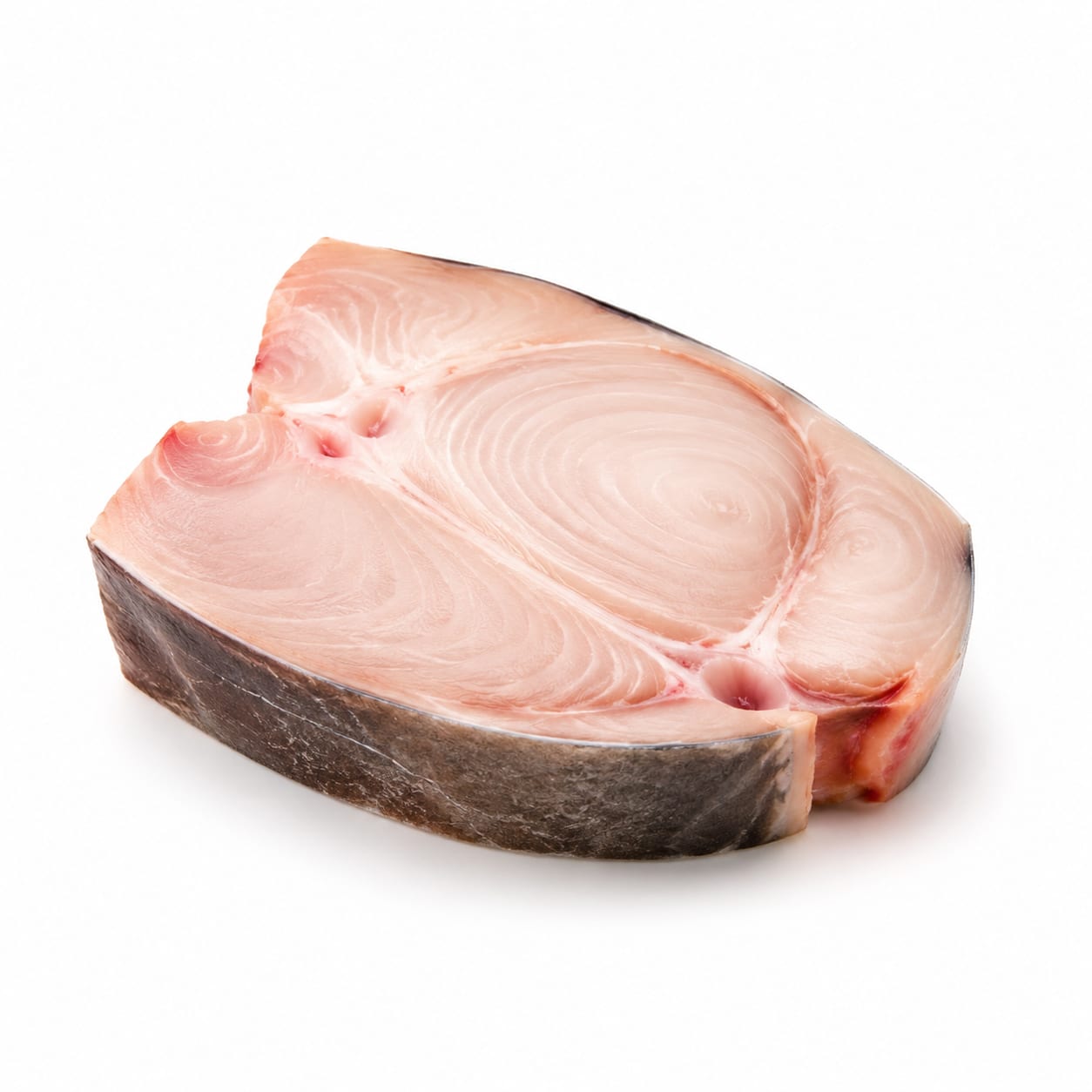
Swordfish
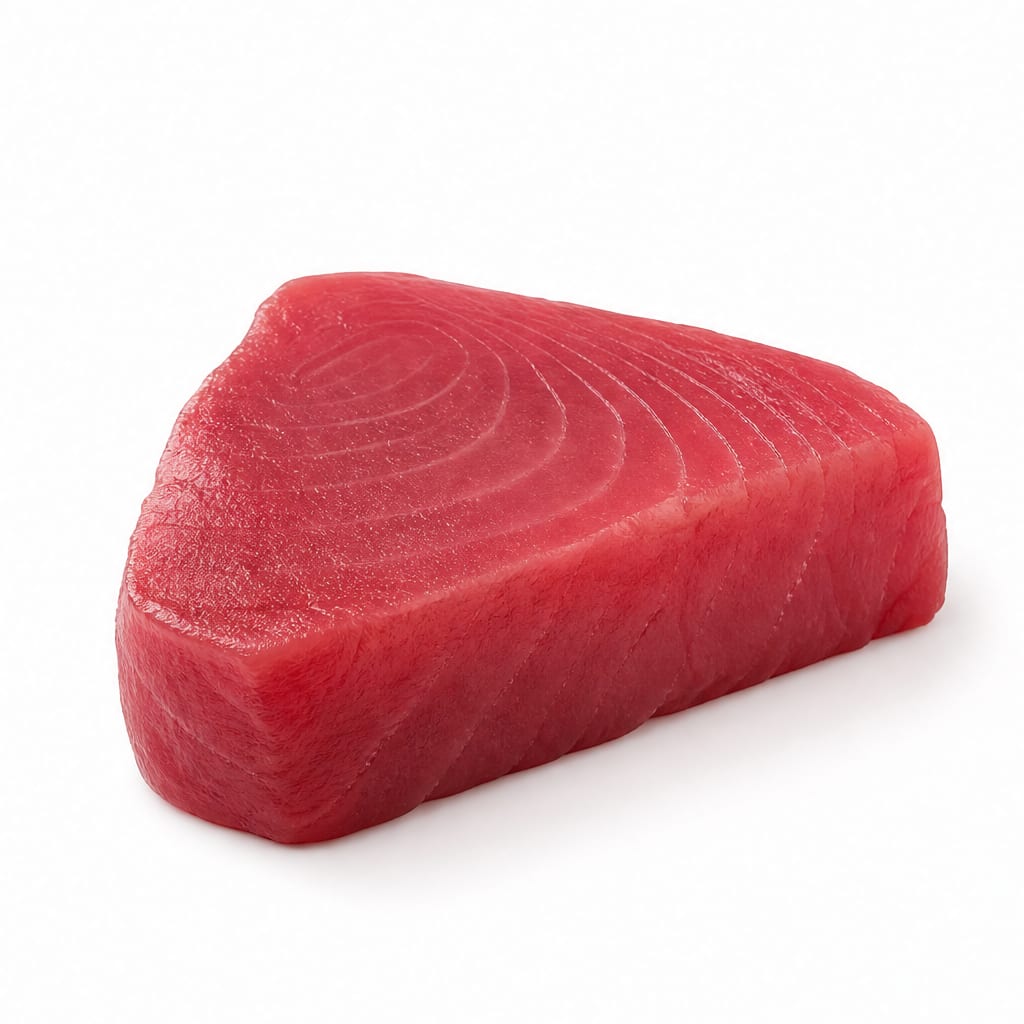
Tuna Steak
Tuna Steak delivers similar protein and better omega-3s with significantly lower mercury, making it the safer and more practical choice for regular consumption.
Tuna Steak scores meaningfully higher because mercury safety dominates real-world decision-making. Swordfish is nutritionally excellent in isolation, but its high mercury content makes frequent consumption inadvisable, which drags down its practical health score significantly.
Swordfish offers a uniquely meaty, steak-like texture that some diners love, but its mercury levels are roughly 3 times higher than Tuna Steak, severely limiting how often you can safely eat it.
At a glance
Executive summary
Overall
Tuna Steak
Healthier
Tuna Steak
More practical
Tuna Steak
Daily use
Tuna Steak
Key comparison lenses
mercury and heavy metal safety
Swordfish is one of the highest-mercury fish available; this is the single most important factor in this comparison
safe consumption frequency
Mercury levels directly limit how often each fish can be eaten, making this a practical daily-life concern
protein quality for muscle and satiety
Both are premium protein sources, so subtle differences in protein density and amino acid profile matter
omega-3 and heart health benefits
Users choosing between these fish often care about cardiovascular and anti-inflammatory benefits
versatility and meal integration
Tuna Steak works in more recipes and preparations, while Swordfish has a narrower culinary role
Best choice for
Swordfish
- Occidental dinner indulgence where texture matters more than frequency
- Grilling enthusiasts who want a steak-like fish that holds together firmly
- Special occasion meals where mercury exposure from a single serving is acceptable
Tuna Steak
- Regular weekly seafood meals with manageable mercury risk
- Active individuals wanting lean protein with strong omega-3 benefits
- Home cooks wanting a versatile fish for searing, grilling, or raw preparations
Least suitable for
Swordfish
- Pregnant women, nursing mothers, and young children due to high mercury
- Anyone planning to eat fish multiple times per week
- People concerned about long-term heavy metal accumulation
Tuna Steak
- Pregnant women who need to limit even moderate-mercury fish
- People avoiding fish entirely due to allergy or preference
- Those seeking the lowest-mercury fish options available
Deep comparison
Dimension by dimension
Each lens scores both foods and breaks down who each option suits.
- Dimension 1 · Priority 95Tuna Steak
Mercury & Heavy Metal Safety
Swordfish · 20Tuna Steak · 55Swordfish averages around 0.995 ppm mercury, one of the highest of any commonly eaten fish. Tuna Steak (especially fresh or albacore) averages roughly 0.35 ppm — still elevated, but far less concerning.
Tradeoff
Neither fish is low-mercury, but Swordfish sits in the FDA's 'do not eat' category for vulnerable populations, while Tuna Steak falls in the 'limit consumption' category.
Why it matters
Chronic mercury exposure harms the nervous system, kidneys, and cardiovascular health. The difference between these two fish is the difference between eating a food occasionally versus avoiding it almost entirely.
Real-world impact
You can reasonably eat Tuna Steak once a week. Swordfish should be limited to once a month or less, and many health authorities recommend vulnerable groups avoid it completely.
Swordfish
- Those willing to accept higher mercury for a rare indulgence
Better for
- Pregnant and nursing women
- Children under 12
- People with multiple seafood meals per week
Worse for
Tuna Steak
- Anyone eating fish weekly
- Families with children
- Long-term health optimizers
Better for
- Those who need the absolute lowest mercury options like salmon or sardines
Worse for
- Dimension 2 · Priority 80Swordfish
Protein Quality & Density
Swordfish · 88Tuna Steak · 85Swordfish edges ahead slightly with about 20g protein per 100g versus Tuna Steak's 19g. Both provide complete, high-quality protein with all essential amino acids.
Tradeoff
The protein difference is minimal and unlikely to matter in practice. Both fish are excellent protein sources that outperform most other animal proteins on a per-calorie basis.
Why it matters
For muscle maintenance, satiety, and metabolic health, both options deliver outstanding protein. The minor advantage Swordfish holds here is overshadowed by its mercury disadvantage.
Real-world impact
After either fish, you will feel full and satisfied. The 1g protein difference per serving is irrelevant for most people's goals.
Swordfish
- Bodybuilders counting every gram of protein who eat fish infrequently
Better for
- Anyone who cannot safely eat Swordfish regularly enough for protein to accumulate
Worse for
Tuna Steak
- Most people seeking high-quality protein without excessive mercury
Better for
- Dimension 3 · Priority 75Tuna Steak
Omega-3 & Heart Health
Swordfish · 55Tuna Steak · 72Tuna Steak provides roughly 1.0-1.5g of combined EPA and DHA omega-3s per serving, while Swordfish offers about 0.5-0.8g. Tuna is the clearly better source of anti-inflammatory fats.
Tradeoff
Swordfish still contributes meaningful omega-3s, but Tuna Steak delivers nearly double the heart-healthy fats per serving.
Why it matters
Omega-3s from fish reduce inflammation, support brain function, and lower cardiovascular disease risk. This is a primary reason people choose fish over other proteins.
Real-world impact
Eating Tuna Steak twice a week gives you a meaningful omega-3 boost. Swordfish cannot be eaten that frequently safely, so its omega-3 contribution is limited in practice.
Swordfish
- People who need consistent omega-3 intake but cannot eat Swordfish often
Worse for
Tuna Steak
- People eating fish primarily for heart health
- Those managing inflammatory conditions
- Anyone wanting maximum omega-3 per serving
Better for
- Dimension 4 · Priority 60Tuna Steak
Versatility & Meal Integration
Swordfish · 50Tuna Steak · 78Tuna Steak works beautifully seared, grilled, baked, or even raw as sushi or poke. Swordfish is best grilled or broiled and does not work raw due to texture and parasite concerns.
Tradeoff
Swordfish has a dense, meaty texture that some people love, but it is a one-trick culinary fish. Tuna Steak opens up far more cooking options.
Why it matters
A protein you enjoy cooking multiple ways is easier to incorporate into your weekly routine without getting bored.
Real-world impact
Tuna Steak can be a weeknight seared dinner, a weekend grilled centerpiece, or a raw appetizer. Swordfish is mainly a grilling or broiling fish.
Swordfish
- Grilling purists who love a firm, steak-like texture
Better for
- Anyone wanting raw or lightly cooked preparations
Worse for
Tuna Steak
- Home cooks wanting flexibility
- Sushi and poke lovers
- People who enjoy varying their cooking methods
Better for
- Dimension 5 · Priority 65It depends
Satiety & Fullness
Swordfish · 82Tuna Steak · 80Both fish are extremely filling due to high protein and moderate fat content. Swordfish is slightly fattier, which may prolong satiety marginally.
Tradeoff
The satiety difference is negligible. Both will keep you full for hours after a meal.
Why it matters
Protein-rich fish is one of the most satiating food categories. Either choice will reduce hunger and snacking afterward.
Real-world impact
After a 6oz serving of either fish, you are unlikely to feel hungry for 4-5 hours. The slight fat advantage of Swordfish may add 30-60 minutes of fullness.
Swordfish
- Those who find higher-fat proteins more satisfying
Better for
Tuna Steak
- Those who prefer leaner proteins that feel lighter after eating
Better for
Timeline
Health impact over time
Short-term
Hours to days
Swordfish
- Excellent post-meal satiety from dense protein and moderate fat
- Steady energy with no blood sugar spike
- Heavy, satisfying meal feel that reduces snacking urge
Tuna Steak
- Strong satiety with a slightly lighter post-meal feel
- Clean energy from lean protein with minimal fat slowdown
- Quick preparation options make it easier to eat well on busy days
Long-term
Months to years
Swordfish
- Mercury accumulation is a real concern with regular consumption, potentially affecting neurological and cardiovascular health
- Omega-3 benefits are present but limited by how infrequently Swordfish should be eaten
- Occasional consumption is fine for most adults, but cumulative mercury risk grows with frequency
Tuna Steak
- Moderate mercury means weekly consumption is generally safe for most adults, delivering consistent omega-3 benefits
- Regular intake supports heart health, brain function, and inflammation reduction
- Still not ideal for daily consumption — rotating with lower-mercury fish like salmon or sardines is wise
Risk profile
Safety & processing
Both Swordfish and Tuna Steak are typically sold as fresh or frozen whole cuts with no additives. When purchased as fresh steaks, neither raises processing concerns. The main risk difference is environmental contamination, not industrial processing.
Swordfish
Mercury contamination
highSwordfish consistently ranks among the top 4 highest-mercury fish tested by the FDA. Average mercury levels around 0.995 ppm are roughly 3 times higher than Tuna Steak. The EPA and FDA advise pregnant women, nursing mothers, and young children to avoid Swordfish entirely.
Parasite risk from raw consumption
mediumSwordfish can carry parasites and is not recommended for raw preparations unless previously frozen to FDA specifications for parasite destruction.
Overfishing and sustainability concerns
mediumSome Swordfish populations have been overfished. Look for MSC-certified or US-caught Swordfish for better sustainability practices.
Tuna Steak
Mercury contamination
mediumTuna Steak (fresh or albacore) contains moderate mercury, averaging around 0.35 ppm. The FDA recommends limiting consumption to once per week for most adults and avoiding it entirely for pregnant women or choosing light canned tuna instead.
Scombroid toxin risk
lowImproperly stored Tuna can develop histamine toxicity causing scombroid poisoning, which produces allergic-like symptoms. This is easily avoided by buying from reputable sources and keeping fish cold.
Sustainability variability
mediumTuna sustainability varies greatly by species and catch method. Bluefin tuna is severely overfished, while skipjack and albacore from well-managed fisheries are better choices.
Who wins for whom
Audience fit
Same foods, different winners depending on your goal.
children
Tuna SteakNeither is ideal for young children due to mercury, but if a child eats one of these, Tuna Steak poses meaningfully lower risk. Many health authorities recommend avoiding Swordfish entirely for children under 12.
daily consumption
Tuna SteakNeither should be eaten daily, but Tuna Steak at once per week is a reasonable routine. Swordfish should be limited to once per month at most.
diabetes
Tuna SteakBoth have zero carbs and will not spike blood sugar. Tuna Steak's higher omega-3 content and safer consumption frequency make it the better regular choice for managing diabetes-related inflammation.
elderly
Tuna SteakOlder adults benefit from consistent omega-3 intake for brain and heart health. Tuna Steak can be eaten weekly, making it a more reliable source. Swordfish's mercury risk is harder to justify as the body's detoxification capacity declines with age.
muscle gain
Tuna SteakBoth provide excellent protein, but Tuna Steak can be consumed more regularly, supporting consistent muscle protein synthesis throughout the week.
weight loss
Tuna SteakTuna Steak is slightly leaner and can be eaten more frequently, making it easier to incorporate into a consistent weight loss routine without mercury concerns.
Your move
Decision guide
Choose Swordfish
- You are dining at a high-end restaurant and want a unique, meaty fish experience
- You eat fish rarely and want something special when you do
- You are an adult with no pregnancy risk who limits high-mercury fish otherwise
- You love grilling thick, steak-like fish that holds up to bold marinades
Choose Tuna Steak
- You want a premium fish you can eat weekly without worry
- Heart health and omega-3 intake are primary goals
- You enjoy varied preparations including searing, grilling, or raw dishes
- You want the best balance of nutrition, safety, and versatility in one fish
Either works if
- You are an adult who rotates through multiple protein sources and eats fish only occasionally
- You want a high-protein, zero-carb main course for a special dinner
- Both are available fresh and you want whichever looks better at the fish counter
Avoid both if
- You are pregnant, nursing, or planning pregnancy — choose salmon, sardines, or trout instead
- You are feeding children under 12 — opt for low-mercury fish like cod, tilapia, or salmon
- You already eat high-mercury fish regularly and need to reduce cumulative exposure
- You have known elevated mercury levels from prior testing
Final recommendation
Tuna Steak is the better choice for most people most of the time. It delivers nearly the same protein, more omega-3s, and significantly lower mercury. Swordfish is a fine occasional indulgence for healthy adults who love its unique texture, but it should never be a regular menu item. If you eat fish for health benefits, Tuna Steak gets you there more safely and more consistently.
Practical
Consumer tips
- 1
Limit Swordfish to once per month maximum, and avoid it entirely if you are pregnant or feeding children
- 2
Tuna Steak is safe for most adults once per week — pair it with low-mercury fish like salmon on other days
- 3
Buy from reputable fish markets that can tell you where and how the fish was caught
- 4
Look for MSC-certified or US-caught options for both fish to support sustainable fisheries
- 5
If you love the steak-like texture of Swordfish, try mahi-mahi or halibut as lower-mercury alternatives with similar firmness
- 6
Freeze Tuna Steak at home for at least 7 days if you plan to eat it raw for parasite safety
- 7
Pregnant women should choose salmon, sardines, anchovies, or trout instead of either of these fish