
Nutrition comparison
Swordfish vs Salmon: Nutrition, Mercury, and Health Compared
Discover the key differences between Swordfish and Salmon. Learn why Salmon is generally the safer, healthier choice for regular consumption due to mercury levels and omega-3 content.
Overall winner · Salmon
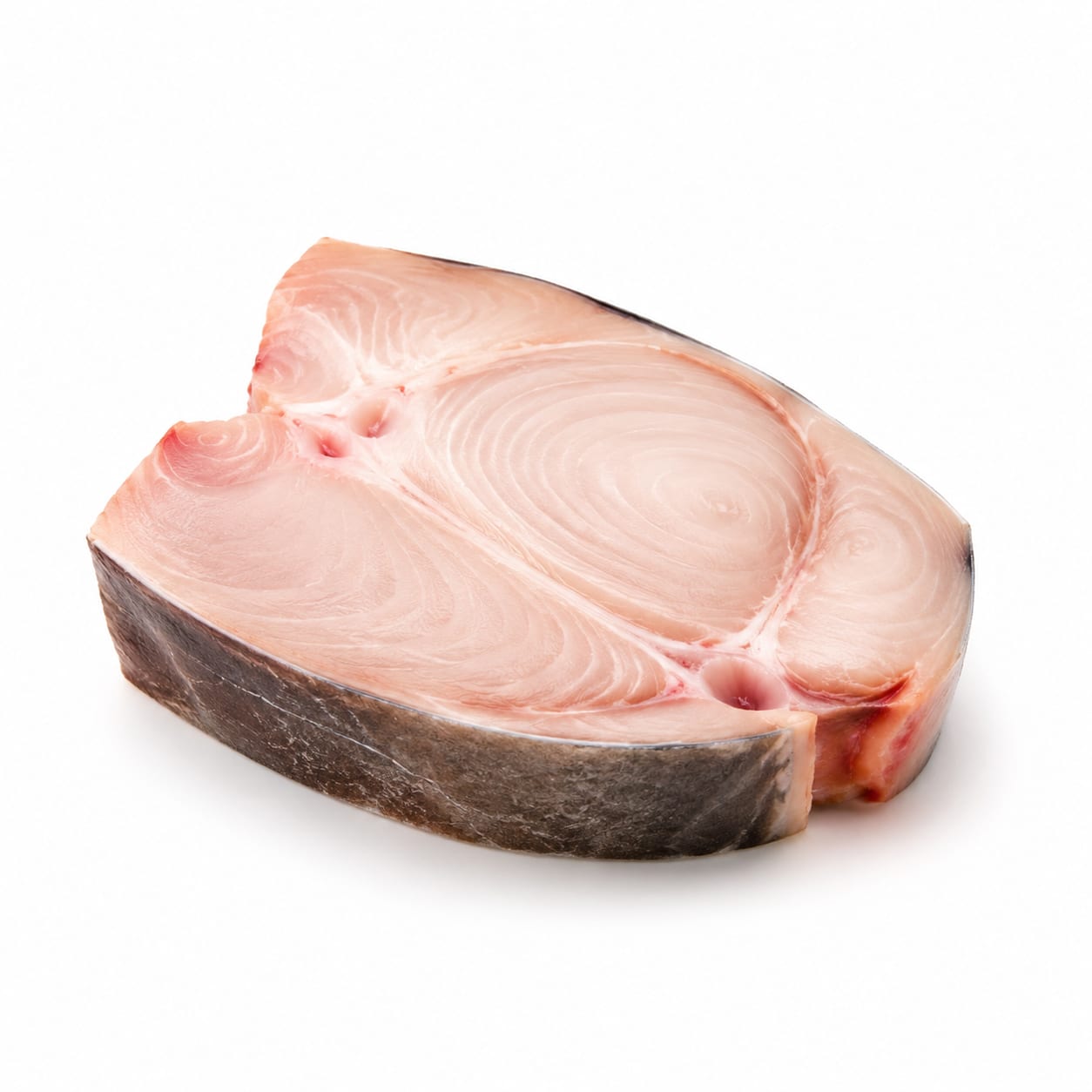
Swordfish
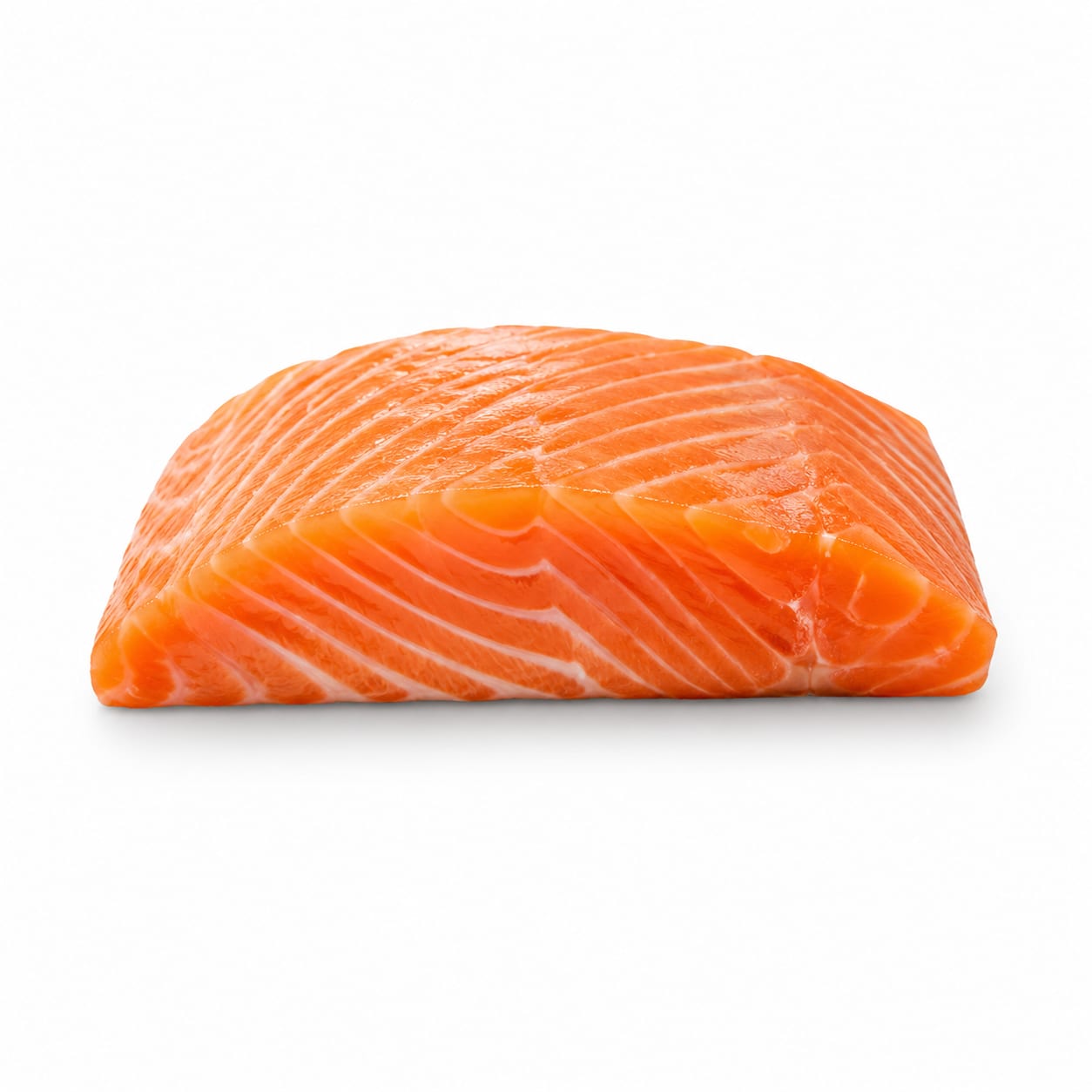
Salmon
Salmon is the safer, more nutritious everyday choice, while Swordfish offers a meaty texture but carries significant mercury concerns.
Salmon scores significantly higher due to its superior omega-3 profile and drastically lower mercury levels, making it suitable for regular consumption. Swordfish loses major points on safety for frequent use.
You trade lower mercury and higher omega-3s in Salmon for the denser, steak-like bite of Swordfish.
At a glance
Executive summary
Overall
Salmon
Healthier
Salmon
More practical
Salmon
Daily use
Salmon
Key comparison lenses
Mercury and heavy metal exposure
Swordfish is notoriously high in mercury compared to Salmon, making safety a primary decision factor.
Omega-3 fatty acid benefits
Salmon is a top source of omega-3s, while Swordfish is relatively low, creating a massive gap in heart and brain health value.
Frequency of safe consumption
Salmon can be eaten multiple times a week safely, whereas Swordfish must be strictly limited due to toxicity.
Protein density and satiety
Both are premium protein sources, but Swordfish offers a slightly denser, steak-like chew that impacts fullness differently.
Best choice for
Swordfish
- Occasional gourmet seafood dinners
- People craving a meaty, steak-like fish texture
Salmon
- Regular heart-healthy meals
- Pregnant women or those planning pregnancy
- Families and children
Least suitable for
Swordfish
- Pregnant or nursing women
- Children
- Frequent daily consumption
Salmon
- Those avoiding fish entirely due to severe allergies
Deep comparison
Dimension by dimension
Each lens scores both foods and breaks down who each option suits.
- Dimension 1 · Priority 95Salmon
Omega-3 Fatty Acids & Heart Health
Swordfish · 30Salmon · 98Salmon is one of the richest sources of omega-3s, while Swordfish provides relatively little.
Tradeoff
Choosing Swordfish means missing out on the powerful anti-inflammatory benefits that Salmon delivers easily.
Why it matters
Omega-3s are critical for heart and brain health, and Salmon makes hitting your daily target effortless.
Real-world impact
Eating Salmon regularly can improve mood and cardiovascular markers, whereas Swordfish acts mostly as just a protein source.
Swordfish
- Meeting omega-3 needs
Worse for
Salmon
- Reducing inflammation
- Supporting heart health
- Boosting brain function
Better for
- Dimension 2 · Priority 98Salmon
Mercury & Heavy Metal Exposure
Swordfish · 15Salmon · 90Swordfish is a large predatory fish with notoriously high mercury levels, whereas Salmon remains very low.
Tradeoff
Eating Swordfish too often can lead to mercury accumulation, making it a risky regular choice compared to the safe profile of Salmon.
Why it matters
High mercury exposure impacts neurological health and is especially dangerous for developing brains.
Real-world impact
You can eat Salmon multiple times a week without worry, but Swordfish should be limited to once a month or less.
Swordfish
- Neurological health if consumed frequently
- Safety for kids
Worse for
Salmon
- Safe weekly consumption
- Pregnancy safety
- Peace of mind
Better for
- Dimension 3 · Priority 70It depends
Protein Density & Satiety
Swordfish · 88Salmon · 85Both are excellent protein sources, though Swordfish is slightly denser and more filling per ounce.
Tradeoff
Swordfish gives a slightly heavier, more satiating feel, but the protein quality and amino acid profile of Salmon are exceptional.
Why it matters
High-quality protein keeps you full and supports muscle maintenance without crashing your energy.
Real-world impact
Either fish will crush hunger pangs and support an active lifestyle, though Swordfish feels more like a steak dinner.
Swordfish
- A denser, meatier mouthfeel
- Slightly higher protein per serving
Better for
Salmon
- Highly bioavailable protein
- Leaner satiety without the heavy feeling
Better for
- Dimension 4 · Priority 75Salmon
Culinary Versatility & Daily Practicality
Swordfish · 50Salmon · 92Salmon adapts to countless recipes and is easy to find fresh or frozen, while Swordfish is less versatile and harder to source sustainably.
Tradeoff
Swordfish excels on the grill but struggles in delicate recipes, whereas Salmon works beautifully baked, poached, or raw.
Why it matters
A food you can cook in multiple ways is much easier to incorporate into a weekly routine.
Real-world impact
Salmon can be a quick weeknight bake or a sushi roll, but Swordfish usually requires a specific grilling plan.
Swordfish
- Grilling and hearty BBQs
Better for
- Delicate cooking methods
- Everyday convenience
Worse for
Salmon
- Quick weeknight dinners
- Raw preparations like sushi
- Meal prepping
Better for
Timeline
Health impact over time
Short-term
Hours to days
Swordfish
- High-quality protein keeps you full for hours
- Dense texture feels like a substantial, heavy meal
Salmon
- Omega-3s may boost focus and mood shortly after eating
- Lighter protein feels energizing rather than sluggish
Long-term
Months to years
Swordfish
- Risk of mercury accumulation if eaten frequently
- Fewer cardiovascular benefits compared to fatty fish
Salmon
- Significantly lower risk of heart disease
- Better cognitive aging and reduced inflammation
Risk profile
Safety & processing
Both Swordfish and Salmon are whole, natural proteins. Farmed Salmon may have some antibiotic concerns depending on sourcing, but neither is an ultra-processed food.
Swordfish
Mercury toxicity
highSwordfish is near the top of the food chain and accumulates significant methylmercury, posing risks to neurological health.
Overfishing and sustainability
mediumSome Swordfish populations are better managed than others, requiring careful sourcing to avoid contributing to depleted stocks.
Salmon
Contaminants in farmed varieties
mediumFarmed Salmon can have higher levels of PCBs and dioxins compared to wild-caught, though still within safe limits for most people.
Foodborne illness from raw consumption
lowEating Salmon as sushi or sashimi carries a slight parasite risk if not previously frozen properly.
Who wins for whom
Audience fit
Same foods, different winners depending on your goal.
children
SalmonChildren are highly vulnerable to mercury, making Swordfish an inappropriate choice, while Salmon is safe and beneficial for brain development.
daily consumption
SalmonSalmon can be safely eaten 2-3 times per week, whereas Swordfish should be strictly limited to occasional consumption due to mercury.
diabetes
SalmonSalmon's high omega-3 content improves insulin sensitivity and reduces inflammation, making it a superior choice for blood sugar management.
elderly
SalmonSalmon protects against cognitive decline and heart disease without the mercury risks that are especially concerning for aging nervous systems.
muscle gain
It dependsBoth offer excellent protein density. Swordfish has slightly more protein per calorie, but Salmon's anti-inflammatory omega-3s aid recovery.
weight loss
SalmonSalmon provides satisfying protein and healthy fats that stabilize blood sugar, with fewer safety concerns for regular consumption.
Your move
Decision guide
Choose Swordfish
- You want a steak-like grilling experience for a special occasion
- You are limiting consumption to a rare treat
- You are an adult with no pregnancy plans who craves a dense texture
Choose Salmon
- You want a heart-healthy dinner
- You are pregnant, nursing, or feeding children
- You eat fish regularly and need a safe, repeatable option
Either works if
- You need a high-protein, zero-carb main course
- You are looking for a gourmet seafood centerpiece
Avoid both if
- You have a severe fish or seafood allergy
Final recommendation
Make Salmon your go-to fish for regular meals to reap the omega-3 benefits safely. Save Swordfish for very occasional BBQs when you crave its unique meaty texture, but keep it off your weekly rotation.
Practical
Consumer tips
- 1
Look for 'wild-caught Alaskan' Salmon for the best omega-3 to contaminant ratio.
- 2
If you eat Swordfish, avoid eating any other fish that week to keep mercury exposure down.
- 3
Canned Salmon is a budget-friendly, high-quality alternative that retains all the omega-3 benefits.
- 4
Check Seafood Watch guides to ensure your Swordfish is sourced from well-managed fisheries.