
Nutrition comparison
Swordfish vs Cod: Mercury Safety, Nutrition, and Which Fish to Eat
Swordfish vs Cod comparison covering mercury levels, omega-3s, protein, and safety. Cod is the safer everyday choice. Swordfish should be limited to once monthly due to high mercury content.
Overall winner · Cod
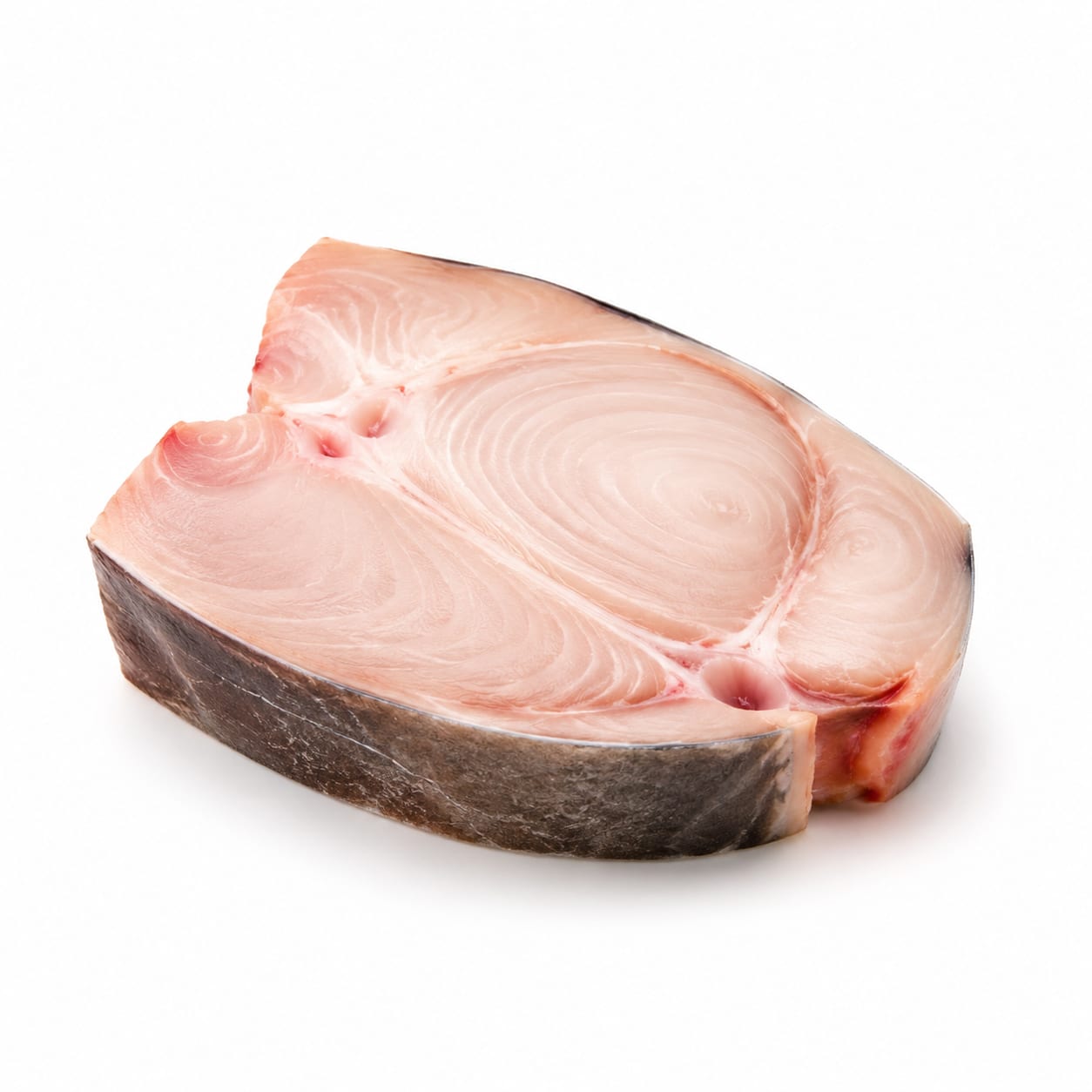
Swordfish
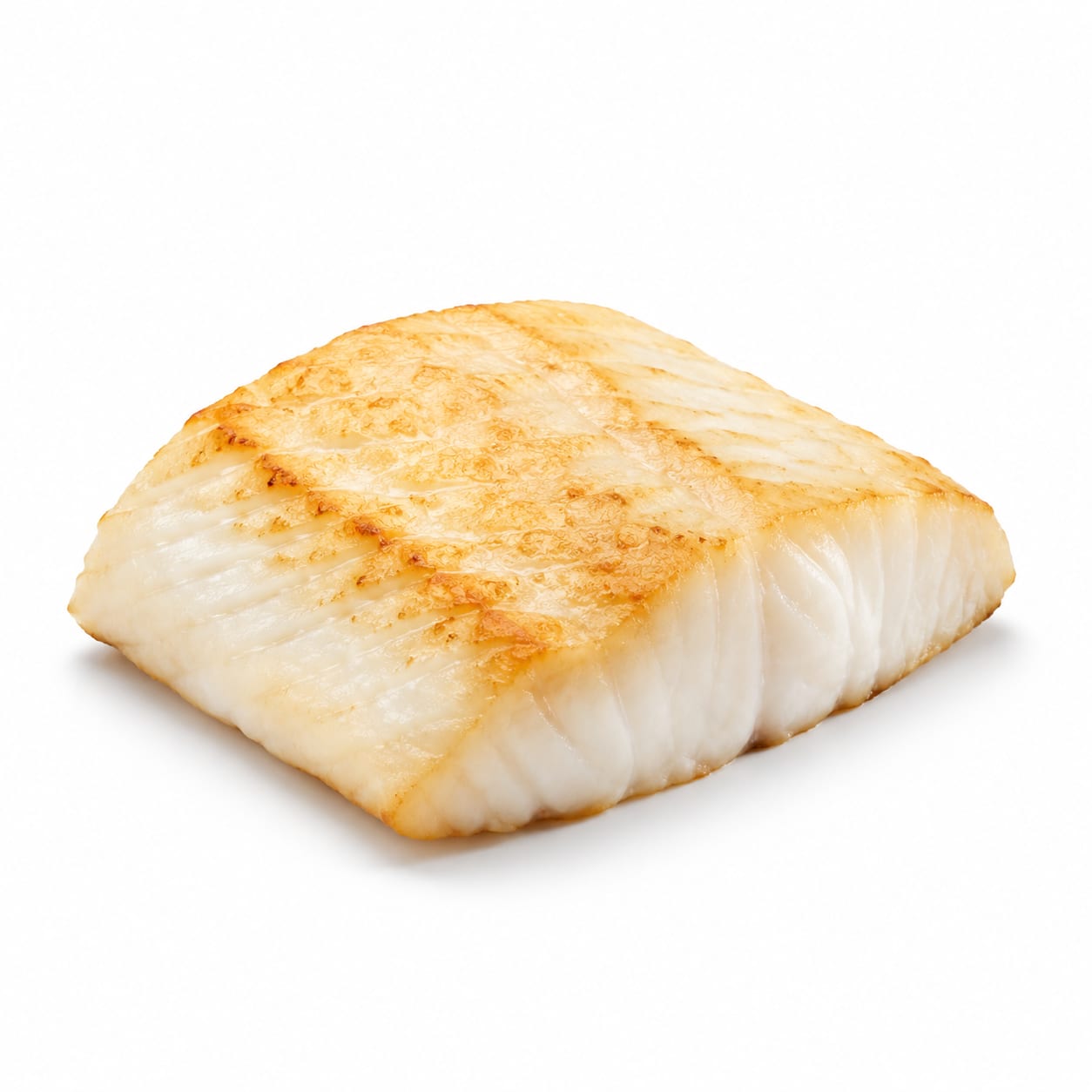
Cod
Cod is the safer, more practical everyday choice. Swordfish offers richer nutrition but carries significant mercury risk that limits how often you should eat it.
Cod scores significantly higher primarily due to safety. Swordfish has impressive nutrient density, but mercury contamination severely limits its practical value as a regular food. A nutrient-rich food you can only eat occasionally scores lower than a slightly less nutrient-rich food you can enjoy freely.
Swordfish gives you more omega-3s, vitamin D, and a steak-like richness — but the mercury levels mean you cannot eat it freely. Cod is leaner and milder but safe to enjoy multiple times per week.
At a glance
Executive summary
Overall
Cod
Healthier
Cod
More practical
Cod
Daily use
Cod
Key comparison lenses
mercury and heavy metal safety
Swordfish is one of the highest-mercury fish available, while Cod is among the lowest — this is the single most important factor in this comparison
everyday fish selection for families
Users comparing these two are likely deciding what to serve regularly, making safety for children and pregnant women critical
lean protein vs nutrient-dense protein
Cod is very lean with mild flavor, Swordfish is richer with more fats and fat-soluble vitamins — different nutritional profiles for different goals
omega-3 and heart health benefits
Swordfish delivers more omega-3s and vitamin D, but the mercury tradeoff complicates the heart health calculus
meal versatility and cooking practicality
Cod is more versatile and forgiving to cook, Swordfish is more specialized and expensive
Best choice for
Swordfish
- Occidental steak lovers wanting a hearty fish experience
- Those needing vitamin D boost who limit mercury exposure otherwise
- People eating fish once or twice monthly who want maximum nutrient density per serving
Cod
- Families with children needing safe, regular fish intake
- Pregnant or breastfeeding women following mercury guidelines
- Anyone meal-prepping fish multiple times per week
Least suitable for
Swordfish
- Pregnant or breastfeeding women
- Children under 12
- Anyone eating fish more than twice per week
Cod
- Those seeking rich, steak-like fish texture
- People wanting high omega-3 intake from a single serving
Deep comparison
Dimension by dimension
Each lens scores both foods and breaks down who each option suits.
- Dimension 1 · Priority 95Cod
mercury and contaminant safety
Swordfish · 20Cod · 90Swordfish is one of the highest-mercury fish commonly sold. Cod is among the lowest. This is the defining difference.
Tradeoff
Swordfish's position as an apex predator means it accumulates significant methylmercury. FDA advises pregnant women and children to avoid it entirely. Cod can be eaten 2-3 times per week safely.
Why it matters
Chronic mercury exposure harms neurological development in children and cognitive function in adults. Even occasional Swordfish consumption contributes to your cumulative mercury load.
Real-world impact
A pregnant woman can eat Cod twice a week without worry. Swordfish is off the table entirely. For adults, Swordfish should be limited to once per month maximum.
Swordfish
- Adults with no mercury concerns who eat fish rarely and want maximum nutrition per serving
Better for
- Frequent fish eaters
- Households with kids
- Anyone concerned about long-term heavy metal accumulation
Worse for
Cod
- Children
- Pregnant and breastfeeding women
- Anyone eating fish regularly
- Women planning pregnancy
Better for
- Dimension 2 · Priority 80Swordfish
nutrient density per serving
Swordfish · 82Cod · 60Swordfish packs more nutrition per serving — especially vitamin D, selenium, and omega-3 fats. Cod is leaner but less nutrient-rich.
Tradeoff
Swordfish delivers substantially more vitamin D (over 500% DV per serving vs about 10% for Cod) and more omega-3s. But you cannot eat it often enough to fully benefit from that density.
Why it matters
Vitamin D deficiency is widespread. A single Swordfish serving can nearly meet weekly needs. Cod requires you to get vitamin D elsewhere.
Real-world impact
One Swordfish steak gives you a massive vitamin D boost. But since you should limit it to once monthly, you still need other sources most days. Cod's modest nutrition adds up safely over multiple weekly servings.
Swordfish
- Those with vitamin D deficiency wanting occasional concentrated doses
- People who eat fish infrequently and want maximum benefit per meal
Better for
- Anyone expecting to get consistent daily nutrition from this fish
Worse for
Cod
- Those getting vitamin D from supplements or sunlight already
- People who prefer steady, moderate nutrition from frequent fish meals
Better for
- Those relying on fish as their primary vitamin D source
Worse for
- Dimension 3 · Priority 72Swordfish
protein quality and satiety
Swordfish · 80Cod · 74Both are excellent protein sources. Swordfish is slightly higher in protein per serving and more filling due to its fat content.
Tradeoff
Swordfish's extra fat makes it more satisfying per serving. Cod is very lean, which is great for calorie control but less filling on its own.
Why it matters
Protein quality from fish is consistently high. The real difference is satiety — fattier fish keeps you fuller longer.
Real-world impact
A Swordfish steak feels like a real meal and keeps you satisfied for hours. Cod is lighter — great with sides, but less satisfying as a standalone protein.
Swordfish
- Those wanting a hearty, filling main course
- People eating larger portions who want sustained fullness
Better for
- Anyone watching calorie intake closely
Worse for
Cod
- Calorie-conscious eaters preferring lean protein
- Those building meals around multiple components rather than a single centerpiece
Better for
- Those who find lean fish unsatisfying without heavy sides
Worse for
- Dimension 4 · Priority 75It depends
heart health and omega-3 value
Swordfish · 72Cod · 68Swordfish has more omega-3s per serving, but mercury partially offsets cardiovascular benefits. Cod has fewer omega-3s but no mercury concern.
Tradeoff
More omega-3s should mean better heart health, but mercury promotes inflammation and vascular stress. Net benefit depends on how often you eat Swordfish.
Why it matters
The whole point of eating fish for heart health is omega-3s. When mercury enters the equation, some of that benefit gets negated.
Real-world impact
Eating Swordfish once a month gives you an omega-3 boost without significant mercury risk. Eating it weekly undermines the heart benefits you are trying to get. Cod delivers modest but clean omega-3s at any frequency.
Swordfish
- Infrequent fish eaters wanting maximum omega-3 per rare serving
Better for
- Anyone who would eat it more than twice monthly
Worse for
Cod
- Regular fish eaters seeking consistent, safe heart health benefits
- Those with cardiovascular risk factors who need reliable omega-3 intake
Better for
- Those needing high-dose omega-3s from food alone
Worse for
- Dimension 5 · Priority 65Cod
cooking versatility and convenience
Swordfish · 55Cod · 82Cod is more versatile, forgiving to cook, and widely available. Swordfish is more specialized and easier to overcook.
Tradeoff
Swordfish's meaty texture is unique and satisfying but limits preparation methods. Cod works in everything from fish tacos to chowder to baked dishes.
Why it matters
A fish you can cook many ways gets eaten more often. Versatility drives real-world nutrition outcomes.
Real-world impact
Cod can be baked, fried, poached, or used in stews without much skill. Swordfish needs careful grilling or broiling — overcook it and it becomes dry and rubbery.
Swordfish
- Grilling enthusiasts wanting a steak-like fish
- Special occasion meals where presentation matters
Better for
- Beginner cooks
- Anyone wanting fish for quick weeknight meals
Worse for
Cod
- Weeknight cooks needing quick, easy preparations
- Meal preppers wanting flexible protein for various recipes
- Those new to cooking fish
Better for
- Those specifically wanting a meaty, steak-like fish experience
Worse for
- Dimension 6 · Priority 58Cod
value and accessibility
Swordfish · 35Cod · 78Cod is generally more affordable and widely available. Swordfish is expensive and harder to find fresh.
Tradeoff
Swordfish commands premium pricing due to limited supply and high demand. Cod is mass-produced and budget-friendly, especially frozen.
Why it matters
Cost determines whether fish becomes a regular habit or an occasional luxury. Sustainable eating requires sustainable spending.
Real-world impact
Frozen Cod fillets cost a fraction of fresh Swordfish steaks. For families eating fish twice weekly, Cod is financially realistic. Swordfish is a splurge.
Swordfish
- Those with generous food budgets seeking premium fish
Better for
- Those on tight grocery budgets
Worse for
Cod
- Budget-conscious families
- Anyone buying fish regularly
- Costco or bulk shoppers
Better for
Timeline
Health impact over time
Short-term
Hours to days
Swordfish
- Heavy, satisfying meal that provides sustained energy
- High protein and fat content promotes lasting fullness
- Rich flavor feels indulgent and meal-like
Cod
- Light, clean protein that digests easily
- Low calorie load makes it easy to pair with sides
- Mild flavor won't dominate or overwhelm other ingredients
Long-term
Months to years
Swordfish
- Mercury accumulation if consumed more than once or twice monthly — potential cognitive effects, numbness, or tingling
- Excellent vitamin D and selenium intake on an occasional basis
- Cardiovascular benefits from omega-3s partially offset by mercury exposure if frequency is too high
Cod
- Consistent, safe lean protein supporting muscle maintenance and weight management
- Low mercury allows unrestricted weekly consumption for most adults
- Modest but reliable omega-3 intake supporting heart health without contamination risk
Risk profile
Safety & processing
Both Swordfish and Cod are typically sold as fresh or frozen whole-muscle fillets with minimal processing. Neither carries significant additive concerns. The real safety distinction is environmental contamination, not processing.
Swordfish
Methylmercury contamination
highSwordfish averages 0.995 ppm mercury — among the highest of any commonly consumed fish. FDA and EPA advise pregnant women, nursing mothers, and children to avoid it entirely. Adults should limit to one serving per month.
Parasitic risk from raw preparation
mediumLike all wild fish, Swordfish can carry parasites. Must be frozen properly before raw consumption. Cooking eliminates this risk.
Sustainability and overfishing
mediumSome Swordfish populations are better managed than others. Look for MSC certification or US-caught options to reduce sustainability concerns.
Cod
Methylmercury contamination
lowCod averages 0.111 ppm mercury — well within safe limits for regular consumption. Most adults can safely eat it 2-3 times per week.
Parasitic risk from raw preparation
mediumPacific Cod in particular can carry parasites. Proper freezing before raw use is essential. Cooking resolves this completely.
Atlantic Cod overfishing
mediumAtlantic Cod populations have historically been overfished. Pacific Cod is generally more sustainable. Check sourcing and look for MSC certification.
Who wins for whom
Audience fit
Same foods, different winners depending on your goal.
children
CodChildren are significantly more vulnerable to mercury's neurological effects. Swordfish should be avoided entirely for kids under 12. Cod is safe and its mild flavor is kid-friendly.
daily consumption
CodCod can be eaten multiple times per week safely. Swordfish should be limited to once monthly at most. Daily use is not appropriate for Swordfish.
diabetes
CodBoth are low-carb and diabetes-friendly, but Cod's lower mercury load makes it safer for long-term regular consumption, which matters more for chronic condition management.
elderly
CodOlder adults benefit from consistent, safe protein intake. Cod's low mercury allows regular consumption to support muscle maintenance without neurological risk.
muscle gain
SwordfishSwordfish provides slightly more protein per serving and the added fats support hormone production. But frequency limits reduce its practical advantage.
weight loss
CodCod's low calorie and fat content make it easier to fit into calorie-controlled diets. You can eat larger portions without overshooting daily targets.
Your move
Decision guide
Choose Swordfish
- You are an adult who eats fish rarely and wants maximum nutritional impact per serving
- You are grilling for a special occasion and want a steak-like fish experience
- You have confirmed adequate vitamin D levels and want an occasional rich fish meal
- You have no plans to become pregnant and already limit high-mercury fish
Choose Cod
- You have children or are pregnant, nursing, or planning pregnancy
- You want to eat fish 2-3 times per week without safety concerns
- You prefer lean protein that fits easily into various recipes
- You are budget-conscious and want affordable, versatile fish
- You are meal-prepping or batch cooking for the week
Either works if
- You want high-quality protein from a minimally processed whole food
- You are comfortable cooking fish and want a clean protein source
- You are not relying on fish as your sole omega-3 source
Avoid both if
- You have a fish or seafood allergy
- You are strictly vegan or vegetarian
- You cannot verify the sourcing and sustainability of the fish
Final recommendation
Make Cod your everyday fish. It is safe, versatile, affordable, and you can eat it multiple times per week without worry. Save Swordfish for an occasional treat — once a month at most — when you want something richer and more indulgent. The mercury reality is non-negotiable: no amount of extra omega-3s or vitamin D justifies eating Swordfish weekly. If you want the nutrient density of Swordfish without the risk, consider salmon instead — it delivers similar omega-3s and vitamin D with far lower mercury levels.
Practical
Consumer tips
- 1
If you do eat Swordfish, avoid any other high-mercury fish (shark, tilefish, king mackerel) that same month to keep cumulative exposure down.
- 2
Choose Pacific Cod over Atlantic Cod when possible — it is generally more sustainable and similarly nutritious.
- 3
Look for MSC-certified fish for both options. Sustainable sourcing matters for ocean health and often correlates with better quality.
- 4
Frozen Cod is excellent and often fresher than 'fresh' fish that has been sitting on ice for days. Do not fear the freezer section.
- 5
If you want Swordfish's meaty texture without the mercury, try mahi-mahi or halibut as lower-mercury alternatives with similar steak-like qualities.
- 6
Pregnant and nursing women: the FDA is clear — Swordfish is on the 'do not eat' list. Cod is on the 'best choices' list. This is not a gray area.
- 7
If you serve Swordfish to guests, consider offering an alternative for anyone who may be pregnant or feeding children — they may not speak up.