
Nutrition comparison
Swordfish vs Sea Bass: Mercury, Nutrition, and Which Fish Is Safer to Eat
Compare Swordfish and Sea Bass on mercury levels, omega-3 content, protein, sustainability, and safety. Find out which fish is better for regular consumption and who should avoid Swordfish.
Overall winner · Sea Bass
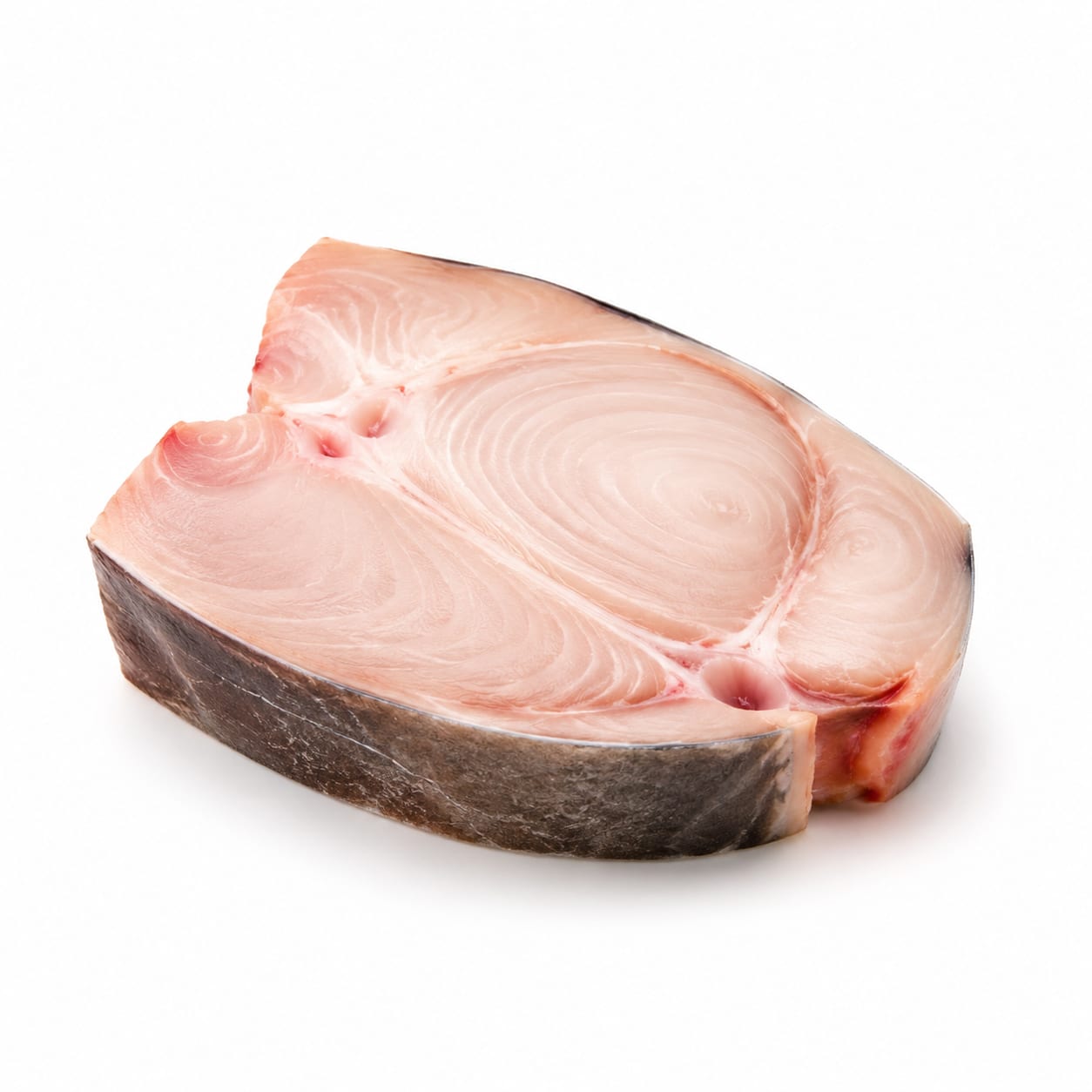
Swordfish
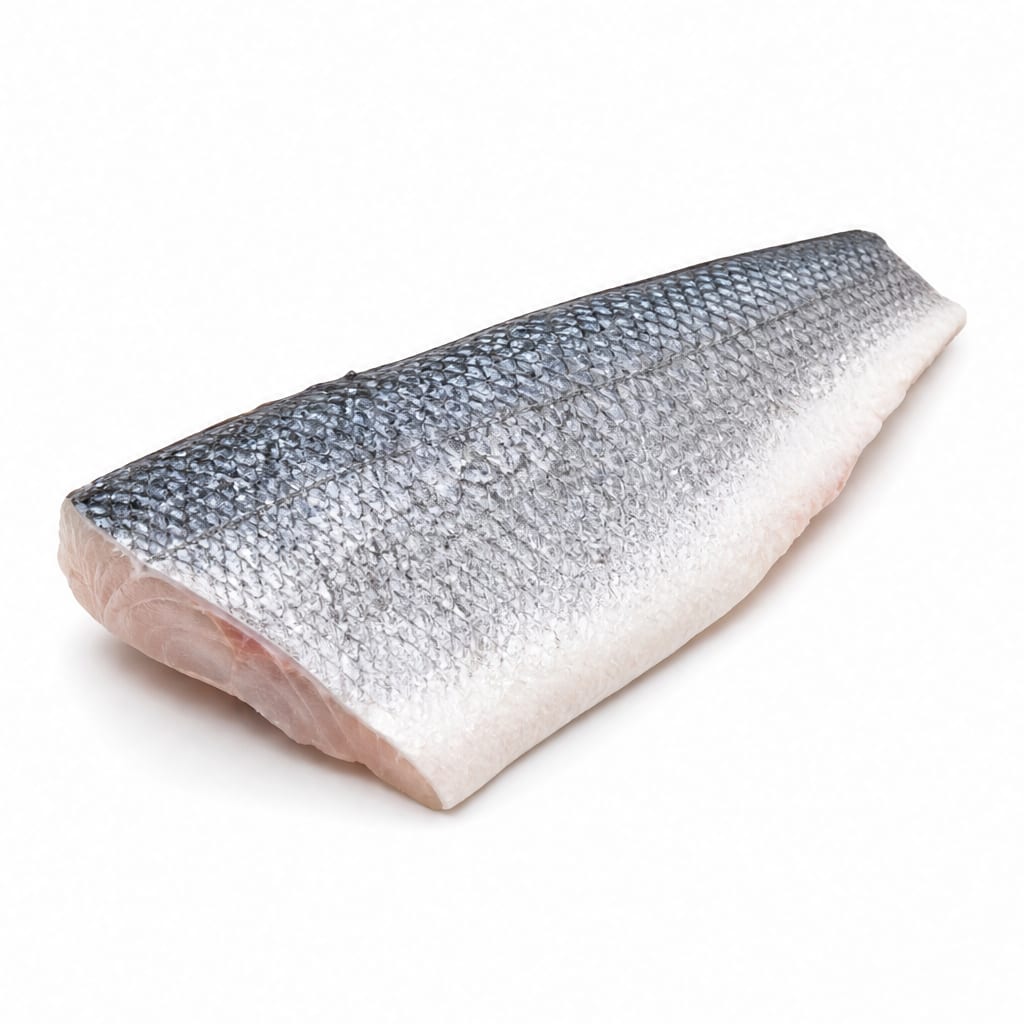
Sea Bass
Sea Bass is the safer regular choice due to significantly lower mercury, while Swordfish delivers a meatier bite and slightly more omega-3s but at a real safety cost if eaten frequently.
Sea Bass wins convincingly on safety and frequency suitability. Swordfish scores well for nutrition density and culinary appeal but loses heavily on mercury risk, which drags down its overall score for regular consumption.
Swordfish gives you a steak-like texture and richer omega-3s, but its high mercury level makes it a rare-treat fish. Sea Bass sacrifices a bit of omega-3 content for much safer weekly consumption.
At a glance
Executive summary
Overall
Sea Bass
Healthier
Sea Bass
More practical
Sea Bass
Daily use
Sea Bass
Key comparison lenses
mercury safety comparison
Swordfish is one of the highest-mercury fish commonly sold; this is the single biggest differentiator and health concern
weekly meal planning safety
Users need to know how often each fish can safely be eaten, especially families and pregnant women
nutrient density for protein and omega3
Both are premium protein fish with good omega-3 profiles, but differences matter for health-conscious buyers
sustainability and environmental impact
Both fish carry sustainability warnings that influence ethical purchasing decisions
culinary experience and satisfaction
Swordfish offers a steak-like meaty bite; Sea Bass is delicate and flaky — different dining experiences
Best choice for
Swordfish
- Occasional indulgent seafood dinners
- Grilling enthusiasts who want a meaty fish steak
- People seeking maximum omega-3 per serving with infrequent fish consumption
Sea Bass
- Families eating fish weekly
- Pregnant or breastfeeding women seeking safe seafood
- Anyone wanting a versatile, lower-mercury fish for regular meals
Least suitable for
Swordfish
- Pregnant or breastfeeding women
- Children under 12
- Anyone eating fish more than twice per week
Sea Bass
- Budget-conscious shoppers (Chilean Sea Bass is expensive)
- Those seeking the heartiest, steak-like fish texture
Deep comparison
Dimension by dimension
Each lens scores both foods and breaks down who each option suits.
- Dimension 1 · Priority 95Sea Bass
Mercury & Heavy Metal Safety
Swordfish · 25Sea Bass · 72Swordfish consistently ranks among the highest-mercury commercial fish. Sea Bass has moderate mercury that allows more frequent consumption.
Tradeoff
Swordfish's large predatory lifestyle accumulates significant mercury; Sea Bass sits lower on the food chain and accumulates far less.
Why it matters
High mercury exposure harms neurological development in children and affects cognitive function in adults. This is not theoretical — FDA and EPA explicitly advise vulnerable groups to avoid Swordfish.
Real-world impact
Eating Swordfish weekly could push mercury intake above safe limits. Sea Bass can be enjoyed 2-3 times per week with far less concern.
Swordfish
- Infrequent diners who rarely eat fish and want maximum nutrition per rare meal
Better for
- Regular fish eaters
- Households with young kids
- Women planning pregnancy
Worse for
Sea Bass
- Pregnant women
- Children
- Anyone eating fish multiple times per week
- Adults concerned about long-term cognitive health
Better for
- Dimension 2 · Priority 78Swordfish
Protein Quality & Content
Swordfish · 85Sea Bass · 78Swordfish delivers slightly more protein per serving with a dense, satisfying texture. Sea Bass is still an excellent protein source but slightly leaner.
Tradeoff
Swordfish offers about 20g protein per 3oz serving versus roughly 18g for Sea Bass — a modest edge that matters more for athletes.
Why it matters
Both are complete protein sources with all essential amino acids. The difference is real but small.
Real-world impact
For most people, the 2g protein difference is negligible. For athletes tracking macros, Swordfish has a slight edge per calorie.
Swordfish
- Athletes maximizing protein per serving
- Low-carb dieters seeking dense protein meals
Better for
Sea Bass
- Those preferring lighter, less filling fish portions
Better for
- Dimension 3 · Priority 80Swordfish
Omega-3 & Heart Health
Swordfish · 80Sea Bass · 70Swordfish contains more EPA and DHA omega-3s per serving than Sea Bass, giving it a heart-health edge — if you can eat it safely.
Tradeoff
More omega-3s only help if you can consume the fish regularly. Swordfish's mercury limits how often you can eat it, partially negating this advantage.
Why it matters
Omega-3s reduce inflammation, support heart rhythm, and improve lipid profiles. But benefits accumulate with regular intake.
Real-world impact
Eating Sea Bass twice a week likely delivers more total omega-3 benefit than Swordfish once a month, despite Swordfish's higher per-serving content.
Swordfish
- Infrequent fish eaters wanting maximum omega-3 per rare meal
Better for
- Anyone who cannot safely eat Swordfish frequently enough to accumulate omega-3 benefits
Worse for
Sea Bass
- Regular fish consumers accumulating omega-3 benefits over time
- Heart health optimizers eating fish 2-3 times weekly
Better for
- Dimension 4 · Priority 65It depends
Culinary Satisfaction & Versatility
Swordfish · 78Sea Bass · 80Swordfish grills beautifully with a meaty, steak-like chew. Sea Bass offers delicate flakiness that works with more cooking methods and flavor profiles.
Tradeoff
Swordfish excels on the grill but can dry out and feels one-dimensional. Sea Bass adapts to steaming, baking, pan-searing, and Asian preparations more gracefully.
Why it matters
Enjoyment drives dietary adherence. If you don't look forward to eating it, the nutrition doesn't matter.
Real-world impact
Swordfish is your backyard BBQ star. Sea Bass is your elegant dinner party fish. Different moods, different fish.
Swordfish
- Grilling and BBQ occasions
- People who find most fish too flaky or soft
- Steak lovers transitioning to seafood
Better for
- Gentle cooking methods like steaming
- Dishes requiring delicate flakiness
Worse for
Sea Bass
- Fine dining and delicate preparations
- Steaming, poaching, and Asian-style cooking
- Those who enjoy refined, flaky fish texture
Better for
- BBQ and heavy grilling scenarios where a meaty texture is preferred
Worse for
- Dimension 5 · Priority 70It depends
Sustainability & Environmental Impact
Swordfish · 45Sea Bass · 42Both fish carry significant sustainability concerns. Swordfish longline fishing has bycatch issues. Chilean Sea Bass has a history of overfishing and illegal harvesting.
Tradeoff
Neither is a sustainability hero. Swordfish populations have recovered somewhat in some regions. Chilean Sea Bass (Patagonian Toothfish) remains under pressure despite improved management.
Why it matters
Choosing unsustainable seafood contributes to ocean depletion regardless of personal health benefits.
Real-world impact
Look for MSC-certified options for either fish. Without certification, both carry real environmental guilt.
Swordfish
- North Atlantic Swordfish with MSC certification
Better for
- Uncertified imported Swordfish with unknown bycatch
Worse for
Sea Bass
- MSC-certified or well-managed Sea Bass fisheries
Better for
- Uncertified Chilean Sea Bass, which may be illegally harvested
Worse for
- Dimension 6 · Priority 55Sea Bass
Value & Accessibility
Swordfish · 50Sea Bass · 60Both are premium-priced fish. Sea Bass (non-Chilean varieties) can be found at somewhat more accessible price points, while Swordfish steaks tend to command consistently high prices.
Tradeoff
Chilean Sea Bass is very expensive, but other Sea Bass varieties like European or Black Sea Bass are more affordable. Swordfish is almost always sold at a premium.
Why it matters
Cost affects how often you can realistically include a food in your rotation.
Real-world impact
At most fish counters, Swordfish steaks run $20-30/lb. Sea Bass ranges from $15/lb for domestic varieties to $30+/lb for Chilean.
Swordfish
- Situations where you're already splurging and want maximum visual impact
Better for
- Weekly grocery budgets
- Families needing affordable protein
Worse for
Sea Bass
- Budget-conscious cooks choosing domestic Sea Bass varieties
- More frequent fish meals at moderate cost
Better for
- Chilean Sea Bass pricing, which exceeds even Swordfish
Worse for
Timeline
Health impact over time
Short-term
Hours to days
Swordfish
- High-quality protein supports satiety and muscle maintenance
- Rich omega-3 content may improve post-meal satisfaction and reduce cravings
- Dense, meaty portion feels very filling
Sea Bass
- Lean protein provides steady energy without heaviness
- Good omega-3 content supports post-meal satiety
- Lighter texture feels easier on digestion
Long-term
Months to years
Swordfish
- Mercury accumulation is the primary concern — regular consumption risks neurological effects over years
- Selenium content partially offsets mercury but cannot eliminate risk
- If limited to monthly consumption, omega-3 benefits are modest
Sea Bass
- Regular consumption safely supports cardiovascular health through consistent omega-3 intake
- Lower mercury allows long-term dietary inclusion without accumulation concerns
- Selenium and vitamin D support immune and bone health with ongoing consumption
Risk profile
Safety & processing
Both Swordfish and Sea Bass are typically sold as fresh or frozen fillets with minimal processing. Neither carries significant additive concerns when purchased as whole cuts. Avoid pre-marinated versions which may contain sodium and preservatives.
Swordfish
Mercury contamination
highSwordfish averages 0.995 ppm mercury — among the highest of any commercial fish. FDA and EPA explicitly advise pregnant women, nursing mothers, and children to avoid it entirely.
Parasitic worms
mediumSwordfish can carry anisakis parasites. Must be cooked through or previously frozen to kill worms. Not safe for raw preparations without proper freezing.
Environmental contaminants
mediumAs a large predatory fish, Swordfish accumulates PCBs and other persistent organic pollutants alongside mercury.
Sea Bass
Mercury contamination
mediumSea Bass contains moderate mercury (roughly 0.2-0.3 ppm depending on variety). Safe for most adults in moderation, but pregnant women should limit to 2 servings per week.
Mislabeling fraud
mediumChilean Sea Bass is frequently mislabeled or illegally harvested. Up to 20% of samples in some studies were substituted with other species.
Parasitic worms
lowLess common than in Swordfish but still possible. Standard cooking or freezing eliminates risk.
Who wins for whom
Audience fit
Same foods, different winners depending on your goal.
children
Sea BassSwordfish is explicitly not recommended for children due to mercury. Sea Bass in moderate portions is a much safer protein option for kids.
daily consumption
Sea BassSwordfish should not be consumed more than once monthly. Sea Bass can be enjoyed 2-3 times per week, making it the only realistic option for regular inclusion.
diabetes
Sea BassBoth fish have zero carbs and minimal blood sugar impact. Sea Bass wins because it can be consumed regularly, supporting consistent metabolic health without mercury risk.
elderly
Sea BassOlder adults benefit from regular omega-3 intake for cognitive and cardiovascular health. Sea Bass can be eaten frequently enough to accumulate these benefits safely.
muscle gain
SwordfishSwordfish provides slightly more protein per serving with a denser caloric profile, making it marginally better for muscle-building phases — assuming infrequent consumption.
weight loss
Sea BassSea Bass is slightly lower in calories and can be eaten more frequently, supporting consistent high-protein, low-calorie meals without mercury concerns.
Your move
Decision guide
Choose Swordfish
- You're planning a special occasion meal and want a dramatic, steak-like fish
- You eat fish rarely and want maximum nutritional impact per serving
- You're grilling outdoors and need a fish that holds up to high heat
- You have no mercury sensitivity concerns and limit intake to once per month
Choose Sea Bass
- You want a fish you can eat multiple times per week without worry
- You're pregnant, nursing, or feeding children
- You prefer delicate, flaky fish that pairs with varied cuisines
- You're building a sustainable long-term seafood routine
Either works if
- You're an adult with no specific mercury concerns eating fish occasionally
- You want high-quality protein from a whole food source
- You're comfortable sourcing MSC-certified sustainable options
Avoid both if
- You have a severe seafood allergy
- You're strictly avoiding all fish due to dietary restrictions
- You cannot verify the source and are concerned about sustainability fraud
Final recommendation
Make Sea Bass your regular fish and treat Swordfish as an occasional indulgence. The mercury gap is too large to ignore — Swordfish simply cannot be a weekly protein source for most people. If you love Swordfish's meaty texture, enjoy it once a month and fill your other fish meals with Sea Bass, salmon, or sardines. Your nervous system will thank you.
Practical
Consumer tips
- 1
Check for MSC certification on both fish to ensure sustainable sourcing
- 2
If buying Swordfish, choose steaks that smell clean and ocean-fresh — any ammonia smell means it's past prime
- 3
For Sea Bass, domestic Black Sea Bass or Mediterranean varieties are often more sustainable and affordable than Chilean Sea Bass
- 4
Pregnant women and children should completely avoid Swordfish per FDA guidelines
- 5
Freeze any fish intended for raw preparations for at least 7 days to kill parasites
- 6
Swordfish is best cooked medium — overcooking makes it dry and rubbery
- 7
Sea Bass shines with gentle cooking: steaming, baking at 375°F, or light pan-searing