
Nutrition comparison
Swordfish vs Mahi-Mahi: Nutrition, Mercury, and Taste Compared
Comparing Swordfish and Mahi-Mahi? Discover the key differences in mercury levels, protein, and taste to find out which fish is safer and healthier for your next meal.
Overall winner · Mahi-Mahi
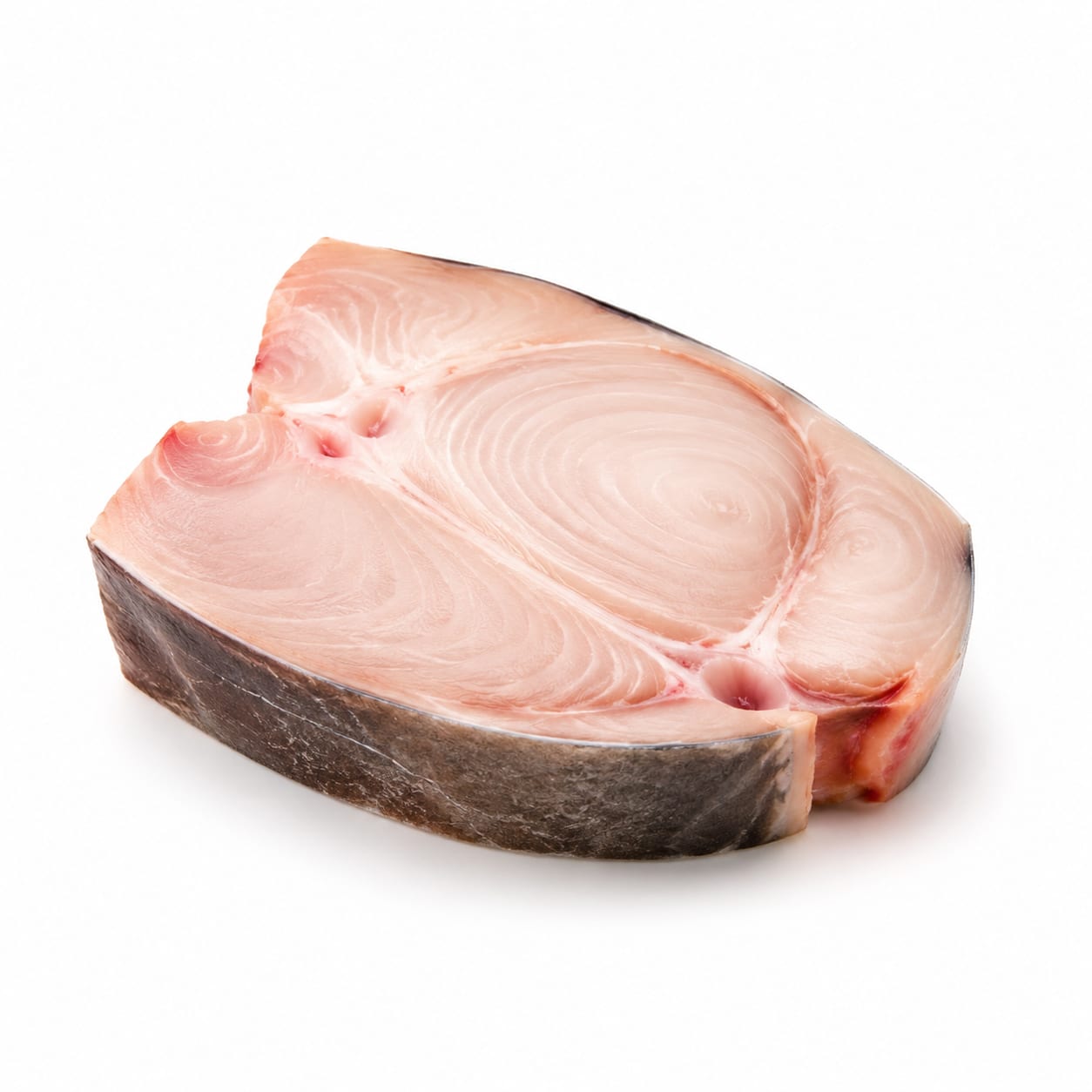
Swordfish
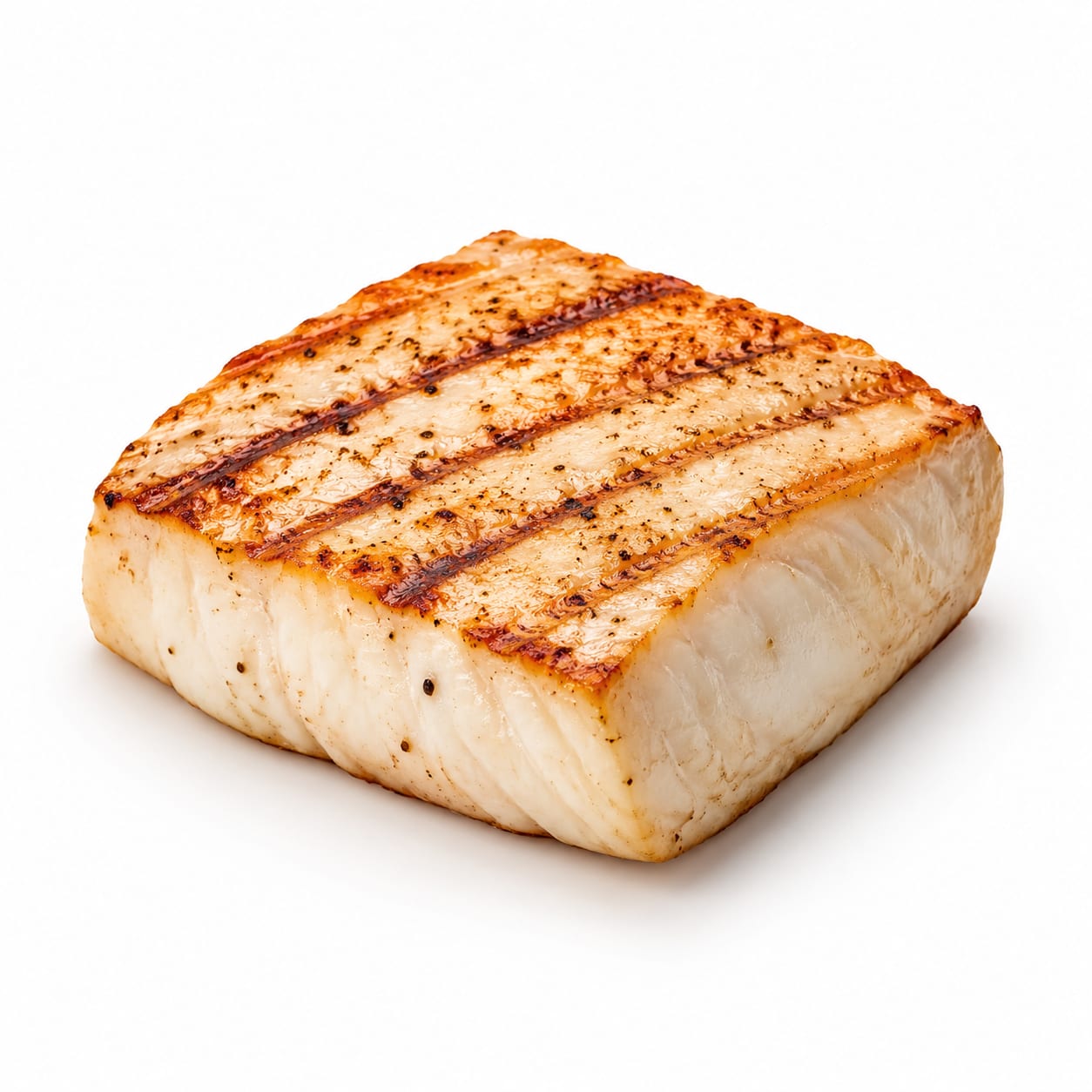
Mahi-Mahi
Mahi-Mahi is the safer, more versatile everyday choice, while Swordfish is a denser, meatier treat that carries significant mercury tradeoffs.
Mahi-Mahi scores significantly higher primarily due to Swordfish's high mercury content, which severely limits how often it can be safely eaten. Nutritionally they are comparable, but safety dictates the large gap.
You trade the rich, steak-like texture and higher omega-3s of Swordfish for the dramatically lower mercury and lighter profile of Mahi-Mahi.
At a glance
Executive summary
Overall
Mahi-Mahi
Healthier
Mahi-Mahi
More practical
Mahi-Mahi
Daily use
Mahi-Mahi
Key comparison lenses
Mercury exposure and safety for regular consumption
Swordfish is notoriously high in mercury with strict consumption warnings, while Mahi-Mahi is a much safer option for frequent eating.
Lean protein versus richer steak-like fish
Mahi-Mahi is very lean and light, whereas Swordfish offers a denser, fattier, meat-like eating experience.
Omega-3 intake versus heavy metal risk
Swordfish provides more omega-3s but carries a heavy metal penalty, forcing a tradeoff between anti-inflammatory benefits and toxicity risk.
Best choice for
Swordfish
- Occasional indulgent seafood dinners
- Those craving a meaty steak-like texture
- Keto diets needing extra dietary fats
Mahi-Mahi
- Weekly meal prep
- Pregnant women or those planning pregnancy
- Families and children
- Lean muscle building
Least suitable for
Swordfish
- Pregnant or nursing women
- Children
- Frequent seafood eaters
- Those with heavy metal sensitivity
Mahi-Mahi
- Those wanting a rich, fatty fish profile
- High-calorie weight gain diets
Deep comparison
Dimension by dimension
Each lens scores both foods and breaks down who each option suits.
- Dimension 1 · Priority 98Mahi-Mahi
Mercury & Heavy Metal Safety
Swordfish · 15Mahi-Mahi · 85Swordfish is one of the highest mercury fish available, while Mahi-Mahi falls into the moderate-to-low category.
Tradeoff
Eating Swordfish provides a satisfying meal but rapidly eats into your weekly mercury budget, whereas Mahi-Mahi can be eaten far more frequently.
Why it matters
High mercury exposure impacts neurological health and is especially dangerous for developing brains.
Real-world impact
You can safely eat Mahi-Mahi a couple of times a week, but Swordfish should be limited to once a month or avoided by vulnerable groups.
Swordfish
- Brain development in kids
- Long-term neurological health
Worse for
Mahi-Mahi
- Pregnant women
- Children
- Frequent fish eaters
Better for
- Dimension 2 · Priority 85Mahi-Mahi
Protein & Lean Muscle Support
Swordfish · 82Mahi-Mahi · 88Both are excellent protein sources, but Mahi-Mahi delivers more protein per calorie due to its leanness.
Tradeoff
Swordfish offers slightly more fat alongside its protein, while Mahi-Mahi is almost purely protein with very little fat.
Why it matters
Leaner protein helps with muscle maintenance and fat loss without adding unnecessary calories.
Real-world impact
A Mahi-Mahi fillet fills you up with protein without the heavier, oilier feeling that Swordfish can leave behind.
Swordfish
- Those needing extra calories and fat
Better for
- Cutting phases
Worse for
Mahi-Mahi
- Lean muscle gain
- Calorie-controlled diets
Better for
- Dimension 3 · Priority 70Swordfish
Fat Content & Omega-3s
Swordfish · 75Mahi-Mahi · 55Swordfish contains notably more fat and omega-3 fatty acids than Mahi-Mahi.
Tradeoff
You get more anti-inflammatory omega-3s from Swordfish, but you also take on a much higher mercury load to get them.
Why it matters
Omega-3s support heart and brain health, but they can be easily sourced from safer fish like salmon or sardines.
Real-world impact
Swordfish feels richer and more filling due to its fat content, making it a satisfying main course for heavy appetites.
Swordfish
- Keto diets
- Satiety
Better for
- Fat-restricted diets
Worse for
Mahi-Mahi
- Low-fat diets
Better for
- Getting adequate omega-3s from this fish alone
Worse for
- Dimension 4 · Priority 65It depends
Culinary Versatility & Texture
Swordfish · 80Mahi-Mahi · 80Swordfish is dense and meaty, perfect for grilling; Mahi-Mahi is firm but flaky, great for tacos and baking.
Tradeoff
Swordfish holds up like a steak on the grill, while Mahi-Mahi offers a lighter, sweeter flake.
Why it matters
The right texture depends entirely on the meal you are trying to create.
Real-world impact
Choose Swordfish for a hearty BBQ, and Mahi-Mahi for fish tacos or a lighter weeknight bake.
Swordfish
- Grilling
- Hearty appetites
Better for
- Delicate recipes
Worse for
Mahi-Mahi
- Fish tacos
- Baking
- Lighter meals
Better for
- Steak-like grilling
Worse for
Timeline
Health impact over time
Short-term
Hours to days
Swordfish
- High satiety from dense protein and fat
- Heavier post-meal feeling
Mahi-Mahi
- Light, clean energy
- Easy digestion
Long-term
Months to years
Swordfish
- Risk of mercury accumulation if eaten frequently
- Good omega-3 intake if kept rare
Mahi-Mahi
- Safe for regular lean protein intake
- Supports consistent muscle maintenance
Risk profile
Safety & processing
Both are whole, natural fish typically sold fresh or frozen without additives.
Swordfish
Mercury toxicity
highSwordfish is a large predatory fish that accumulates significant mercury, making it unsafe for frequent consumption or vulnerable populations.
Parasites
mediumLike all wild fish, raw Swordfish carries a parasite risk and should be frozen before raw consumption.
Mahi-Mahi
Mercury exposure
lowMahi-Mahi has moderate mercury levels, considered safe for weekly consumption by most adults.
Histamine toxicity
mediumIf not properly chilled after catch, Mahi-Mahi can develop scombroid poisoning, causing allergic-like reactions.
Who wins for whom
Audience fit
Same foods, different winners depending on your goal.
children
Mahi-MahiSwordfish is explicitly recommended against for children due to high mercury; Mahi-Mahi is a much safer protein.
daily consumption
Mahi-MahiMahi-Mahi can be eaten weekly, whereas Swordfish should be strictly limited to occasional meals.
diabetes
Mahi-MahiBoth have zero carbs, but Mahi-Mahi avoids the heavy metal load that can complicate long-term health.
elderly
Mahi-MahiLower mercury and easier digestion make Mahi-Mahi a safer choice for older adults.
muscle gain
It dependsBoth are excellent; Mahi-Mahi is leaner, while Swordfish offers slightly more calories for bulk.
weight loss
Mahi-MahiMahi-Mahi is lower in calories and fat while providing high-quality protein, making it easier to stay in a deficit.
Your move
Decision guide
Choose Swordfish
- You are craving a meaty, steak-like fish for the grill
- You eat seafood rarely and want an indulgent treat
- You are on a keto diet and want the extra fats
Choose Mahi-Mahi
- You want a safe, lean protein for weekly meals
- You are pregnant, nursing, or cooking for kids
- You prefer a lighter, flakier fish for tacos or baking
Either works if
- You need a zero-carb, high-protein main course
- You are looking for a whole food dinner option
Avoid both if
- You have a severe fish or seafood allergy
- You require a plant-based diet
Final recommendation
Make Mahi-Mahi your go-to for regular fish dinners and save Swordfish for a very occasional indulgence to keep your mercury exposure low.
Practical
Consumer tips
- 1
Limit Swordfish to no more than one serving per month to stay within safe mercury limits.
- 2
Look for sustainably caught Mahi-Mahi, often labeled as troll or pole-caught.
- 3
If you love the steak-like texture of Swordfish but want safety, try marinated Mahi-Mahi steaks cooked on high heat.
- 4
Pregnant women should completely avoid Swordfish but can safely enjoy Mahi-Mahi up to twice a week.