
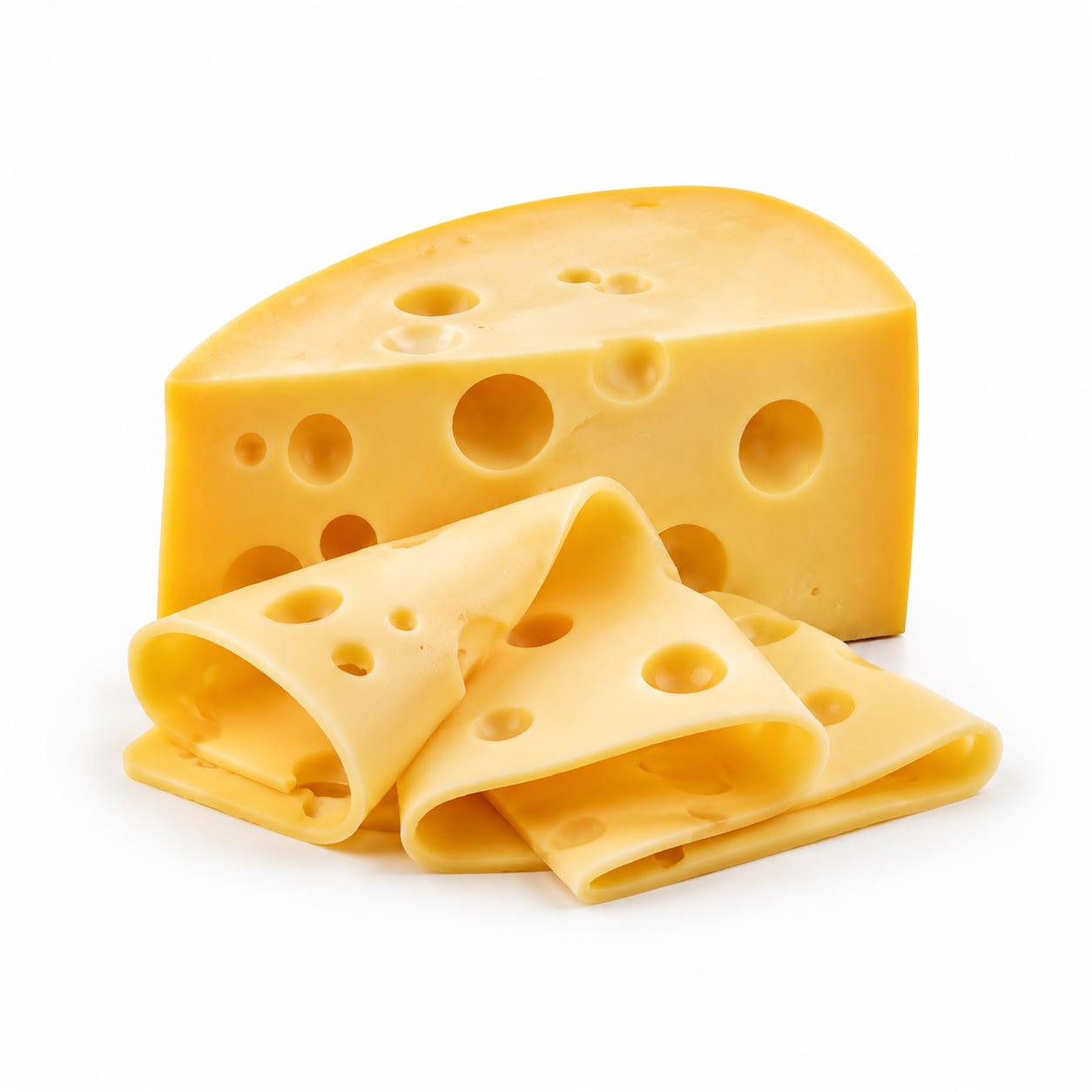
Dairy Cheese
Swiss Cheese
A low-carb, protein-rich fermented cheese known for its signature holes and nutty flavor.
A medium-hard cheese originating from Switzerland, characterized by its pale yellow color, nutty flavor, and distinctive eyes (holes) formed by gas bubbles during fermentation.
protein-dense fermented dairy food
Typical serving · 28g
Common varieties · Emmental, Gruyère, Baby Swiss, Lacy Swiss
Overall context score across nutrition, safety, and diet fit
At a glance
Quick facts
Simple indicators based on nutrition, processing, and diet fit.
The story
What makes it unique
Swiss cheese is a fermented dairy product with a high protein and fat content, very low carbohydrate profile, and slow digestion speed. The fermentation process reduces lactose content and produces bioactive peptides. Its high protein and fat contribute to high satiety, though its energy density is significant.
Varieties: Emmental · Gruyère · Baby Swiss · Lacy Swiss
Per 100g
Nutrition breakdown
Macro balance and key metrics at a glance.
Energy
Density 3.90 kcal/g
Protein
Carbs
Fat
Fiber
Sugar
0.1 g
Sodium
192 mg
Potassium
81 mg
Glycemic index
27
Glycemic load
0
Water content
37%
Standout compounds
Nutrient highlights
Calcium
highbone health and muscle function
Vitamin B12
highnerve function and red blood cell formation
Phosphorus
moderatebone structure and energy metabolism
Protein
highmuscle repair and satiety
Vitamin A
moderatevision and immune function
Wellness map
Health scores & processing
NOVA processing scale
Processed culinary ingredient · Whole food
Made by fermenting milk with bacteria, adding rennet, and aging. Minimal non-culinary additives are used in traditional varieties.
Diet compatibility
- Weight loss
- Muscle gain
- Diabetes
- Gut health
- Low carb
- High protein
- Heart health
Relative standing
Food rankings
Qualitative ranks compared to similar whole foods.
- Satietyexcellent
- Blood sugarexcellent
- Nutrient densitygood
- Fitness fuelgood
- Processing qualityexcellent
Eat with confidence
Food safety profile
Commercial Swiss cheese is widely considered safe due to strict pasteurization and aging protocols. Unpasteurized varieties carry a slightly elevated risk of foodborne illness.
Evidence confidence 90%
- Pesticideslow
- Antibioticsmoderate
- Heavy metalslow
- Contaminationlow
Watch for
- Listeria monocytogenes
- Salmonella
Safer choices
Pasteurized Swiss cheese
Prep tips
Keep refrigerated and avoid cross-contamination with raw meats. Discard if mold not native to the cheese appears.
Raw milk Swiss cheese poses a higher risk for bacterial contamination; pasteurization is standard for commercial safety.
Deep dive
Health analysis
How this food may fit different goals and preparation choices.
Weight loss
Highly satiating due to protein and fat, but high energy density requires strict portion control to avoid calorie surplus.
Blood sugar
Virtually zero carbohydrates, resulting in minimal blood sugar impact and low insulin demand.
Fitness & energy
Provides a slow-digesting protein source suitable for muscle maintenance, though not ideal for immediate post-workout glycogen replenishment.
Gut health
Fermentation reduces lactose and introduces beneficial bacteria, but the high saturated fat content may negatively impact gut microbiome diversity in high amounts.
Processing quality
Traditionally crafted with minimal ingredients (milk, salt, rennet, cultures), avoiding the emulsifiers and fillers found in ultra-processed cheeses.
Food safety
Very safe when pasteurized. Raw milk versions require careful sourcing and are avoided by pregnant individuals.
Common mistakes
Assuming all cheese is high in lactose, or consuming excessive portions which drastically increases saturated fat and calorie intake.
Best preparation
Eaten at room temperature for optimal flavor, melted over vegetables or lean proteins, or paired with low-glycemic fruits.
Practical guide
Best use cases
When and how this food fits real eating patterns.
Keto diet fat source
High-fat, low-carb addition to ketogenic meals providing flavor and satiety.
Low-carb snacking
Cheese pairings with nuts or cured meats for minimal blood sugar impact.
Lactose-reduced dairy option
Cheese choice for individuals avoiding high-lactose dairy products.
High-protein meal topping
Melted over lean meats or eggs to boost protein and calcium intake.
Balance sheet
Pros & cons
Upsides
- Very low carbohydrate and sugar content
- High protein density supports muscle maintenance
- Naturally low in lactose due to fermentation
- Rich in bioavailable calcium and Vitamin B12
- Minimally processed with simple, natural ingredients
Trade-offs
- High in calories and energy density
- Significant saturated fat content
- Moderate sodium levels may concern those with hypertension
- Easy to overconsume due to palatability
Fit check
Who is it for?
Great match
- ketogenic and low-carb diets
- blood sugar management
- high-protein snacking
- individuals with mild lactose intolerance
Consider alternatives
- strict low-fat diets
- low-sodium dietary protocols
- unrestricted calorie bulks
Side by side
How it compares
Open the full head-to-head analysis for nutrition, safety, and practical tradeoffs.
This food
Swiss Cheese
VS90% alike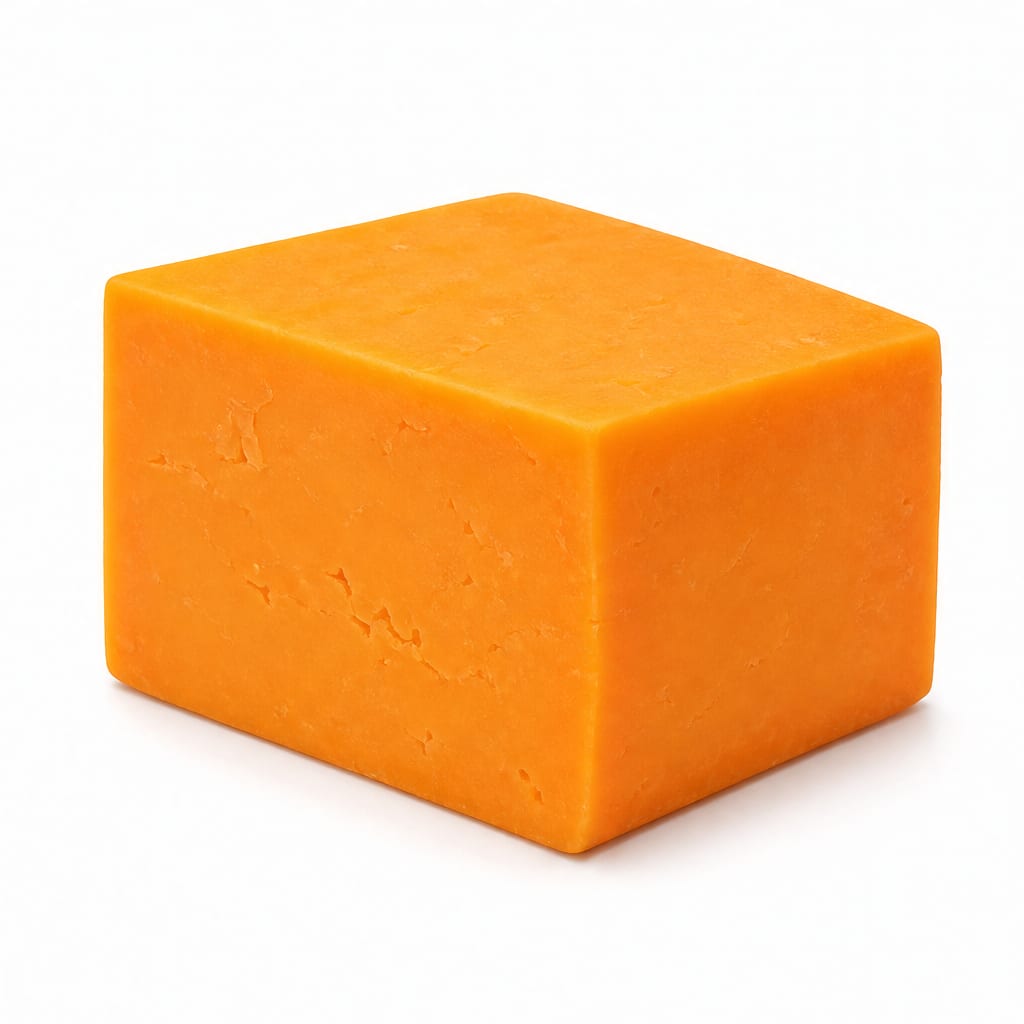
Compare with
Cheddar
Cheddar is sharper and slightly higher in fat, while Swiss is lower in calories and sodium.
Swiss cheese is slightly lower in calories and sodium than cheddar, making it better for weight loss, while both offer excellent low-carb satiety.
This food
Swiss Cheese
VS85% alike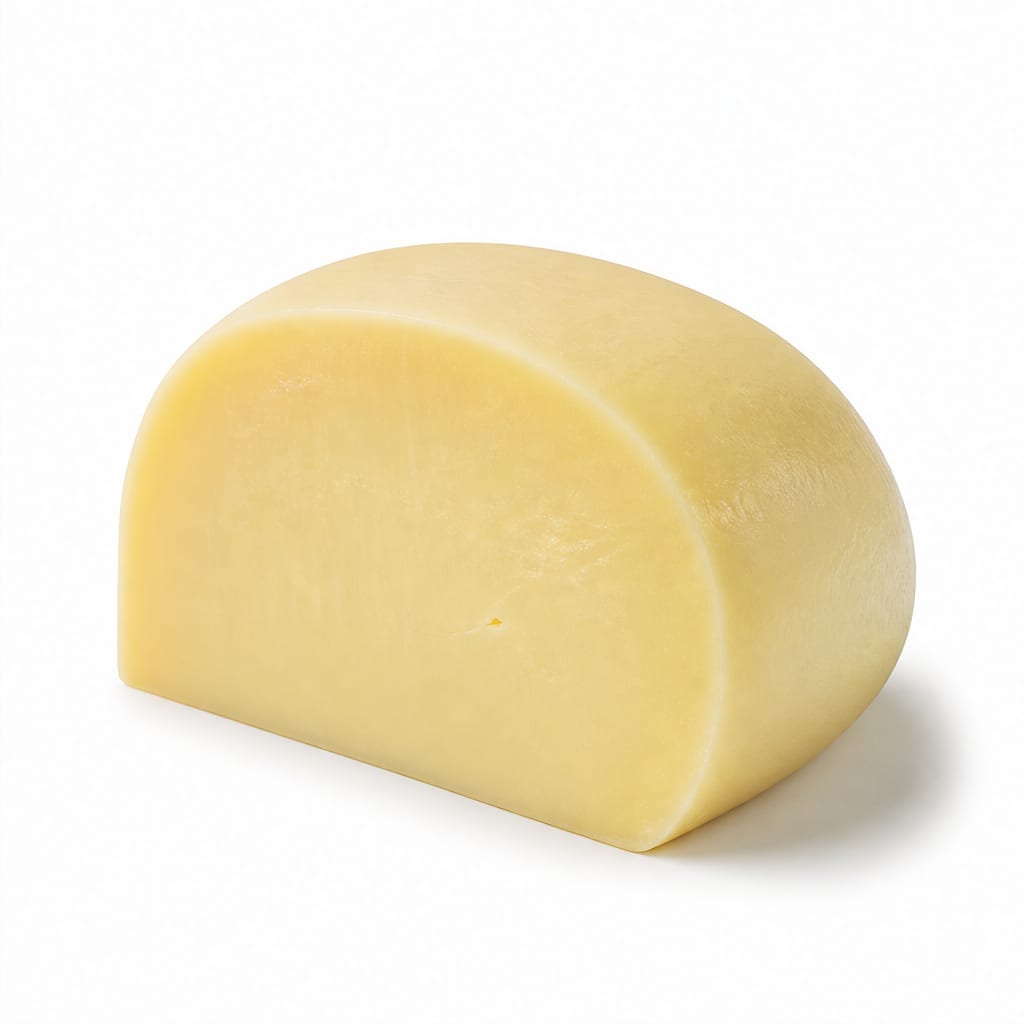
Compare with
Provolone
Provolone has a smoother texture and higher sodium, while Swiss is lower in calories and carbs.
Swiss cheese beats provolone for weight loss and blood sugar control due to fewer calories and less sodium.
This food
Swiss Cheese
VS80% alike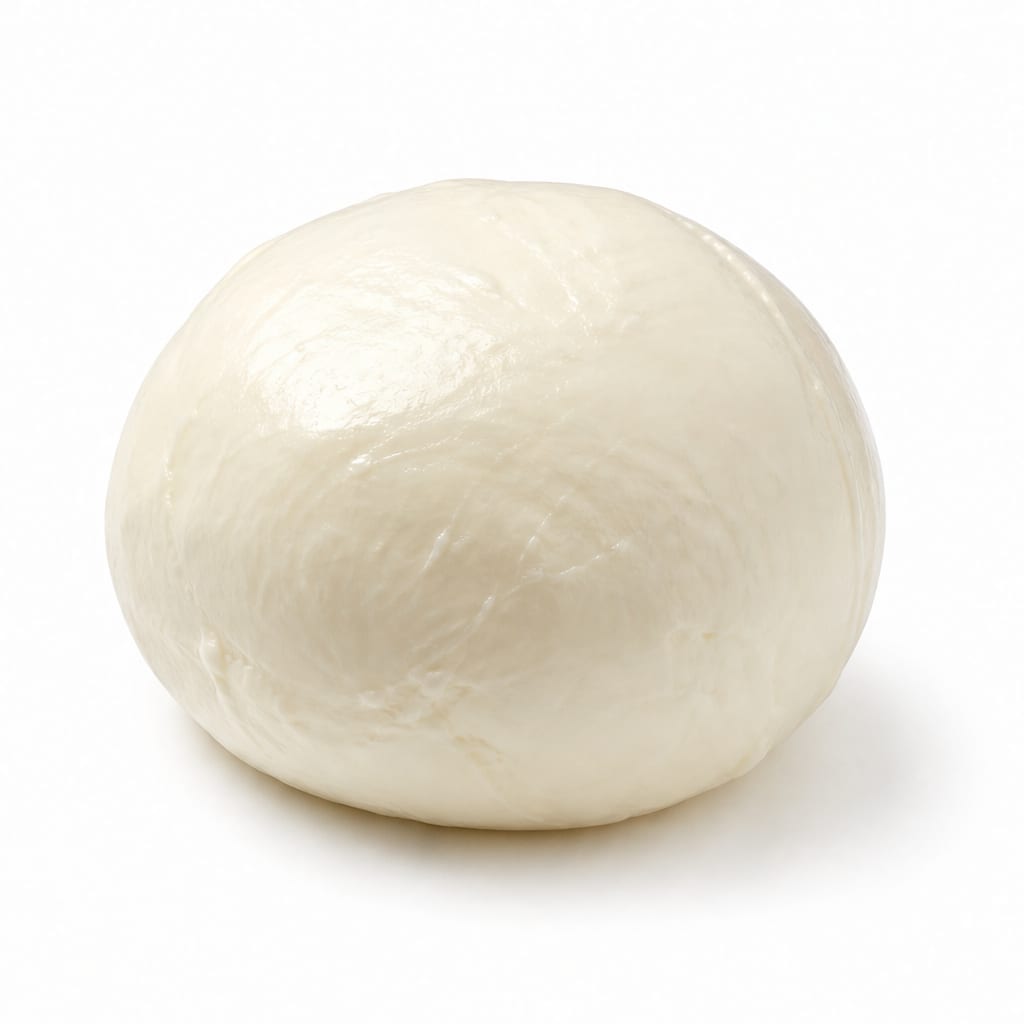
Compare with
Mozzarella
Part-skim mozzarella is lower in calories and fat, while Swiss is lower in lactose and sodium.
Part-skim mozzarella is better for weight loss and fitness due to lower calories, while Swiss cheese provides richer satiety.
This food
Swiss Cheese
VS85% alike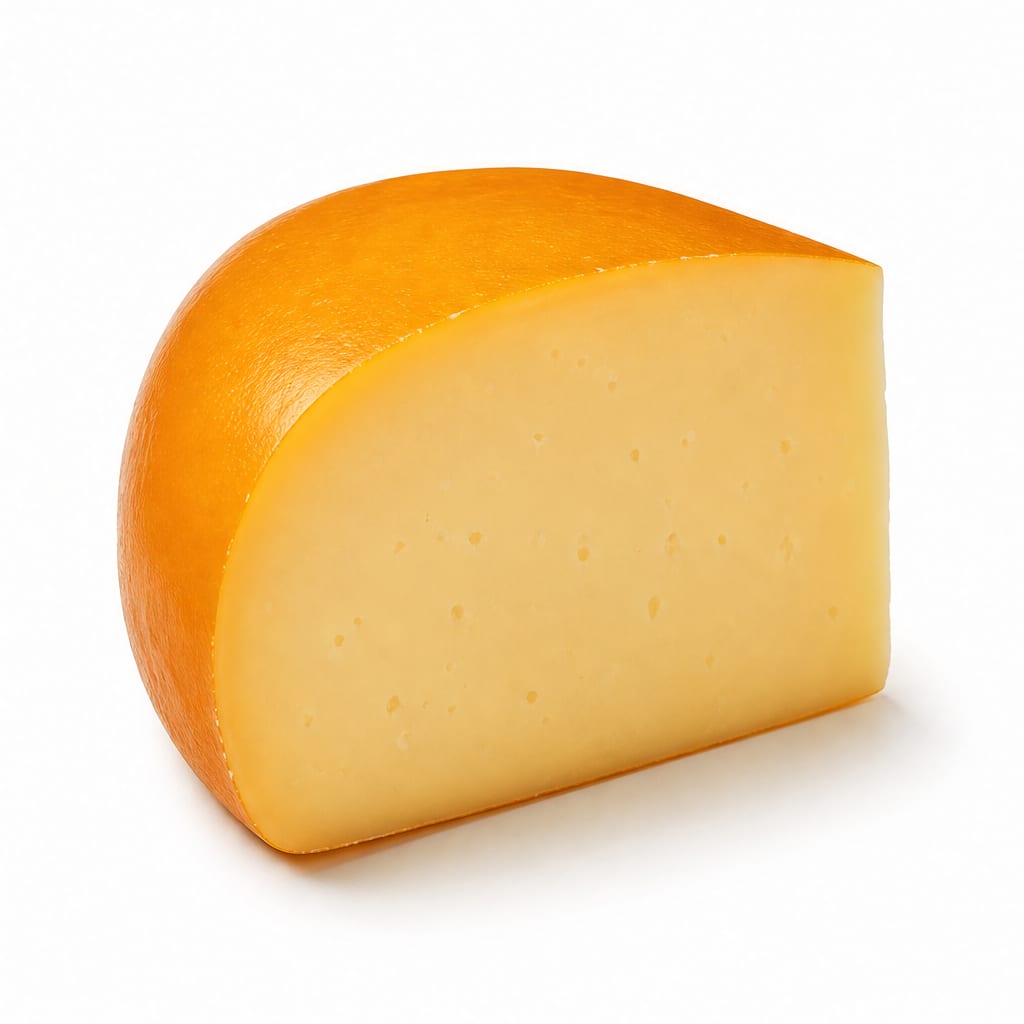
Compare with
Gouda
Gouda is slightly sweeter and higher in fat, while Swiss is lower in calories and carbs.
Swiss cheese is lower in calories and carbs than gouda, making it a better choice for weight loss and blood sugar management.
This food
Swiss Cheese
VS75% alike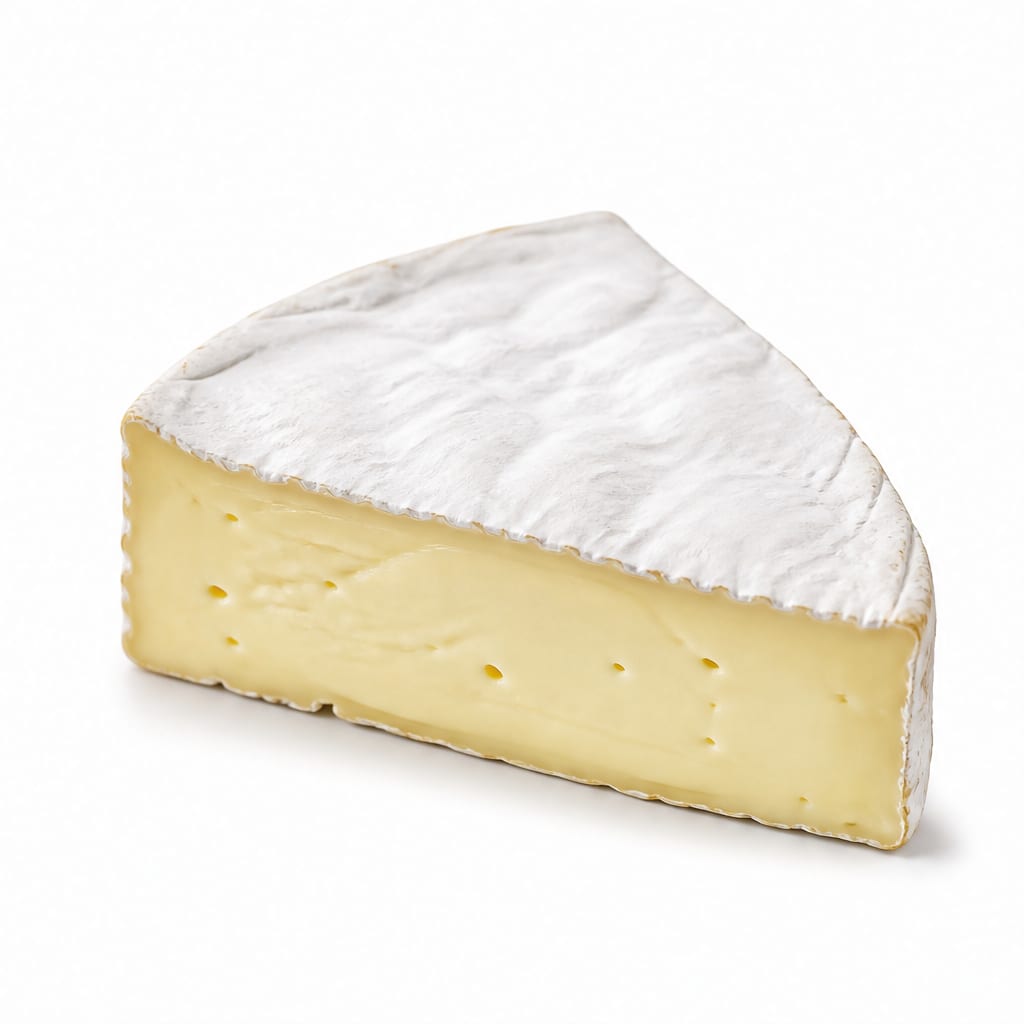
Compare with
Brie
Brie is a soft cheese with higher fat and lower protein, while Swiss is protein-dense and lower in calories.
Swiss cheese provides more protein and fewer calories than brie, making it superior for weight loss, satiety, and fitness.
This food
Swiss Cheese
VS70% alike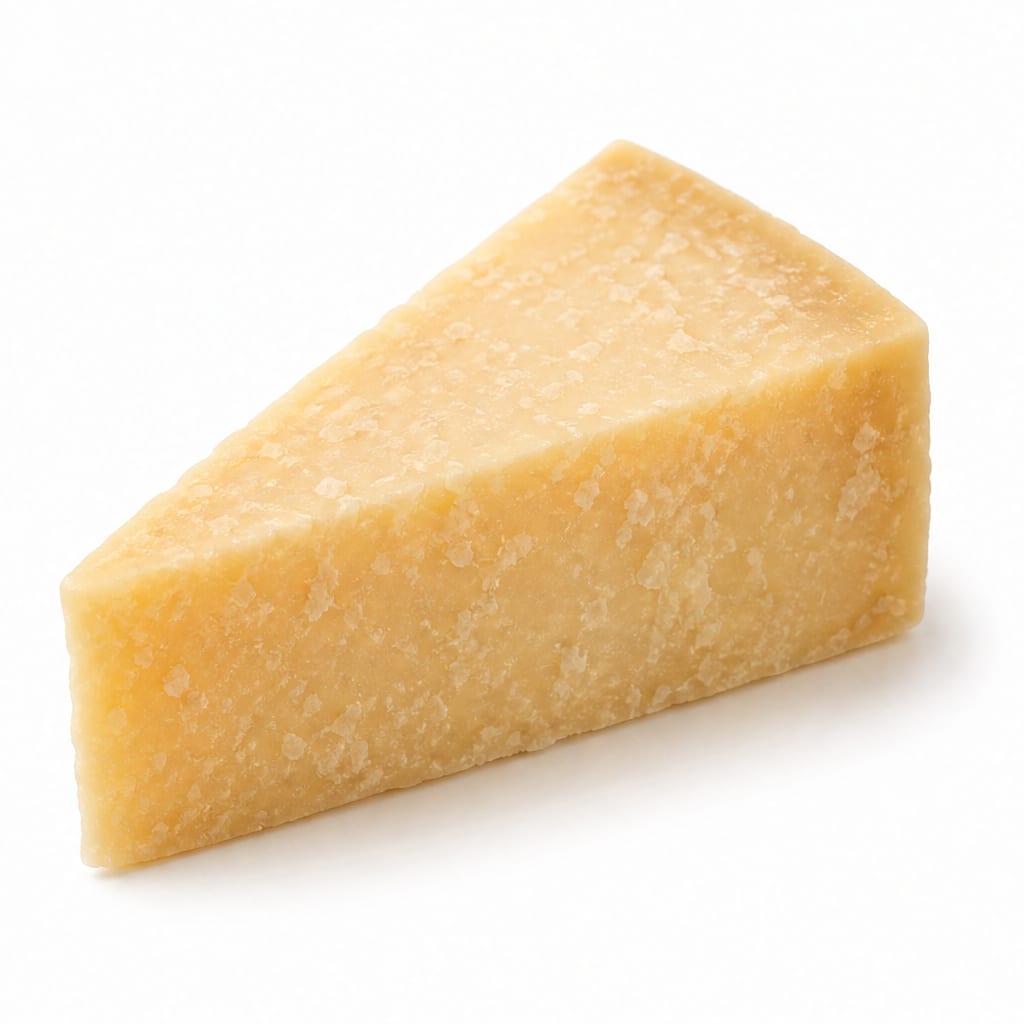
Compare with
Parmesan
Parmesan is much harder, higher in protein, and significantly higher in sodium than Swiss.
Parmesan offers more protein per gram but much more sodium, while Swiss cheese is lower in calories and easier to eat in larger portions.
This food
Swiss Cheese
VS85% alike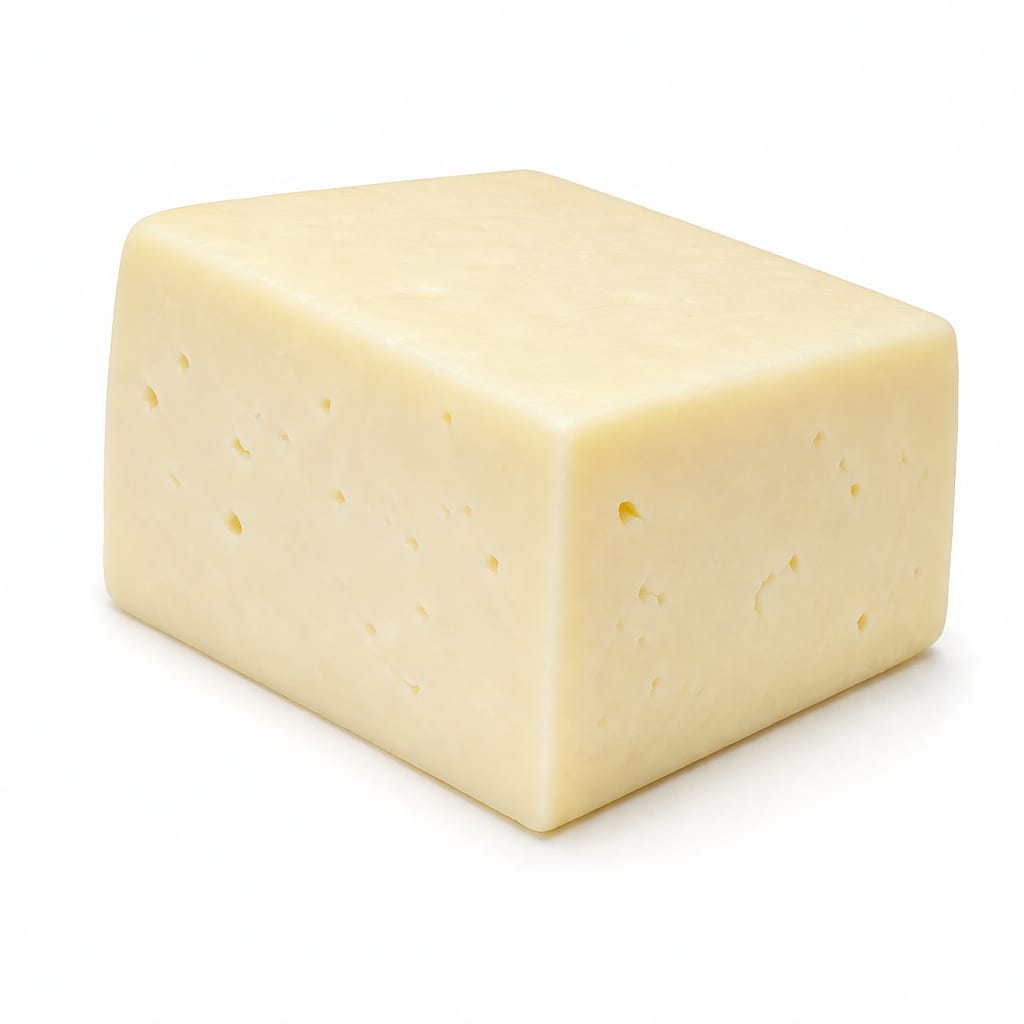
Compare with
Monterey Jack
Monterey Jack is higher in fat and calories, while Swiss is leaner and lower in carbs.
Swiss cheese is lower in calories and fat than Monterey Jack, making it the better option for weight loss and fitness.
This food
Swiss Cheese
VS80% alike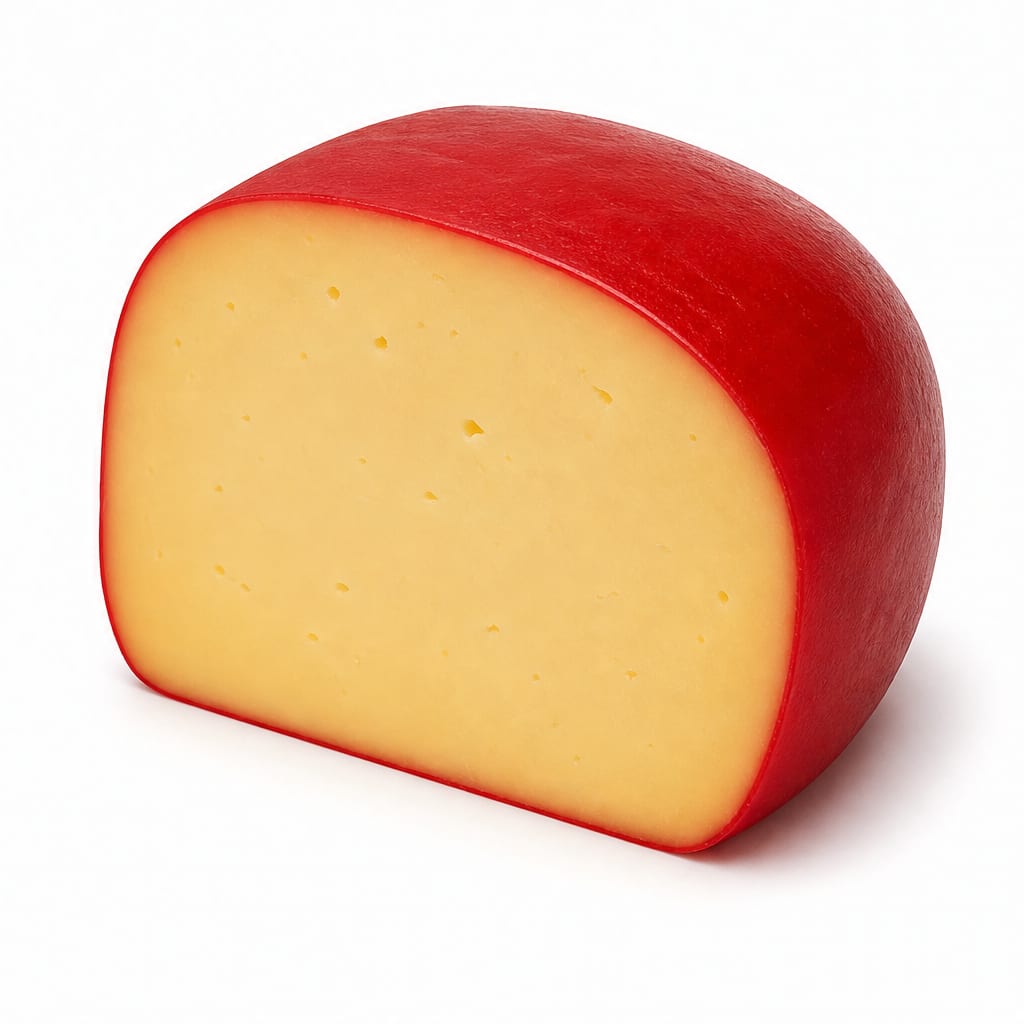
Compare with
Edam
Edam is slightly lower in fat, while Swiss offers more protein and less lactose.
Edam is slightly lower in fat, but Swiss cheese provides more protein and better satiety for low-carb diets.
This food
Swiss Cheese
VS95% alike
Compare with
Gruyère
Gruyère is richer and slightly higher in calories, while standard Swiss is leaner.
Standard Swiss cheese is lower in calories than Gruyère, making it better for weight loss, while Gruyère offers a richer flavor profile.
This food
Swiss Cheese
VS60% alike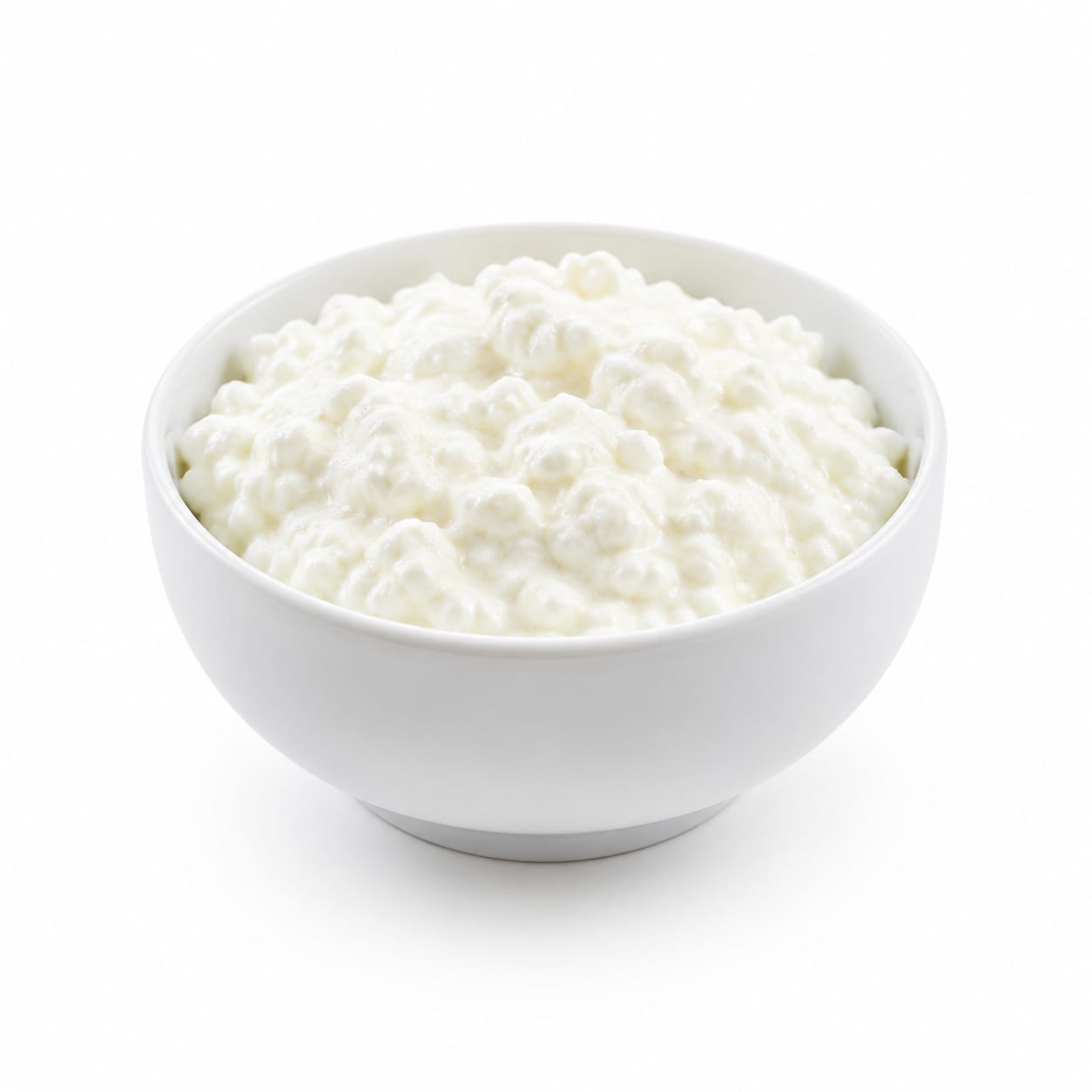
Compare with
Cottage Cheese
Cottage cheese is much lower in calories and fat, while Swiss is lower in lactose and carbs.
Cottage cheese is far lower in calories and better for weight loss, while Swiss cheese provides dense, low-carb satiety for keto diets.
Common questions
FAQ
Answers aligned with how people search for this food.
Is Swiss cheese good for weight loss?
It can be, due to high satiety from protein and fat, but portion control is essential because it is calorie-dense.
Can diabetics eat Swiss cheese?
Yes, it contains almost zero carbohydrates and will not spike blood sugar levels.
Does Swiss cheese have lactose?
Very little. The fermentation process consumes most of the lactose, making it tolerable for many with lactose sensitivity.
Is Swiss cheese keto friendly?
Yes, it is high in fat, rich in protein, and very low in carbs, making it ideal for ketogenic diets.
How much protein is in a slice of Swiss cheese?
One standard slice (about 28g) contains roughly 7 to 8 grams of protein.
Is Swiss cheese highly processed?
No, traditional Swiss cheese is minimally processed, made simply from milk, salt, rennet, and bacterial cultures.
Why does Swiss cheese have holes?
The holes, or eyes, are formed by carbon dioxide gas bubbles released by specific bacteria (Propionibacterium freudenreichii) during the fermentation process.
Transparency
Data confidence
Estimated confidence for nutrition data, interpretation, safety notes, and comparisons.
Nutrition data
Health analysis
Food safety
Comparisons