
Nutrition comparison
Swiss Cheese vs Mozzarella: Nutrition, Calories, and Health Comparison
Compare Swiss Cheese vs Mozzarella to see which is healthier. Learn about calories, lactose, sodium, and the best cheese for weight loss and digestion.
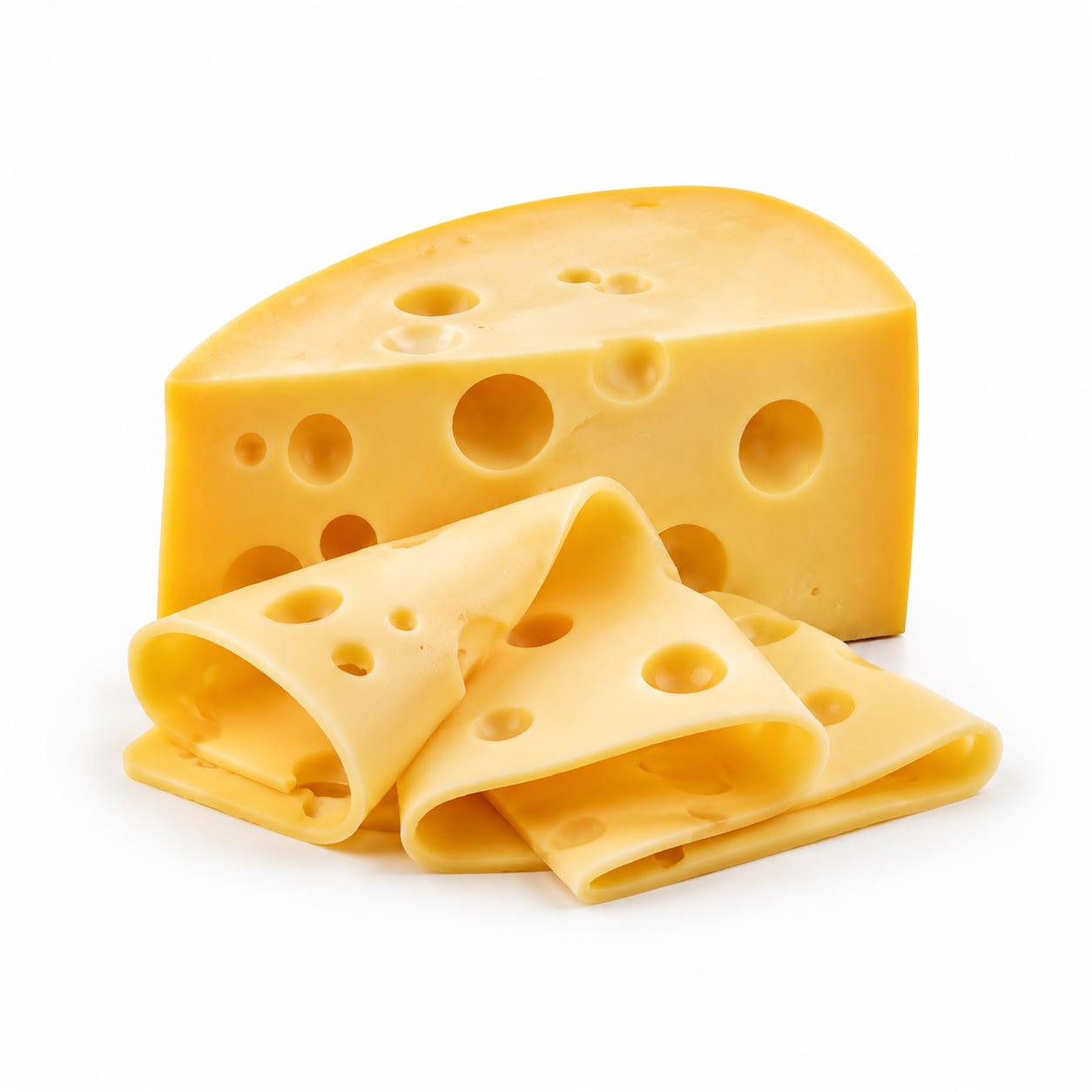
Swiss Cheese
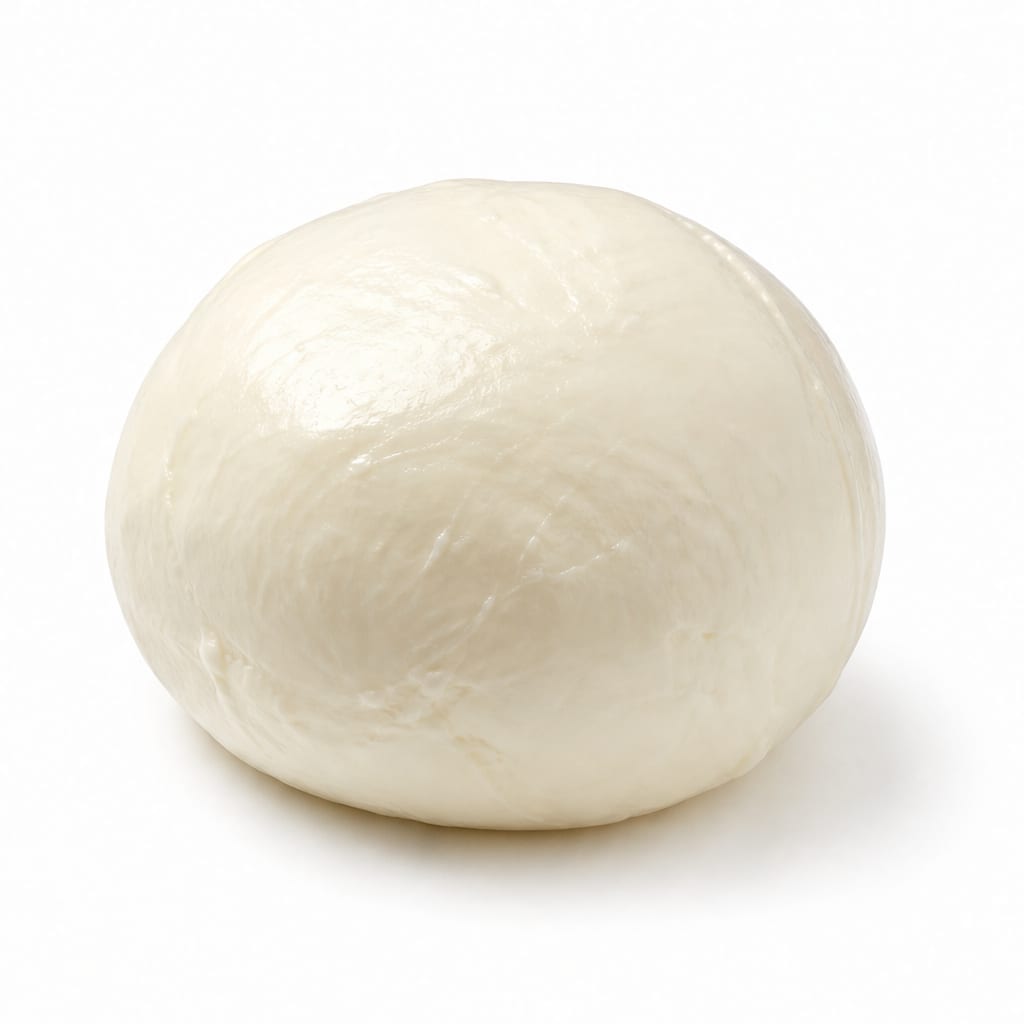
Mozzarella
Swiss Cheese offers richer flavor and easier digestion for lactose-sensitive folks, while Mozzarella delivers fewer calories and melts beautifully for lighter meals.
Mozzarella edges out Swiss Cheese slightly due to lower calorie density and sodium, making it a more flexible daily option, though Swiss Cheese wins for digestibility.
Intense flavor and low lactose (Swiss Cheese) versus lower fat and superior melting texture (Mozzarella).
At a glance
Executive summary
Overall
It depends
Healthier
Mozzarella
More practical
Mozzarella
Daily use
Mozzarella
Key comparison lenses
Weight management and calorie density
Mozzarella, especially part-skim, is significantly leaner, making it a staple for calorie-conscious diets.
Lactose sensitivity and digestion
Swiss Cheese is aged and naturally very low in lactose, while fresh Mozzarella can trigger intolerance symptoms.
Sodium intake and heart health
Swiss Cheese tends to be higher in sodium, which matters for those monitoring blood pressure.
Culinary use and meal pairing
Mozzarella is a melting champion for hot dishes, whereas Swiss offers a pungent cold-sandwich bite.
Best choice for
Swiss Cheese
- Lactose-sensitive individuals
- Sandwich and burger lovers
- Those seeking bold flavor in small portions
Mozzarella
- Calorie counters
- Pizza and pasta dishes
- People watching sodium intake
Least suitable for
Swiss Cheese
- Low-sodium diets
- Those who dislike strong cheese flavors
Mozzarella
- Lactose-intolerant individuals
- Those wanting a strong, sharp cheese flavor
Deep comparison
Dimension by dimension
Each lens scores both foods and breaks down who each option suits.
- Dimension 1 · Priority 90Mozzarella
Calorie and Fat Profile
Swiss Cheese · 70Mozzarella · 85Mozzarella, especially part-skim, packs significantly fewer calories and less fat per ounce than Swiss Cheese.
Tradeoff
You sacrifice the bold, nutty flavor of Swiss Cheese for a lighter, milder cheese that is easier to fit into a calorie budget.
Why it matters
Saving 30-40 calories and a few grams of fat per ounce adds up quickly if you eat cheese daily.
Real-world impact
Choosing Mozzarella makes it easier to enjoy cheese-laden dishes like pizza without blowing your daily calorie limit.
Swiss Cheese
- High-flavor satisfaction in small amounts
- Keto diets needing higher fat
Better for
- Strict calorie counting
- Low-fat diets
Worse for
Mozzarella
- Weight loss and calorie control
- Lower-fat diet preferences
Better for
- Those needing high-fat fuel for keto
Worse for
- Dimension 2 · Priority 85Swiss Cheese
Lactose and Digestibility
Swiss Cheese · 90Mozzarella · 50Swiss Cheese is aged longer, naturally reducing its lactose content to near-zero, making it much gentler on the stomach.
Tradeoff
You get a stomach-friendly cheese in Swiss Cheese, but miss out on the soft, fresh texture of Mozzarella.
Why it matters
Lactose intolerance affects a huge portion of adults; eating high-lactose cheese can cause bloating and discomfort.
Real-world impact
You can enjoy a Swiss Cheese sandwich without the afternoon bloating that a fresh Mozzarella caprese salad might cause.
Swiss Cheese
- Lactose-sensitive individuals
- Easier digestion
Better for
Mozzarella
- Those with no lactose issues
Better for
- Bloating and GI distress for sensitive folks
Worse for
- Dimension 3 · Priority 80Mozzarella
Sodium and Heart Health
Swiss Cheese · 60Mozzarella · 75Mozzarella is naturally lower in sodium than Swiss Cheese, making it a better friend to your blood pressure.
Tradeoff
Swiss Cheese has a saltier, more pronounced flavor, but that comes with a heavier sodium load per serving.
Why it matters
High sodium intake is a leading driver of hypertension; choosing lower-sodium cheeses helps keep daily totals in check.
Real-world impact
Snacking on Mozzarella instead of Swiss Cheese saves you about 50-80mg of sodium per ounce, keeping your heart happier over time.
Swiss Cheese
- Those who salt their food lightly elsewhere
Better for
- Strict low-sodium diets
Worse for
Mozzarella
- Blood pressure management
- Heart-healthy diets
Better for
- Dimension 4 · Priority 75Mozzarella
Culinary Versatility and Melting
Swiss Cheese · 70Mozzarella · 90Mozzarella melts smoothly and has a mild flavor that pairs with almost anything, while Swiss Cheese has a specific niche.
Tradeoff
Mozzarella adapts to countless recipes seamlessly, whereas Swiss Cheese can overpower delicate dishes with its strong flavor.
Why it matters
A versatile cheese reduces food waste and makes healthy meal prep easier and more enjoyable.
Real-world impact
Mozzarella works for pizza, salads, and wraps; Swiss Cheese is mostly relegated to Reubens and breakfast sandwiches.
Swiss Cheese
- Cold sandwiches
- Burgers
- Quiches
Better for
- Delicate flavor pairings
- Smooth melting dishes
Worse for
Mozzarella
- Pizza and pasta
- Caprese salads
- Melted dips
Better for
- Dishes requiring a sharp, nutty punch
Worse for
Timeline
Health impact over time
Short-term
Hours to days
Swiss Cheese
- Quick satiety from rich flavor and fat
- Unlikely to cause bloating even for lactose-sensitive people
Mozzarella
- Lighter post-meal feeling
- Possible GI discomfort for lactose-intolerant individuals
Long-term
Months to years
Swiss Cheese
- Higher sodium could impact blood pressure if overconsumed
- Good calcium and B12 intake for bone and nerve health
Mozzarella
- Easier weight maintenance due to lower calorie density
- Supports bone health with solid calcium and protein
Risk profile
Safety & processing
Both Swiss Cheese and Mozzarella are traditional, minimally processed cheeses made from simple ingredients like milk, salt, cultures, and enzymes.
Swiss Cheese
Histamine intolerance
mediumAged cheeses like Swiss Cheese contain higher levels of histamine, which can trigger headaches or reactions in sensitive individuals.
Mozzarella
Listeria (fresh varieties)
mediumFresh Mozzarella has higher moisture and lower acidity, making it slightly more susceptible to Listeria if not stored properly.
Who wins for whom
Audience fit
Same foods, different winners depending on your goal.
children
MozzarellaMozzarella's mild flavor and lower sodium content make it more kid-friendly and appropriate for developing palates.
daily consumption
MozzarellaLower sodium and calorie density make Mozzarella a safer bet for everyday eating without overdoing it.
diabetes
MozzarellaMozzarella is lower in calories and sodium, reducing cardiovascular risk factors common in diabetes.
elderly
Swiss CheeseSwiss Cheese is virtually lactose-free and packed with B12, which is vital for aging nervous systems.
muscle gain
It dependsBoth offer solid protein, but Swiss Cheese has slightly more per ounce, while Mozzarella offers a leaner protein-to-fat ratio.
weight loss
MozzarellaPart-skim Mozzarella provides high protein with fewer calories and less fat, making it easier to stay in a deficit.
Your move
Decision guide
Choose Swiss Cheese
- You are lactose intolerant
- You want a bold flavor so you eat less overall
- You are making a deli sandwich or burger
Choose Mozzarella
- You are watching your calories or fat
- You need a cheese that melts perfectly
- You are meal-prepping Italian dishes
Either works if
- You just need a solid protein and calcium boost
- You are building a cheese board
Avoid both if
- You have a dairy allergy
- You are on a strict vegan diet
Final recommendation
Choose Mozzarella for everyday meals, weight management, and cooking versatility. Opt for Swiss Cheese if lactose is an issue or you crave a robust, satisfying flavor.
Practical
Consumer tips
- 1
Buy part-skim Mozzarella to maximize protein while cutting calories and fat.
- 2
If you love Swiss Cheese but watch sodium, look for low-sodium varieties at the deli counter.
- 3
Fresh Mozzarella spoils faster than low-moisture; use it within a few days of opening.
- 4
Aging reduces lactose, so harder, older Swiss Cheese is always safer for sensitive stomachs than fresh cheeses.