
Nutrition comparison
Swiss Cheese vs Edam: Nutrition, Sodium & Health Comparison
Discover the key differences between Swiss Cheese and Edam. Learn which is lower in sodium, better for weight loss, and the healthiest choice for your diet.
Overall winner · Swiss Cheese
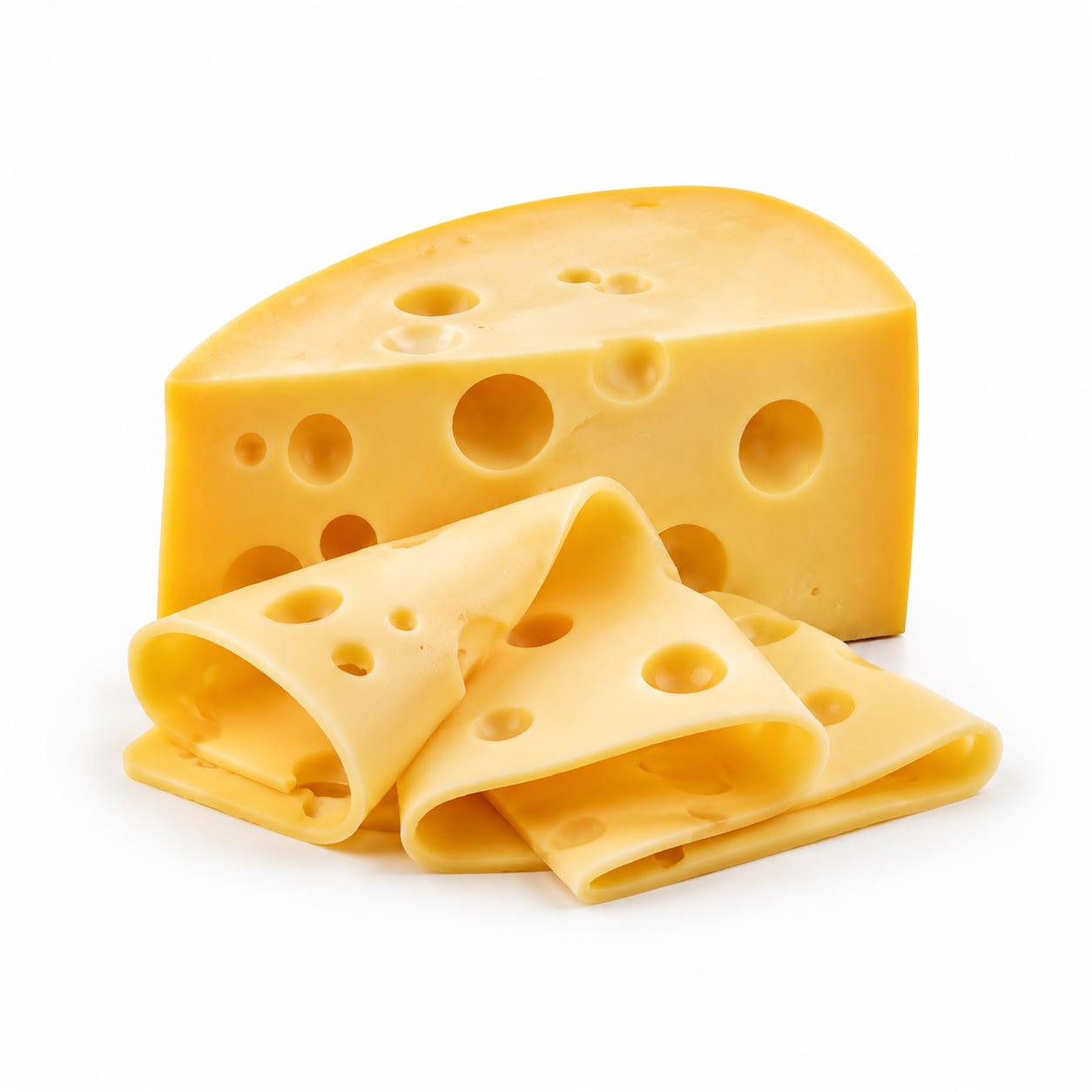
Swiss Cheese
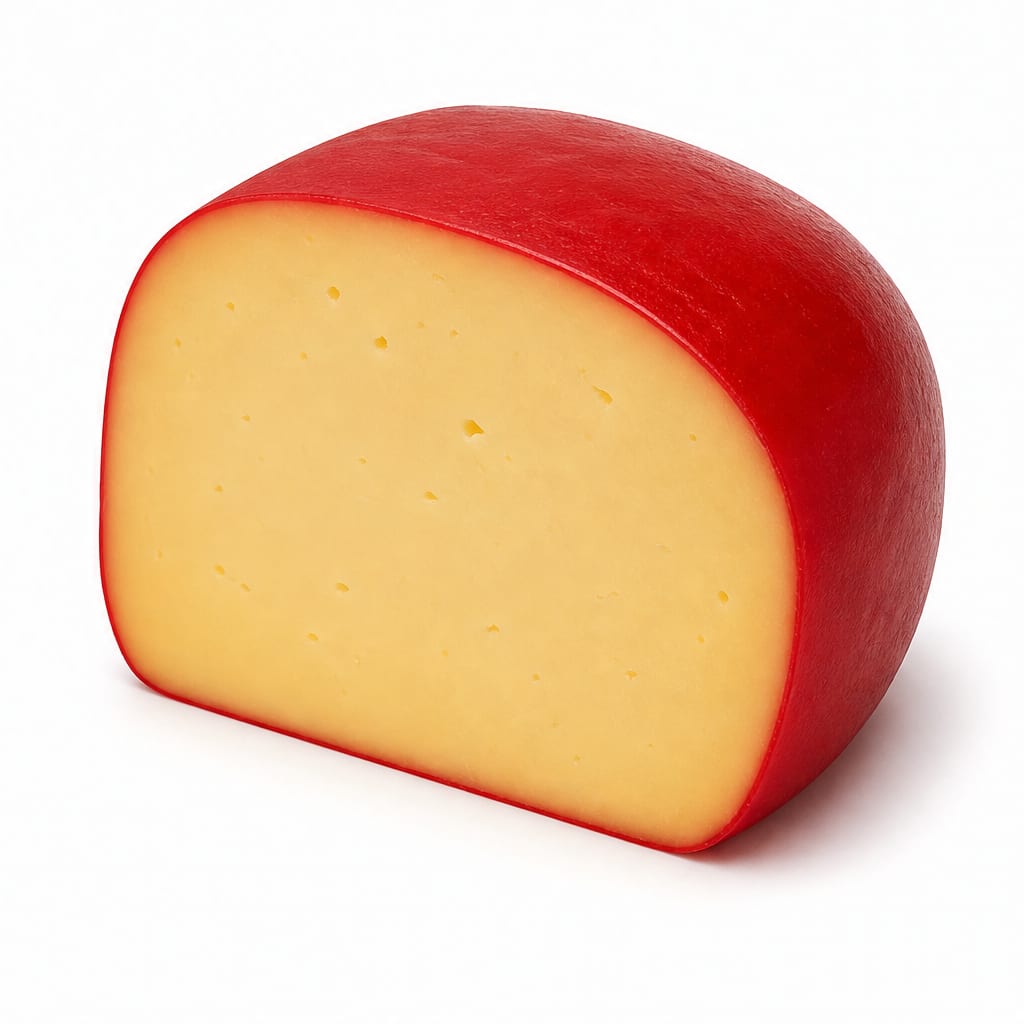
Edam
Swiss Cheese wins for overall health due to its remarkably low sodium, though Edam is a solid choice if you want slightly less fat and a milder flavor.
Swiss Cheese takes a clear lead primarily due to its exceptionally low sodium content, a rare and valuable trait in cheese. Edam remains a strong option with slightly less fat, but its higher sodium load makes it less ideal for daily heavy consumption.
You are trading the heart-friendly low sodium of Swiss Cheese for the slightly lighter fat profile of Edam.
At a glance
Executive summary
Overall
Swiss Cheese
Healthier
Swiss Cheese
More practical
It depends
Daily use
Swiss Cheese
Key comparison lenses
Sodium and blood pressure impact
Swiss Cheese is famously low in sodium compared to almost all other cheeses, while Edam is moderately high, making this the most critical health differentiator.
Fat and calorie density
Edam is naturally slightly lower in fat than Swiss Cheese, making it a relevant comparison for those managing calorie intake.
Bone health and mineral density
Both are dairy powerhouses, but slight variations in calcium and vitamin B12 content influence their long-term health value.
Culinary use and flavor preference
Swiss Cheese offers a nutty, bold flavor and superior melting, while Edam provides a mild, creamy experience.
Best choice for
Swiss Cheese
- People watching their blood pressure
- Those seeking a low-sodium cheese option
- Fans of melting cheeses for hot sandwiches
Edam
- People looking for lower-fat cheese options
- Those who prefer mild, creamy flavors
- Parents feeding picky eaters
Least suitable for
Swiss Cheese
- People avoiding strong or nutty flavors
- Those on strict low-fat diets
Edam
- People on low-sodium diets
- Those managing hypertension
Deep comparison
Dimension by dimension
Each lens scores both foods and breaks down who each option suits.
- Dimension 1 · Priority 95Swiss Cheese
Sodium & Heart Health
Swiss Cheese · 95Edam · 50Swiss Cheese is one of the lowest-sodium cheeses available, making it a clear winner for heart health and blood pressure management.
Tradeoff
Edam's higher sodium content is a significant drawback if eaten frequently, though it contributes to its preservation and savory taste.
Why it matters
High sodium intake is a leading driver of hypertension, and cheese is often a hidden sodium bomb in everyday diets.
Real-world impact
Choosing Swiss Cheese means you can enjoy a cheese snack without feeling bloated or worrying about your blood pressure reading at your next checkup.
Swiss Cheese
- Managing blood pressure
- Reducing daily water retention
Better for
Edam
- Staying under daily sodium limits
- Heart-healthy diets
Worse for
- Dimension 2 · Priority 80Edam
Fat & Calorie Density
Swiss Cheese · 70Edam · 80Edam is naturally lower in fat than Swiss Cheese, making it a slightly lighter option calorie-for-calorie.
Tradeoff
You save on fat and calories with Edam, but you lose the low-sodium benefit that Swiss Cheese provides.
Why it matters
For those tracking calories or saturated fat, even small differences per ounce add up over the course of a week.
Real-world impact
Snacking on Edam instead of Swiss Cheese can save you a couple of grams of saturated fat per serving, which feels lighter during a busy afternoon.
Swiss Cheese
- Strict low-fat diets
Worse for
Edam
- Lower-fat diets
- Calorie counting
Better for
- Dimension 3 · Priority 75It depends
Bone Health & Minerals
Swiss Cheese · 80Edam · 82Both are excellent sources of calcium, but Edam packs slightly more calcium per serving, while Swiss Cheese offers more vitamin B12.
Tradeoff
Edam gives a slight edge in bone-strengthening calcium, while Swiss Cheese supports nerve health and energy metabolism better with B12.
Why it matters
Adequate calcium is crucial for preventing osteoporosis, while B12 is essential for sustained energy and cognitive function.
Real-world impact
A couple of slices of either cheese covers about 20-25% of your daily calcium needs, keeping your bones sturdy and resilient.
Swiss Cheese
- Nerve function support
- Energy metabolism
Better for
Edam
- Osteoporosis prevention
- Bone density maintenance
Better for
- Dimension 4 · Priority 70Swiss Cheese
Satiety & Protein Quality
Swiss Cheese · 82Edam · 78Both provide high-quality complete protein that keeps you full, though Swiss Cheese has slightly more protein per ounce.
Tradeoff
Swiss Cheese is slightly more filling due to the extra protein, but Edam's lower fat content might leave you wanting a bit more food.
Why it matters
Protein-rich snacks prevent energy crashes and overeating later in the day.
Real-world impact
Adding Swiss Cheese to your lunch sandwich will keep you satisfied longer until dinner than a slice of Edam.
Swiss Cheese
- Long-lasting fullness
- Post-workout recovery
Better for
Edam
- Lighter snacking
Better for
- Curbing intense hunger
Worse for
- Dimension 5 · Priority 65It depends
Culinary Versatility & Flavor
Swiss Cheese · 78Edam · 80Swiss Cheese brings a nutty, bold flavor and melts beautifully, while Edam offers a mild, creamy profile that pairs well with fruit.
Tradeoff
Swiss Cheese dominates in hot dishes and savory sandwiches, whereas Edam shines on cold snack plates and cheeseboards.
Why it matters
Enjoyment dictates long-term dietary adherence; you need a cheese that fits your actual meals and cravings.
Real-world impact
Use Swiss Cheese for a gooey grilled cheese or French onion soup, and Edam for a simple cracker-and-fruit board.
Swiss Cheese
- Melting applications
- Savory flavor depth
Better for
- Mild flavor preferences
Worse for
Edam
- Kid-friendly snacking
- Fruit and cracker pairings
Better for
- Complex culinary dishes
Worse for
Timeline
Health impact over time
Short-term
Hours to days
Swiss Cheese
- Steady energy from protein and fat
- Less post-meal thirst due to low sodium
Edam
- Satisfying snack with a creamy mouthfeel
- May cause mild water retention from sodium
Long-term
Months to years
Swiss Cheese
- Better blood pressure maintenance
- Stronger bone density from consistent calcium intake
Edam
- Good bone health support
- Potential blood pressure concerns if overconsumed daily
Risk profile
Safety & processing
Both Swiss Cheese and Edam are traditional fermented dairy products made with minimal ingredients, relying on natural cultures and aging rather than artificial additives.
Swiss Cheese
Histamine intolerance
mediumAged cheeses like Swiss can be high in histamine, which may trigger headaches or digestive upset in sensitive individuals.
Listeria
lowFirm, aged cheeses are generally very safe from bacterial contamination, making this a low concern.
Edam
Sodium overload
mediumEating large amounts of Edam can easily push daily sodium intake past healthy limits, straining the cardiovascular system.
Listeria
lowLike Swiss, Edam is firm and aged, making bacterial contamination rare.
Who wins for whom
Audience fit
Same foods, different winners depending on your goal.
children
EdamEdam's mild, creamy flavor and softer texture are usually much more appealing to kids than the strong nutty taste of Swiss.
daily consumption
Swiss CheeseSodium is the main limiting factor for eating cheese every day, and Swiss Cheese allows for daily consumption without the bloat or blood pressure spike.
diabetes
Swiss CheeseBoth are low-carb, but the lower sodium in Swiss Cheese is highly beneficial for cardiovascular health, which is a major concern for diabetics.
elderly
Swiss CheeseLower sodium is crucial for aging blood vessels, and the high B12 in Swiss Cheese supports nerve health in older adults.
muscle gain
Swiss CheeseSwiss Cheese has slightly more protein per serving, giving it a minor edge for muscle repair and growth.
weight loss
EdamEdam is slightly lower in fat and calories, making it a bit easier to fit into a calorie-restricted diet.
Your move
Decision guide
Choose Swiss Cheese
- You are watching your blood pressure or sodium intake
- You want a superior melting cheese for hot sandwiches
- You prefer a nutty, bold flavor
- You are prone to bloating or water retention from salt
Choose Edam
- You want a lower-fat cheese option
- You prefer a mild, creamy taste
- You are making a cold snack plate or cheeseboard
- You are feeding picky kids
Either works if
- You need a calcium boost for bone health
- You want a high-protein, low-carb snack
- You are on a keto diet
Avoid both if
- You have a severe dairy allergy
- You are strictly vegan
- You are highly sensitive to histamine
Final recommendation
For everyday snacking and cooking, Swiss Cheese is the smarter choice due to its remarkably low sodium content. However, if you are strictly counting fat grams or prefer a milder flavor for snacking, Edam is a perfectly healthy alternative in moderation.
Practical
Consumer tips
- 1
Always check the sodium label on Swiss Cheese, as some mass-produced versions add more salt than traditional varieties.
- 2
Pair Edam with fresh fruit like apples or pears to balance its natural saltiness.
- 3
If you get headaches from aged cheese, younger Edam might be better tolerated than extra-aged Swiss.
- 4
Both cheeses are relatively low in lactose due to the fermentation process, making them easier on the stomach for mildly lactose-intolerant individuals.