
Nutrition comparison
Swiss Cheese vs Gruyère: Nutrition, Health, and Flavor Comparison
Compare Swiss Cheese and Gruyère on calories, sodium, protein, and culinary performance. Find out which Alpine cheese is healthier for daily eating and when to choose each.
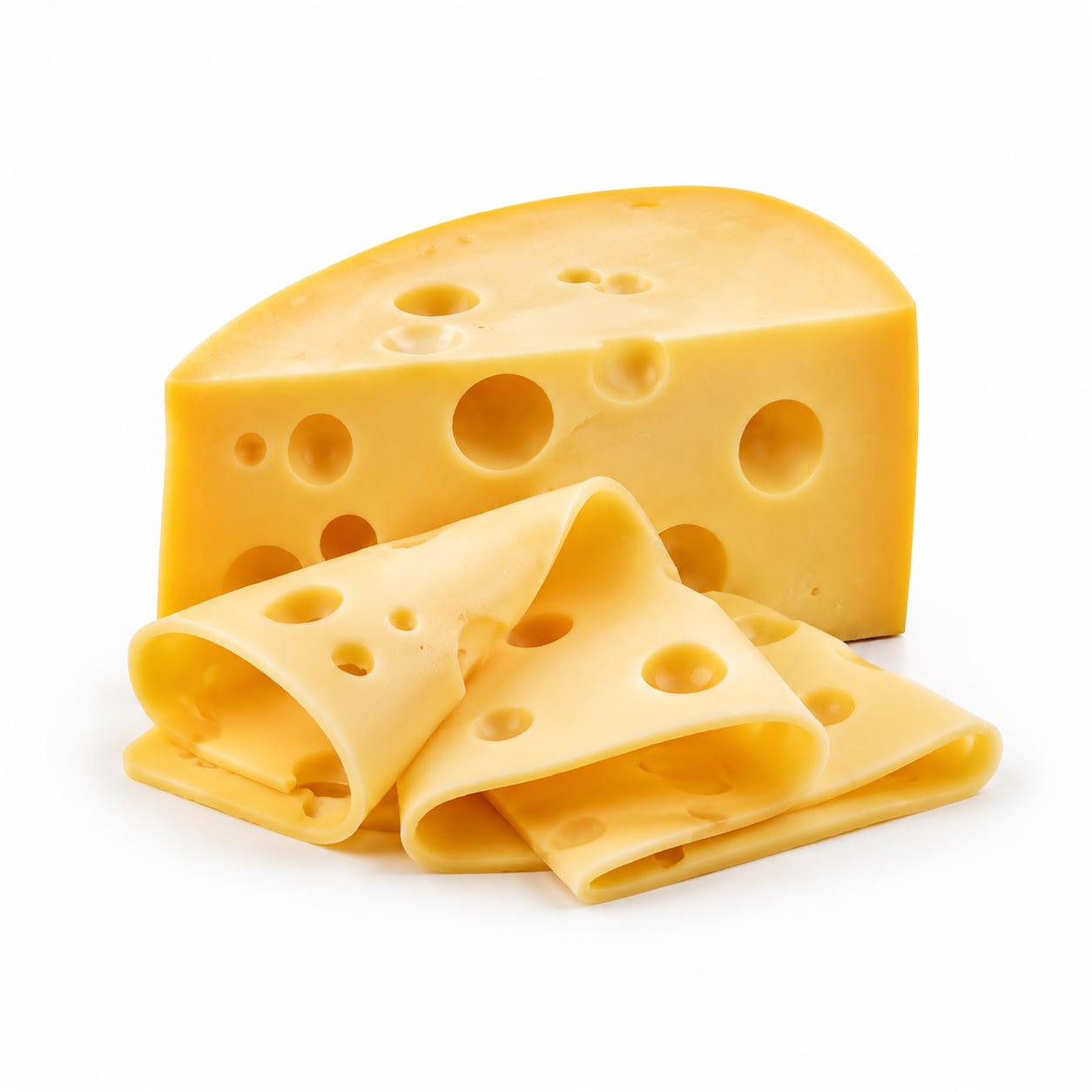
Swiss Cheese

Gruyère
Swiss Cheese is the lighter, lower-sodium everyday option; Gruyère is the richer, more flavorful indulgence that demands portion awareness.
Swiss Cheese scores higher primarily due to its sodium advantage and lower calorie density, making it more sustainable for regular consumption. Gruyère excels in flavor and cooking performance but its richness limits everyday practicality.
Flavor depth and melting superiority versus lower calories and significantly less sodium.
At a glance
Executive summary
Overall
It depends
Healthier
Swiss Cheese
More practical
Swiss Cheese
Daily use
Swiss Cheese
Key comparison lenses
Everyday cheese selection for health-conscious eating
Both are Alpine-style cheeses with distinct nutritional profiles that affect daily dietary choices
Sodium and blood pressure management
Swiss Cheese is notably lower in sodium than most cheeses, while Gruyère carries a moderate sodium load
Calorie density and weight management
Gruyère is significantly richer and more calorie-dense, impacting portion control and weight goals
Culinary performance and cooking versatility
Gruyère is prized for melting and fondue, while Swiss Cheese offers milder everyday utility
Bone health and mineral density
Both deliver calcium and phosphorus, but concentration differs due to moisture content
Best choice for
Swiss Cheese
- People watching their sodium intake
- Those counting calories who still want cheese
- Sandwich and snack cheese needs
- Budget-conscious cheese buyers
Gruyère
- Culinary enthusiasts wanting superior melting
- Fondue and French onion soup recipes
- Those prioritizing flavor intensity over quantity
- Entertaining and cheese boards
Least suitable for
Swiss Cheese
- Recipes demanding rich, smooth melting
- Gourmet cooking where flavor depth matters
- Those seeking bold cheese flavor in small portions
Gruyère
- Low-sodium diets
- Strict calorie-controlled eating
- Budget meal planning
- Casual snacking where overeating is likely
Deep comparison
Dimension by dimension
Each lens scores both foods and breaks down who each option suits.
- Dimension 1 · Priority 95Swiss Cheese
Sodium Load
Swiss Cheese · 88Gruyère · 52Swiss Cheese contains roughly 40-50% less sodium than Gruyère, making it one of the best cheese choices for blood pressure management.
Tradeoff
Gruyère's salt contributes significantly to its satisfying flavor, so you sacrifice taste intensity with Swiss Cheese's lower sodium.
Why it matters
High sodium intake is the leading dietary risk factor for hypertension, and cheese is a top sodium source in Western diets.
Real-world impact
Choosing Swiss Cheese over Gruyère saves roughly 100-150mg sodium per ounce, which adds up meaningfully across a week of eating.
Swiss Cheese
- Hypertension management
- Heart-healthy eating patterns
- Daily cheese consumption without sodium guilt
Better for
- Recipes where salt from cheese is needed
Worse for
Gruyère
- Flavor satisfaction in smaller portions
Better for
- Blood pressure control
- Reducing daily sodium below 1500mg
Worse for
- Dimension 2 · Priority 90Swiss Cheese
Calorie Density and Weight Management
Swiss Cheese · 78Gruyère · 55Swiss Cheese delivers roughly 15-20% fewer calories per ounce than Gruyère due to higher moisture and lower fat content.
Tradeoff
Gruyère's richness means you may feel satisfied with less, but most people eat similar portions regardless, leading to higher calorie intake.
Why it matters
Cheese is easy to overeat, and calorie density directly impacts whether you maintain or gain weight over time.
Real-world impact
A typical 2-ounce cheese snack of Gruyère costs you about 60-80 more calories than the same amount of Swiss Cheese.
Swiss Cheese
- Consistent calorie tracking
- Larger cheese portions without overshooting calories
- Weight loss or maintenance phases
Better for
- Those who find low-fat cheese less satisfying and compensate with more food
Worse for
Gruyère
- High-flavor satisfaction in small amounts
Better for
- Mindless snacking scenarios
- Portion control challenges
Worse for
- Dimension 3 · Priority 85Gruyère
Flavor and Culinary Performance
Swiss Cheese · 58Gruyère · 92Gruyère offers a complex nutty, earthy flavor and melts into a silky texture that Swiss Cheese cannot match.
Tradeoff
That culinary superiority comes with higher fat, calories, and sodium that may not justify everyday use.
Why it matters
Flavor satisfaction affects whether you feel deprived or content with your food choices, influencing long-term dietary adherence.
Real-world impact
Gruyère elevates a grilled cheese or French onion soup from good to restaurant-quality; Swiss Cheese keeps things simple and predictable.
Swiss Cheese
- Mild flavor preferences
- Kids who dislike strong cheese
- Quick sandwiches where cheese is a background player
Better for
- Special occasion cooking
- Recipes where cheese is the star
Worse for
Gruyère
- Fondue and raclette
- French onion soup
- Gourmet grilled cheese
- Cheese boards for entertaining
Better for
- Everyday meals where richness feels excessive
Worse for
- Dimension 4 · Priority 78Swiss Cheese
Protein and Satiety
Swiss Cheese · 76Gruyère · 70Swiss Cheese provides slightly more protein per calorie, making it a more efficient protein source for the calories spent.
Tradeoff
Gruyère's higher fat content delivers longer-lasting satiety for some people, despite slightly less protein per serving.
Why it matters
Protein efficiency matters when cheese is part of a meal rather than the main protein source.
Real-world impact
An ounce of Swiss Cheese gives you about 8g protein for roughly 110 calories; Gruyère offers similar protein but at 120-130 calories.
Swiss Cheese
- Protein-per-calorie optimization
- Post-workout snacks where efficiency matters
Better for
- Those who need fat for sustained energy
Worse for
Gruyère
- Longer-lasting fullness between meals
- Low-carb eating where fat aids satiety
Better for
- Lean protein prioritization
Worse for
- Dimension 5 · Priority 75Gruyère
Bone Health and Mineral Content
Swiss Cheese · 72Gruyère · 80Gruyère's lower moisture content concentrates calcium and phosphorus slightly more per ounce than Swiss Cheese.
Tradeoff
The mineral advantage is modest and comes packaged with more saturated fat and calories.
Why it matters
Cheese is a top calcium source for many adults, and small differences in mineral density compound over years of eating.
Real-world impact
Both cheeses easily contribute 20-25% of daily calcium needs per ounce, so the practical difference is minor unless cheese is your primary calcium source.
Swiss Cheese
- Adequate calcium with fewer calories
Better for
- Very low-volume eaters needing nutrient density
Worse for
Gruyère
- Maximum mineral density per bite
- Those eating small portions who need concentrated nutrition
Better for
- Those already exceeding saturated fat limits
Worse for
- Dimension 6 · Priority 72Swiss Cheese
Budget and Accessibility
Swiss Cheese · 85Gruyère · 48Swiss Cheese is widely available and typically costs half to one-third the price of Gruyère.
Tradeoff
Gruyère's premium price reflects traditional production methods and longer aging, delivering genuine quality differences.
Why it matters
Cost affects whether a food can realistically be part of your regular diet or remains an occasional luxury.
Real-world impact
Swiss Cheese runs $4-7 per pound at most grocery stores; Gruyère typically costs $12-20 per pound.
Swiss Cheese
- Weekly meal prep budgets
- Families buying cheese in quantity
- Accessible cheese for everyday cooking
Better for
- Culinary enthusiasts wanting authentic European cheese
Worse for
Gruyère
- Special occasions where quality justifies cost
Better for
- Regular grocery budgets
- Bulk cooking and meal prep
Worse for
- Dimension 7 · Priority 70Swiss Cheese
Digestive Tolerance
Swiss Cheese · 80Gruyère · 68Both cheeses are relatively low in lactose due to fermentation, but Swiss Cheese is often slightly better tolerated.
Tradeoff
Aged Gruyère also has minimal lactose, so the difference is small for most people with lactose sensitivity.
Why it matters
Lactose intolerance affects roughly 65% of the global population, making cheese tolerance a real daily concern.
Real-world impact
Most lactose-sensitive people can handle both cheeses in moderate amounts, but Swiss Cheese's slightly lower lactose may feel gentler on sensitive stomachs.
Swiss Cheese
- Mild lactose sensitivity
- Those new to reintroducing cheese after dairy elimination
Better for
- Severe dairy intolerance where neither works
Worse for
Gruyère
- Well-aged Gruyère is similarly well-tolerated
Better for
- Very sensitive digestion
- Higher fat content may slow gastric emptying uncomfortably
Worse for
Timeline
Health impact over time
Short-term
Hours to days
Swiss Cheese
- Mild, steady energy with minimal sodium bloat
- Moderate satiety without heavy fullness
- Unlikely to trigger digestive discomfort in lactose-sensitive individuals
Gruyère
- Rich, satisfying mouthfeel that curbs cravings effectively
- Higher sodium may cause mild water retention
- Heavier fat load may feel sluggish if overeaten
Long-term
Months to years
Swiss Cheese
- Lower cumulative sodium exposure supports blood pressure health
- Sustainable calorie profile enables consistent weight management
- Regular calcium intake supports bone density without excessive saturated fat
Gruyère
- Higher saturated fat intake may impact cardiovascular markers if consumed frequently
- Superior flavor satisfaction may reduce cravings for other rich foods
- Concentrated mineral content supports bone health in smaller portions
Risk profile
Safety & processing
Both Swiss Cheese and Gruyère are traditionally made from milk, cultures, rennet, and salt. Neither contains artificial additives when produced authentically. Mass-produced Swiss Cheese may use faster production methods, while Gruyère AOP follows stricter traditional standards. Both are clean choices relative to most processed foods.
Swiss Cheese
Histamine content
lowAged cheeses contain histamine that may affect sensitive individuals with headaches or skin reactions, though Swiss Cheese typically has moderate levels.
Listeria vulnerability in unpasteurized versions
lowMost commercial Swiss Cheese uses pasteurized milk, but artisanal versions may use raw milk, posing slight risk for pregnant women.
Gruyère
Higher histamine levels
mediumGruyère's longer aging produces more histamine, which can trigger headaches or digestive issues in sensitive people.
Raw milk versions
mediumAuthentic Gruyère is often made from raw milk, which carries slightly higher foodborne illness risk for immunocompromised individuals and pregnant women.
Who wins for whom
Audience fit
Same foods, different winners depending on your goal.
children
Swiss CheeseMilder flavor, lower sodium, and wider availability make Swiss Cheese more kid-friendly and appropriate for developing taste preferences.
daily consumption
Swiss CheeseSwiss Cheese's lighter profile makes it sustainable as a daily cheese without accumulating excessive sodium, calories, or saturated fat.
diabetes
Swiss CheeseBoth cheeses are very low in carbohydrates and won't spike blood sugar, but Swiss Cheese's lower calorie and sodium load is preferable for the cardiovascular risks that accompany diabetes.
elderly
Swiss CheeseLower sodium supports blood pressure management, and adequate calcium with fewer calories aligns with the nutritional needs of aging adults.
muscle gain
Swiss CheeseSlightly more protein per calorie makes Swiss Cheese a marginally more efficient protein contributor to a muscle-building diet.
weight loss
Swiss CheeseLower calorie density and sodium make Swiss Cheese easier to fit into a calorie deficit without feeling deprived of cheese entirely.
Your move
Decision guide
Choose Swiss Cheese
- You watch your sodium or blood pressure
- You eat cheese daily and need a sustainable option
- You prefer milder flavor that does not dominate a meal
- You are managing your weight and want cheese without the calorie cost
- You are feeding kids who prefer gentle flavors
Choose Gruyère
- Cooking is a passion and flavor quality matters deeply
- You are making fondue, French onion soup, or a gourmet grilled cheese
- You eat cheese occasionally and want maximum satisfaction per serving
- You are assembling a cheese board for guests
- You follow a low-carb diet where richer fat content aids satiety
Either works if
- You need a low-lactose cheese option
- You want a natural, minimally processed cheese
- You are looking for a good calcium source
- You enjoy cheese in moderation regardless of type
Avoid both if
- You have a dairy allergy
- You are strictly limiting saturated fat for cardiovascular reasons
- You are on a very low-sodium diet requiring cheese elimination
- You experience histamine intolerance with aged cheeses
Final recommendation
Keep Swiss Cheese as your everyday cheese for sandwiches, snacks, and salads. Save Gruyère for the meals where its flavor truly shines, like fondue or French onion soup. This way you get the health benefits of lower sodium and calories most of the time, while still enjoying Gruyère's exceptional qualities when they matter most.
Practical
Consumer tips
- 1
Look for Swiss Cheese with visible eyes (holes), which indicates proper fermentation and typically better flavor
- 2
Authentic Gruyère AOP from Switzerland will deliver the best flavor and is worth the premium for special recipes
- 3
Aged Gruyère (Réserve or Vieux) has even more histamine but also more complex flavor, so choose younger Gruyère if you are sensitive
- 4
Pre-sliced Swiss Cheese is convenient but often thinner than optimal for flavor; slicing from a block gives better results
- 5
Both cheeses freeze well for up to 3 months if you buy in bulk, though texture may change slightly
- 6
If sodium is a concern, rinse cheese under cold water briefly to remove surface salt, which can reduce sodium by 10-15%