
Nutrition comparison
Swiss Cheese vs Brie: Which Is Healthier for Daily Eating?
Compare Swiss Cheese and Brie on protein, fat, lactose, food safety, and daily usability. Find out which cheese belongs in your fridge and which belongs on your cheese board.
Overall winner · Swiss Cheese
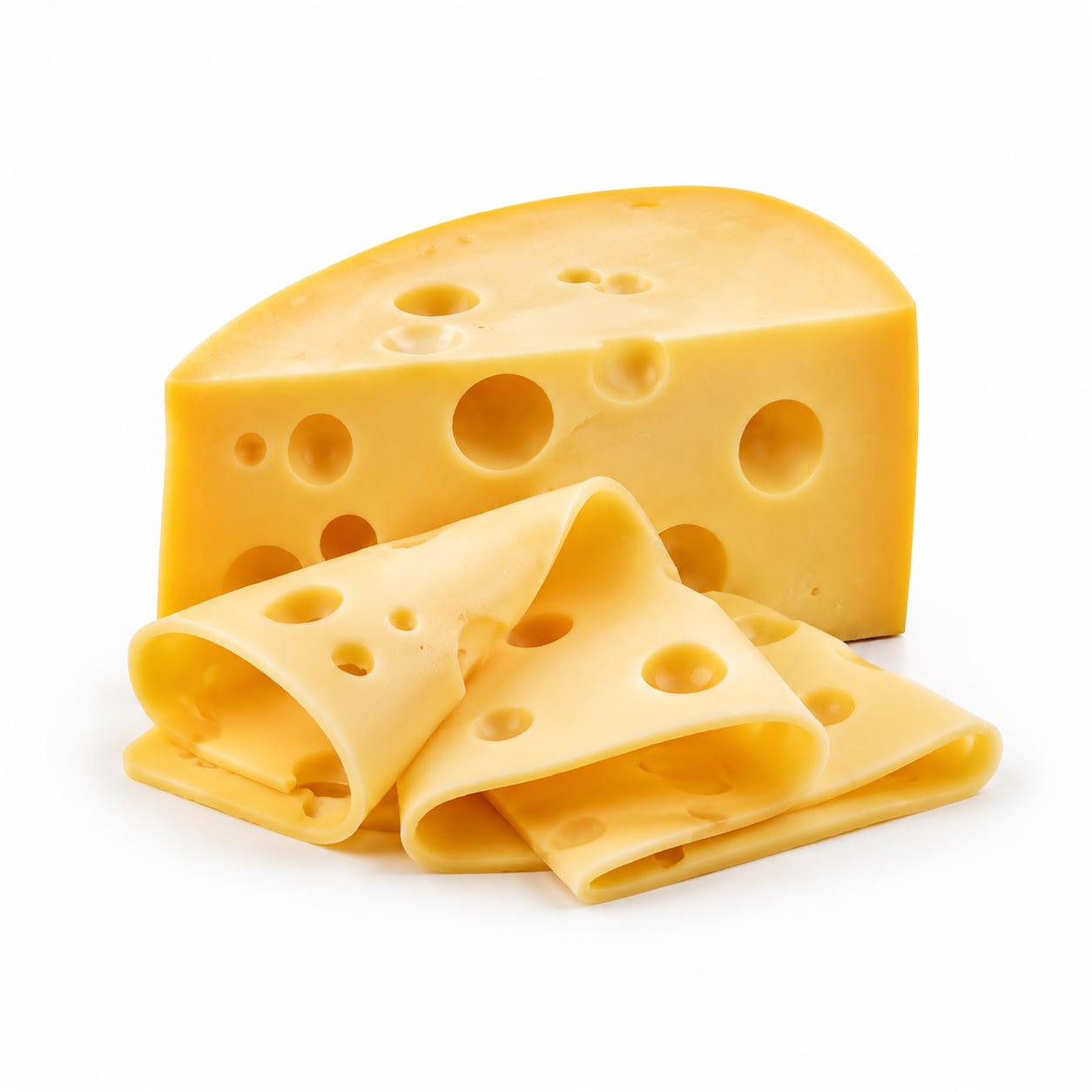
Swiss Cheese
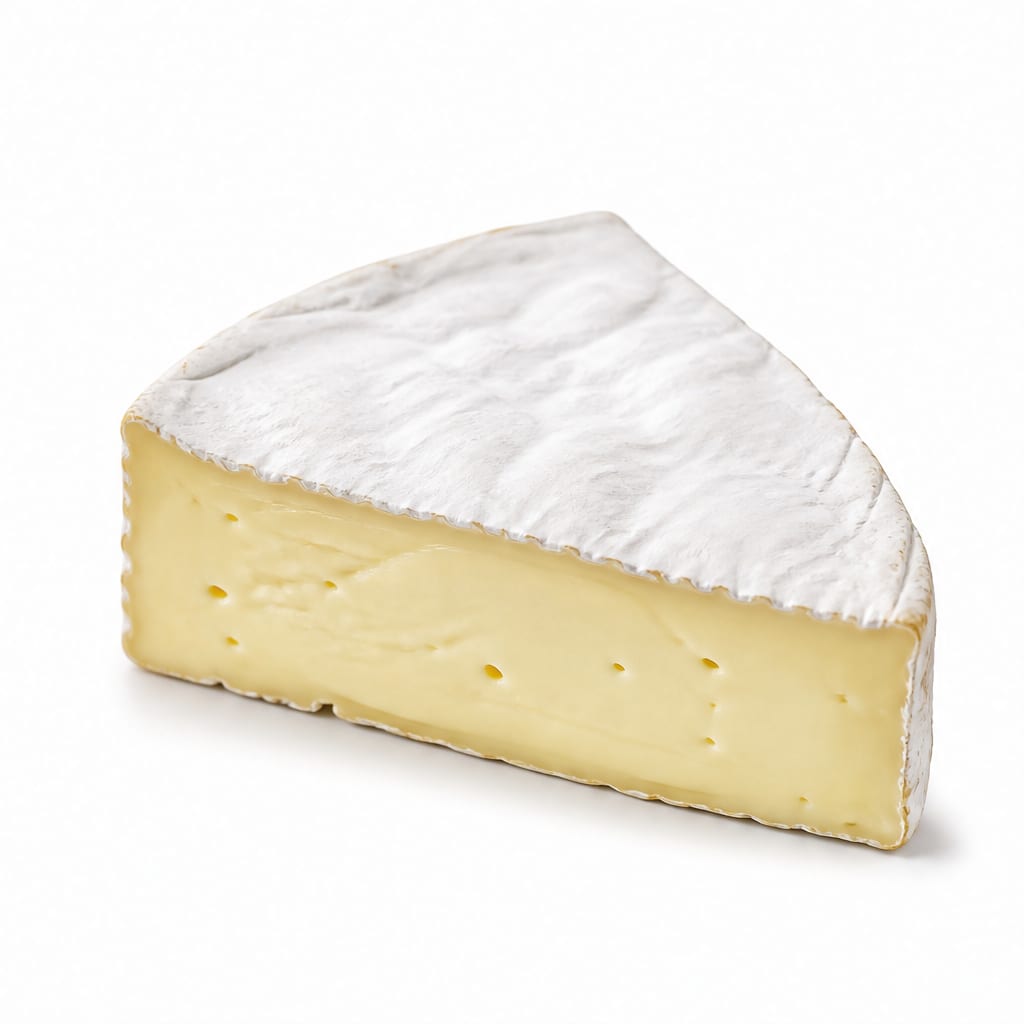
Brie
Swiss Cheese wins for everyday eating thanks to higher protein, lower fat, and better lactose tolerance. Brie excels as an occasional indulgence with its creamy comfort and probiotic potential.
Swiss Cheese scores meaningfully higher due to its stronger protein-to-fat ratio, lower calorie density, superior lactose digestibility, and safer profile for vulnerable populations. Brie remains enjoyable but is better suited as an occasional food rather than a daily staple.
Swiss Cheese gives you more protein and less fat per bite, but Brie offers a richer, more satisfying eating experience that feels like a treat rather than fuel.
At a glance
Executive summary
Overall
Swiss Cheese
Healthier
Swiss Cheese
More practical
Swiss Cheese
Daily use
Swiss Cheese
Key comparison lenses
saturated fat and heart health tradeoffs
Brie is significantly higher in saturated fat, making cardiovascular impact a central concern for daily cheese decisions
pregnancy and food safety
Brie is a soft unpasteurized-style cheese carrying listeria risk, a critical concern for pregnant women and immunocompromised individuals
protein and satiety comparison
Swiss Cheese delivers notably more protein per calorie, affecting fullness and muscle maintenance
sodium and blood pressure
Both cheeses are moderate-to-high in sodium, but differences matter for hypertension management
lactose tolerance and digestibility
Swiss Cheese is naturally very low in lactose, while Brie contains slightly more, affecting sensitive individuals
Best choice for
Swiss Cheese
- Daily sandwich or wrap builds
- High-protein low-carb snackers
- Lactose-sensitive cheese lovers
- Heart-conscious daily cheese eaters
- Meal prep and portion control
Brie
- Entertaining and cheese boards
- Comfort eating and emotional satisfaction
- Those seeking probiotic variety from rind
- Special occasion indulgence
- People who find mild cheese boring
Least suitable for
Swiss Cheese
- Romantic cheese board presentations
- Those wanting rich creamy textures
- People seeking probiotic benefits from rind
Brie
- Pregnant women due to listeria risk
- Daily high-volume cheese consumers
- Those strictly limiting saturated fat
- Lactose-sensitive individuals
Deep comparison
Dimension by dimension
Each lens scores both foods and breaks down who each option suits.
- Dimension 1 · Priority 90Swiss Cheese
Protein and Satiety
Swiss Cheese · 82Brie · 58Swiss Cheese delivers roughly 27g protein per 100g versus Brie's 21g, making it noticeably more filling per serving.
Tradeoff
You get more staying power from Swiss Cheese, but Brie's higher fat content creates a different kind of satisfaction that feels more indulgent.
Why it matters
Higher protein means steadier energy and less temptation to snack between meals.
Real-world impact
A Swiss Cheese sandwich at lunch keeps you fuller longer than Brie, which may leave you reaching for something else by 3pm.
Swiss Cheese
- Post-workout recovery meals
- High-protein diet followers
- People who skip snacks between meals
Better for
- People who find lean cheese unsatisfying
Worse for
Brie
- Those prioritizing pleasure over function
- Small appetites who prefer calorie-dense foods
Better for
- Anyone tracking protein intake carefully
Worse for
- Dimension 2 · Priority 92Swiss Cheese
Saturated Fat and Heart Health
Swiss Cheese · 68Brie · 42Brie contains roughly 17g saturated fat per 100g compared to Swiss Cheese's 13g, a meaningful difference for daily consumption.
Tradeoff
Swiss Cheese is easier on your heart long-term, but Brie's fat is what makes it taste luxurious and feel comforting.
Why it matters
Regular high saturated fat intake raises LDL cholesterol over time, increasing cardiovascular risk.
Real-world impact
Eating Brie daily could push your saturated fat budget past recommended limits, while Swiss Cheese leaves more room for other fat sources like olive oil or nuts.
Swiss Cheese
- People with family history of heart disease
- Daily cheese eaters
- Those managing cholesterol
Better for
- No real downside here for heart health
Worse for
Brie
- Occasional diners who eat cheese rarely
- People on keto who welcome higher fat
Better for
- Anyone with elevated LDL cholesterol
- People eating cheese multiple times daily
Worse for
- Dimension 3 · Priority 80Swiss Cheese
Calcium and Bone Support
Swiss Cheese · 85Brie · 72Swiss Cheese provides about 790mg calcium per 100g versus Brie's 540mg, giving it a clear advantage for bone health.
Tradeoff
Swiss Cheese is a more efficient calcium delivery system, but Brie still contributes meaningfully to daily intake.
Why it matters
Calcium from dairy is well-absorbed, and consistent intake protects against osteoporosis over decades.
Real-world impact
Two slices of Swiss Cheese cover roughly 25% of daily calcium needs, while the same amount of Brie covers about 17%.
Swiss Cheese
- Older adults concerned about bone density
- People who avoid milk but need calcium
- Teenagers still building peak bone mass
Better for
Brie
- Those getting calcium from other sources already
Better for
- People relying on cheese as a primary calcium source
Worse for
- Dimension 4 · Priority 75Swiss Cheese
Lactose Tolerance
Swiss Cheese · 90Brie · 62Swiss Cheese is among the lowest-lactose cheeses available, while Brie retains trace amounts that can bother sensitive individuals.
Tradeoff
If dairy makes you bloated, Swiss Cheese is far safer. Brie is tolerable for most but riskier for the highly sensitive.
Why it matters
Lactose intolerance affects roughly 65% of the global population to some degree.
Real-world impact
Someone who gets gassy from mozzarella might handle Swiss Cheese fine but react to Brie.
Swiss Cheese
- Lactose-intolerant cheese fans
- People with IBS triggered by dairy sugars
Better for
Brie
- Those with no lactose sensitivity at all
Better for
- Anyone who experiences bloating from even small amounts of lactose
Worse for
- Dimension 5 · Priority 88Swiss Cheese
Food Safety and Vulnerable Populations
Swiss Cheese · 88Brie · 48Swiss Cheese's hard texture and lower moisture make it inherently safer, while Brie's soft rind is a known listeria risk.
Tradeoff
Brie's edible bloomy rind adds flavor complexity and probiotics, but it also creates conditions where harmful bacteria can thrive.
Why it matters
Listeriosis causes serious illness in pregnant women, newborns, elderly, and immunocompromised individuals.
Real-world impact
A pregnant woman can safely enjoy Swiss Cheese but should avoid Brie entirely unless it is made from pasteurized milk and cooked until steaming.
Swiss Cheese
- Pregnant women
- Elderly individuals
- Immunocompromised people
- Anyone storing cheese for extended periods
Better for
Brie
- Healthy adults with robust immune systems
Better for
- Pregnant women
- Cancer patients undergoing treatment
- Organ transplant recipients
Worse for
- Dimension 6 · Priority 72It depends
Culinary Versatility and Enjoyment
Swiss Cheese · 78Brie · 76Swiss Cheese melts well for sandwiches and cooking, while Brie shines in appetizers and pairs beautifully with fruit and wine.
Tradeoff
Swiss Cheese is the everyday workhorse; Brie is the special-occasion star. They serve different culinary roles.
Why it matters
Food that fits your cooking style gets eaten; food that doesn't gets wasted.
Real-world impact
Swiss Cheese belongs on a turkey sandwich or in a quiche. Brie belongs on a board with fig jam and crackers. Swapping them feels wrong.
Swiss Cheese
- Sandwich builders
- Meal preppers
- Casserole and quiche makers
Better for
- Cheese board presentations that need visual appeal
Worse for
Brie
- Hosts serving appetizers
- Wine and cheese pairings
- Romantic dinners at home
Better for
- Quick lunch sandwiches
- Grilled cheese purists
Worse for
- Dimension 7 · Priority 70Swiss Cheese
Sodium Load
Swiss Cheese · 65Brie · 55Swiss Cheese typically contains 180-200mg sodium per ounce, while Brie ranges from 180-250mg, making Brie slightly saltier on average.
Tradeoff
Neither cheese is low-sodium, but Swiss Cheese gives you slightly more control over your daily salt budget.
Why it matters
Excess sodium raises blood pressure and contributes to bloating, especially in salt-sensitive individuals.
Real-world impact
If you eat cheese daily and also eat processed foods, Swiss Cheese's slightly lower sodium helps keep you under the 2300mg daily limit.
Swiss Cheese
- People managing hypertension
- Those eating multiple salty foods per day
Better for
Brie
- Those who find low-sodium cheese bland
Better for
- Salt-sensitive individuals tracking sodium carefully
Worse for
Timeline
Health impact over time
Short-term
Hours to days
Swiss Cheese
- Provides steady energy with minimal blood sugar impact
- Low lactose reduces bloating and gas risk
- Moderate sodium may cause slight water retention
Brie
- High fat content creates immediate satiety but can feel heavy
- Trace lactose may trigger mild digestive discomfort in sensitive people
- Higher sodium contributes to short-term bloating
Long-term
Months to years
Swiss Cheese
- Better cardiovascular profile with lower saturated fat intake
- Stronger bone density support from higher calcium content
- Easier to maintain as a daily habit without metabolic concerns
Brie
- Regular consumption may elevate LDL cholesterol over time
- Probiotic rind could support gut microbiome diversity when consumed occasionally
- Higher calorie density may contribute to gradual weight gain if portioned casually
Risk profile
Safety & processing
Both Swiss Cheese and Brie are traditional fermented dairy products with minimal processing. Neither typically contains artificial preservatives or additives when made authentically. The main difference is that Brie's mold-ripened rind introduces a biological element that is natural but requires careful handling.
Swiss Cheese
Histamine intolerance
lowAged cheeses like Swiss Cheese contain higher histamine levels that may trigger headaches in sensitive individuals.
Contamination during improper storage
lowHard cheeses are generally resistant to bacterial growth when refrigerated properly.
Brie
Listeria monocytogenes
highSoft cheeses like Brie are a well-documented listeria vector, especially when made from unpasteurized milk. The moist rind environment supports bacterial growth even under refrigeration.
Improper refrigeration spoilage
mediumBrie's high moisture content means it spoils faster than hard cheeses once opened, typically within 1-2 weeks.
Who wins for whom
Audience fit
Same foods, different winners depending on your goal.
children
Swiss CheeseSwiss Cheese is safer, lower in saturated fat, and its mild nutty flavor is often more kid-friendly than Brie's strong earthy taste.
daily consumption
Swiss CheeseSwiss Cheese's better fat profile, higher protein, and lower food safety risk make it sustainable as a daily staple without accumulating health concerns.
diabetes
Swiss CheeseBoth cheeses have minimal carbohydrate impact, but Swiss Cheese's higher protein improves satiety without blood sugar spikes.
elderly
Swiss CheeseHigher calcium supports aging bones, lower lactose aids digestion, and the hard texture poses less listeria risk for weakened immune systems.
muscle gain
Swiss CheeseHigher protein content per serving supports muscle repair and growth more efficiently than Brie.
weight loss
Swiss CheeseSwiss Cheese provides more protein and fewer calories per gram, making it easier to stay within a calorie deficit while feeling satisfied.
Your move
Decision guide
Choose Swiss Cheese
- You eat cheese almost every day and want a healthier default
- You are pregnant, elderly, or immunocompromised
- You track protein but want to keep saturated fat moderate
- Lactose bothers you but you refuse to give up cheese
- You need a reliable sandwich or cooking cheese
Choose Brie
- You are hosting a dinner party or cheese board
- You eat cheese occasionally and want maximum pleasure per bite
- You are on a ketogenic diet and welcome higher fat content
- You enjoy probiotic-rich fermented foods and want variety
- A cold evening calls for baked Brie with something sweet
Either works if
- You simply want a low-carb cheese snack
- You are healthy and eat cheese in moderation a few times per week
- You are looking for a bone-supporting calcium source
Avoid both if
- You have a dairy allergy as opposed to intolerance
- You are on a strict sodium-restricted diet under 1500mg daily
- You are vegan or avoiding animal products entirely
Final recommendation
Make Swiss Cheese your everyday cheese and save Brie for moments that call for something special. This approach gives you the best of both worlds: solid nutrition most of the time and genuine indulgence when it matters. If you can only pick one, Swiss Cheese is the safer and more practical long-term choice.
Practical
Consumer tips
- 1
Check Brie labels for 'made from pasteurized milk' if food safety is a concern for you
- 2
Swiss Cheese with larger eyes (holes) tends to be more aged and flavorful
- 3
Let Brie sit at room temperature for 30 minutes before serving for the best texture and flavor
- 4
If Brie smells like ammonia, it is overripe and should be discarded
- 5
Freeze Swiss Cheese in single-serving portions if you buy in bulk to prevent waste
- 6
Aged Swiss Cheese contains more histamine, so choose younger slices if you are prone to headaches
- 7
Pair Brie with fruit or honey instead of crackers to reduce the overall glycemic load of your snack